
You pull the cord on two mowers side by side. One roars sharply and fills the air with the smell of mixed fuel, while the other hums quietly with steady power.
Both cut grass, but they sound, feel, and run entirely differently. That difference lies deep in their engines — the heart of every mower.
Homeowners and landscapers often ask, what is the difference between 2 stroke and 4 stroke lawn mowers, and which one is better for their yard? The answer depends on how the engines work, how much maintenance you can handle, and what kind of performance you expect.
According to the U.S. Environmental Protection Agency (EPA), small gasoline-powered tools, including lawn mowers, account for nearly 5% of total air pollution in the U.S. (source).
Much of this pollution comes from older two-stroke engines that burn oil and fuel together. As emissions regulations tighten, understanding these differences becomes more important for both performance and environmental impact.
The Combustion Cycles at a Glance
The core difference between 2-stroke and 4-stroke engines lies in how they complete the combustion cycle — the process that turns fuel into motion.
In a 2-stroke engine, power is produced every revolution of the crankshaft. In contrast, a 4-stroke engine produces power once every two revolutions.
In a 2-stroke engine, the air-fuel mixture enters the combustion chamber, ignites, and exhausts in just two strokes — compression and power.
Because lubrication comes from oil mixed into the fuel, there’s no separate oil reservoir. This design makes 2-strokes compact and lightweight but less fuel-efficient.
In a 4-stroke engine, four distinct stages occur: intake, compression, power, and exhaust. Oil is stored separately in the crankcase, circulating through the engine to lubricate moving parts. This system burns fuel more completely, making it cleaner, quieter, and longer-lasting.
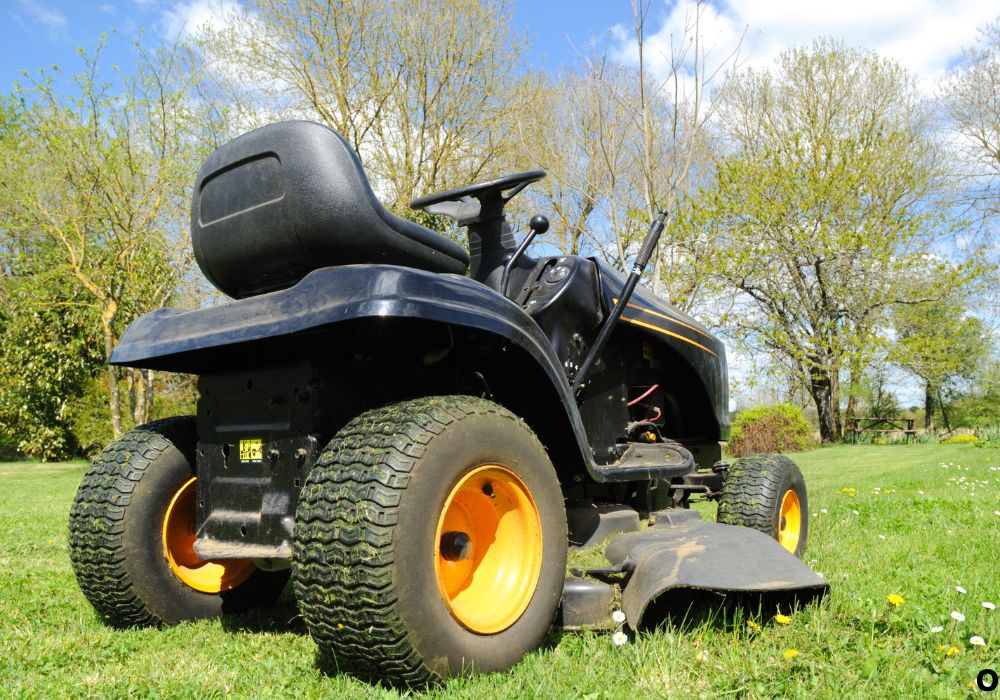
Most modern walk-behind and riding lawn mowers now use 4-stroke engines. Two-strokes are primarily found in handheld tools like string trimmers and chainsaws, where portability and high RPM are more important than long-term fuel efficiency.
Power, Torque, and Cut Quality Under Load
Performance isn’t just about horsepower — it’s about torque and power delivery. Two-stroke engines generate power on every revolution, giving them a sharp, aggressive response and a high power-to-weight ratio.
This design allows for quick acceleration and fast blade speeds, especially in compact mowers or brush cutters.
However, that same responsiveness can become unstable when cutting thick, wet grass. The lack of consistent torque often leads to uneven cuts and blade slowdown. Two-stroke engines also heat up faster, which may reduce efficiency in prolonged mowing sessions.
Four-stroke engines, on the other hand, deliver steadier torque at moderate RPM levels. The result is smoother blade movement and cleaner, more even cuts, especially in heavy grass.
Their governor system maintains consistent speed under load, ensuring stable performance even when the mower faces resistance.
When comparing what is the difference between 2 stroke and 4 stroke lawn mowers, this is one of the biggest practical distinctions. Two-strokes excel at lightweight, short bursts of power, while four-strokes provide durability and consistent performance during extended use.
Fuel, Oil, and Day-to-Day Convenience
Fueling habits are another major difference between these two engine types. Two-stroke engines require a premix of gasoline and oil, usually at a 40:1 or 50:1 ratio.
This mixture lubricates the internal components as it burns. Mistakes in mixing can lead to excessive smoke, fouled spark plugs, or engine seizure.
Four-stroke engines separate fuel and oil, simplifying refueling and reducing errors. Gasoline goes in the fuel tank, while the crankcase holds dedicated motor oil.
This system provides superior lubrication and longer intervals between maintenance. It also reduces the amount of smoke and odor during operation.
For homeowners who value convenience, four-stroke engines are far easier to manage. They don’t require measuring oil ratios, and the maintenance routine resembles that of a small car engine.
However, 4-strokes are heavier and have more moving parts. Two-strokes remain simpler mechanically, making them easier to repair in the field. Still, for most lawn care tasks, modern users prefer the reliability and ease of 4-stroke fueling.
Fuel Economy, Noise, and User Comfort
Efficiency and comfort are key factors when mowing for long periods. Four-stroke mowers consume up to 30% less fuel than comparable two-strokes due to more efficient combustion (source). This efficiency also means fewer refills and lower operating costs over time.
In terms of noise, 2-stroke engines produce a sharper, high-pitched sound due to rapid combustion and fewer moving parts to dampen vibration. Four-strokes emit a deeper, quieter tone, making them more comfortable for residential use.
Vibration levels are also noticeably lower in 4-stroke mowers. Reduced vibration translates into smoother handling, less fatigue, and better control, particularly on large lawns.
With stricter neighborhood noise regulations, quieter 4-stroke engines have become the standard for both homeowners and landscaping professionals.
The comfort difference between the two is more than cosmetic — it directly affects productivity, especially when mowing multiple properties or large areas in one session.
Emissions, Regulations, and the Future of Lawn Engines
Environmental concerns are one of the biggest reasons 4-stroke mowers dominate the modern market. Two-stroke engines burn oil along with gasoline, which releases unburned hydrocarbons (HC), carbon monoxide (CO), and particulate matter into the air.
According to California Air Resources Board (CARB), small off-road engines such as 2-stroke mowers can emit up to 23 times more smog-forming pollution than a passenger car driving the same duration (source).
That’s why many states are phasing out older two-stroke engines under programs like CARB’s SORE regulations, effective from 2024 onward.
Four-stroke engines produce far fewer emissions because they burn fuel more completely and store oil separately. Their combustion process minimizes oil vaporization and fuel loss through the exhaust.
Many manufacturers now meet EPA Phase 3 compliance, reducing hydrocarbon and nitrogen oxide emissions even further.
This shift not only benefits air quality but also influences resale value. Buyers are increasingly choosing cleaner, compliant mowers that meet environmental standards.
Maintenance and Reliability Realities
Maintenance requirements differ greatly between these engines. Two-strokes demand consistent attention to fuel mixing accuracy, spark plug cleaning, and exhaust port maintenance. Residue buildup from burning oil can clog ports and reduce performance over time.
Four-strokes require periodic oil changes, typically every 25–50 operating hours, along with air filter and spark plug replacements. The separate lubrication system keeps internal parts cleaner and reduces friction, resulting in longer engine life.
Four-strokes also tend to be more reliable in variable conditions. They handle heat better, maintain stable compression, and are less prone to seizure.
While their added components — valves, timing gears, and camshafts — increase complexity, they rarely fail under normal maintenance schedules.
When comparing what is the difference between 2 stroke and 4 stroke lawn mowers, reliability and longevity are two categories where 4-strokes clearly outperform. Two-strokes may win for simplicity, but 4-strokes dominate in lifespan and overall durability.
Use Cases — Where Each Engine Type Shines
Each engine type excels in different situations. Two-strokes thrive in lightweight, handheld tools that require frequent movement, such as trimmers and edgers. Their ability to operate at any angle without oil starvation makes them ideal for steep slopes and tight spots.
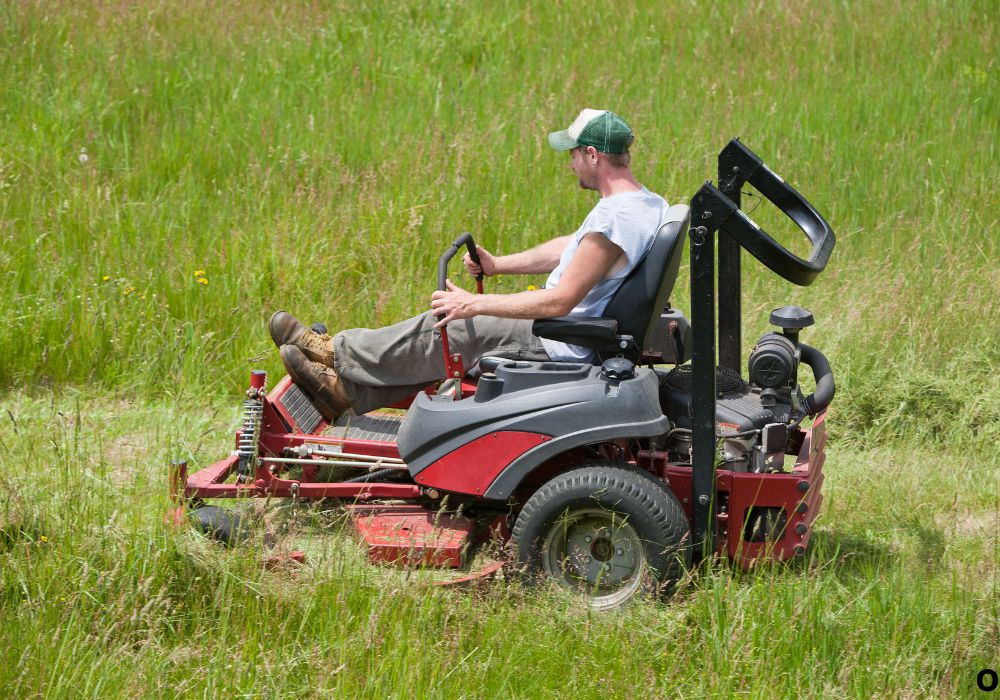
Four-strokes dominate walk-behind and riding lawn mowers, where power stability and clean operation matter most. They are better suited for flat lawns, large properties, and extended mowing sessions. Their balanced torque curve ensures steady blade speed, preventing patchy or uneven cutting.
For professionals mowing several lawns per day, 4-strokes are the preferred choice because they can run longer without overheating or refueling. In contrast, 2-strokes are mostly used in niche applications or older equipment.
Modern innovation has even blurred these lines. Some manufacturers, like STIHL, introduced hybrid 4-MIX engines — a fusion of 2-stroke power and 4-stroke lubrication. However, this technology is primarily reserved for handheld tools rather than push or riding mowers.
Cost of Ownership and Resale Value
Over time, operating costs can make one type of mower more practical than the other. Four-stroke engines are generally more fuel-efficient, translating into lower long-term costs.
Even though they require oil changes, these intervals are infrequent and inexpensive compared to constantly buying two-stroke oil for mixing.
Two-stroke mowers, when still available, are often cheaper upfront but more expensive to run. The cost of oil mixing, higher fuel use, and increased wear can add up quickly.
Their higher emissions also mean fewer buyers in regions with strict environmental laws, lowering resale value.
Four-stroke mowers maintain their value longer due to widespread use and compliance with emissions standards. Replacement parts are easier to find, and mechanics are more familiar with the design. Over a mower’s lifespan, 4-strokes usually prove the more economical investment.
Buyer’s Checklist — Picking the Right Mower Today
When choosing between 2-stroke and 4-stroke mowers, consider how often you mow, lawn size, and local environmental regulations.
If you maintain small areas and prefer lightweight, easy-start machines, a 2-stroke mower can still be a practical option where regulations allow. However, if you want quieter operation, lower emissions, and consistent power, a 4-stroke is the better long-term choice.
Check for features like auto-choke systems, electric start, and low-vibration handles — all typically found on modern 4-stroke models. Also, verify the mower complies with EPA or CARB standards to ensure future resale value and reduced emissions.
Battery-powered mowers are another growing alternative, offering zero emissions and minimal maintenance. As battery technology improves, they’re increasingly replacing gas engines for small to medium lawns.
Quick Decision Guide — Summary of Key Differences
Understanding what is the difference between 2 stroke and 4 stroke lawn mowers comes down to efficiency, power delivery, and upkeep.
Two-stroke mowers are lightweight, powerful for their size, and easy to repair, but they consume more fuel and produce higher emissions.
Four-stroke mowers are heavier but quieter, cleaner, and more durable, making them ideal for most homeowners and professionals.
The 4-stroke engine’s improved torque, separate oil system, and reduced pollution make it the clear winner for modern mowing. Still, the simplicity and portability of 2-strokes keep them relevant for handheld tools and specialized tasks.
In short, if you prioritize performance, sustainability, and comfort, go with a 4-stroke mower. If portability and low weight are critical, a 2-stroke might still suit specific needs.
Conclusion
The debate over what is the difference between 2 stroke and 4 stroke lawn mowers highlights how engineering choices shape both performance and environmental impact.
Two-strokes deliver raw, compact power but demand frequent maintenance and higher fuel consumption.
Four-strokes, meanwhile, have evolved into efficient, low-emission workhorses suited for nearly all mowing applications.
Regulatory trends and environmental awareness are rapidly pushing the market toward 4-stroke and electric options. Their balance of efficiency, reliability, and user comfort makes them the dominant force in lawn care today.

I’m Maya L. Greenwood, a lifelong plant lover who believes anyone can grow something beautiful with the right guidance. After years of testing soil mixes, pruning methods, irrigation tricks, and pest-safe solutions, I started EasyGardenTips.com to turn hard-won lessons into step-by-step advice. From seed starting and container gardens to composting and seasonal checklists, my goal is to make gardening simple, sustainable, and fun.