
Every gardener knows the frustration of watching weeds take over a carefully planted vegetable bed and wondering if there is a simple solution that could save hours of work.
Many turn to weed barrier fabric, often marketed as landscape fabric, with the hope that it will permanently block weeds and protect the harvest.
The question that immediately arises is whether weed barrier is suitable for vegetable gardens, where soil health and root development are critical for plant growth.
Weeds are more than just unsightly; according to the University of Minnesota Extension, they can reduce crop yields by up to 60% if left unchecked, competing for nutrients, water, and sunlight.
With garden investments rising and the average U.S. gardener spending over $500 per season on supplies, mistakes with soil management and weed control can be costly.
Weed barrier appears to be a quick fix, but its long-term impact on soil and vegetable health is not always as positive as advertised.
Understanding whether you can use weed barrier in a vegetable garden requires looking at how it works, its pros and cons, and what alternatives might be more sustainable.
This guide explores the science behind weed barriers, their effect on soil, and the best practices for weed control in vegetable gardens today.
What Is a Weed Barrier and How Does It Work?
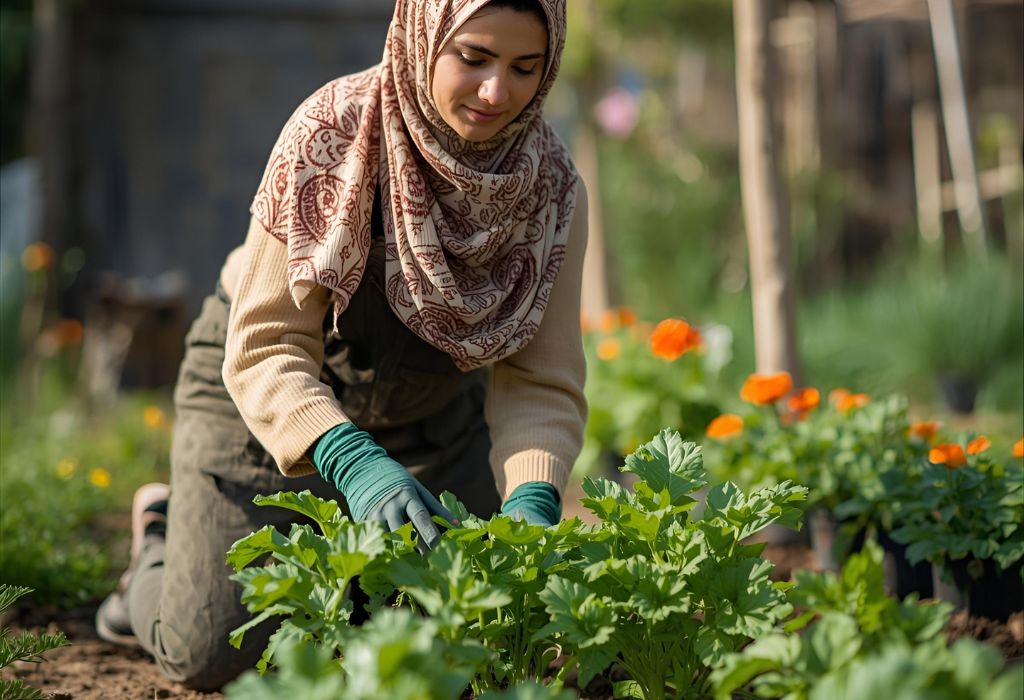
A weed barrier, also known as landscape fabric, is a material laid on top of the soil to block sunlight and prevent weeds from growing. It comes in woven, non-woven, and biodegradable versions designed for different uses.
The fabric functions by depriving weeds of the light they need for germination. It also reduces evaporation, keeping moisture in the soil for longer periods.
Some weed barriers are permeable, allowing water and air to pass through, while others restrict flow and can compact soil over time. Choosing the right type determines whether it helps or harms your garden.
Although effective for decorative landscapes, weed barriers raise concerns in food-producing gardens where soil biology plays a major role in success.
What is weed barrier fabric?
A sheet material that blocks light to reduce weed growth.
How does it block weeds?
It prevents seeds from germinating by cutting off sunlight.
What types are available?
Woven, non-woven, and biodegradable fabrics exist.
Is it different from mulch?
Yes, mulch is organic while barrier is synthetic or treated.
Does it last long in the garden?
Yes, but durability depends on material quality.
Pros of Using Weed Barrier in Vegetable Gardens
One clear advantage of weed barrier is that it drastically reduces the need for manual weeding. Fewer weeds mean more time spent on planting, watering, and harvesting.
Weed barrier also helps conserve moisture in the soil by reducing evaporation. This can be useful in hot climates where vegetables require consistent watering.
The fabric may regulate soil temperature by keeping it cooler during summer and slightly warmer during early spring. For certain crops, this can extend the growing season.
In perennial areas such as asparagus beds or garden pathways, weed barrier can serve a useful purpose by minimizing competition and keeping the area tidy.
Does weed barrier reduce weeding time?
Yes, it minimizes the number of weeds that sprout.
Does it help keep soil moist?
Yes, it slows evaporation and conserves water.
Can it improve soil warmth?
Yes, it can regulate temperature in some climates.
Is it good for long-term crops?
Yes, especially for perennials or pathways.
Where is weed barrier most effective?
In low-maintenance areas, not annual vegetable beds.
Cons of Using Weed Barrier in Vegetable Gardens
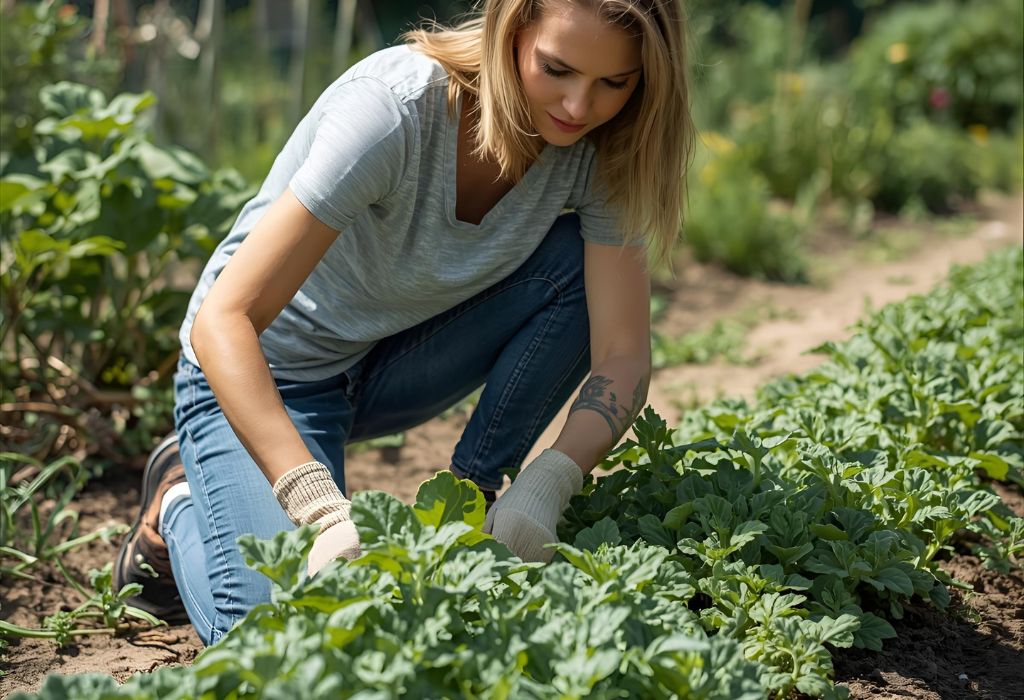
While weed barrier blocks weeds, it also blocks organic matter from decomposing into the soil. Over time, this starves soil of nutrients and reduces fertility.
The fabric can restrict the movement of air and water. This weakens soil structure and makes it harder for vegetable roots to grow deep and strong.
Weed barrier can create a hidden environment for pests such as slugs, voles, or insects. These pests thrive underneath the cover where moisture and protection are abundant.
It is also impractical for crop rotation systems, since removing or replacing fabric between plantings can be time-consuming and damaging to the soil.
Does weed barrier hurt soil health?
Yes, it limits natural nutrient cycling.
Can roots struggle under fabric?
Yes, restricted airflow hinders growth.
Does it attract pests?
Yes, pests often nest beneath the barrier.
Is it bad for rotating crops?
Yes, it complicates seasonal changes.
Is it eco-friendly?
Not usually, unless biodegradable materials are used.
Impact on Soil Health and Vegetable Roots
Healthy soil is alive with microorganisms, earthworms, and organic matter. Weed barriers reduce this biological activity by preventing organic material from reaching the soil surface.
When barriers restrict airflow, soil can become compacted and anaerobic. This makes it harder for vegetables to absorb nutrients.
Shallow rooting is another common problem. Vegetables planted over barriers often struggle to establish deep roots because the soil system is less supportive.
Over several seasons, the soil under weed barrier can degrade, resulting in lower fertility and weaker plant growth. This is one of the main reasons experts discourage its use in food gardens.
Does weed barrier prevent soil breathing?
Yes, it reduces airflow and gas exchange.
Do worms struggle under fabric?
Yes, they have fewer nutrients to consume.
Can vegetables develop weaker roots?
Yes, restricted conditions limit root depth.
Does fabric harm long-term soil quality?
Yes, prolonged use depletes soil life.
Are breathable barriers better?
They are slightly better but still restrict natural processes.
Alternatives to Weed Barrier in Vegetable Gardens
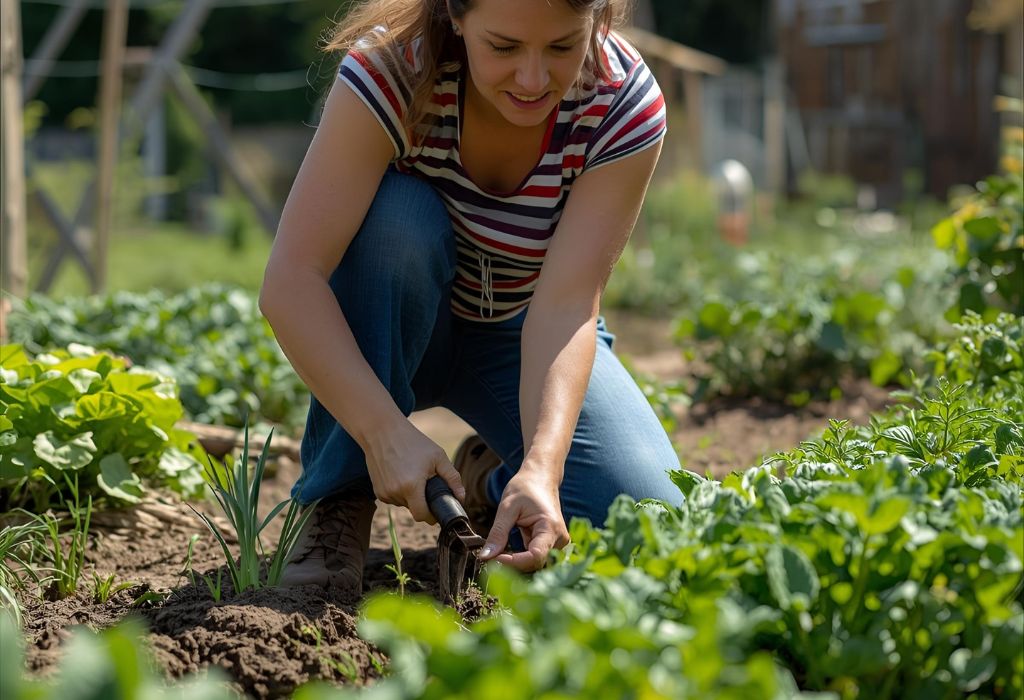
Organic mulches are the most popular alternative. Materials like straw, shredded leaves, or wood chips suppress weeds while enriching the soil as they break down.
Cover crops such as clover or rye can also suppress weeds. These living plants cover soil, reduce erosion, and add organic matter when tilled back in.
Regular hand weeding or hoeing, while labor-intensive, remains highly effective and ensures the soil ecosystem stays balanced. This method also gives gardeners more control over which weeds remain as beneficial pollinator plants.
Living mulches like low-growing clover add biodiversity. They create a balance between weed suppression and soil health.
What is the best natural alternative?
Organic mulch like straw or compost.
Can straw prevent weeds?
Yes, when applied in thick layers.
Do cover crops work well?
Yes, they suppress weeds and add nutrients.
Is hand weeding still necessary?
Yes, but it keeps soil conditions natural.
Do living mulches help soil?
Yes, they increase biodiversity and fertility.
Best Practices for Weed Management in Vegetables
Mulching with organic matter is considered the best long-term solution for weed management in vegetable gardens. It provides weed control and improves soil simultaneously.
Adding compost annually not only enriches soil fertility but also reduces weed germination by covering the seed layer. This makes the garden healthier overall.
Combining cultural methods such as crop rotation and intercropping helps reduce weed populations. By changing planting patterns, gardeners disrupt weed cycles naturally.
Integrated weed management, which blends mulching, manual control, and organic methods, is the most effective strategy for sustained productivity.
What is the best weed control for vegetables?
Organic mulch combined with compost.
Should mulch replace fabric?
Yes, it enriches soil instead of harming it.
Does compost help control weeds?
Yes, it suppresses seeds and boosts fertility.
Do crop rotations reduce weeds?
Yes, they disrupt weed life cycles.
Is integrated weed management important?
Yes, it ensures long-term success.
When (If Ever) Should You Use Weed Barrier in Vegetable Gardens?
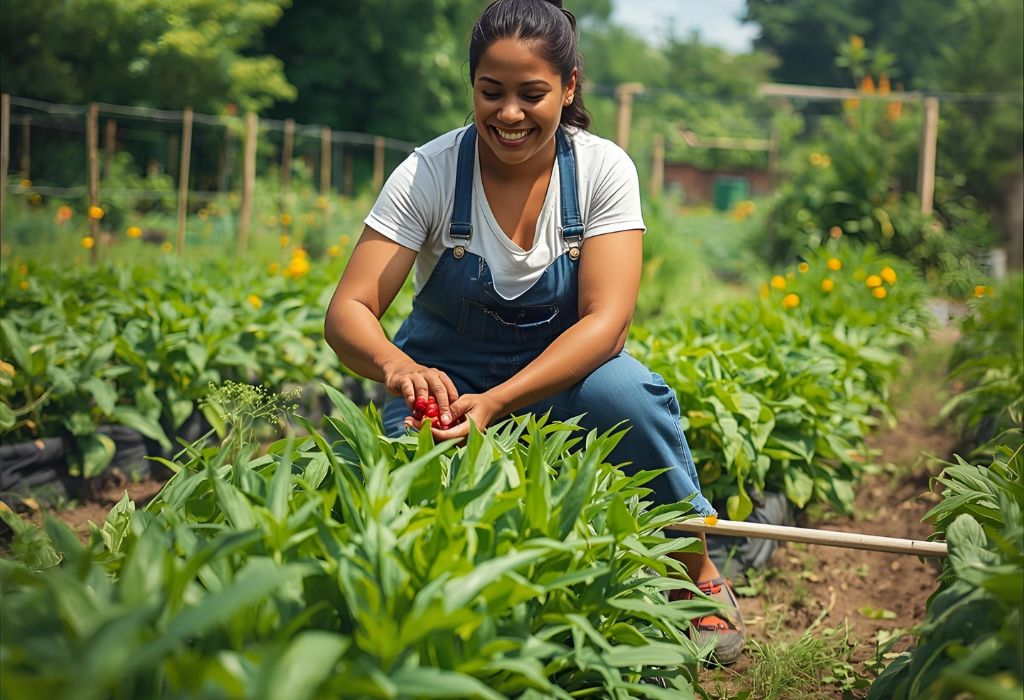
There are a few situations where weed barrier can be used. Garden pathways benefit from fabric because it reduces maintenance without affecting crops.
Raised beds that grow perennials such as asparagus or rhubarb may also benefit. Weed barrier reduces competition in these permanent plantings.
Short-term projects sometimes use barrier fabric as a temporary solution. However, it should be removed before planting the next crop.
For most annual vegetable beds, weed barrier is not recommended. Soil health and long-term fertility outweigh its temporary benefits.
Is weed barrier ever okay in vegetables?
Yes, but only in limited cases.
Can it be used in raised beds?
Yes, for perennials or deep-rooted crops.
Is it good for garden pathways?
Yes, it reduces maintenance there.
Does it suit perennial crops?
Yes, but not annual vegetables.
Should it be temporary or permanent?
Temporary use is safest for soil.
Future Trends: Eco-Friendly Weed Control
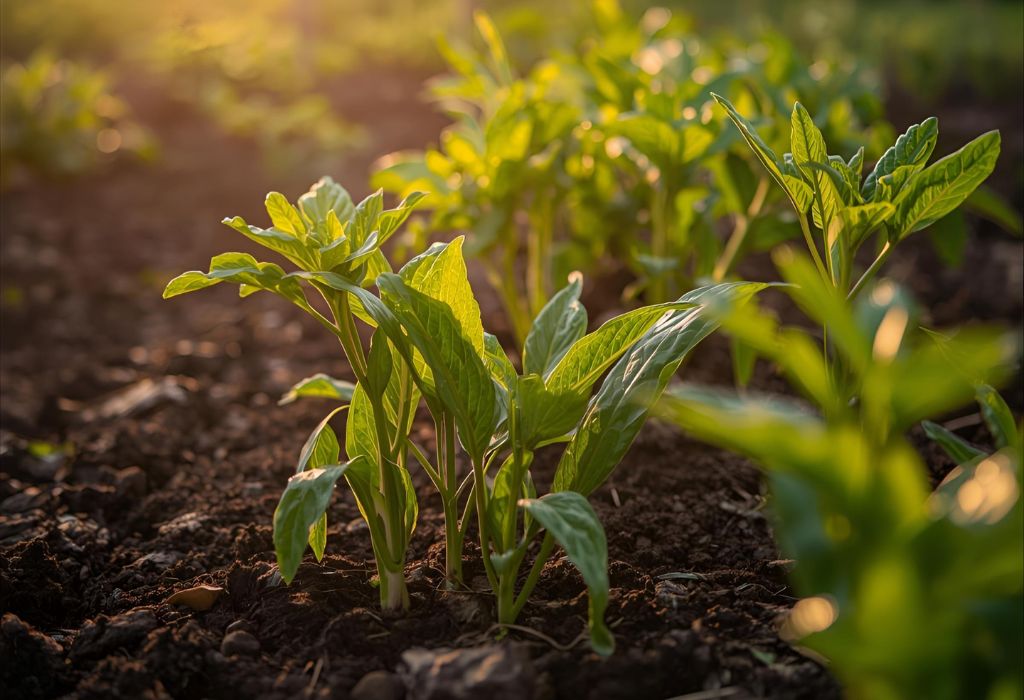
Biodegradable weed barriers are being developed as eco-friendly alternatives. These fabrics break down naturally and feed the soil.
Smart mulching techniques, such as using locally sourced organic matter, are gaining popularity. They reduce waste and improve soil structure.
Regenerative agriculture emphasizes soil-first methods. Cover crops, composting, and biodiversity are central to this approach.
By 2025, more gardeners are expected to use natural weed suppression strategies. The focus will shift away from synthetic fabrics toward sustainable solutions.
Are biodegradable barriers available?
Yes, some products are on the market.
Will fabric technology improve?
Yes, eco-friendly options are emerging.
Are gardeners moving to organic methods?
Yes, organic practices are growing rapidly.
What role will cover crops play?
They will be central to weed control.
Will weed barrier still be popular in 2025?
Less so, as sustainable methods take over.
Conclusion
Weed barrier can work in vegetable gardens, but it often creates more problems than it solves. Soil health, fertility, and root development suffer with long-term use.
While it offers some short-term benefits like reduced weeding and moisture retention, its disadvantages outweigh the positives for annual vegetable beds.
Alternatives such as organic mulch, compost, and cover crops provide better weed control while improving soil quality. These methods create healthier and more productive gardens.
Final advice: use weed barrier sparingly in pathways or perennial beds, but rely on organic methods in vegetable gardens to achieve long-term success.

I’m Maya L. Greenwood, a lifelong plant lover who believes anyone can grow something beautiful with the right guidance. After years of testing soil mixes, pruning methods, irrigation tricks, and pest-safe solutions, I started EasyGardenTips.com to turn hard-won lessons into step-by-step advice. From seed starting and container gardens to composting and seasonal checklists, my goal is to make gardening simple, sustainable, and fun.