
As winter approaches, many homeowners wonder whether it is safe to leave their garden hoses outside. Freezing temperatures can damage hoses, outdoor faucets, and even connected plumbing if proper precautions are not taken.
Leaving hoses exposed to cold weather without preparation can lead to cracks, leaks, and costly replacements. Understanding how to protect hoses during winter months ensures longevity and prevents unnecessary water waste.
Material choice plays a crucial role in winter durability. PVC and vinyl hoses are more prone to cracking in freezing conditions, while rubber hoses offer greater flexibility and resistance to cold temperatures.
According to the U.S. Department of Energy, frozen outdoor pipes are a leading cause of residential water damage during winter (DOE).
Proper storage and protective measures can prevent most winter-related hose damage. Using insulated hose covers, hose reels, or relocating hoses indoors reduces the risk of freezing and maintains functionality.
Understanding How Freezing Temperatures Affect Hoses
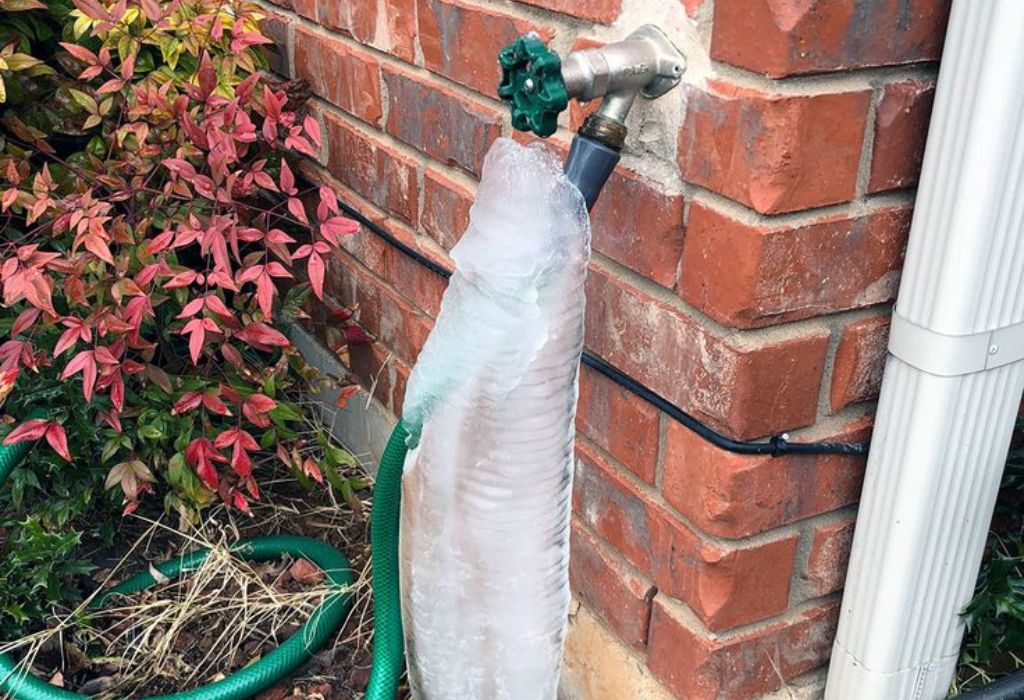
Freezing temperatures pose a significant risk to garden hoses left outdoors. Water inside a hose expands as it freezes, creating internal pressure that can crack or split the hose material.
Material Flexibility influences how hoses withstand cold. PVC and vinyl hoses become brittle in freezing conditions, while rubber hoses remain more flexible and resistant to cracking.
Hose Fittings and Connectors are also vulnerable. Plastic connectors may crack under stress, while metal connectors can warp or bend when exposed to repeated freeze-thaw cycles.
Stagnant Water Risks increase damage potential. Water remaining in hoses overnight or during cold spells is more likely to freeze and compromise the hose and attached spigots.
Environmental Factors such as wind, sunlight, and fluctuating temperatures exacerbate hose damage. UV exposure and repeated freeze-thaw cycles weaken hose integrity over time, even for more durable materials.
Health and Safety Considerations should not be overlooked. A burst hose can cause water damage near outdoor faucets or create hazardous icy patches on walkways, posing risk to people and property.
By understanding the physical and environmental factors affecting hoses in winter, homeowners can take proactive measures. Awareness of freezing risks forms the foundation for selecting appropriate hoses and implementing protective winter strategies.
Types of Garden Hoses and Winter Durability
Garden hoses are made from a variety of materials, each responding differently to freezing temperatures. Understanding these differences helps homeowners select hoses that are more likely to survive winter conditions.
PVC and Vinyl Hoses are lightweight and inexpensive but become brittle in freezing temperatures. These hoses are prone to cracking when water inside freezes and expands, making them less suitable for winter exposure.
Rubber Hoses offer greater flexibility and durability in cold weather. High-quality rubber hoses can better withstand freeze-thaw cycles without splitting or losing structural integrity.
Drinking Water Safe Hoses are often made of rubber or flexible plastics, designed for potable water use. Check manufacturer specifications, as not all drinking water safe hoses are guaranteed to handle freezing temperatures.
Metal Hoses and Connectors provide added strength but can still be affected by extreme cold. Metal may contract and expand with temperature changes, stressing hose connections if water is left inside.
Hybrid and Reinforced Hoses combine materials for durability. Some feature layers of rubber and reinforced plastic to resist cracking while maintaining flexibility in low temperatures.
Manufacturer Guidelines should always be followed. Some hoses are explicitly labeled as frost-resistant, while others are intended only for seasonal use, requiring removal and indoor storage during winter.
By understanding the materials and durability of different hose types, homeowners can make informed decisions for winter care. Choosing the right hose reduces the risk of cracks, leaks, and costly replacements after cold weather exposure.
Risks of Leaving Hoses Out All Winter
Leaving garden hoses outdoors during freezing months can result in significant damage. Water inside hoses expands when frozen, causing cracks, splits, and leaks that compromise hose integrity.
Cracking and Splitting are the most common forms of winter damage. PVC and vinyl hoses are especially vulnerable, while rubber hoses can also develop stress fractures if left exposed for prolonged periods.
Damage to Connectors and Spigots may occur when water freezes inside. Plastic fittings can break, and metal connectors may bend or warp, leading to leaks and reduced functionality.
Water Loss and Flooding is a secondary risk. A burst hose or compromised spigot can release large amounts of water when thawing, potentially causing localized flooding or damage to surrounding areas.
Increased Replacement Costs result from neglecting winter storage. Damaged hoses often need full replacement, which can be costly over time compared to proactive winter care.
Safety Hazards include slippery surfaces from frozen leaks or ice formation. Burst hoses near walkways can create dangerous conditions, increasing the risk of slips and falls.
By understanding the risks associated with leaving hoses outside in winter, homeowners can take preventive measures. Awareness of potential damage forms the basis for proper winter storage and maintenance practices, ensuring hose longevity and safe outdoor water use.
How to Prepare Hoses for Winter
Proper preparation is essential to protect garden hoses from freezing damage. Draining, storing, and handling hoses correctly reduces the risk of cracks, leaks, and costly replacements.
Drain All Water from the Hose before winter. Even small amounts of water left inside can freeze, expand, and damage the hose material.
Disconnect Hoses from Spigots to prevent stress on connectors and avoid freezing water from damaging outdoor faucets.
Store Hoses Indoors or in Insulated Areas. Garages, sheds, or insulated storage boxes shield hoses from extreme temperatures and harsh winter conditions.
Loop or Coil Hoses Without Kinks to minimize stress points. Avoid sharp bends that can weaken hose walls and contribute to cracking during freeze-thaw cycles.
Use Hose Reels for Storage. Wall-mounted or portable reels keep hoses organized, reduce tangling, and make handling easier during winter preparations.
Label Hoses for Seasonal Use to differentiate between potable water safe hoses and regular irrigation hoses. This prevents accidental use of non-safe hoses during winter maintenance or spring setup.
Check Hose Condition Before Storage. Inspect for existing cracks, leaks, or weak spots, and repair or replace damaged hoses to ensure longevity and reliability.
By following these steps, homeowners can significantly extend the life of their garden hoses. Proper winter preparation minimizes damage, reduces water waste, and ensures hoses are ready for safe use in the spring.
Using Hose Reels and Covers for Winter Protection
Hose reels and protective covers provide an effective way to safeguard garden hoses during cold weather. These tools reduce stress on the hose, prevent kinks, and minimize exposure to freezing temperatures.
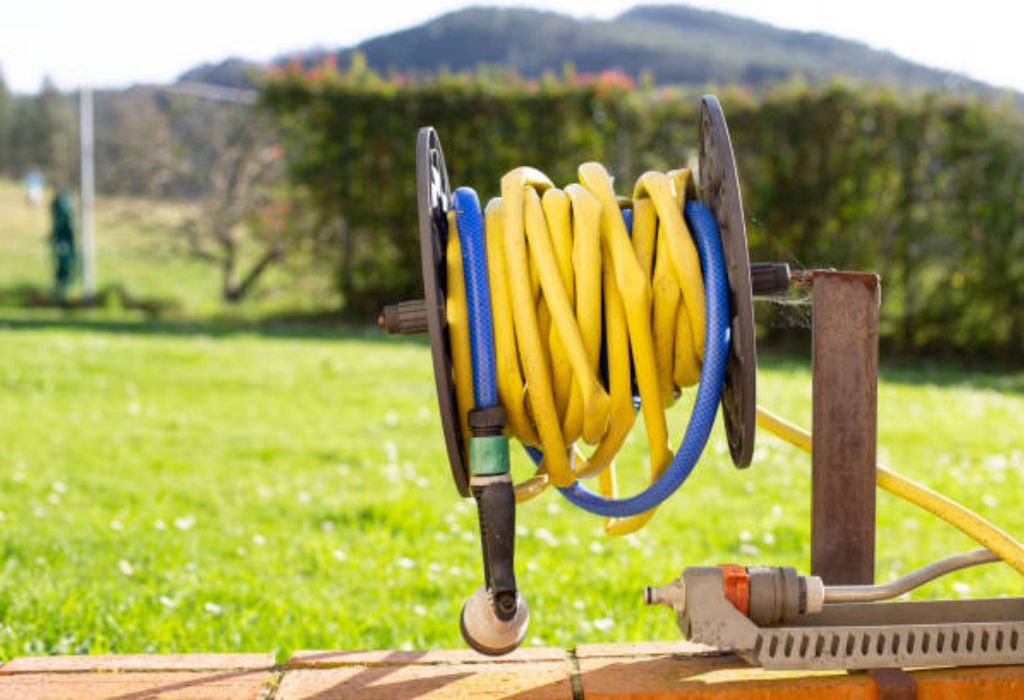
Wall-Mounted and Portable Hose Reels keep hoses organized and off the ground. By elevating hoses, reels reduce the risk of water pooling inside and freezing, which can cause cracks.
Hose Covers and Insulation Sleeves add an extra layer of protection. Insulated sleeves around hoses and connectors prevent freezing and maintain flexibility even in subzero conditions.
Benefits of Reels and Covers include longer hose lifespan, easier handling, and reduced likelihood of winter damage. Proper storage ensures hoses remain functional and ready for use when warmer weather returns.
Preventing Kinks and Stress Points is another advantage. Reels allow hoses to be coiled smoothly without sharp bends, reducing material fatigue and cracking over time.
Considerations for Outdoor Reels include placement in sheltered areas and occasional inspection. Reels and covers exposed to sunlight and extreme temperatures should be checked for wear and replaced if necessary.
Using Reels for Seasonal Storage simplifies spring setup. Hoses can be quickly unrolled without tangles, reducing setup time and ensuring even water distribution for gardening tasks.
By using hose reels and covers, homeowners can significantly reduce winter-related damage. These protective measures, combined with proper preparation, ensure hoses remain durable, safe, and ready for use in the spring.
Alternatives to Leaving Hoses Outside
When winter conditions are severe, it is often safer to remove garden hoses from outdoor exposure. Alternative storage and usage methods help prevent freezing damage and extend hose lifespan.
Indoor Storage is the most effective option. Storing hoses in garages, sheds, or insulated spaces protects them from cold temperatures and reduces the risk of cracking.
Shorter Hoses for Winter Use minimize the volume of water that can freeze inside. Using only the necessary length of hose for occasional outdoor tasks reduces freeze-related stress on the material.
Frost-Free Spigots allow hoses to remain connected while minimizing freezing risks. These spigots extend the valve mechanism into the heated portion of the wall, preventing ice formation inside the faucet.
Portable Hose Storage Boxes provide a compact and insulated solution. These boxes shield hoses from wind, snow, and ice while keeping them organized and ready for use.
Alternative Water Delivery Methods such as indoor-filled watering cans or portable filtered bottles reduce the need to leave hoses outdoors. This ensures safe water access without risking hose damage.
Planning Seasonal Hose Usage helps prevent long-term damage. Removing hoses during peak freeze periods and only using them when necessary significantly extends their service life.
By implementing these alternatives, homeowners can maintain hose durability, prevent costly winter damage, and ensure safe and efficient water access throughout cold months. Proper planning and storage transform a simple garden tool into a long-lasting asset.
Common Myths About Winter Hose Storage
Many homeowners hold misconceptions about leaving garden hoses outdoors in winter. Understanding these myths helps prevent damage and ensures proper winter care.
Myth 1: All Hoses Can Withstand Freezing Temperatures
Not all hoses are designed for cold weather. PVC and vinyl hoses can crack easily, while only frost-resistant or rubber hoses have greater durability in freezing conditions.
Myth 2: Running Water Prevents Freezing
Continuous water flow may temporarily prevent freezing but does not eliminate the risk. Water left in hoses or spigots can still expand and cause cracks when temperatures drop further.
Myth 3: Plastic Hoses Are Indestructible
Plastic hoses are more susceptible to brittleness and cracking in cold weather. Durable rubber or insulated hoses provide better protection for winter storage.
Myth 4: Leaving Hoses on Spigots is Safe
Even frost-free spigots have limits, and leaving non-resistant hoses connected can lead to freezing at the faucet or inside the hose itself. Proper disconnection and indoor storage is often safer.
Myth 5: Winter Damage Only Affects the Hose
Frozen hoses can also stress outdoor faucets, connectors, and even nearby pipes. Damage may result in leaks, water waste, and additional repair costs.
By dispelling these myths, homeowners can make informed decisions about hose storage and winter preparation. Awareness of material limitations, freezing risks, and proper handling reduces damage and ensures hoses remain functional for years.
Conclusion
Leaving garden hoses outdoors during winter can lead to cracks, leaks, and costly damage if proper precautions are not taken. Understanding the effects of freezing temperatures, hose materials, and environmental factors is essential for hose longevity.
Proper winter preparation includes draining hoses, disconnecting from spigots, and storing indoors or in insulated spaces. Using hose reels, protective covers, and frost-resistant hoses further reduces the risk of freezing damage.
Awareness of common myths, such as assuming all hoses can withstand freezing or that running water prevents damage, helps homeowners adopt safe practices. Choosing durable materials, following manufacturer guidelines, and implementing protective measures ensures that hoses remain functional.
Alternative strategies, including shorter hoses, frost-free spigots, and indoor water delivery methods, provide additional safety and convenience. Routine inspection and maintenance before and after winter maximize hose lifespan and prevent unexpected repairs.
By following these recommendations, homeowners can protect their garden hoses from winter damage, maintain reliable water access, and reduce replacement costs. Proper winter care transforms a simple garden tool into a durable, long-lasting asset.

I’m Maya L. Greenwood, a lifelong plant lover who believes anyone can grow something beautiful with the right guidance. After years of testing soil mixes, pruning methods, irrigation tricks, and pest-safe solutions, I started EasyGardenTips.com to turn hard-won lessons into step-by-step advice. From seed starting and container gardens to composting and seasonal checklists, my goal is to make gardening simple, sustainable, and fun.