
A gardener pulling weeds from the soil often wonders if these plants should be thrown into the trash, left in yard waste bins, or recycled into compost.
The idea of composting weeds seems attractive because it turns unwanted growth into useful organic matter for the garden.
At the same time, many fear that weeds may spread through compost piles if their seeds or roots survive the process.
Improper composting can allow invasive weeds to return stronger, undoing hours of hard work spent clearing beds.
According to the EPA, yard waste accounts for nearly 12% of total municipal solid waste in the United States, which highlights the importance of recycling weeds responsibly.
With the right method, weeds can be transformed from garden nuisances into nutrient-rich compost that benefits soil health.
Understanding how composting works, which weeds are safe, and what practices prevent regrowth ensures success in sustainable gardening.
This guide explores everything you need to know about composting garden weeds in 2025.
Can You Compost Garden Weeds Safely?
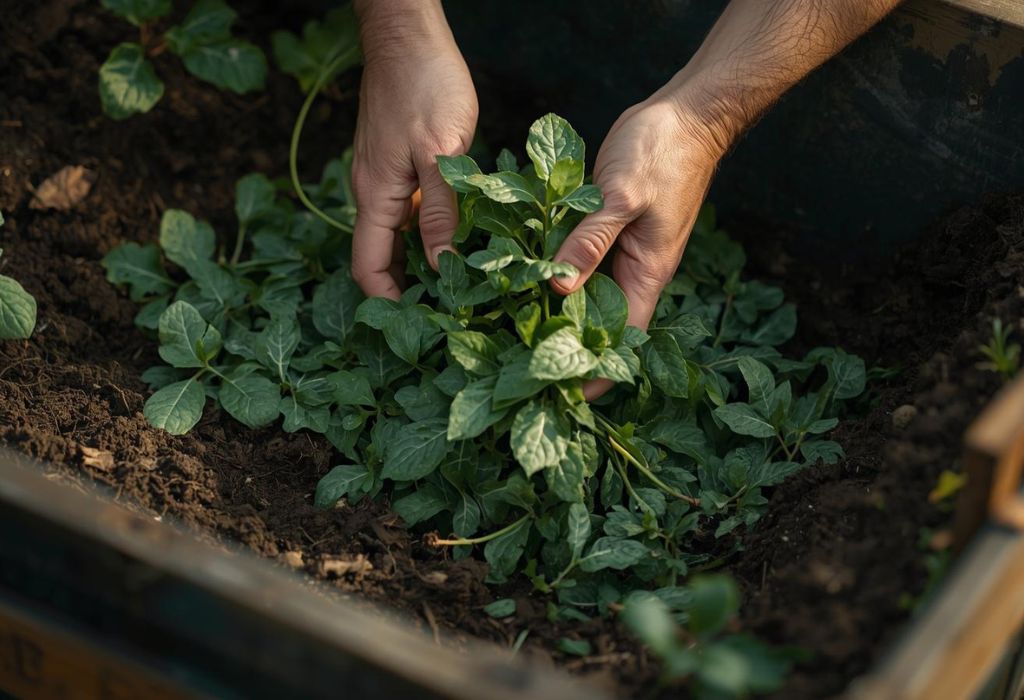
Yes, most weeds can be composted safely if the pile reaches the right temperature. Hot composting kills weed seeds and roots, preventing them from sprouting later.
Cold composting, on the other hand, may not reach high enough heat levels to destroy seeds. This increases the risk of weeds spreading when the compost is used.
Not all weeds are equal when it comes to composting. Some annual weeds are harmless, while tough perennials may cause issues.
Safe composting requires proper techniques like balancing green and brown materials and monitoring pile temperature.
Can all weeds be composted?
Yes, but not all in the same way.
Do weed seeds survive in compost?
Yes, if the pile does not get hot enough.
Is hot composting better for weeds?
Yes, it kills seeds and roots effectively.
Does composting weeds save waste?
Yes, it reduces yard waste in landfills.
Is it safe for vegetable gardens?
Yes, if weeds are composted properly.
Types of Weeds and Compost Risks
Annual weeds such as chickweed, crabgrass, and pigweed are usually safe to compost if piles are maintained properly. Their seeds are easier to kill at high composting temperatures.
Perennial weeds like dandelions, bindweed, and thistles are more resilient. Their deep roots and hardy seeds can survive if the compost pile is not hot enough.
Invasive weeds pose the greatest risk because they can quickly take over a garden if reintroduced. Special care is needed to ensure they are destroyed.
Correct identification of weed type is the first step to deciding if they belong in the compost pile.
Are annual weeds safe to compost?
Yes, if composted in hot piles.
What about perennial weeds?
They can be risky if not destroyed fully.
Can invasive weeds spread through compost?
Yes, if their roots survive.
Do roots survive in compost?
Yes, in cold compost piles.
Should weeds with seeds be avoided?
Yes, unless composting hot enough.
Hot Composting vs Cold Composting Weeds
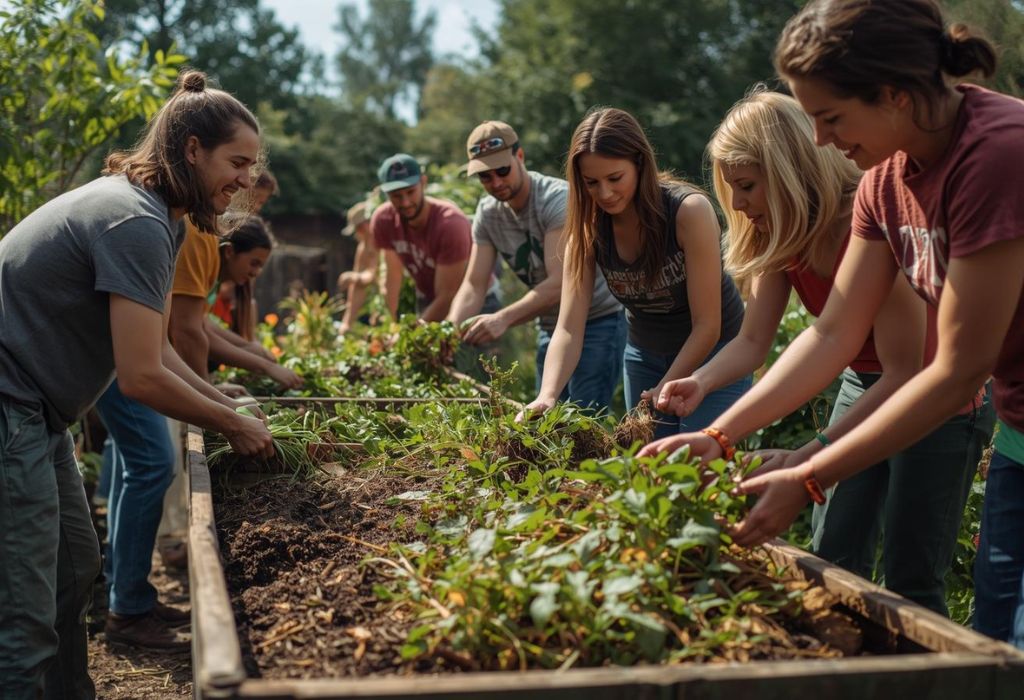
Hot composting is the best method for weeds because it raises temperatures high enough to kill seeds and roots. A pile between 130°F and 160°F destroys most weed growth.
Cold composting does not produce enough heat to sterilize weeds. Seeds and roots often survive and regrow when compost is applied.
Turning the pile regularly introduces oxygen and helps maintain heat levels. Moisture control is also critical for sustaining the right temperature.
Using a compost thermometer is the simplest way to ensure the pile stays in the weed-killing range.
What is hot composting?
It is composting at 130–160°F.
Does it kill weed seeds?
Yes, it sterilizes them.
Is cold composting safe for weeds?
No, it leaves seeds alive.
What temperature kills weeds?
At least 130°F for several days.
Do I need a compost thermometer?
Yes, for accurate monitoring.
Best Practices for Composting Garden Weeds
Remove seed heads from weeds before adding them to the pile. This reduces the chance of survival if the pile does not heat enough.
Chop weeds into smaller pieces to speed decomposition. Smaller pieces heat faster and break down more effectively.
Balance nitrogen-rich weeds with carbon-rich materials like dry leaves, straw, or shredded paper. This ensures proper composting conditions.
Always bury weeds deep inside the pile where heat is highest. Surface placement may allow seeds to survive.
Should I cut weeds before composting?
Yes, to speed breakdown.
Can I compost weeds with seeds?
Yes, but only in hot compost.
Do weeds need extra carbon material?
Yes, to balance compost chemistry.
Should weeds go in the center of the pile?
Yes, it is the hottest part.
How often should I turn compost?
Every 1–2 weeks for best results.
Weeds You Should Avoid Composting
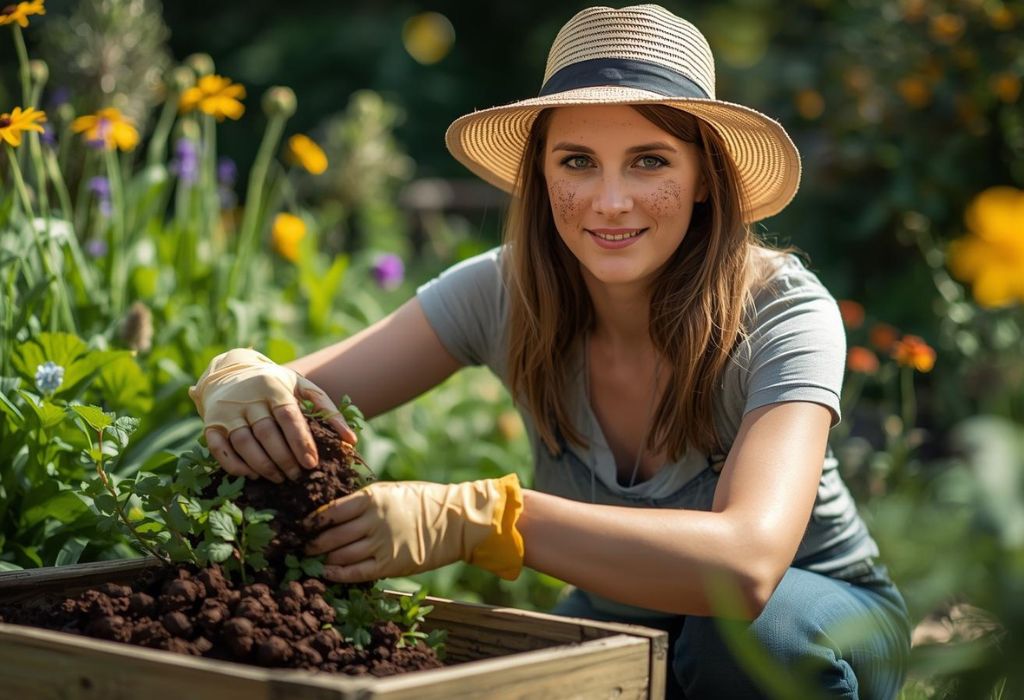
Some weeds are so resilient that they should not be added to compost piles. Bindweed and horsetail can survive harsh conditions and re-root.
Invasive weeds with aggressive spreading habits may return even after composting. It is better to dispose of them through municipal waste systems.
Diseased weeds are another concern. They can spread pathogens to future garden beds through compost.
When in doubt, it is safer to discard problematic weeds rather than risk contaminating compost.
Which weeds should never be composted?
Bindweed, horsetail, and invasive types.
Can bindweed survive composting?
Yes, unless pile temperatures are very high.
Are diseased weeds safe in compost?
No, they spread infections.
Do invasive weeds spread from compost?
Yes, they can regrow.
What’s the safest disposal method?
Municipal waste or burning where legal.
Alternative Ways to Use or Dispose of Weeds
Solarizing weeds by leaving them in the sun until they are dried and brittle is an effective way to kill them before composting. This method ensures seeds and roots are destroyed.
Another option is making “weed tea” by soaking weeds in water to create a liquid fertilizer. Once decomposed, it can be safely applied to garden soil.
Dead weeds with no seeds can be used as mulch around non-sensitive plants. They add organic matter and block new weed growth.
Municipal waste disposal is the safest route for diseased or invasive weeds. This prevents spreading in home compost systems.
What is weed solarization?
Drying weeds in sunlight until dead.
Can I make fertilizer from weeds?
Yes, by creating weed tea.
Do dead weeds make good mulch?
Yes, if they contain no seeds.
Should diseased weeds be burned?
Yes, if local laws allow burning.
Can weeds go in yard waste bins?
Yes, for municipal disposal.
Environmental Benefits of Composting Weeds
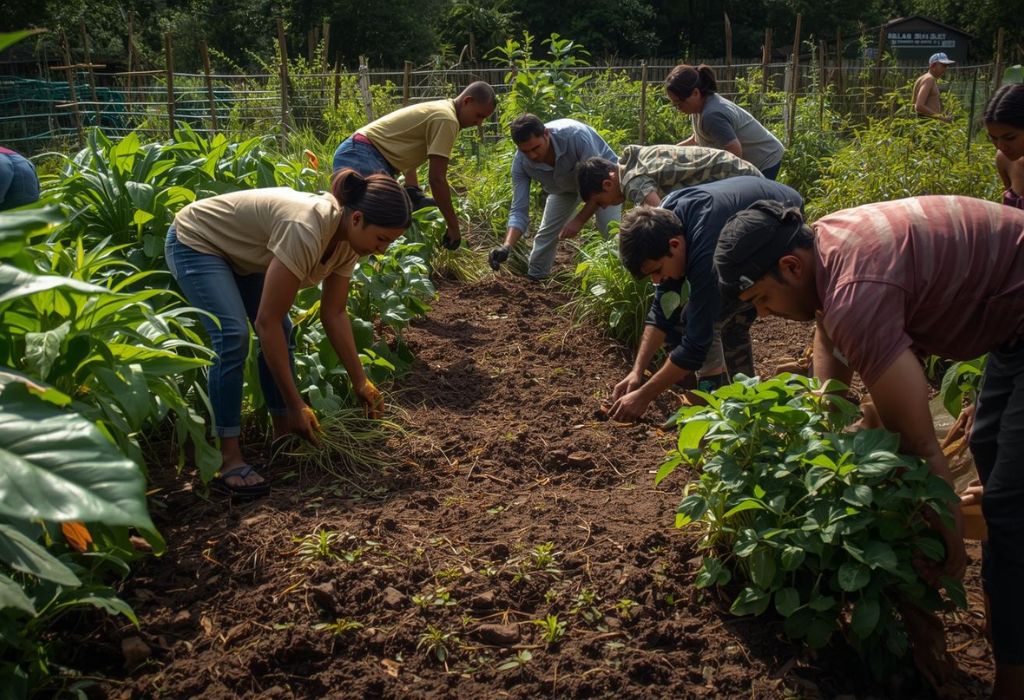
Composting weeds reduces landfill waste and prevents methane emissions caused by organic matter breaking down without oxygen. This supports sustainable waste management.
It recycles nutrients from weeds back into the soil, improving fertility for future crops and gardens. This reduces the need for synthetic fertilizers.
Healthy composting practices also support beneficial microbes and earthworms. This strengthens soil structure and water retention.
Overall, composting weeds responsibly promotes eco-friendly gardening while reducing waste at a household level.
Does composting reduce landfill waste?
Yes, it keeps weeds out of landfills.
Does it help soil fertility?
Yes, nutrients return to the soil.
Is it eco-friendly to compost weeds?
Yes, it is sustainable and safe.
Does it improve soil microbes?
Yes, compost enhances microbial life.
Does composting save money?
Yes, by reducing fertilizer purchases.
Conclusion
Yes, you can compost garden weeds safely if proper methods are followed. Hot composting is the most effective way to kill seeds and roots.
Annual weeds usually compost easily, while perennials and invasive weeds require extra caution. Diseased weeds should never go in compost.
Alternative methods like solarization, weed tea, or municipal disposal can handle tougher cases. Composting responsibly reduces waste and improves soil fertility.
Final advice: compost weeds wisely, monitor pile temperature, and choose the safest method for your garden’s needs in 2025.

I’m Maya L. Greenwood, a lifelong plant lover who believes anyone can grow something beautiful with the right guidance. After years of testing soil mixes, pruning methods, irrigation tricks, and pest-safe solutions, I started EasyGardenTips.com to turn hard-won lessons into step-by-step advice. From seed starting and container gardens to composting and seasonal checklists, my goal is to make gardening simple, sustainable, and fun.