
Lots of people wonder, can i aerate lawn with sprinkler system, especially when they’re first starting out with lawn care. It seems like it should be easy, but there are a few things to think about. Don’t worry, though! We’ll explore the topic and show you the steps to take. We’ll break down the process in a way that’s easy to follow. Let’s see how you can help your lawn breathe easier.
What Lawn Aeration Is All About
Lawn aeration is like giving your grass a breath of fresh air. Over time, soil can become compacted, meaning it gets squeezed tightly together. This makes it difficult for roots to get the water, air, and nutrients they need to stay healthy. Aeration involves creating small holes or removing soil plugs from your lawn. This loosens the soil and allows these vital resources to reach the grass roots. Think of it as opening up tiny tunnels so your grass can thrive. Aeration is a key part of good lawn care. It helps your grass grow strong and green. Many homeowners wonder how to do this correctly. The goal is a healthier, more vibrant lawn.
The Benefits of Lawn Aeration Explained
Aeration does more than just make holes; it offers several advantages for your lawn’s health. It boosts root growth, meaning the roots of your grass grow deeper and stronger. This allows the grass to better withstand drought and other stresses. Aeration also improves water and fertilizer absorption. Water can reach the roots more easily, and fertilizer gets to where it’s needed. The process reduces soil compaction, letting air flow through. This improves the overall health and appearance of your lawn. When considering how to care for your lawn, keep the benefits of aeration in mind.
- Enhanced Root Development: Aeration promotes deeper and more extensive root growth. This gives your lawn better access to water and nutrients. It also makes the lawn more resistant to stress. This is crucial during dry periods.
- Improved Water and Nutrient Uptake: By creating channels in the soil, aeration makes it easier for water and fertilizers to reach the roots of the grass. This helps your lawn get the nourishment it needs. The grass will appear greener and healthier.
- Reduced Soil Compaction: Compacted soil prevents air, water, and nutrients from reaching the roots. Aeration breaks up compaction. It provides the space needed for roots to grow.
- Better Air Circulation: Aeration improves the movement of air within the soil. This prevents the buildup of harmful gases and promotes a healthy environment for root growth. A well-aerated lawn breathes better.
- Thatch Control: While not the primary purpose, aeration can help manage thatch, the layer of dead organic matter that accumulates on the soil surface. Aeration helps break down thatch. This prevents it from building up too much.
For example, imagine a homeowner with a heavily used lawn. Over time, the soil becomes packed down. Aerating this lawn creates the space needed for the roots to thrive. Another person, experiencing persistent brown patches due to poor water absorption, might find aeration helpful. By opening up channels in the soil, water and nutrients can reach the roots. This leads to a greener, healthier lawn.
Exploring Methods for Lawn Aeration
There are a few main ways to aerate your lawn. Each method has its own advantages and is suited for different situations. Core aeration is the most effective. It removes small plugs of soil and thatch. This creates channels for air, water, and nutrients. Spike aeration involves using solid tines to poke holes in the soil. While it’s easier, it may not be as effective for heavily compacted soil. Liquid aeration is a newer method involving applying a liquid solution that helps break down compaction. Understanding these methods is important for choosing the best approach for your lawn. This allows your grass to grow healthily.
Core Aeration Versus Spike Aeration
When selecting how to aerate your lawn, two common options are core aeration and spike aeration. Core aeration is the most effective. It removes small plugs, about 2-3 inches long, from the soil. This creates space and allows better air and water movement. Spike aeration uses solid tines. It creates holes in the soil by pushing them in. While easier and less messy, it doesn’t remove the soil plugs. This can sometimes compact the soil further. The best choice depends on your lawn’s condition and how much compaction there is. Core aeration is typically better for seriously compacted lawns. Spike aeration might work for lighter compaction issues.
- Core Aeration: This process removes small cores of soil from your lawn. This creates larger holes that improve air circulation, water absorption, and nutrient delivery. Core aeration is the most effective method, especially for lawns with heavy soil compaction. This allows the roots to grow.
- Spike Aeration: This method uses solid tines to create holes in the soil. It is easier and less messy than core aeration. However, spike aeration may not be as effective in relieving soil compaction. This is because the process doesn’t remove soil plugs.
- Effectiveness: Core aeration is generally considered more effective. It removes the soil. Spike aeration only pokes holes in the ground.
- Equipment: Core aerators are often rented or purchased, whereas spike aerators can be as simple as lawn shoes with spikes.
- Soil Type: For clay-heavy soils, core aeration is often preferred. Spike aeration is better for lawns with sandy soil.
Consider two different situations. A lawn that gets heavy foot traffic and is compacted would benefit from core aeration. The removal of soil plugs allows for greater soil relief. Another person with a lawn showing slight compaction might try spike aeration. It is quick and can help improve aeration without the mess. Core aeration works better in most cases. For the best lawn, know what method is best.
Liquid Aeration: An Emerging Approach
Liquid aeration is a newer method. It involves applying a liquid solution that helps break down soil compaction. These solutions often contain surfactants. They help the water and other nutrients penetrate the soil more easily. Liquid aeration is a less invasive option. It’s often used as a supplement to core aeration. It can improve the overall soil health and make it easier for grass roots to access essential resources. The benefits include improved water absorption and better air circulation. It may not be as effective as core aeration for serious compaction issues. It’s important to understand how liquid aeration works and its limits.
- Mechanism of Action: Liquid aerators generally work by using chemicals that break up soil compaction and improve water infiltration.
- Benefits: Liquid aeration can be an easy way to help improve soil health and increase water and nutrient uptake.
- Limitations: It may not be as effective as core aeration for very compacted soils. It may need regular use to provide noticeable improvements.
- Application: Liquid aeration products are usually applied with a garden sprayer, making them easy to use.
- Considerations: It is usually best to pair liquid aeration with other lawn care practices, such as proper watering and fertilizing.
Consider a lawn with clay soil, prone to compaction. Applying a liquid aeration product can help improve the soil structure. It creates better drainage. Or, think of a busy homeowner who wants to maintain a healthy lawn with minimal effort. Liquid aeration provides a simple solution to improve soil health without the need for heavy equipment.
Can I Aerate Lawn With Sprinkler System Components?
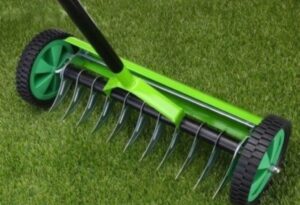
The core question, can i aerate lawn with sprinkler system, often arises because people want to simplify their lawn care routine. Direct integration isn’t usually possible. You can’t just attach an aerator to your sprinklers. However, you can use your sprinkler system to prepare your lawn for aeration and care for your lawn after aeration. Understanding the limits and possibilities can help you care for your lawn. Aeration and your sprinkler system can work together to give you a green lawn. It is about understanding what you can and cannot do.
Using Sprinklers Before Aeration
Your sprinkler system plays a supporting role before aeration. It is key to make sure the soil is moist. It’s best to aerate when the ground isn’t dry. Watering your lawn a few days before aeration softens the soil. This makes it easier for the aerator to penetrate. Dry soil is harder to aerate. The aerator can also struggle to remove soil cores. The right amount of moisture ensures effective aeration. Your sprinkler system is important for creating the right conditions. This makes the aeration process more effective and gives better results. The goal is to get the best out of your efforts.
- Watering Schedule: Water your lawn deeply a couple of days before aeration. This softens the soil. This allows the aerator to penetrate the soil easier.
- Moisture Level: The soil should be damp. This makes it easier for the aerator to pull out the soil plugs. Dry soil can be too hard to aerate.
- Preventative Measures: Make sure there are no leaks or clogs in your sprinkler system. It ensures that the water is evenly distributed.
- Timing: Do not aerate immediately after heavy rainfall. Wait until the soil drains some of the excess water.
- Monitoring: Keep an eye on the weather forecast. Avoid aerating if heavy rain is expected soon.
For example, if the weather is warm and dry, run your sprinklers for a longer duration a few days before aerating. This way, the soil gets good and moist. Another example involves a lawn that’s been neglected and is very dry. The sprinkler system can be used to rehydrate the soil to make aeration easier. The goal is to give your grass the best opportunity.
Post-Aeration Care Using Your Sprinkler System
After aerating your lawn, your sprinkler system is extremely important for recovery. Watering the lawn immediately after aeration is crucial. It helps to settle the soil around the grass roots and allows the new holes to receive water. Then, your sprinkler system helps deliver nutrients. This helps new grass seeds or fertilizer get to the roots. Proper watering helps the lawn recover quickly. It supports healthy root growth. Regular watering after aeration ensures the aeration benefits can be seen. This will give you a lush, green lawn. Proper aftercare using your sprinkler system can transform your lawn.
- Initial Watering: Water immediately after aerating to help settle the soil and reduce stress on the grass.
- Watering Schedule: Increase the frequency of watering. Water more often than usual in the first week. This allows the grass roots to establish in the new holes.
- Fertilizer Application: Use your sprinkler system to water in fertilizer after aeration. This lets the nutrients go into the soil.
- Seeding: If you are seeding after aeration, keep the soil damp. Water more often.
- Monitoring: Watch your lawn. Adjust your watering schedule based on weather.
Consider a lawn where you’ve spread grass seeds after aerating. Proper watering will keep the seeds moist. This encourages germination. Or, think about a lawn that has just been fertilized after aeration. Using the sprinkler system ensures the fertilizer gets deep into the soil. Both of these cases highlight the importance of the sprinkler system. It ensures a healthy lawn.
Tools and Techniques for Lawn Aeration
To effectively aerate your lawn, you’ll need the proper tools and know the correct techniques. The main tool for core aeration is a core aerator. It can be a walk-behind machine or a tow-behind model. For spike aeration, you can use aerating shoes or a manual aerator. Knowing how to use these tools and understanding the best techniques for your grass type is the key to healthy soil and a thriving lawn. It’s about more than just having the right equipment. Knowing the details is what matters.
Different Types of Aerators and Their Usage
There are many types of aerators, and each is suited for different lawn sizes and needs. Core aerators remove plugs of soil. They are best for compacted soil. You can buy or rent them. Spike aerators have solid tines. They puncture the soil. They are easier to use but less effective for soil compaction. Aerating shoes are a simple option for small areas. There are also tow-behind aerators for use with a tractor or riding mower. Choosing the right aerator depends on your lawn’s needs. Consider the size of your yard, the level of compaction, and your budget when choosing. Knowing your options means you can get the best results.
- Core Aerators: These machines remove plugs of soil. They are effective for dealing with heavy compaction. Core aerators are a good choice if you have clay soil.
- Spike Aerators: These use solid tines to poke holes. They are less effective but easier to use. They may be useful for lawns with lighter compaction issues.
- Manual Aerators: For smaller lawns, manual aerators are available. These are pushed or stepped on to create the holes.
- Aerating Shoes: These shoes have spikes on the bottom. They are another option for small areas.
- Tow-Behind Aerators: These attach to a riding mower or tractor. They are helpful for large lawns.
A homeowner with a large yard and severe compaction may need a core aerator. Or, a homeowner with a small yard with minor compaction issues may find aerating shoes to be sufficient. The choice of aerator depends on your lawn’s specific needs and size. Choose the best tool to give you a green lawn.
Techniques for Effective Lawn Aeration
Correct aeration techniques are essential for successful results. Before aerating, it’s key to know when to do it. The best time is during the growing season. This varies depending on your grass type. Aerate the lawn when the soil is moist. It makes the aeration easier and the removal of soil cores more effective. Make multiple passes with the aerator to ensure the entire lawn is treated. Overlap your passes slightly to avoid gaps. After aeration, water deeply and apply fertilizer. This will help your lawn recover and thrive. Taking the time to master these techniques ensures a healthier lawn.
- Timing: Aerate during the growing season. This allows the grass to quickly recover. The best time varies based on the grass type.
- Soil Moisture: Aerate when the soil is damp. Moist soil makes it easier to remove soil plugs.
- Multiple Passes: Make multiple passes over your lawn with the aerator. Be sure to cover the entire area.
- Overlap: Overlap your passes slightly. This ensures that the whole lawn is aerated and avoids missed spots.
- Aftercare: Water the lawn after aeration. Also, fertilize to provide nutrients for recovery and growth.
If you live in a warm climate with Bermuda grass, aerate in late spring or early summer, during its growing season. For cool-season grasses like Kentucky bluegrass, aerate in early spring or fall. In addition, it’s better to aerate when the soil is damp. Watering before is a great way to make sure the soil is moist. These are key for ensuring the health of the lawn.
| Technique | Description | Impact |
|---|---|---|
| Proper Timing | Aerate during the growing season for your grass type. | Allows for faster recovery and better results. |
| Moist Soil | Water the lawn a few days before aerating. | Makes aeration easier. Improves core removal. |
| Multiple Passes | Make several passes, changing directions. | Ensures complete aeration. No bare spots. |
| Overlapping | Overlap each pass slightly. | Prevents missed areas. Makes aeration even. |
| Aftercare | Water and fertilize after aeration. | Supports recovery, nutrient intake, and growth. |
Frequently Asked Questions
Question: Is it safe to aerate my lawn if I have underground sprinkler lines?
Answer: It’s important to know the layout of your sprinkler system before aerating to avoid damaging the pipes. Call your local utility company to locate underground lines.
Question: How often should I aerate my lawn?
Answer: This depends on your soil type and how much your lawn is used. In general, aerate once or twice a year, especially for clay soils or high-traffic areas.
Question: Can I aerate my lawn myself, or should I hire a professional?
Answer: If you have a small lawn, you can rent an aerator and do it yourself. For larger lawns, or if you’re not confident, hiring a professional might be a better idea.
Question: What’s the best time of year to aerate my lawn?
Answer: The best time is during the active growing season for your grass type. For cool-season grasses, it’s usually in early spring or fall. For warm-season grasses, it’s late spring or early summer.
Question: Should I fertilize my lawn after aerating?
Answer: Yes, fertilizing after aeration is beneficial. The fertilizer can reach the roots more easily, giving your grass a boost.
Final Thoughts
To sum things up, knowing the answer to can i aerate lawn with sprinkler system is an important part of lawn care. While you can’t attach an aerator to your sprinkler system, your sprinkler system is a great asset. You can use it before and after aeration to make it easier to work and to help your lawn recover. Making sure the soil is moist before aeration makes the process easier. Watering after aeration allows the grass to flourish. Choosing the right aeration method is equally important. By understanding these concepts and techniques, you are on the right track for a thriving lawn. Start today by reviewing your sprinkler system and planning when to aerate based on your grass type. You’ll be amazed at the difference it makes!