
Burying a garden hose might seem like a convenient way to hide unsightly hoses and streamline irrigation. However, improper installation can lead to kinks, cracks, or reduced water flow, causing costly damage over time.
Many homeowners are unsure whether their hoses are suitable for underground placement. Understanding the risks, material limitations, and proper installation techniques ensures durability and consistent water delivery.
Hose materials, soil type, and environmental conditions all influence how well a buried hose performs. According to the USDA, improperly installed underground irrigation systems account for thousands of dollars in annual repair costs due to leaks and system failures (USDA).
Protecting hoses from pressure, pests, and freeze-thaw cycles further preserves hose integrity. Proper planning and installation extend the life of the hose, maintain efficient irrigation, and prevent water loss.
Understanding Garden Hose Burial
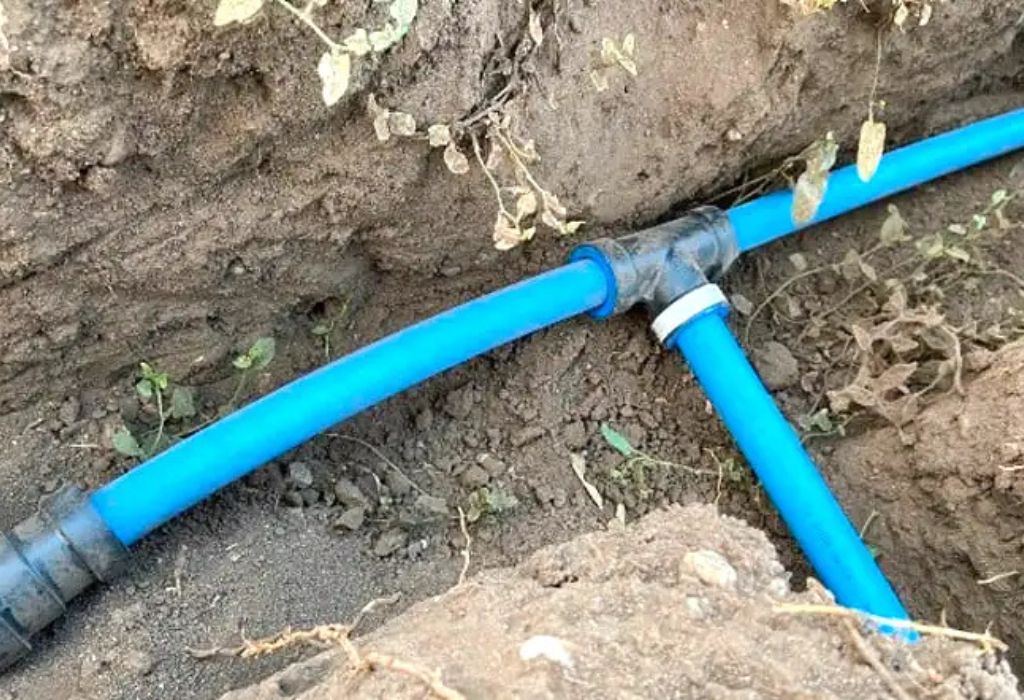
Burying a garden hose involves placing it underground for protection, aesthetic appeal, or irrigation efficiency. Properly installed hoses are shielded from UV exposure, weather, and accidental damage while maintaining consistent water flow.
Purpose of Buried Hoses includes hiding unsightly hoses in the landscape and protecting them from mechanical damage caused by lawn equipment or foot traffic. It also helps streamline irrigation systems, particularly in large gardens or drip irrigation setups.
Common Use Cases for buried hoses involve drip irrigation systems, seasonal underground storage, and long-term garden layouts requiring minimal visible infrastructure. By integrating hoses underground, homeowners achieve a cleaner appearance and enhanced watering efficiency.
Material Considerations are critical for underground placement. Only durable, flexible hoses such as rubber or frost-resistant varieties are suitable for burial, while PVC or vinyl hoses may require protective conduits to avoid cracking under soil pressure.
Environmental Factors like soil type, moisture content, and freeze-thaw cycles affect buried hose performance. Heavy clay soils, for instance, can exert additional pressure on hoses, increasing the risk of kinks or cracks.
Benefits of Proper Burial include prolonged hose lifespan, reduced maintenance, and consistent water delivery. Well-planned burial prevents damage, supports efficient irrigation, and reduces exposure to external hazards.
Understanding the purpose, use cases, and material considerations of buried hoses lays the foundation for safe installation. Homeowners who follow proper guidelines can optimize hose durability, protect underground infrastructure, and maintain reliable irrigation performance.
Hose Types Suitable for Burial
Selecting the right hose material is crucial for underground placement. Durability, flexibility, and resistance to soil pressure determine how well a hose performs when buried.
PVC and Vinyl Hoses are lightweight and affordable but less flexible in underground conditions. These hoses may require protective conduits to prevent cracking or kinking under soil weight.
Rubber Hoses offer superior flexibility and strength, making them ideal for burial. They can withstand pressure from soil and freeze-thaw cycles, reducing the risk of damage over time.
Drinking Water Safe Hoses are typically made from rubber or flexible plastics. They are suitable for potable irrigation systems, but homeowners should verify manufacturer guidelines for underground usage.
Metal Fittings and Reinforced Hoses provide additional durability. Metal connectors and hybrid hoses with reinforced layers prevent kinking and increase lifespan in underground installations.
Manufacturer Specifications should always be reviewed. Some hoses are explicitly labeled as frost-resistant or suitable for burial, while others are intended only for surface use and require protective measures if placed underground.
Benefits of Choosing the Right Hose include longer service life, consistent water flow, and reduced maintenance. Proper selection reduces the risk of cracks, leaks, and interruptions in irrigation performance.
By understanding which hose types are suitable for burial, homeowners can make informed choices for underground irrigation. Correct material selection ensures durability, efficient water delivery, and minimal risk of damage over time.
Risks of Improper Hose Burial
Incorrectly burying a garden hose can lead to significant problems, including reduced lifespan and water delivery issues. Awareness of these risks is essential to prevent costly repairs and maintain efficient irrigation.
Cracking and Splitting occur when hoses are subjected to excessive soil pressure or frozen water. PVC and vinyl hoses are particularly susceptible, while even rubber hoses can sustain damage if installation is poor.
Kinking or Restricted Flow can result from sharp bends or improper coiling in the trench. This reduces water pressure and compromises irrigation efficiency.
Damage from Lawn Equipment and Pests is another concern. Exposed or shallow hoses are prone to accidental cuts, punctures, or rodent activity, leading to leaks or total hose failure.
Reduced Hose Lifespan often follows repeated stress, improper soil compaction, or neglect during installation. Without proper protection, underground hoses may need replacement far sooner than expected.
Water Loss and Inefficient Irrigation can result from leaks caused by cracks or damaged fittings. This not only wastes water but also affects plant health and irrigation reliability.
Environmental Considerations such as soil type, moisture levels, and freeze-thaw cycles exacerbate risks. Heavy clay soils or areas with frequent temperature fluctuations increase the potential for hose damage.
Understanding the risks of improper hose burial allows homeowners to implement effective preventive measures. Proper installation, material selection, and protective strategies minimize damage, maintain water flow, and extend hose durability.
Step-by-Step Guide to Burying a Garden Hose
Proper installation is critical to ensure a buried garden hose performs efficiently and lasts for years. Following a systematic approach reduces risks of kinking, cracking, or restricted water flow.
Step 1: Planning Layout and Depth involves mapping the hose route and determining trench depth. Typically, hoses are buried 6–12 inches underground for protection while remaining accessible for maintenance.
Step 2: Digging the Trench requires careful excavation to avoid sharp bends. Ensure the trench is smooth and consistent to prevent stress points on the hose.
Step 3: Placing the Hose and Using Protective Tubing provides added durability. Protective conduits or sleeves are recommended for PVC hoses or areas with heavy soil pressure.
Step 4: Backfilling and Compacting Soil stabilizes the hose and minimizes movement. Gently compact soil around the hose while avoiding sharp stones or debris that could puncture it.
Step 5: Connecting to Spigots or Irrigation Systems completes the installation. Secure fittings with Teflon tape or plumber’s sealant to prevent leaks and ensure consistent water flow.
Step 6: Testing the System ensures proper water distribution. Turn on the water gradually, inspect all connections for leaks, and check pressure throughout the hose.
Step 7: Seasonal Maintenance Considerations include flushing hoses before winter, inspecting for cracks, and ensuring frost-resistant measures if in cold climates. Proper attention during seasonal transitions extends hose life.
Following these steps guarantees a safe and durable buried hose installation. Systematic planning, careful placement, and protective measures ensure long-lasting performance, efficient irrigation, and minimal maintenance needs.
Maintenance Tips for Buried Hoses
Regular maintenance ensures buried garden hoses continue to function efficiently and last for years. Proper care reduces the risk of leaks, blockages, and water flow issues.
Inspect Hose Ends and Exposed Fittings periodically. Check for cracks, corrosion, or loose connections that could compromise water delivery.
Flush Hoses Regularly to prevent sediment buildup and blockages. Running water through the hose helps maintain consistent flow and reduces pressure on the hose material.
Monitor Water Pressure for any inconsistencies. Drops in pressure may indicate a leak or partial blockage, requiring inspection or repair.
Seasonal Checks Before and After Winter are critical in colder climates. Drain hoses completely, inspect for freeze damage, and ensure frost-resistant measures are in place before burying them again.
Protect Hose Routes from Pests and Debris by checking for burrowing animals or sharp objects in the soil. Rodents and sharp stones can puncture hoses over time if not monitored.
Replace Damaged Sections Promptly to prevent water loss and maintain efficient irrigation. Even small cracks or leaks can reduce performance and increase water waste.
By following these maintenance practices, homeowners can maximize the lifespan and reliability of buried hoses. Routine inspection, flushing, and seasonal care ensure efficient water delivery and prevent costly repairs.
Alternatives to Burying Hoses
Burying a garden hose is not the only option for protecting it and maintaining efficient irrigation. Several alternative methods offer safety, convenience, and durability without full underground installation.
Surface Placement with Mulch or Soil Cover protects hoses from sunlight, foot traffic, and minor mechanical damage. Covering hoses with mulch also helps regulate temperature and prevents UV degradation.
Hose Reels for Seasonal Storage provide organized storage above ground. Reels allow hoses to be coiled neatly, reducing kinks and minimizing exposure to elements during off-season periods.
PVC or Protective Conduits for Semi-Buried Hoses offer a compromise between full burial and surface placement. Conduits shield hoses from soil pressure and potential punctures while allowing easier access for maintenance.
Portable Irrigation Systems such as drip lines or soaker hoses can be used temporarily during watering periods. These systems avoid long-term underground exposure and simplify setup and removal.
Indoor or Shed Storage During Winter reduces the risk of freezing for hoses in colder climates. Removing hoses from harsh conditions prevents cracks and maintains hose flexibility for longer use.
Planning Hose Layout with gentle curves and avoiding sharp bends minimizes stress and extends hose lifespan. Even above-ground hoses benefit from careful routing to prevent kinks and blockages.
By considering these alternatives, homeowners can achieve efficient irrigation while reducing the risks associated with fully buried hoses. Proper planning and protective measures ensure hose durability, ease of maintenance, and reliable water delivery.
Common Myths About Burying Hoses
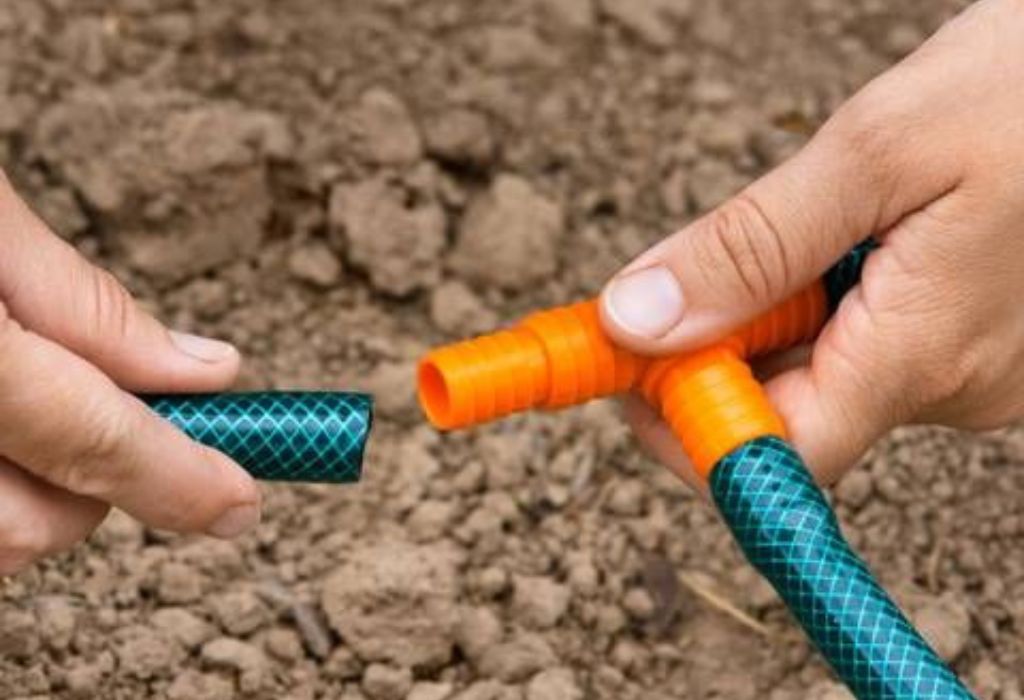
Several misconceptions exist regarding the burial of garden hoses. Understanding the facts helps homeowners avoid costly mistakes and maintain efficient irrigation.
Myth 1: All Hoses Can Be Buried Without Issue
Not all hoses are suitable for underground placement. PVC and vinyl hoses are more likely to crack under soil pressure, while only durable rubber or frost-resistant hoses are recommended.
Myth 2: Buried Hoses Never Need Maintenance
Even buried hoses require periodic inspection. Leaks, blockages, and wear can occur over time, especially at connections and exposed ends.
Myth 3: Protective Conduits Are Unnecessary
Protective sleeves or conduits are important for PVC hoses or shallow installations. They reduce stress from soil pressure and prevent accidental punctures.
Myth 4: Buried Hoses Are Immune to Pests
Rodents and insects can damage hoses underground. Proper placement and occasional inspection minimize the risk of chewing or punctures.
Myth 5: Burial Guarantees Longer Lifespan
While burial can protect hoses from UV exposure, improper installation or unsuitable materials still lead to cracks, kinks, or reduced performance. Correct material selection and installation practices are key.
Dispel these myths by understanding hose materials, proper installation, and maintenance requirements. Homeowners who follow accurate guidance can achieve durable, reliable, and efficient underground irrigation.
Conclusion
Burying a garden hose can protect it from UV damage, weather, and mechanical stress while improving irrigation efficiency. However, proper material selection, installation, and maintenance are essential to prevent cracks, kinks, and water flow issues.
Durable hoses such as rubber or frost-resistant types are best suited for underground placement. PVC or vinyl hoses may require protective conduits to avoid soil pressure damage. Planning the layout, trench depth, and gentle curves ensures long-term performance and reduces maintenance needs.
Regular inspection, flushing, and seasonal care maintain hose durability and consistent water delivery. Alternative strategies such as surface placement with mulch, hose reels, or protective conduits provide additional protection without full burial.
Dispelling common myths about hose burial helps homeowners make informed decisions and avoid unnecessary damage. Awareness of material limitations, soil conditions, and pests ensures efficient and reliable irrigation systems.
By following these recommendations, gardeners can achieve a durable, long-lasting underground hose setup. Proper planning and care transform a simple garden hose into a reliable component of any irrigation system, ensuring water efficiency and minimal maintenance over time.

I’m Maya L. Greenwood, a lifelong plant lover who believes anyone can grow something beautiful with the right guidance. After years of testing soil mixes, pruning methods, irrigation tricks, and pest-safe solutions, I started EasyGardenTips.com to turn hard-won lessons into step-by-step advice. From seed starting and container gardens to composting and seasonal checklists, my goal is to make gardening simple, sustainable, and fun.