
You’re halfway through mowing your lawn on a warm Sunday morning when suddenly, your electric mower begins to slow down. The blades lose strength, the grass starts clumping, and then it stops completely. You look down at the battery and wonder — was it the voltage?
For many homeowners, choosing the right voltage for an electric lawn mower feels confusing. Some models boast 40V batteries, others 60V or even 80V, but what do these numbers really mean? The truth is that voltage determines how powerful your mower feels and how long it keeps cutting before recharging.
Too little voltage, and your mower struggles with thick or damp grass. Too much, and you might spend more money than necessary on energy and battery capacity you’ll rarely use.
In this detailed guide, you’ll learn exactly how voltage affects your mower’s power, torque, and runtime — plus which voltage range best fits your garden size and mowing routine. Let’s dive into the science behind those numbers and find the perfect power level for your electric mower.
Understanding Voltage in Electric Lawn Mowers

Voltage is the measure of electrical potential that powers the mower’s motor. The higher the voltage, the greater the energy delivered to spin the blades and cut grass efficiently.
Simply put, voltage equals strength. A 40-volt mower has more cutting torque than a 20-volt one, meaning it can handle thicker or damp grass without slowing down.
However, voltage alone doesn’t tell the full story. The other key factor is amp-hours, which represents how much energy the battery stores. Multiply volts by amp-hours, and you get watt-hours — the total capacity available for mowing.
Modern mowers range between 18V and 120V depending on design and purpose. Entry-level models are ideal for small gardens, while high-voltage machines are built for demanding, large-area mowing.
What does voltage mean in a mower?
It measures the electrical power driving the motor.
Is higher voltage always better?
Not necessarily. It gives more torque but also increases cost and weight.
What’s the difference between volts and amp-hours?
Volts determine power. Amp-hours determine how long that power lasts.
Does voltage affect battery life?
Indirectly. High-voltage systems draw more current and can shorten runtime.
Why do some models use two batteries?
Dual packs increase voltage or capacity for extended cutting time.
Common Voltage Ranges for Electric Lawn Mowers
Electric lawn mowers come in several voltage classes suited to different garden sizes.
18V–24V models are lightweight and perfect for small lawns under 200 square metres. They’re quiet, compact, and easy to manoeuvre but not ideal for thick grass.
36V–40V is the most common residential range, offering good balance between weight, power, and runtime. These can handle medium lawns with average grass density.
56V–60V systems are high-performance cordless mowers used by homeowners who want petrol-like power without the maintenance.
Finally, 80V–120V models are designed for large or commercial gardens. They deliver outstanding torque and runtime but are heavier and more expensive.
Is 18V enough for small gardens?
Yes, for short, dry grass and quick trims.
What voltage do most people use?
36V–60V covers the majority of homeowners.
What’s the strongest available voltage?
Some commercial models reach 120V systems.
Are 80V mowers overkill?
Only if you have a small garden — they’re meant for big areas.
Do voltage levels affect weight?
Yes, higher voltage means larger batteries and heavier frames.
How Voltage Impacts Mower Power and Cutting Performance
Voltage directly influences how the blades spin and how effectively they cut through different grass conditions.
Higher voltage means higher torque — the twisting force that keeps blades spinning at speed even under resistance. A 60V mower cuts through thick, damp grass far more smoothly than a 36V unit.
However, excessive voltage doesn’t always equal better results. If your lawn is small and well kept, a mid-range voltage mower delivers excellent performance without unnecessary power draw.
It’s also worth noting that brushless motors make better use of voltage. They deliver more efficient energy transfer, reducing power waste and vibration while extending motor life.
Does higher voltage increase speed?
Yes, it spins the blades faster and more consistently.
Can low-voltage mowers handle wet grass?
Not well — they tend to stall or leave uneven patches.
Does motor type affect efficiency?
Brushless motors use voltage more effectively than brushed ones.
Why does my mower slow in thick grass?
The motor is overloaded and voltage drops under heavy resistance.
What’s best for tough grass?
At least 56V with sharp blades and regular mowing.
Voltage and Runtime — Finding the Balance
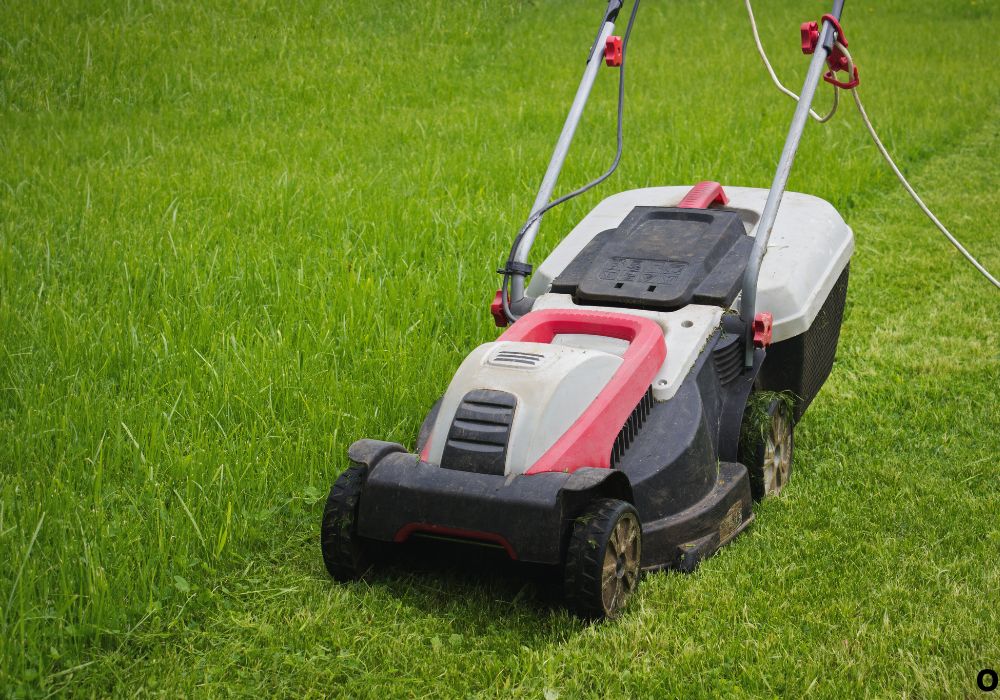
Finding the ideal balance between voltage and runtime is the key to mowing efficiently.
While high voltage improves cutting strength, it can also drain the battery faster. Runtime depends on total energy, which equals volts multiplied by amp-hours. A 40V 5Ah battery provides roughly 200 watt-hours, while a 60V 7.5Ah battery gives around 450 watt-hours.
For example, a 40V mower might run 45–50 minutes per charge, while a 60V version could last up to 90 minutes under similar conditions. Yet if you mow light grass weekly, you may never need the higher capacity.
Manufacturers design eco modes to reduce power output for lighter cuts, preserving runtime without sacrificing blade speed.
Does higher voltage increase runtime?
Not automatically. It boosts power but can drain the battery faster.
How can I extend mowing time?
Use eco settings, mow regularly, and keep blades sharp.
Do dual-battery systems help?
Yes, they double runtime or allow swapping midway.
Why do batteries drain faster in heat?
Temperature affects lithium chemistry, reducing efficiency.
Does mower size affect runtime?
Yes, larger cutting decks draw more power.
Matching Voltage to Lawn Size and Grass Type
The right voltage depends largely on your lawn’s size and the density of the grass.
Small Lawns (under 200 m²): 18V–24V mowers are perfect for small city gardens. They’re light, quiet, and easy to store.
Medium Lawns (200–500 m²): 36V–40V mowers offer balanced runtime and power for typical suburban gardens.
Large Lawns (500–1,000 m²): 56V–60V models provide strong cutting force and extended runtime for thicker or uneven grass.
Extra-Large Lawns (1,000+ m²): 80V or higher models are built for endurance, capable of running 90 minutes or more without bogging down.
What voltage suits small gardens?
18V–24V is ideal for lightweight trimming.
Is 40V enough for medium lawns?
Yes, it balances efficiency and torque well.
Can 60V handle thick grass?
Easily, especially with a brushless motor.
Are 80V systems too much for small lawns?
Yes, they’re heavier and not needed for short grass.
Which voltage works best for hilly gardens?
60V or more for consistent torque on slopes.
Comparing 40V vs 60V vs 80V Electric Lawn Mowers
Comparing the most common voltage categories reveals clear performance and cost differences.
40V mowers provide good power for average lawns and are generally lightweight. They’re affordable and have modest battery prices, ideal for regular weekly mowing.
60V mowers deliver near-petrol performance with better torque, handling thick or wet grass easily. They suit medium to large properties needing longer sessions.
80V mowers are professional-grade machines with exceptional runtime and cutting force. However, they’re heavier, louder, and more expensive.
| Feature | 40V | 60V | 80V |
| Power | Moderate | High | Very High |
| Runtime | 45–60 min | 60–90 min | 90–120 min |
| Lawn Size | Small–Medium | Medium–Large | Large–Commercial |
| Weight | Light | Moderate | Heavy |
Which gives the best value?
60V mowers balance price and power perfectly.
Do 80V mowers cut faster?
Yes, but they’re heavier and costlier.
Is 40V too weak for thick grass?
It may struggle in dense or wet patches.
Does higher voltage affect weight?
Yes, large batteries increase total weight.
Which should I buy for future proofing?
A 60V system with interchangeable batteries.
Factors That Affect Real-World Power and Runtime
Even with the right voltage, other variables can influence how long your mower runs and how efficiently it cuts.
Cutting height and blade condition play major roles. Dull blades demand more energy, reducing efficiency. Mowing less frequently also forces the motor to work harder, especially on overgrown grass.
Weather and temperature matter too. Cold or hot days affect lithium-ion chemistry, changing discharge rates. Similarly, rough terrain or steep slopes make the mower draw more current.
Keeping the deck clean and the wheels lubricated can improve energy efficiency by up to 15 per cent.
Does thick grass drain batteries faster?
Yes, it increases resistance and power draw.
Do dull blades waste power?
Absolutely. Sharp blades save energy and time.
Does heat reduce performance?
Yes, extreme temperatures shorten runtime.
Should I mow weekly for efficiency?
Yes, consistent mowing prevents overloading.
Can wheel friction affect power use?
Yes, clean and lubricated wheels improve runtime.
Battery Capacity and Charging Tips for Maximum Efficiency
Voltage determines power, but capacity determines endurance. Choosing the right combination makes a noticeable difference.
A 5Ah battery on a 40V mower offers about 200 watt-hours, while a 7.5Ah on a 60V unit offers roughly 450 watt-hours. Always check both numbers to estimate total runtime.
Use the original charger and avoid leaving batteries connected after full charge. Overcharging creates heat and reduces long-term capacity. If you mow large lawns, consider owning two batteries to swap mid-session.
During storage, keep batteries around half charged and at room temperature to preserve health.
Should I charge after every mow?
Yes, partial top-ups are better than full drains.
Can overcharging harm batteries?
Yes, even smart chargers generate heat over time.
How long does charging take?
Between 30 minutes and two hours depending on size.
Do larger batteries last longer?
Yes, but they’re heavier and take longer to charge.
Is fast charging safe?
Yes, if you use the manufacturer’s approved charger.
Choosing the Right Voltage for Your Needs
Your ideal voltage depends on lawn size, grass type, and mowing habits.
If you mow weekly and your garden is average in size, a 40V or 56V mower will perform well without overspending. For large, dense lawns, go with 60V or 80V models to maintain constant torque and reduce recharge breaks.
Also consider availability of compatible batteries. Some brands share battery systems across multiple tools, offering better flexibility and savings.
Lastly, ensure the mower you choose has a brushless motor — it optimises voltage use and enhances both runtime and reliability.
What voltage is best for most users?
36V–60V is ideal for most residential gardens.
Is higher voltage worth paying for?
Only if you regularly cut large or thick areas.
Do higher volts mean faster charging?
Not always — charger design matters more.
Are battery ecosystems important?
Yes, shared systems save money across tools.
Can I upgrade voltage later?
Only if your mower brand supports multiple ranges.
Future of Electric Mower Voltage Technology
Battery technology continues to evolve, bringing more power without heavier weight.
Next-generation mowers will use improved lithium chemistry and smart power management to deliver longer runtime at mid-range voltages. Solid-state batteries are expected to double capacity while reducing charge times dramatically.
Manufacturers are also adding sensors that automatically adjust torque based on grass thickness. This ensures energy efficiency regardless of conditions.
The future lies not just in higher voltage but in smarter voltage control. Soon, even 40V systems may perform like today’s 60V units thanks to these advancements.
Will future mowers have higher voltage?
Possibly, but efficiency will matter more than raw power.
Are smart batteries reliable?
Yes, they monitor temperature and balance energy use.
Will charging become faster?
Yes, new cells can charge to 80% in under 30 minutes.
Do new motors use less power?
Brushless designs continue to get more efficient.
Will mid-range mowers perform better soon?
Yes, thanks to smarter energy management systems.
Conclusion
Choosing the right voltage for your electric lawn mower isn’t about picking the biggest number on the box — it’s about balance.
High voltage brings extra torque and strength for dense or damp grass, but mid-range voltages offer excellent runtime, lighter weight, and better efficiency for most homeowners.
For most gardens, 36V to 60V remains the sweet spot for power and runtime. Pair that with a well-maintained battery, sharp blades, and regular mowing habits, and you’ll achieve professional results without the noise or fumes of petrol.
The best voltage is the one that suits your garden, your schedule, and your comfort. Get that right, and every mow becomes smoother, quicker, and effortlessly efficient.

I’m Maya L. Greenwood, a lifelong plant lover who believes anyone can grow something beautiful with the right guidance. After years of testing soil mixes, pruning methods, irrigation tricks, and pest-safe solutions, I started EasyGardenTips.com to turn hard-won lessons into step-by-step advice. From seed starting and container gardens to composting and seasonal checklists, my goal is to make gardening simple, sustainable, and fun.