
The idea of “worth it” goes beyond just the price tag — it’s about the value an electric mower brings to your lifestyle, time, and environment. For some, it’s about cutting down on fuel costs, while for others, it’s about enjoying a quiet, low-maintenance experience.
Electric mowers are designed to simplify lawn care. They start instantly, don’t require pulling cords, and operate without fumes or noise. For homeowners who value convenience, these features alone make them worth considering.
But worth also depends on how much mowing you do. If you maintain a small or medium yard, an electric mower delivers everything you need with minimal upkeep. You’ll save on gas, oil, and routine maintenance while enjoying smooth, consistent performance.
For those with large or heavily overgrown lawns, “worth it” may hinge on runtime and power. High-voltage models and dual-battery systems can handle more demanding work, but may cost more initially.
Ultimately, “worth it” is subjective — it’s about efficiency, peace of mind, and sustainability. If you want a cleaner, quieter, and more effortless mowing experience, an electric mower is a worthwhile investment that aligns both with modern convenience and eco-conscious living.
Cost Comparison: Electric vs Gas Mowers
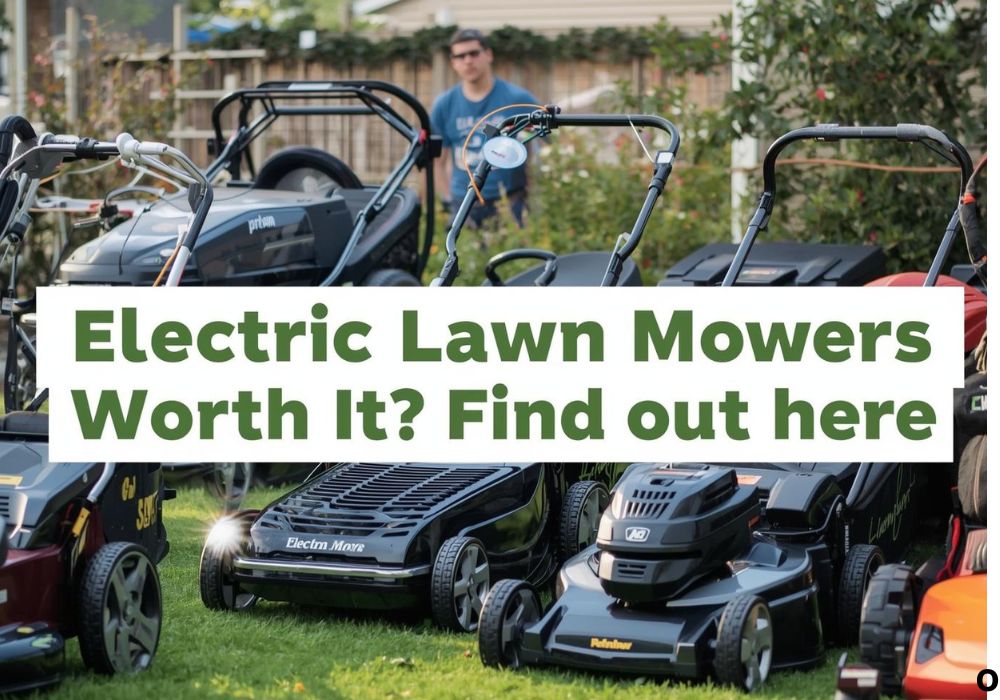
Price often plays a major role in deciding between electric and gas mowers. At first glance, electric mowers may seem pricier — but a closer look tells a different story.
Gas mowers typically cost less upfront, averaging around $250–$400. Electric mowers, especially cordless models, usually start at $350 and can reach $600 for premium versions. However, electric mowers eliminate fuel, oil, and maintenance expenses entirely.
Fuel alone can cost over $50 per year for an average homeowner. Add oil changes, spark plugs, filters, and tune-ups, and annual upkeep quickly adds up. Electric mowers require none of these. Charging a battery costs mere cents per session and requires almost no maintenance.
Over several years, these savings become substantial. Even when factoring in battery replacement every 4–5 years, total ownership costs for electric mowers are often 30–40% lower than for gas equivalents.
Plus, electric mowers don’t suffer from fuel price fluctuations or storage issues. There’s no gas smell, no messy refilling, and no need for winter stabilization.
When you consider long-term value rather than just initial cost, electric mowers prove more affordable, reliable, and sustainable — making them a smarter investment for both your budget and the environment.
Performance and Power: How Electric Mowers Measure Up
Modern electric mowers have come a long way from early models. They now deliver impressive torque, consistent cutting power, and clean performance that rivals many gas engines.
Most cordless electric mowers operate between 36V and 80V, using brushless motors that adjust automatically to grass density. This technology boosts efficiency and extends battery life. As the blades encounter thicker grass, power increases to maintain cutting speed.
For average residential lawns, this adaptive power is more than enough. You can mow dense patches, wet grass, or uneven terrain with minimal slowdown. Premium models even feature self-propulsion for easier maneuvering.
Where gas still wins is endurance. Electric mowers usually run 30–60 minutes per charge, depending on battery size and cutting height. Larger lawns may require spare batteries or short recharging breaks.
However, advances in battery design — like dual-battery systems — now offer up to 90 minutes of uninterrupted runtime. With these improvements, electric mowers bridge the gap in power while offering smoother, quieter, and emission-free performance.
For most suburban homeowners, modern electric mowers easily meet — and often exceed — everyday mowing needs, proving that power doesn’t have to come from gasoline.
Maintenance, Running Costs & Longevity
Electric mowers are celebrated for their low-maintenance design. Unlike gas mowers that rely on combustion engines, electric models use simple, efficient motors with fewer parts that can wear out.
Maintenance involves only a few easy tasks: keeping blades sharp, cleaning the deck, and ensuring the battery stays charged and stored in moderate temperatures. These steps take minutes compared to the hours often spent maintaining gas equipment.
Over time, this simplicity pays off. There’s no fuel system to clean, no oil to change, and no spark plugs to replace. This not only saves time but also eliminates the environmental impact of fuel and oil waste.
Battery longevity is typically three to five years, depending on care. Charging correctly, avoiding deep discharges, and storing batteries in dry conditions help them last longer. Replacements cost about $100–$200 but come after years of savings on maintenance.
Most electric mowers last between 8–10 years with regular use. Because the motor has fewer friction points, wear is minimal. Combined with minimal operating costs, this long lifespan makes electric mowers a truly cost-efficient choice for homeowners seeking long-term reliability and easy upkeep.
Yard Size & Terrain: Which Situations Electric Mowers Fit Best
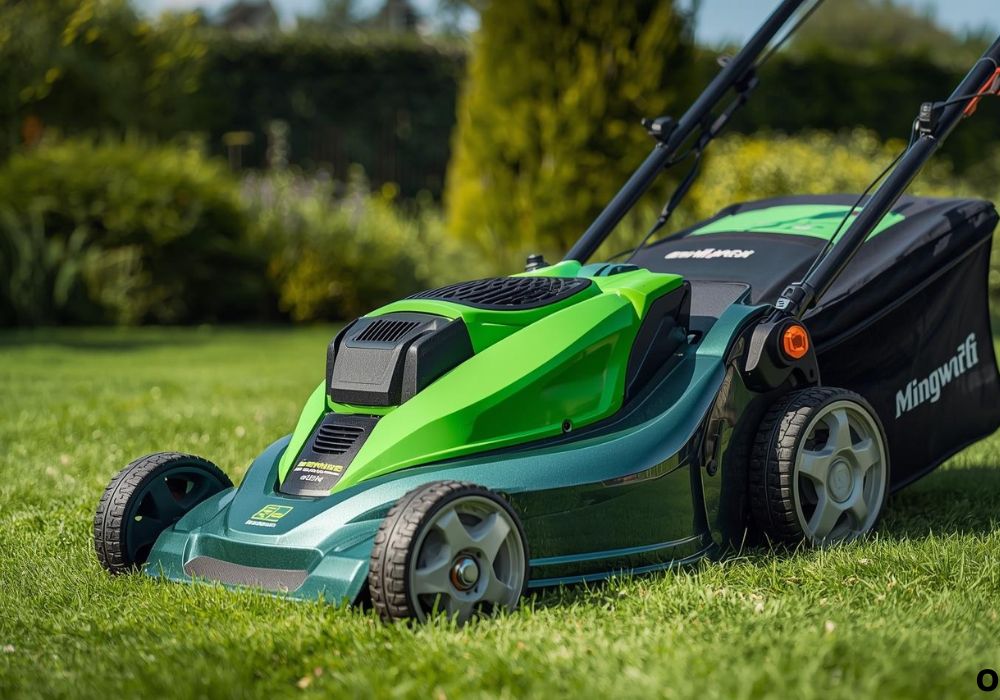
Not every yard requires the same type of mower, and electric models perform best under specific conditions.
If you have a small or medium-sized yard (under 1/3 acre), an electric mower is nearly perfect. One full battery charge usually provides enough runtime to mow your entire space efficiently.
Corded electric mowers are great for smaller lawns with nearby outlets, offering unlimited runtime and consistent power. Cordless models, meanwhile, provide freedom of movement — ideal for suburban lawns with garden beds, trees, or pathways.
Flat lawns are where electric mowers excel. Their lightweight design and easy handling make mowing faster and more comfortable. For uneven terrain, self-propelled models help reduce fatigue and maintain steady speed.
However, steep or large properties may push battery limits. Homeowners with expansive yards might prefer models that allow dual batteries or swappable packs for continuous mowing.
Ultimately, the best setup depends on your property. For average residential spaces, electric mowers deliver more than enough capability — combining mobility, power, and quiet operation without the mess or hassle of fuel engines.
Limitations and When They May Not Be Worth It
While electric lawn mowers have many strengths, they’re not ideal for every scenario.
Battery life remains the most common limitation. Most models provide 45–60 minutes of runtime, which may not cover large lawns in a single session. Buying extra batteries helps, but increases the initial cost.
Power output also has limits. While modern brushless motors are efficient, they can struggle with thick, damp, or tall grass. This sometimes requires multiple passes to achieve a clean cut.
Corded mowers can feel restrictive on bigger lawns. Managing long cords around trees, fences, or slopes can become tedious and potentially unsafe.
Another factor is battery degradation. After a few years, batteries lose capacity and need replacement. Though this is cheaper than gas maintenance, it’s still an expense.
Finally, for commercial use or very large rural properties, electric mowers can’t yet replace high-horsepower gas models designed for extended hours.
In short, electric mowers are incredibly efficient for most residential lawns, but less practical for very large or rugged terrains where continuous power and endurance are top priorities.
How to Decide If One Is Worth It for You
Choosing whether an electric mower is worth it comes down to understanding your yard, habits, and goals.
Start by measuring your lawn’s size. For spaces under 10,000 square feet, a single battery mower will likely complete the job efficiently. If your property is larger, consider dual-battery or hybrid options to extend runtime.
Next, think about convenience. If you dread fuel refills, loud noise, and regular tune-ups, electric mowers provide instant relief. The ease of a push-button start and quiet operation can transform mowing from a chore into a calm routine.
Budget also matters. While electric mowers cost more initially, they pay back quickly in lower maintenance and operating expenses.
Finally, consider your environmental values. Electric mowers produce zero emissions during use and consume minimal electricity compared to fossil fuels.
If your priorities include quiet operation, low upkeep, and eco-friendly performance, then an electric mower is not just worth it — it’s the smarter, long-term choice.
Everything You’ve Ever Wondered About Electric Lawn Mowers
Are electric lawn mowers powerful enough for thick grass?
Yes, modern electric mowers with brushless motors deliver impressive torque. High-voltage batteries automatically boost power when cutting thick or wet grass, ensuring a clean, even finish every time.
How long do electric mower batteries usually last?
Most batteries last between 3 to 5 years or around 500 charge cycles. Regular maintenance — such as charging after use and avoiding full discharges — helps extend their lifespan.
Can electric mowers handle large yards?
They can, but runtime limits may require a spare battery. For lawns over half an acre, dual-battery or high-capacity models offer the best results.
Are electric mowers cheaper to operate than gas ones?
Absolutely. Charging costs less than a dollar per session, and you eliminate expenses for fuel, oil, and spark plugs — saving hundreds annually.
How long can an electric mower run on a single charge?
Runtime varies by model and voltage. Most cordless mowers last 30–60 minutes per charge, while top-tier dual-battery systems can exceed 90 minutes.
Do electric lawn mowers need much maintenance?
Very little. You’ll only need to clean the deck, keep blades sharp, and care for the battery — no oil changes, spark plugs, or air filters required.
Are electric mowers safe to use in damp or wet conditions?
It’s best to avoid mowing wet grass. Moisture can reduce cutting performance, cause clumping, and, in extreme cases, damage electrical components.
How quiet are electric mowers compared to gas mowers?
Electric mowers are significantly quieter, averaging around 65–75 decibels. That’s about as loud as a conversation — making them neighborhood and hearing-friendly.
Can I mulch or bag with an electric mower?
Yes, most modern electric mowers include both mulching and bagging modes. Some even feature side-discharge options for flexible lawn maintenance.
Are electric mowers environmentally friendly?
Yes, they produce zero emissions during use and contribute to less noise pollution. They’re a cleaner, greener alternative to traditional fuel-powered machines.
How much does it cost to replace a mower battery?
Replacement batteries usually cost between $100 and $200, depending on the voltage and brand. Many manufacturers now offer warranties or trade-in discounts.
Can I use an extension cord with corded electric mowers?
Yes, but choose a heavy-duty outdoor cord rated for your mower’s power draw. Always keep the cord behind you to avoid cutting it accidentally.
Do electric mowers work well on uneven or hilly lawns?
Lightweight models make uphill mowing easier, and self-propelled versions maintain steady movement on slopes. However, for steep or rough terrain, a high-torque model is recommended.
What’s the biggest drawback of electric lawn mowers?
Limited runtime and battery replacement cost are the main concerns. Yet, advances in battery tech continue to minimize both issues every year.
Are electric lawn mowers worth buying in 2025?
Yes — absolutely. With advanced batteries, powerful motors, and low running costs, electric mowers now deliver excellent performance and long-term value for nearly all homeowners.
Conclusion
After decades of gas-powered dominance, electric lawn mowers have proven they’re more than a passing trend. They represent the future of efficient, sustainable yard care.
The combination of quiet operation, low maintenance, and zero emissions makes them ideal for modern homeowners who want both convenience and conscience.
Financially, they make sense. Over their lifespan, they save hundreds in fuel and maintenance costs, offering both immediate comfort and long-term value.
Performance-wise, electric mowers are no longer underdogs. With improved motors, advanced batteries, and adaptive technology, they match or surpass most gas models in reliability and ease of use.
The only real considerations are battery limits and large-lawn suitability. But with each new model year, technology continues to close these gaps.
If you value simplicity, sustainability, and savings, an electric lawn mower is absolutely worth the investment. It’s not just a tool — it’s a cleaner, smarter way to care for your lawn and the planet.

I’m Maya L. Greenwood, a lifelong plant lover who believes anyone can grow something beautiful with the right guidance. After years of testing soil mixes, pruning methods, irrigation tricks, and pest-safe solutions, I started EasyGardenTips.com to turn hard-won lessons into step-by-step advice. From seed starting and container gardens to composting and seasonal checklists, my goal is to make gardening simple, sustainable, and fun.