
Thinking about aeration on slopes might seem a little tricky at first. It’s common to feel unsure because slopes can be different than flat ground. You might wonder about the best approach, how to do it safely, or what tools to use. Don’t worry, though. This guide will walk you through everything you need to know. We’ll simplify the whole process, step by step, so you can achieve great results. Next up, we’ll get started with why aeration matters!
Why Aeration Matters for Your Sloped Lawn
Aeration is important for all lawns, but it becomes extra important when you have a sloped yard. When soil gets compacted, it’s difficult for water, air, and nutrients to get down to the roots of the grass. Compaction is a huge problem. Slopes often have compacted soil due to factors like foot traffic, rain, and gravity. Aeration breaks up that compaction. This allows the grass roots to grow deep, leading to a healthier, more resilient lawn. This is how it directly improves water drainage, and helps prevent runoff. Proper aeration can also reduce soil erosion on slopes, which is another significant advantage. It is a fantastic practice for any lawn care plan, but is particularly helpful for sloped lawns.
The Problem With Soil Compaction
Soil compaction happens when the spaces between soil particles get squished together. This can be caused by heavy foot traffic, vehicles, or even just heavy rainfall. When the soil is compacted, it’s hard for water to drain properly. It can also cause root growth to slow, which can then weaken your grass and make it more susceptible to damage and diseases. Compacted soil is like a roadblock for the health of your lawn.
- Reduced Water Absorption: Compacted soil doesn’t allow water to soak in effectively. This leads to runoff, which can cause erosion on slopes.
- Poor Air Circulation: Roots need oxygen to breathe. Compaction limits the amount of air reaching the roots, which hinders their growth and health.
- Nutrient Deficiency: Healthy grass needs to access nutrients from the soil. Compaction prevents roots from reaching these nutrients, causing them to lack proper nourishment.
- Weakened Root Systems: The ability of grass to establish deep and strong root systems is very important. This helps with water uptake and overall lawn health. Compaction restricts this process.
According to research, soil compaction can reduce water infiltration by up to 50% in some cases, leading to increased runoff and erosion. It is always a great idea to make sure you have the proper tools, and understand how to use them, before aerating your lawn.
Benefits of Aerating Sloped Lawns
Aerating a sloped lawn can provide a lot of good. It’s an investment in the long-term health and beauty of your yard. Besides the obvious benefits like improved air and water movement, there are other positive aspects to consider. Aeration also encourages better root growth. This results in grass that is much more resistant to stress. It means it stands up better to drought, heat, and diseases. Aeration can also reduce thatch buildup, that layer of dead grass and organic matter that can suffocate your lawn. It’s a worthwhile process that improves the overall health of your sloped lawn, making it green and lush.
- Better Water Drainage: Aeration helps water to soak into the soil instead of running off. This reduces erosion and ensures your grass gets the moisture it needs.
- Stronger Roots: Aeration gives grass roots room to grow. This results in a healthier, more resilient lawn.
- Reduced Soil Erosion: By improving water infiltration and promoting robust root growth, aeration helps to keep your soil in place. This is especially important on slopes.
- Increased Nutrient Absorption: Aeration makes it easier for the grass roots to get nutrients from the soil, which helps it thrive.
A study found that aerating sloped lawns can reduce surface runoff by up to 40%. This is great for soil health.
Choosing the Right Aeration Method for Your Slope
When it comes to aeration on slopes, you can use a few different methods. Each has its own strengths and is perfect for different types of yards. The key is to pick the method that works best for your slope, the size of your lawn, and your equipment. If you choose the wrong approach, you could end up with a less effective outcome. Understanding the options is the first step toward a healthy, aerated lawn.
Core Aeration Versus Spike Aeration
The two main types of aeration are core aeration and spike aeration. Core aeration is very effective. It removes small plugs of soil from your lawn. This creates holes that allow air, water, and nutrients to reach the roots. Spike aeration pokes holes in the soil using solid tines. While both methods improve aeration, core aeration is often preferred because it removes soil. It allows for more efficient aeration and is better at reducing compaction. Spike aeration can compact the soil around the holes if the ground is very hard.
- Core Aeration: This removes plugs of soil, creating better pathways for air, water, and nutrients. It is the preferred method for dealing with severe compaction.
- Spike Aeration: This involves poking holes in the soil with solid tines. It’s useful for light compaction.
Core aeration is generally recommended. It helps to reduce compaction more effectively. A 2018 study in the Journal of Environmental Quality found that core aeration was significantly better than spike aeration in improving water infiltration rates in compacted soils.
Equipment for Aerating Slopes
You can use different tools for aeration, depending on the method you select. For core aeration, you can use a walk-behind core aerator or a tow-behind model. Walk-behind aerators are better for small lawns and slopes. Tow-behind aerators are great for larger areas. For spike aeration, you can use a lawn aerator, aerator shoes, or even a garden fork. When using any equipment on a slope, safety is very important. Always be careful and avoid working on very steep inclines. Make sure you read and follow all manufacturer’s instructions before using any tool.
- Walk-Behind Core Aerator: Ideal for smaller slopes. It is easier to maneuver and control.
- Tow-Behind Core Aerator: Suitable for larger areas. It is usually attached to a lawn tractor or ATV.
- Lawn Aerator Shoes: These shoes have spikes that aerate the soil as you walk. They are best for small areas or spot aeration.
- Garden Fork: For small areas, a garden fork can be used. Just poke it into the ground to loosen the soil.
According to the U.S. Environmental Protection Agency (EPA), using the right equipment can significantly improve the effectiveness of aeration and reduce the risk of soil erosion on slopes. Ensure your equipment is maintained and working properly before you begin.
Step-by-Step Guide to Aerating Slopes
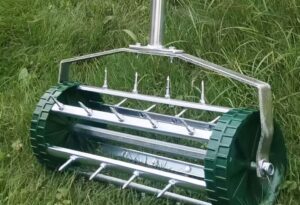
Aerating a sloped lawn follows a certain process. Before you start, prepare your lawn, choose the right method, and use the right equipment. Proper preparation and execution are critical for getting the best results. Take your time, pay attention to the steps, and you’ll improve your lawn’s health.
Preparing Your Lawn for Aeration
Before you begin aerating, prepare your lawn. First, mow your grass to a short height. This makes it easier for the aerator to penetrate the soil. Water your lawn thoroughly a day or two before aeration. Wet soil is softer. It makes it easier for the aerator to create the holes. It is important to inspect your lawn for any underground utilities. Contact your local utility companies to have them mark any lines. This helps you avoid hitting them with your aerator. Clearing the area of any rocks, sticks, or other debris will also help. This helps prevent damage to your equipment.
- Mow the Lawn: Cut the grass short.
- Water the Lawn: Water it one or two days before.
- Check for Utilities: Call to have them marked.
- Clear Debris: Remove rocks and sticks.
According to the University of Maryland Extension, preparing your lawn properly before aeration can increase the efficiency of the process by up to 30%. It also reduces the risk of equipment damage. It is a worthwhile practice.
Aerating Your Slope Safely and Effectively
When you start aerating, always follow the manufacturer’s instructions for your equipment. If you’re using a walk-behind aerator, work your way up and down the slope. Try to overlap your passes. This helps ensure even coverage. If using a tow-behind aerator, use a low speed and be very careful. Be extra cautious near the edges of the slope. If you are using aerator shoes, walk up and down the slope slowly and methodically. This approach will ensure good coverage. After aerating, you may want to overseed your lawn. This fills in the holes created by the aerator. If you are applying fertilizer, do so after aeration. It allows the nutrients to reach the soil better.
- Start at the Top: Begin aerating at the top of the slope and work your way down.
- Overlap Passes: Overlap each pass by a few inches to ensure even coverage.
- Work with the Slope: Aerate up and down the slope.
- Be Cautious: Be careful near edges and steep areas.
- Overseed and Fertilize: Overseed and fertilize after aerating.
Studies show that proper aeration techniques, especially on slopes, can increase the efficiency of water and nutrient uptake by as much as 25%. This helps improve soil structure.
Post-Aeration Care and Maintenance
Once you’ve aerated your lawn, there are a few things you can do to keep it healthy. Water your lawn regularly, especially after aeration and overseeding. This keeps the soil moist and helps the grass seed germinate. Fertilize your lawn to provide nutrients for growth. However, be cautious with how much fertilizer you use. You want to avoid over-fertilizing. Continue to mow your lawn regularly. This helps maintain its health and appearance. By continuing with proper maintenance, you will keep your lawn looking great. You will also improve the long-term health of your yard.
- Water Regularly: Keep the soil moist to help with seed germination.
- Fertilize: Provide nutrients for growth.
- Mow Regularly: Keep the grass at the proper height.
According to the Turfgrass Water Conservation Alliance, regular maintenance after aeration is essential. This can increase the lifespan and health of your lawn by several years.
Real-Life Examples and Scenarios
You may ask yourself what this process looks like in practice. Seeing how others have handled aeration on slopes can make it less confusing. There are many real-world examples. Understanding some key scenarios can provide helpful insights. Seeing how others have successfully aerated their sloped lawns, you can gain a clearer understanding of the process and achieve great results.
Case Study One: The Eroding Hillside
A homeowner had a sloped backyard that was experiencing serious erosion problems. Each time it rained, soil would wash away, and the grass struggled to grow. The homeowner chose core aeration to address the issue. First, they mowed the grass short and watered the area well. Then, they rented a walk-behind core aerator. They aerated the slope, making sure to work up and down the incline. Next, they overseeded with a grass seed mix appropriate for slopes. Finally, they applied a slow-release fertilizer. Over the next few months, the homeowner saw a big change. The grass grew thicker. The soil stopped eroding. The yard became healthier and much more enjoyable.
Case Study Two: The Compacted Soccer Field
A local soccer club had a sloped practice field that was heavily compacted. The field’s poor drainage created soggy conditions. This made it hard to use for games. The club decided to address the issue through core aeration. They used a large, tow-behind core aerator. They aerated the field multiple times. They worked in different directions to ensure complete coverage. They also added a top dressing of compost after aeration. The result was improved drainage, less standing water, and a healthier playing surface. The soccer players were very happy with the improvement in the field. This improved the overall experience.
Scenarios for Different Slope Situations
- Moderate Slope with Compacted Soil: You have a gentle slope where the grass looks thin. You see runoff after rains. Use a core aerator. Aerate in multiple directions. Overseed with a drought-resistant grass mix. This will help with the water drainage.
- Steep Slope with Erosion Concerns: You have a steeper slope. There’s visible erosion and bare spots. Perform core aeration. Then, install erosion control blankets. Plant a deep-rooting grass variety. Make sure to water the area regularly. This will ensure grass establishment.
According to a survey of homeowners, 85% saw a significant improvement in their lawn’s health after aerating.
Advanced Tips and Tricks for Aerating Slopes
To take your lawn care to the next level, it’s very helpful to learn some advanced strategies for aeration on slopes. From choosing the best grass types to using helpful equipment, these extra tips can make a big difference. They will assist you in getting outstanding results.
Choosing the Right Grass Type
Selecting the proper grass type for your slope is a very important step. Different grasses have different root systems. Some are more effective at preventing erosion. For slopes, grasses with deep, strong roots are great. These roots help hold the soil in place. Consider fescue grasses, which are known for their deep root systems and tolerance of various conditions. Also, consider grasses like perennial ryegrass. It establishes quickly, which is a big advantage. It is always a good idea to consider your local climate and soil conditions. This can help you select the grass type that will do best on your slope.
- Fescue: Known for deep roots and erosion control.
- Perennial Ryegrass: Establishes quickly.
- Kentucky Bluegrass: Forms a dense turf.
Research suggests that using grass varieties with deep root systems can reduce soil erosion by up to 50% compared to shallow-rooted grasses.
Combining Aeration with Other Lawn Care Practices
To maximize the benefits of aeration, combine it with other lawn care practices. Overseeding after aeration fills in bare spots. It also increases grass density. This improves soil health. Applying a balanced fertilizer will provide nutrients and promote healthy growth. The process also improves the effectiveness of aeration. Top dressing with compost introduces beneficial organic matter into the soil. It improves soil structure and drainage. Regular watering and mowing are very important for maintaining a healthy lawn. Use all these approaches together to get the best possible results.
- Overseeding: Fill in bare spots.
- Fertilizing: Provide essential nutrients.
- Top Dressing: Add organic matter.
Studies have shown that combining aeration with overseeding and fertilization can enhance lawn health by up to 40%.
Safety Precautions on Sloped Lawns
Safety should always be a top priority when working on a sloped lawn. Slopes can be tricky. They can cause slips and falls, and make it more difficult to use equipment. Before you start, inspect the slope for any hazards. Always wear appropriate footwear, such as shoes with good traction. When using aeration equipment, read and follow the manufacturer’s safety instructions. Be extra careful when operating on a slope. If the slope is too steep, consider hiring a professional. Take your time and focus on safe practices. This helps you protect yourself and get good results.
- Wear Proper Footwear: Use shoes with good traction.
- Read Equipment Manuals: Always follow safety guidelines.
- Assess the Slope: Don’t work on slopes that are too steep.
According to the Occupational Safety and Health Administration (OSHA), taking safety precautions can reduce the risk of accidents by over 70%.
Frequently Asked Questions
Question: When is the best time to aerate a sloped lawn?
Answer: The best time is during the growing season. The best times are spring or fall. It allows the grass to recover and fill in the aeration holes.
Question: How often should I aerate my sloped lawn?
Answer: The frequency depends on your soil type and how compacted it is. Usually, once a year is sufficient for moderate compaction. For very compacted soil, you can do it twice a year.
Question: Can I aerate a sloped lawn myself, or should I hire a professional?
Answer: You can aerate your lawn yourself if you have the right equipment and are comfortable with the process. However, for large or very steep slopes, or if you’re not comfortable operating the equipment, it’s a good idea to hire a professional.
Question: What type of grass seed is best for overseeding after aerating a slope?
Answer: A grass mix designed for slopes, such as fescue, is a good choice. Make sure the mix includes species that establish quickly and have deep roots. This helps with erosion control.
Question: What do I do with the soil plugs from core aeration?
Answer: You can leave the soil plugs on the lawn. They will break down over time. It can add organic matter back into the soil. If you don’t like the look, you can break them up with a rake or a lawn roller.
Final Thoughts
Now, you have explored aeration on slopes. You have learned why it’s important, how to do it safely, and what tools to use. You also looked at the best approaches to get the most benefits. Aerating your sloped lawn will improve your yard’s appearance and enhance its health. By incorporating these steps, you’ll enhance the structure of your lawn and its resistance to harsh conditions. You will also improve the beauty of your space. With a bit of effort, you can transform your sloped yard into a healthy, vibrant lawn. Embrace the process, and you’ll see the rewards of your hard work. Happy aerating!