How to Connect Garden Hose to PVC Pipe Without Leaks
Connecting a garden hose to a PVC pipe may seem simple, but improper installation often leads to leaks and wasted water. Homeowners frequently struggle with selecting the right adapters and ensuring a secure, leak-free connection.
Leaks not only reduce irrigation efficiency but can also cause water damage and increase utility bills. According to the EPA, inefficient hose connections and leaks waste thousands of gallons of water annually (EPA).
Understanding how to connect a garden hose to PVC pipe correctly ensures reliable water flow for irrigation systems, gardens, and outdoor water features. Proper installation saves time, prevents frustration, and prolongs the life of both hoses and PVC fittings.
Material differences, adapter types, and sealing techniques all play a crucial role in achieving a secure connection. Flexible hoses, PVC fittings, threaded and barbed adapters, and proper use of Teflon tape or clamps contribute to a leak-free setup.
Understanding Garden Hose and PVC Pipe Connections
Connecting a garden hose to a PVC pipe requires understanding the differences between the two materials. Garden hoses are flexible and designed for easy handling, while PVC pipes are rigid and built for long-term water transport.
Material Characteristics affect the type of connection needed. Flexible hoses can expand and bend slightly, whereas PVC pipes require adapters or fittings to ensure a secure junction.
Types of Hose Connections include threaded, barbed, and quick-connect fittings. Each connection type offers different advantages in terms of durability, ease of use, and resistance to leaks.
Importance of Secure Connections cannot be overstated. A loose or improperly sealed connection can result in leaks, decreased water pressure, and inefficient irrigation performance.
Pressure and Flow Considerations play a key role. Matching the hose and PVC pipe diameter ensures proper water flow, prevents kinks, and reduces stress on the fittings.
Environmental and Usage Factors such as UV exposure, temperature fluctuations, and soil conditions impact connection integrity over time. Protective measures like Teflon tape, clamps, and appropriate adapters enhance durability.
By understanding the differences between hoses and PVC pipes, as well as the types of connections available, homeowners can create secure and efficient water systems. Knowledge of materials and fittings is the foundation for achieving leak-free and long-lasting irrigation setups.
Types of Fittings and Adapters
Choosing the correct fittings and adapters is essential for connecting a garden hose to a PVC pipe without leaks. The right adapter ensures a secure fit, maintains water pressure, and prevents damage to both the hose and PVC pipe.
Threaded Adapters feature male and female threads that screw together. These fittings often require Teflon tape to create a tight, leak-free seal and are widely used for permanent or semi-permanent connections.
Barbed Fittings have ridged ends that grip the inside of the hose. Hose clamps are used over the barbs to secure the hose firmly and prevent leaks, making them ideal for flexible hoses in irrigation systems.
Quick-Connect Couplers allow hoses to be easily attached and detached. They provide convenience and speed, especially when hoses need to be frequently connected to different PVC pipes or irrigation zones.
Material Considerations for adapters are important. Brass or stainless steel fittings are durable and resistant to corrosion, while plastic fittings are lightweight but may wear faster under high pressure or UV exposure.
Choosing the Right Fitting depends on hose type, PVC pipe diameter, and intended water flow. Matching the correct fitting reduces stress on the connection and prevents leaks, kinks, or reduced water pressure.
By understanding the types of fittings and adapters, homeowners can select the appropriate components for their irrigation or water distribution system. Proper selection ensures secure, efficient, and long-lasting hose-to-PVC connections.
Tools Required for Secure Connections
Using the right tools ensures a secure, leak-free connection between a garden hose and PVC pipe. Proper tools make installation easier, reduce the risk of damage, and maintain consistent water flow.
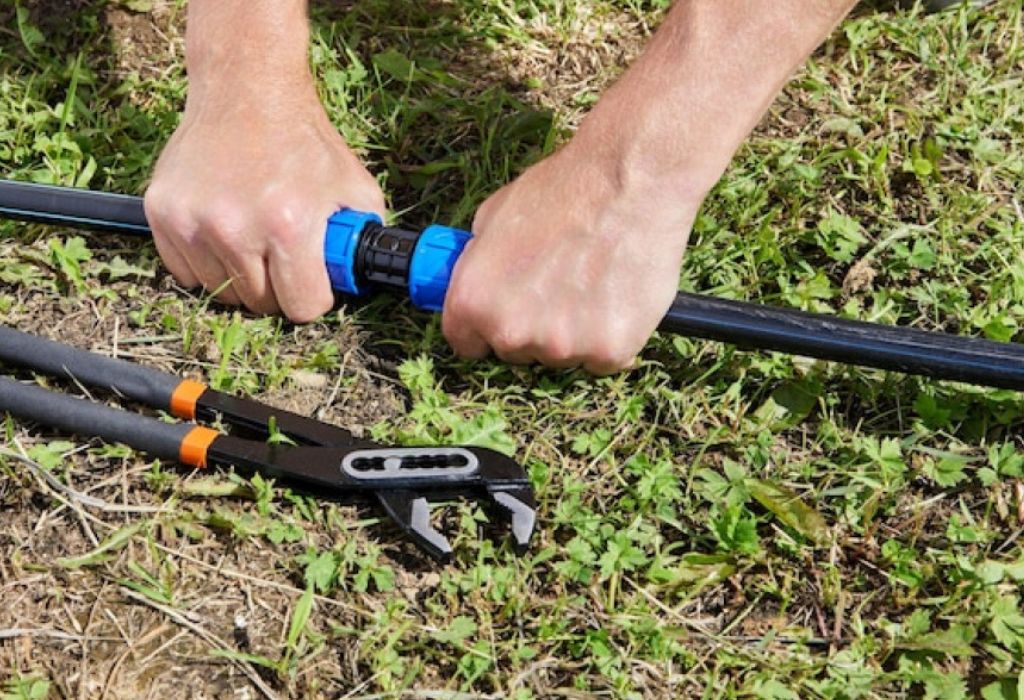
Adjustable Wrenches and Pliers help tighten threaded fittings without over-torquing. Correct tightening prevents leaks while avoiding damage to hose adapters or PVC threads.
Hose Clamps secure barbed fittings firmly to the hose. Clamps prevent slippage and leaks, ensuring the hose remains attached under water pressure.
Teflon Tape or Pipe Sealant is essential for threaded connections. It creates a watertight seal, reducing the chance of leaks and prolonging the life of both the hose and PVC pipe.
Optional Tools include PVC primer and cement for semi-permanent installations. These products enhance durability but are only necessary for connections that are not intended to be frequently removed.
Measuring Tools such as tape measures ensure hoses and pipes are cut and connected to the correct lengths. Proper measurements prevent kinks, stress, and misalignment at the connection points.
By using the correct tools, homeowners can achieve reliable, leak-free connections between garden hoses and PVC pipes. Proper tool use reduces installation errors, ensures efficiency, and extends the lifespan of the irrigation system.
Step-by-Step Guide to Connecting Garden Hose to PVC Pipe
Connecting a garden hose to a PVC pipe properly prevents leaks and ensures efficient water flow. Following a structured process reduces errors and enhances durability.
Step 1: Measure Hose and Pipe Diameters accurately. Matching the correct sizes ensures a secure fit and prevents kinks or restricted flow.
Step 2: Select the Appropriate Adapter or Fitting based on hose type and PVC pipe material. Use threaded, barbed, or quick-connect fittings as needed for your setup.
Step 3: Apply Teflon Tape or Sealant on threaded fittings. This creates a watertight seal, reducing leaks and maintaining pressure.
Step 4: Attach the Hose Securely using clamps or by threading it into the adapter. Ensure it is fully seated and tightened without over-torquing to avoid damage.
Step 5: Test the Connection by turning on the water gradually. Check for leaks, monitor pressure, and adjust clamps or fittings if necessary.
Step 6: Make Seasonal Adjustments for climates with freezing temperatures. Drain hoses and check fittings to prevent frost damage during winter.
Step 7: Routine Maintenance includes inspecting connections, tightening clamps, and replacing worn adapters. Regular care prolongs hose and PVC pipe lifespan and ensures leak-free operation.
By following these steps, homeowners can establish a durable, efficient, and leak-free connection between garden hoses and PVC pipes. Proper installation promotes irrigation efficiency and reduces water waste.
Common Mistakes and How to Avoid Them
Even experienced homeowners can make mistakes when connecting a garden hose to a PVC pipe. Awareness of common errors prevents leaks, water waste, and damage to fittings or pipes.
Using the Wrong Adapter Size often results in loose connections or leaks. Always verify hose and PVC pipe diameters before selecting a fitting.
Skipping Teflon Tape or Clamps compromises the connection. Threaded fittings require tape for a watertight seal, and barbed fittings need clamps to prevent hose slippage.
Over-Tightening Fittings can crack PVC or deform adapters. Tighten fittings snugly, but avoid excessive force that may damage the materials.
Ignoring Hose and Pipe Compatibility reduces system efficiency. Flexible hoses and rigid PVC pipes need proper adapters to maintain consistent water flow.
Neglecting Seasonal Maintenance may lead to leaks or frost damage. Inspect connections, flush hoses, and adjust fittings before and after winter in colder climates.
By understanding these common mistakes, homeowners can ensure a secure, leak-free connection. Following proper installation techniques, using the right materials, and performing routine maintenance maximizes irrigation efficiency and prolongs the lifespan of hoses and PVC pipes.
Maintenance Tips for Hose-PVC Connections
Regular maintenance ensures a secure and leak-free connection between a garden hose and PVC pipe. Proper care prevents water waste, maintains pressure, and prolongs the lifespan of both hose and fittings.
Inspect Connections Regularly for leaks, cracks, or loose fittings. Early detection allows for quick repairs and avoids damage to the PVC pipe or hose.
Tighten Clamps and Fittings Seasonally to maintain a secure connection. Temperature changes and frequent use can loosen adapters over time.
Flush Hoses Periodically to prevent sediment buildup that may reduce water flow. Clear water paths ensure consistent irrigation performance and minimize stress on the fittings.
Replace Worn or Damaged Adapters promptly. Damaged adapters compromise the connection and can cause leaks or inefficient water distribution.
Consider Seasonal Precautions in colder climates. Drain hoses and check adapters before winter to prevent frost damage or cracking.
By following these maintenance practices, homeowners can maintain a durable, efficient, and leak-free connection. Routine care ensures irrigation efficiency and extends the lifespan of garden hoses and PVC piping systems.
Alternatives and Upgrades
For homeowners seeking convenience and enhanced performance, several alternatives and upgrades can improve hose-to-PVC connections. These options increase efficiency, reduce leaks, and simplify water system management.
Quick-Connect Systems allow hoses to be easily attached and detached from PVC pipes. They provide speed and convenience, making seasonal installation or irrigation adjustments straightforward.
Flexible PVC Hoses combine durability with flexibility, reducing the risk of kinks and maintaining consistent water flow. These hoses are particularly useful in complex irrigation setups with multiple bends or long runs.
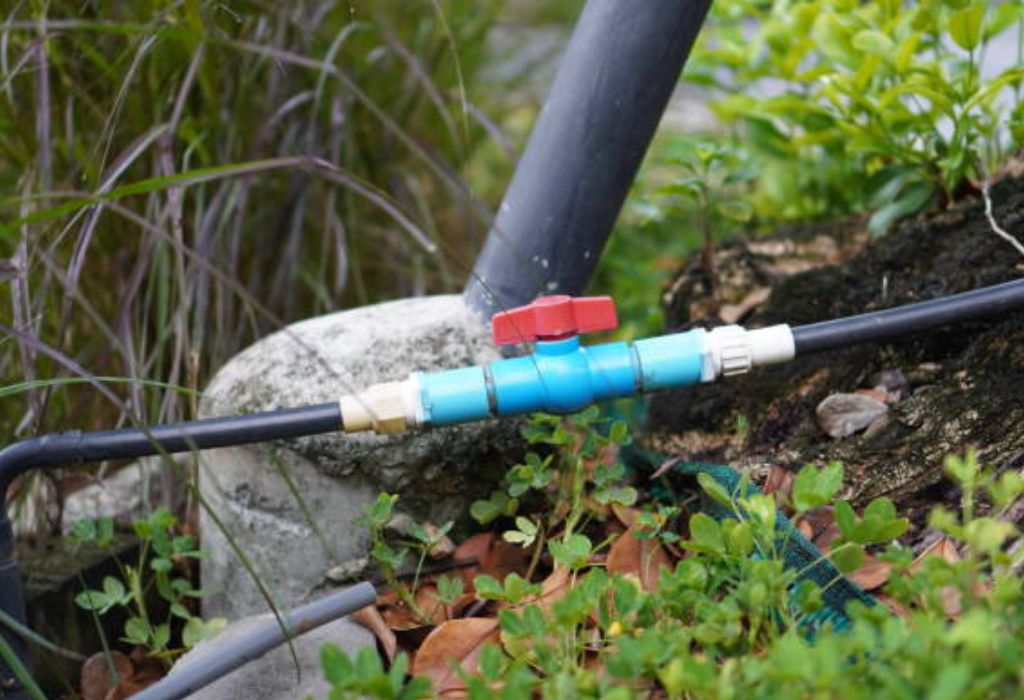
Inline Shut-Off Valves provide control over water flow at the connection point. They prevent over-pressurization, reduce wear on fittings, and allow for localized water management without turning off the main supply.
Upgraded Clamps and Seals improve leak prevention. High-quality stainless steel clamps and durable Teflon tape or pipe sealant enhance the longevity and reliability of threaded or barbed connections.
Regular System Evaluation helps identify areas where upgrades can increase efficiency. Inspecting connections, replacing worn adapters, and installing convenient quick-connects or valves ensures optimal irrigation performance.
By considering these alternatives and upgrades, homeowners can create a more reliable and user-friendly garden watering system. Implementing the right tools and techniques prevents leaks, improves water efficiency, and reduces maintenance over time.
Conclusion
Connecting a garden hose to a PVC pipe without leaks requires understanding materials, fittings, and proper installation techniques. Using the right adapters, clamps, and sealants ensures a secure connection and efficient water flow.
Threaded, barbed, and quick-connect fittings each have advantages depending on hose type and PVC pipe size. Selecting durable materials like rubber hoses or reinforced PVC adapters enhances longevity and reduces maintenance needs.
Regular inspection, tightening clamps, and flushing hoses maintain leak-free performance over time. Seasonal precautions, especially in colder climates, protect connections from frost damage and prevent water waste.
Alternative solutions and upgrades, including quick-connect systems, flexible PVC hoses, and inline shut-off valves, provide convenience and improved efficiency. Implementing these options simplifies irrigation, reduces stress on fittings, and enhances overall water management.
By following these best practices, homeowners can ensure a durable, efficient, and reliable connection between garden hoses and PVC pipes. Proper planning, installation, and maintenance maximize irrigation performance while minimizing leaks and maintenance costs.

I’m Maya L. Greenwood, a lifelong plant lover who believes anyone can grow something beautiful with the right guidance. After years of testing soil mixes, pruning methods, irrigation tricks, and pest-safe solutions, I started EasyGardenTips.com to turn hard-won lessons into step-by-step advice. From seed starting and container gardens to composting and seasonal checklists, my goal is to make gardening simple, sustainable, and fun.