Is It Safe to Drink Water from a Garden Hose?Safety Tips
Grabbing a quick sip from a garden hose on a hot day is a common habit, but it can carry hidden risks. Water from hoses may contain chemicals or bacteria that pose health concerns.
Understanding whether it is safe to drink water from a garden hose is essential for protecting your family. Drinking contaminated hose water can lead to gastrointestinal illness or long-term exposure to harmful substances.
Plastic hoses, especially those made from PVC or vinyl, can leach chemicals such as lead, BPA, and phthalates. According to the CDC, exposure to lead in drinking water can cause developmental issues in children (CDC).
Bacteria can also accumulate in hoses left stagnant in the sun or unused for long periods. Pathogens such as E. coli or Legionella may thrive inside, creating potential health hazards when consumed.
Knowing how to use hoses safely, select drinking water safe hoses, and maintain them properly prevents these risks. Proper precautions ensure reliable hydration without compromising health.
What Is Garden Hose Water Contamination?
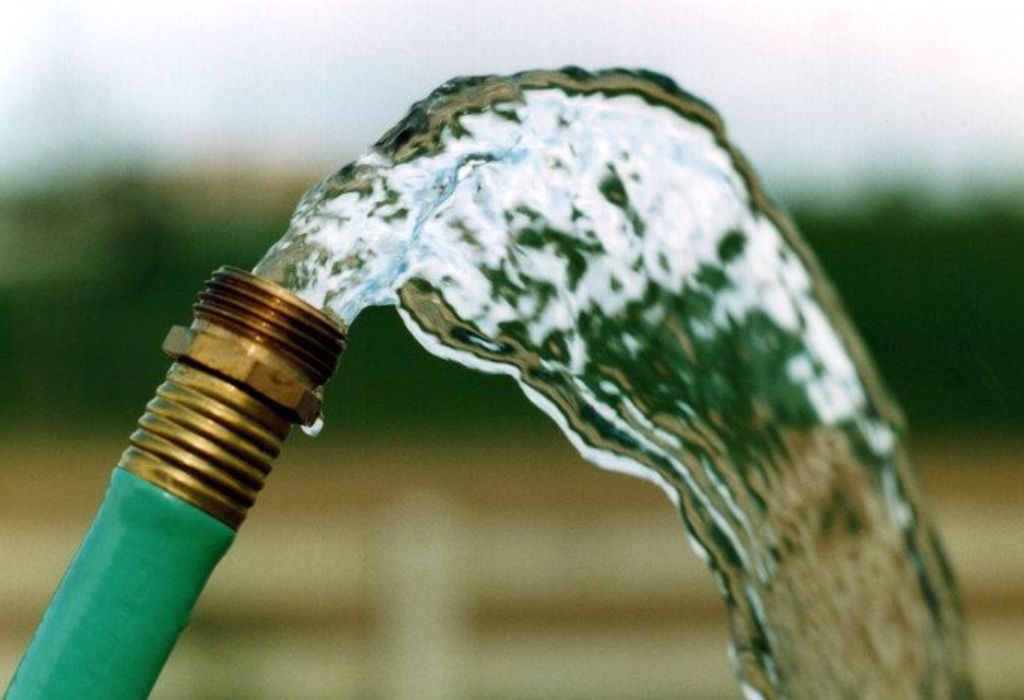
Water from garden hoses can become contaminated through both chemical and biological sources. Understanding these risks is essential for safe outdoor hydration.
Chemical Contamination often comes from the hose material itself. PVC and vinyl hoses may leach harmful chemicals such as lead, BPA, and phthalates into the water, especially when exposed to heat or sunlight.
Biological Contamination occurs when bacteria grow inside hoses. Stagnant water in a hose provides an ideal environment for pathogens such as E. coli and Legionella, which can pose serious health risks if ingested.
Stagnant Water Risks are amplified when hoses are left sitting unused for long periods. The combination of heat, sunlight, and moisture accelerates bacterial growth and increases the likelihood of chemical leaching.
Pipe and Connector Contributions can also introduce contaminants. Older outdoor faucets or poorly maintained hose connections may harbor rust, dirt, or microorganisms, further compromising water safety.
Health Implications include gastrointestinal illness, nausea, and potential long-term effects from chemical exposure. Young children and individuals with compromised immune systems are especially vulnerable to waterborne contaminants.
Environmental Factors such as UV exposure and temperature fluctuations exacerbate contamination. Hot water running through hoses in direct sunlight may increase chemical migration from plastic materials.
By understanding the types and sources of garden hose water contamination, homeowners can take proactive steps to reduce risks. Awareness of these hazards is the foundation for safe hose use, proper maintenance, and selection of drinking water safe hoses.
Materials of Garden Hoses and Safety
The material composition of a garden hose significantly impacts the safety of its water for consumption. Certain plastics and metals can leach harmful chemicals, while certified drinking water safe hoses minimize health risks.
PVC and Vinyl Hoses are the most common and affordable types. However, they can leach chemicals such as lead, BPA, and phthalates, especially when exposed to heat or sunlight, making them unsuitable for drinking.
Rubber Hoses are generally more durable and less likely to leach harmful substances. High-quality rubber hoses designed for drinking water are safe for occasional consumption but should still be flushed before use.
Drinking Water Safe Hoses are specifically certified for potable water. These hoses meet NSF/ANSI 61 standards, are free from lead and phthalates, and provide a reliable option for safe outdoor hydration.
Metal Hoses made from stainless steel or copper are resistant to chemical leaching but are less common and usually more expensive. They can be an option for specialty applications where chemical contamination must be minimized.
Identifying Safe Hoses involves checking for labels indicating “drinking water safe” or NSF/ANSI certification. These certifications ensure compliance with safety standards and reduce exposure to harmful chemicals.
Risks of Using Non-Safe Hoses include ingestion of toxic substances and potential gastrointestinal illness. Children are particularly susceptible to chemical exposure from unsafe hoses.
Maintenance and Inspection further enhance safety. Even certified hoses should be flushed regularly, stored out of direct sunlight, and inspected for cracks or degradation to maintain water quality.
By understanding the materials used in garden hoses, homeowners can make informed choices that protect health. Selecting certified hoses and maintaining them properly ensures that water is safe for drinking, gardening, and other outdoor activities.
Risks of Drinking from Non-Safe Hoses
Drinking water from hoses that are not certified for potable use can pose serious health risks. Both chemical and biological contaminants may be present, depending on the hose material and usage conditions.
Chemical Hazards arise from plastic hoses made with PVC, vinyl, or other synthetic materials. These hoses can leach lead, BPA, and phthalates into water, especially when exposed to heat or left sitting in the sun.
Bacterial Contamination occurs when stagnant water inside a hose provides an environment for microbial growth. Pathogens such as E. coli and Legionella may accumulate, posing gastrointestinal and respiratory health risks.
Short-Term Health Effects include nausea, stomach cramps, diarrhea, and other gastrointestinal symptoms. Even a single ingestion of contaminated water can affect vulnerable populations, such as children and the elderly.
Long-Term Exposure Risks involve accumulation of toxic chemicals like lead and phthalates, which can affect neurological development, kidney function, and hormonal balance over time.
Environmental Conditions such as temperature and sunlight can increase chemical leaching and bacterial growth. Hot water running through hoses in direct sunlight accelerates these risks, making non-safe hoses particularly hazardous.
Misconceptions About Safety often lead to casual drinking from hoses without considering these hazards. Even hoses that appear clean or are used for years can harbor harmful substances unseen to the eye.
By understanding these risks, homeowners can make informed decisions about which hoses are safe for drinking. Awareness of chemical and bacterial hazards is critical for protecting health while using garden hoses for outdoor hydration.
How to Safely Drink Water from a Garden Hose
Drinking water from a garden hose can be safe if proper precautions are followed. Choosing the right hose, maintaining cleanliness, and managing usage practices are critical to reducing risks.
Use Drinking Water Safe Hoses only. Certified hoses made from NSF/ANSI 61-compliant materials are free from lead and phthalates and designed for potable water use.
Flush the Hose Before Use to remove stagnant water and any potential bacterial buildup. Running water for several seconds ensures that initial contaminants are cleared from the hose.
Avoid Hoses Left in Direct Sunlight or Heat. Hot temperatures accelerate chemical leaching and encourage bacterial growth, making water unsafe for consumption.
Use Clean Nozzles or Containers for drinking water. Even safe hoses can be contaminated if the outlet or attached containers are dirty or exposed to environmental debris.
Monitor Hose Condition Regularly. Inspect for cracks, discoloration, or signs of wear, and replace hoses that show signs of degradation or aging.
Short-Term vs Long-Term Consumption matters. Occasional sips from a certified hose are generally safe, but regular long-term use of non-certified hoses can pose chemical and bacterial hazards.
Alternative Water Sources are recommended for frequent drinking. Watering cans filled from indoor taps or portable filtered water bottles provide safer options when consuming water outdoors.
By following these safety measures, homeowners can minimize risks associated with garden hose water. Proper selection, flushing, and maintenance ensure hydration without exposing users to harmful chemicals or bacteria.
Alternative Ways to Get Safe Outdoor Water
When drinking water directly from a garden hose is risky, there are several safe alternatives for outdoor hydration. Using certified sources and proper containers ensures water safety without compromising convenience.
Watering Cans Filled from Indoor Taps provide a safe and simple solution. Indoor water is treated and tested, ensuring it is free from harmful chemicals and bacteria.
Portable Filtered Water Bottles allow safe drinking outdoors. High-quality filters remove bacteria, sediments, and some chemical contaminants, providing potable water anywhere in the garden or yard.
Dedicated Drinking Water Hoses or Taps are designed specifically for human consumption. These hoses are certified for potable water and separate from irrigation hoses to prevent cross-contamination.
Bottled Water is another reliable option. While less environmentally friendly, it provides guaranteed safety for outdoor activities when drinking water safe hoses are unavailable.
Using Hose Attachments such as inline filters can also enhance safety. These filters reduce microbial and chemical contaminants, though they may not remove all chemical leachates from non-certified hoses.
Educating Household Members about safe water sources prevents accidental consumption from unsafe hoses. Clear labeling or dedicated drinking taps can reduce the likelihood of exposure to harmful substances.
By adopting these alternative methods, homeowners and gardeners can enjoy safe hydration outdoors. Proper water source selection minimizes chemical and bacterial risks while maintaining convenience for gardening, outdoor work, or recreational activities.
Common Myths and Misconceptions
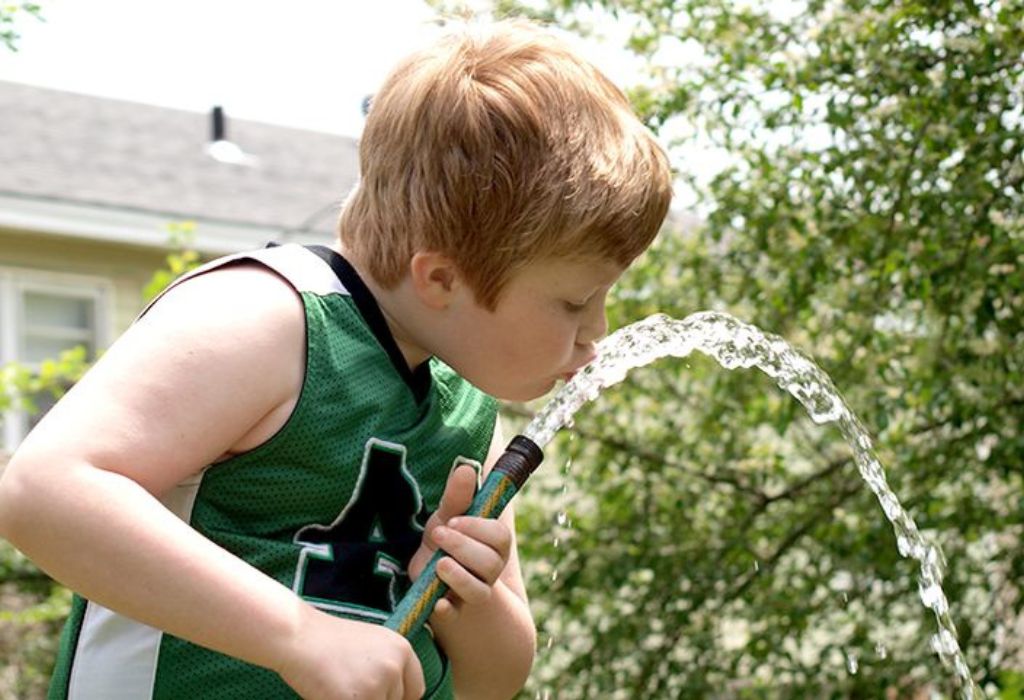
Many people believe that drinking water from any garden hose is harmless. Misunderstandings about hose safety can lead to exposure to chemicals and bacteria.
Myth 1: All Garden Hoses Are Safe for Drinking
Not all hoses are created equal. PVC and vinyl hoses may leach chemicals, while only certified drinking water safe hoses are suitable for consumption.
Myth 2: Running Water for a Few Seconds Makes It Safe
Flushing can remove stagnant water but does not eliminate chemicals leached from hose materials. Relying on this method alone does not guarantee safety.
Myth 3: Rubber Hoses Are Always Safe
While some rubber hoses are safe, only those labeled and certified for drinking water meet safety standards. Non-certified rubber hoses can still release harmful substances.
Myth 4: Short-Term Sips Pose No Risk
Even occasional consumption from unsafe hoses can expose users to lead, phthalates, or bacteria. Children and sensitive individuals are particularly vulnerable.
Myth 5: Outdoor Hoses Connected to Treated Water Are Safe
The source water may be clean, but the hose material itself can introduce contaminants. Safe hoses must be certified for potable water, regardless of source quality.
Understanding these myths helps homeowners make informed decisions about outdoor hydration. Awareness of material, certification, and usage practices ensures that water consumed from hoses is safe and minimizes health risks.
Maintenance Tips for Safe Hose Use
Proper maintenance ensures garden hoses remain safe for drinking and minimizes chemical or bacterial contamination. Routine care extends hose life and protects users from potential hazards.
Flush Hoses Before Use to remove stagnant water and any accumulated bacteria. Running water for several seconds ensures that initial contaminants are cleared before drinking.
Store Hoses Out of Direct Sunlight to reduce chemical leaching. Heat and UV exposure can accelerate the release of lead, BPA, and phthalates from plastic hoses.
Inspect Hoses Regularly for cracks, discoloration, or signs of wear. Damaged hoses are more likely to harbor bacteria or leach chemicals and should be replaced immediately.
Replace Old or Non-Certified Hoses with drinking water safe models. Certified hoses reduce the risk of chemical and bacterial contamination and ensure reliable hydration.
Clean Hose Connections and Nozzles periodically. Dirt and debris at the hose ends can compromise water safety even if the hose material is certified.
Avoid Using Hoses for Long-Term Storage of Water. Standing water in hoses promotes bacterial growth and can increase chemical leaching over time.
Educate Household Members on which hoses are safe for drinking. Labeling or dedicating hoses for potable water prevents accidental consumption from unsafe hoses.
By following these maintenance practices, homeowners can ensure that water from garden hoses is safe to drink. Routine care and proper storage reduce health risks and maintain consistent water quality for outdoor hydration.
Conclusion
Drinking water from garden hoses can pose risks if the hose is not certified for potable water. Chemical leaching from PVC, vinyl, and some rubber hoses, along with bacterial contamination, can compromise health.
Using drinking water safe hoses, flushing before use, and storing hoses out of direct sunlight are essential precautions. Regular inspection and timely replacement of damaged or old hoses further reduce the risk of exposure to harmful substances.
Awareness of common myths, such as assuming all hoses are safe or that running water removes chemicals, helps prevent unsafe practices. Choosing certified hoses and following proper maintenance ensures reliable and safe outdoor hydration.
Alternative methods, including filling watering cans from indoor taps or using filtered bottles, provide additional safe options for outdoor water consumption. Proper practices protect children, adults, and vulnerable individuals from gastrointestinal illness and chemical exposure.
By following these safety tips, homeowners can enjoy the convenience of outdoor hydration while minimizing health risks. Understanding hose materials, safe usage, and maintenance transforms a simple habit into a responsible and safe practice.

I’m Maya L. Greenwood, a lifelong plant lover who believes anyone can grow something beautiful with the right guidance. After years of testing soil mixes, pruning methods, irrigation tricks, and pest-safe solutions, I started EasyGardenTips.com to turn hard-won lessons into step-by-step advice. From seed starting and container gardens to composting and seasonal checklists, my goal is to make gardening simple, sustainable, and fun.