Worx Leaf Vacuum Review: Features, Pros, Cons, and Buyer Advice
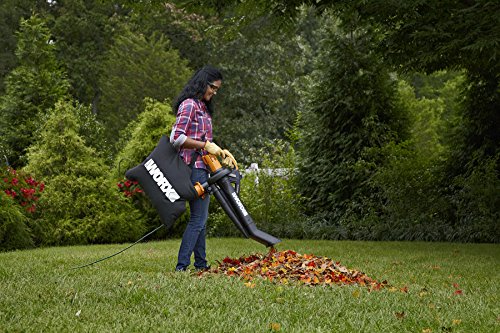
The WORX Trivac WG509 is a corded, three-function yard tool that blows leaves, vacuums them up, and mulches them into a collection bag. It’s best suited to homeowners who want one machine for routine cleanup around a lawn, driveway, patio, or walkway—and have an outlet within reach.
Its 350 CFM airflow and 210 MPH air speed give you two useful ways to think about blowing performance: how much air moves and how quickly it exits the nozzle. In vacuum mode, an 18:1 mulch ratio is intended to reduce the volume of collected leaves, so the bag takes less debris before you need to empty it.
The trade-off is the cord. Continuous power can be handy during a long cleanup, but the WG509 can’t follow you as freely as a battery model, and the cord needs to stay clear of your work area.
This review covers the specifications, likely day-to-day fit, setup checks, and the situations where a different tool makes more sense. The aim is to help you decide whether this Worx leaf vacuum fits your yard—not to pretend that listing specs are the same as hands-on test results.
WG509 350 CFM 210 MPH Airflow 18 1 Mulch Ratio

Features and Specifications
The WG509 combines blowing, vacuuming, and mulching in one corded electric tool. That can simplify ordinary seasonal cleanup: blow debris into a manageable area, then switch to vacuum mode to collect leaves rather than raking and bagging everything by hand.
| Specification | What it means for you |
|---|---|
| 12-amp motor | The tool draws power through an outlet, so you’ll need a suitable outdoor power setup and a cord that reaches the work area. |
| 350 CFM, 210 MPH | These are the listed maximum airflow and air-speed figures for blowing leaves and loose yard debris. |
| 18:1 mulch ratio | The listed ratio indicates substantial volume reduction during mulching, which can mean less frequent bag emptying than collecting unshredded leaves. |
| 42-liter collection bag | The bag holds vacuumed debris as you work; its capacity gives you a useful buffer, though a yard with heavy leaf fall can still require emptying. |
| Variable-speed control | You can adjust airflow for lighter cleanup or larger piles instead of using maximum output for every task. |
CFM and MPH describe different parts of airflow, not two separate power settings. CFM measures air volume, which matters when moving a broad spread of leaves; MPH measures air speed, which can help shift debris from a stubborn spot. The listed maximums don’t guarantee the same result in every yard, since leaf type, moisture, and surface all affect how easily debris moves.
The 18:1 figure is a stated mulch ratio, not a promise that every load of leaves will shrink to an identical size. It gives a useful sense of the tool’s intended volume reduction, but you should still expect to empty the bag during a substantial cleanup. Mulched leaves may also be easier to dispose of or use in compost than a larger volume of whole leaves.
Because it’s corded, the WG509 doesn’t rely on a battery that needs recharging between sessions. That’s useful for longer jobs near an outlet, but the power cord sets a practical boundary on where you can work. Check the manual’s guidance on outdoor extension cords and electrical requirements before choosing a cord or outlet.
Everyday Use and Performance
For a driveway or patio with dry leaves scattered across it, the blower function should make it easier to gather debris into a pile before collecting it. Variable speed is useful here: gentler airflow may help keep leaves from scattering into garden beds, while a higher setting can suit a more open patch of yard.

That kind of control matters when the cleanup area includes loose gravel, mulch, or a neighbor’s freshly swept walkway. The listed 350 CFM and 210 MPH are maximums, so you can’t assume every surface or task calls for the highest setting. Start with a lower airflow and adjust as needed.
Vacuum mode offers a different approach when you want to collect leaves as you go rather than first gathering them into piles. The bag’s listed 42-liter capacity means there’s room for a useful amount of debris, but capacity alone won’t tell you how often you’ll need to stop. A dense layer of leaves can fill a bag faster than a light scattering.
Set expectations for damp debris: The product information lists leaf and yard cleanup functions, but doesn’t specify performance on wet leaves. Damp, matted material is generally harder to move and collect than dry leaves, so plan on using a rake or another method for heavy, soggy buildup rather than counting on the vacuum to handle it all.
The switch between blowing and vacuuming is designed to be quick, using a lever rather than requiring a full change of tool. That can reduce the hassle of moving between gathering leaves and collecting them. Still, you’ll want to pause and make sure the tool is configured for the intended mode before starting each task.
Mulching while vacuuming is especially appealing when the alternative is carrying bulky bags to the curb or compost area. The 18:1 ratio points to reduced leaf volume, but it doesn’t eliminate disposal. You’ll still need somewhere to empty the collection bag, and you may need to pause if a large cleanup fills it.
Design, Fit, and Setup
Think about the cord before you think about the leaf pile. The WG509 is a corded electric tool, so the outlet’s location and the path the cord must take can determine whether it’s convenient for your yard. Keep the cord behind your working path and away from the intake, cutting area, and places where you’re moving debris.
Read the manual for the appropriate outdoor extension-cord and power requirements; the available product details don’t give a cord length or a recommended extension-cord gauge. Don’t guess based on a cord you already own. The right reach and electrical rating depend on the product guidance and your setup.
The mode-conversion feature is intended to let you move between blowing and vacuuming without assembling a separate machine for each job. Follow the supplied instructions for changing modes and attaching the collection bag. Before clearing a blockage or handling the intake, disconnect the power so the tool can’t start unexpectedly.
The 42-liter bag is part of the vacuum setup, so consider where you’ll empty it and how you’ll carry it through your yard. The listing doesn’t establish the bag’s weight when full, how it attaches in every detail, or how comfortable it is to carry; those are sensible points to verify in the product documentation if bag handling is a concern.
WORX lists compatibility with its WA4054.2, WA4058, WA4094, and WA4096 leaf-cleaning accessories, where applicable. Check the specific accessory’s compatibility and intended use before buying it; a list of compatible options doesn’t mean every accessory is included with the WG509.
What Works Well (pros)
- Three cleanup functions in one tool: Blowing, vacuuming, and mulching can reduce the need to switch between separate machines and manual raking.
- Variable-speed airflow: The ability to adjust output gives you more control around delicate areas than relying on one fixed setting.
- Corded power for longer sessions: You can keep working without stopping to recharge a battery, provided the outlet and cord reach the job.
- Reduced leaf volume: The listed 18:1 mulch ratio is aimed at making collected leaves less bulky to store, compost, or dispose of.
Where It Falls Short (cons)
- The cord limits your range: Outlets, extension-cord routing, and the shape of your yard can interrupt the work or make some areas awkward to reach.
- Bag capacity isn’t unlimited: The 42-liter bag can still need frequent emptying during a heavy leaf fall or a large cleanup, adding stops to the job.
- Wet-leaf capability isn’t established: The listed specifications don’t confirm how it handles soggy, compacted debris, so buyers with persistently wet leaf buildup should plan for another cleanup method.
Who Should Buy It?
The WG509 makes the most sense for someone with a modest or moderately sized cleanup area, a practical outdoor outlet, and a preference for corded equipment. It can suit a homeowner who regularly clears leaves from a driveway, patio, deck, walkway, or lawn edges and wants one tool to gather and collect them.
It’s also worth considering if battery charging is a nuisance you’d rather avoid. Since this model runs from an outlet, you can keep working without scheduling a recharge between sessions. The benefit depends on having a safe, workable cord route; a power cord that snags on furniture or crosses a busy path can turn that convenience into a frustration.
Before buying, check these practical details:
- Can an outdoor outlet reach the areas you need to clean, using an extension cord that meets the manual’s requirements?
- Will you mainly clear dry or loose leaves, rather than thick, wet layers?
- Do you have a convenient place to empty the 42-liter collection bag?
- Are the included parts and any accessories you want suitable for your planned setup?
If those answers are mostly yes, the three-in-one design could save you from juggling a blower, a separate leaf vacuum, and a rake for routine jobs. For a larger property, remember that the cord and bag still shape the pace of cleanup, even with a strong listed airflow and volume-reducing mulch function.
Who Should Skip It?
Skip the WG509 if your yard has no convenient outlet, you need to cover a large area without managing a cord, or you frequently deal with deep, wet leaf buildup. A corded machine’s continuous power won’t help much if reaching the far side of the property is a hassle.
For cordless freedom, a verified alternative is the WORX WG583, a 40V 3-in-1 blower, vacuum, and mulcher supplied with two 4.0Ah batteries and a charger. Its listing gives a 12:1 mulch ratio rather than the WG509’s 18:1, so the stated volume reduction is lower; the trade is avoiding a power cord, with runtime dependent on the batteries and work conditions.
Also consider a dedicated blower or a rake if vacuuming and mulching aren’t important to you. Paying for three functions only makes sense if you’ll actually use more than one of them.
FAQs About WG509 350 CFM 210 MPH Airflow 18 1 Mulch Ratio
Can the WG509 blow and vacuum leaves?
Yes. It’s a three-function tool: blower, vacuum, and mulcher. You can use the blower to move leaves, then switch to vacuum mode to collect and mulch them in the bag.
What does the 18:1 mulch ratio mean?
It’s the listed ratio for reducing leaf volume during mulching. It suggests that mulched leaves take up less space than whole leaves, but the exact result can vary with the material being collected.
How large is the WG509 collection bag?
The listed collection bag capacity is 42 liters. That gives you room to collect debris, though a heavy layer of leaves may still mean stopping to empty it.
Does the WG509 need batteries?
No. It’s a corded electric model with a 12-amp motor, so it runs from an electrical outlet instead of a rechargeable battery. You’ll need a safe cord route and an outlet within reach.
Final Verdict: Is It Worth Buying?
The WORX Trivac WG509 is a practical fit if you want blowing, vacuuming, and mulching in one corded tool, and your cleanup area is reachable from an outlet. Its variable speed, 42-liter bag, and listed 18:1 mulch ratio all address common yard-work chores without adding a battery-recharge pause.
The cord is the main buying decision, not a small footnote. If you can manage it and mostly clear dry leaves from manageable areas, the WG509 is worth considering; if you need unrestricted range or regularly face wet, heavy buildup, choose a cordless model or a simpler tool better suited to that work.

I’m Maya L. Greenwood, a lifelong plant lover who believes anyone can grow something beautiful with the right guidance. After years of testing soil mixes, pruning methods, irrigation tricks, and pest-safe solutions, I started EasyGardenTips.com to turn hard-won lessons into step-by-step advice. From seed starting and container gardens to composting and seasonal checklists, my goal is to make gardening simple, sustainable, and fun.