Ridgid Leaf Blower Review: Features, Pros, Cons, and Buyer Advice
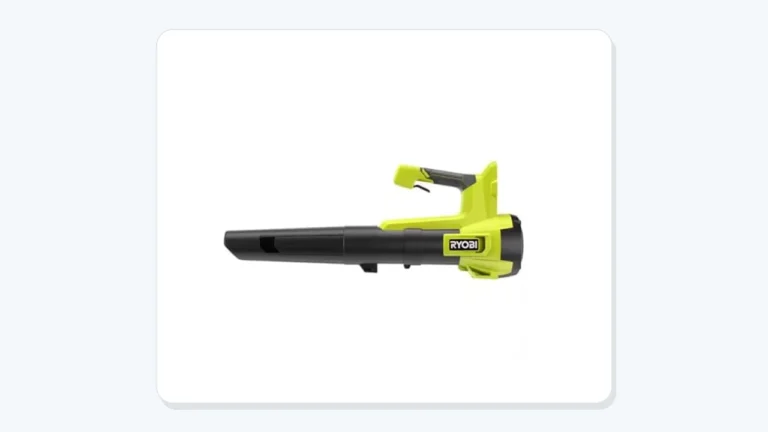
The RIDGID 18V Brushless 130 MPH 510 CFM Cordless Battery Leaf Blower is a handheld, battery-powered blower for homeowners who want to clear leaves and ordinary outdoor debris without managing a power cord. This Amazon listing is for a renewed bundle rather than a bare tool.
Its 130 MPH air speed and 510 CFM airflow give you two useful clues about the job it’s meant to handle: moving air quickly and moving a substantial volume of it. The listing also identifies a 6.0 Ah MAX Output battery and charger, so the bundle is aimed at buyers who need those basics together.
The catch is that those figures don’t tell you how long the blower runs per charge, how heavy it feels, or how it handles wet, packed leaves. The renewed condition adds another practical question: check the seller’s condition details and exactly what’s included before ordering.
This Ridgid leaf blower review explains what the listed specifications can—and can’t—tell you, what to check before buying, and which yard-care jobs are a sensible match. It also covers the trade-offs that might make a corded blower or a higher-capacity machine a better fit.
18V Brushless 130 MPH 510 CFM Cordless Battery Leaf Blower

Features and Specifications
The listing gives a compact set of specifications, not a full performance sheet. That’s enough to judge the general category, but not enough to promise a particular runtime or clearing speed on your property.

- 18V battery platform: The blower runs on a rechargeable battery rather than a wall outlet, which means no extension cord to drag around the yard. The listed bundle includes a battery, but check the listing’s current package details and battery compatibility before purchase.
- Brushless motor: Brushless describes the motor type, not a guaranteed runtime or power advantage in every situation. It identifies the blower’s motor design, while the actual time between charges will depend on the task, battery, and operating conditions.
- 130 MPH air speed: Miles per hour measures the speed of the moving air. It can help loosen and shift leaves, but the number alone doesn’t show how much material the blower moves or how it performs in a pile.
- 510 CFM airflow: Cubic feet per minute describes air volume. In practical terms, it helps you think about moving a broader spread of leaves, while the 130 MPH figure describes air speed; neither specification by itself guarantees results on wet or compacted debris.
- 6.0 Ah MAX Output battery and charger: The renewed listing’s title identifies both as included, so you may not need to source them separately. Amp-hours describe battery capacity, but they aren’t a reliable promise of a specific number of minutes per charge.
The two airflow ratings are most useful when read together. Air speed matters when you’re trying to get leaves moving; airflow volume helps describe how much air is being delivered. For a driveway with dry leaves, those figures suggest a plausible use, but they can’t replace details the listing doesn’t provide, such as runtime under load.
There’s also an important condition distinction. “Renewed” doesn’t mean the same thing as new, and the product data here doesn’t establish the condition of a particular unit, its packaging, or the terms of any return coverage. Read the actual seller and condition information before deciding.
Everyday Use and Performance
For routine cleanup, the cordless format should be easiest to appreciate when the work is spread around a yard: a walkway, patio, garage entrance, and the edges of a driveway. You can move between those spots without finding an outlet or keeping a cord clear of your path.
Picture a light layer of dry leaves gathering along a path after a breezy day. The speed and airflow ratings indicate the sort of blower intended to move loose material, but they don’t guarantee how many passes you’ll need. A narrow path and an open lawn also call for different handling; a wide sweep may move leaves farther than you want, so work toward a collection point rather than scattering them across a clean area.
Heavier conditions are less certain. Damp leaves, matted grass clippings, and debris wedged into corners take more effort to shift than loose, dry leaves. The listed figures don’t establish how well this blower handles those jobs, so buyers dealing with them regularly should avoid treating the specifications as a promise.
Battery runtime is another unknown worth planning around. A 6.0 Ah battery is included according to the listing title, but that capacity alone can’t tell you how long a charge will last while blowing continuously. If your cleanup tends to be short and broken into sections, charging between sessions may be manageable; for a large property or long cleanup, check whether you already have a compatible spare battery and whether the seller’s package includes everything you expect.
Think of the ratings as a starting point, not a guarantee: the blower is a reasonable candidate for regular light-to-moderate cleanup, but the product data doesn’t confirm a runtime, noise level, or result for any particular yard. If those specifics decide the purchase, look for complete manufacturer documentation or ask the seller before ordering.
Design, Fit, and Setup
Because it’s cordless, setup should be simpler than arranging a corded tool: you’ll need a charged battery and the blower itself rather than a nearby outlet. The listing identifies a charger in the renewed bundle, but confirm that it is included in the specific offer you’re considering. Don’t assume a battery or charger from another tool will fit unless its compatibility is clearly confirmed for RIDGID’s 18V system.
The product name calls this a handheld blower, but the available listing data doesn’t give its weight, dimensions, tube arrangement, or control layout. That limits how confidently anyone can judge reach or comfort from the name alone. If you have wrist, shoulder, or grip concerns, check the manufacturer’s full specifications or seller-provided images and details before buying.
Before the first use, make sure the battery is properly seated according to the product instructions, and keep hands and clothing clear of the air intake and outlet. Use eye protection around loose debris, and avoid directing airflow toward people, pets, vehicles, or open doors. Those are sensible blower precautions, not claims about a special feature of this model.
Cleanup and storage are straightforward considerations for any handheld blower: clear loose debris from the outside after use, let the tool cool if needed, and store the battery and charger as their instructions specify. The listing doesn’t establish a weather-resistance rating, so don’t assume the blower or battery is suitable for storage outdoors or use in rain.
Since this is a renewed offer, inspect the package when it arrives and compare the contents with the listing. Check the blower, battery, and charger for visible damage, and resolve any mismatch through the seller before putting the tool to work. That small check matters more than guessing what “renewed” means for an individual unit.
What Works Well (pros)
- Cordless movement: Battery operation avoids the outlet-and-extension-cord shuffle, which is handy when cleanup spans several parts of a yard.
- Two useful airflow figures: The 130 MPH and 510 CFM ratings give buyers more context than a single speed number, even though they don’t predict exact results.
- Brushless motor design: Buyers can identify the motor type upfront rather than having to infer it from the model name or appearance.
- Battery and charger listed with the tool: The renewed listing title specifies a 6.0 Ah MAX Output battery and charger, which may suit someone starting without those items—provided the offer’s package details confirm both.
- Practical for scattered cleanup: A handheld cordless format makes sense for short sessions across paths, patios, and driveway edges where setting up a larger machine would be excessive.
Where It Falls Short (cons)
- No runtime or weight information in the supplied product data: Buyers can’t judge how long it will run or how tiring it may feel from these details alone. That’s a real gap if you have a large yard or need an especially light tool.
- Airflow ratings don’t settle tough-job performance: The listing doesn’t establish results on wet leaves, packed debris, or heavy cleanup. If those are your regular conditions, consider a blower with independently documented performance for that workload.
- Renewed condition calls for extra checking: The available data doesn’t describe the individual unit’s appearance or package condition. Buyers who specifically want an unopened, new tool should choose a new-condition listing instead.
- Bundle details need confirmation: Although the listing title names a battery and charger, the specific offer’s included items and condition should be checked before purchase. A missing or incompatible component could delay the first use.
Who Should Buy It?
This blower may suit a homeowner with a small or medium outdoor area who wants a cordless tool for routine cleanup rather than a dedicated machine for heavy leaf season. Walkways, a patio, a garage entrance, and scattered dry leaves are sensible situations to consider, as long as you’re comfortable with the unknown runtime and weight.
It’s also a more attractive option if you’re already using compatible RIDGID 18V equipment and can confirm the battery fit. An included battery and charger may be useful if you need them, but compare the bundle carefully with what you already own; there’s little point paying for components you won’t use unless the overall offer still makes sense to you.
Before buying, verify the renewed condition, the exact package contents, and the seller’s return terms. Then check manufacturer information for weight, tool dimensions, and battery compatibility if any of those affect how you work. Those details aren’t established by the product data supplied here, so they’re worth confirming rather than assuming.
Who Should Skip It?
Skip this blower if you routinely clear a large property, need a known long runtime, or expect to move wet, matted leaves as a regular job; choose a higher-capacity gas blower or a cordless model with documented runtime and workload details instead. That recommendation is about matching the tool to the job, not a claim that this RIDGID model can’t move leaves.
It’s also a poor fit for anyone who requires a new-condition product and doesn’t want to evaluate a renewed listing. A corded electric blower may be a better alternative for a small area near an outlet if avoiding battery charging matters more than unrestricted movement. Check its cord requirements and the outlet location before choosing that route.
FAQs About 18V Brushless 130 MPH 510 CFM Cordless Battery Leaf Blower
Does this listing include a battery and charger?
The renewed listing title identifies a 6.0 Ah MAX Output battery and charger. Confirm those items in the specific seller offer before ordering, since package details can vary.
How long does the battery run?
The supplied product data doesn’t state a runtime. The 6.0 Ah capacity describes the included battery, but actual operating time depends on use and conditions.
Can it handle wet leaves?
The listing doesn’t establish performance on wet or compacted leaves. It’s safer to treat those as a demanding job and choose a blower with documented suitability if you face them often.
Is this a new blower?
No—the Amazon listing identifies this offer as renewed. Check the seller’s condition description, included items, and return terms if you’re considering it.
What do 130 MPH and 510 CFM mean?
130 MPH is the rated air speed, while 510 CFM is the rated airflow volume. Together they help describe the blower, but they don’t guarantee a particular clearing time or result.
Final Verdict: Is It Worth Buying?
The RIDGID 18V Brushless 130 MPH 510 CFM Cordless Battery Leaf Blower has a sensible profile for routine, portable yard cleanup: it’s cordless, and the listing identifies a brushless motor plus a battery and charger. Its airflow figures offer useful context, but the missing runtime, weight, and tough-debris performance details limit how confidently you can match it to a bigger job.
It’s worth considering if you want a handheld blower for ordinary cleanup, can confirm the renewed bundle’s condition and contents, and don’t need a guaranteed long runtime. For heavy seasonal work, a new-condition requirement, or a yard where battery endurance is a deciding factor, compare it with a higher-capacity alternative that publishes the details you need.

I’m Maya L. Greenwood, a lifelong plant lover who believes anyone can grow something beautiful with the right guidance. After years of testing soil mixes, pruning methods, irrigation tricks, and pest-safe solutions, I started EasyGardenTips.com to turn hard-won lessons into step-by-step advice. From seed starting and container gardens to composting and seasonal checklists, my goal is to make gardening simple, sustainable, and fun.