Can I Leave Weeds in My Garden? Complete 2025 Guide
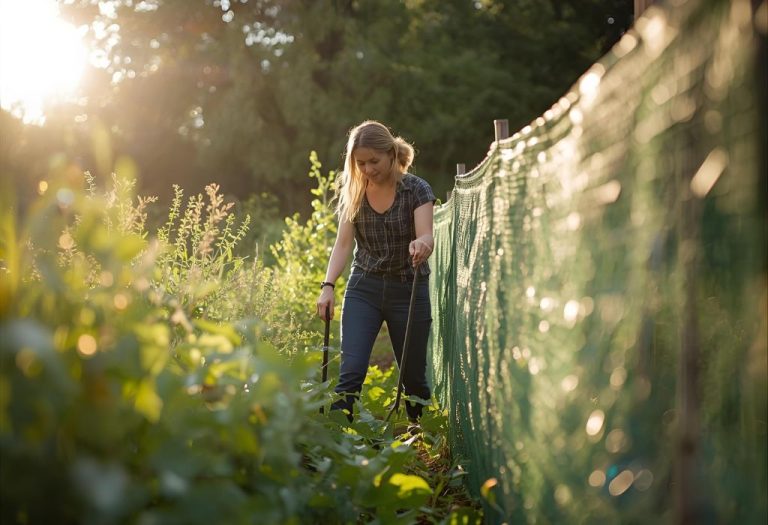
A gardener strolling through a vegetable patch or flower bed often notices weeds sprouting between rows and wonders whether pulling them is always necessary.
The idea of leaving weeds in place may sound easier than constant weeding, but it raises questions about soil health, crop growth, and long-term garden balance.
Some gardeners view weeds only as nuisances that rob plants of resources, while others believe they play a hidden role in biodiversity and soil protection.
The truth is that weeds can be both beneficial and harmful depending on the type, location, and stage of growth, making the decision less straightforward.
According to University of California Agriculture, weeds can reduce crop yields by up to 34% if left unmanaged, showing their potential risk.
At the same time, certain weeds like clover or dandelions may provide pollinator food or enrich the soil with organic matter.
Understanding whether you can leave weeds in your garden requires weighing their ecological benefits against the potential harm they cause.
This complete guide explains what weeds are, when they can help, when they must be removed, and how to manage them sustainably in 2025.
What Are Weeds and Why Do They Grow in Gardens?
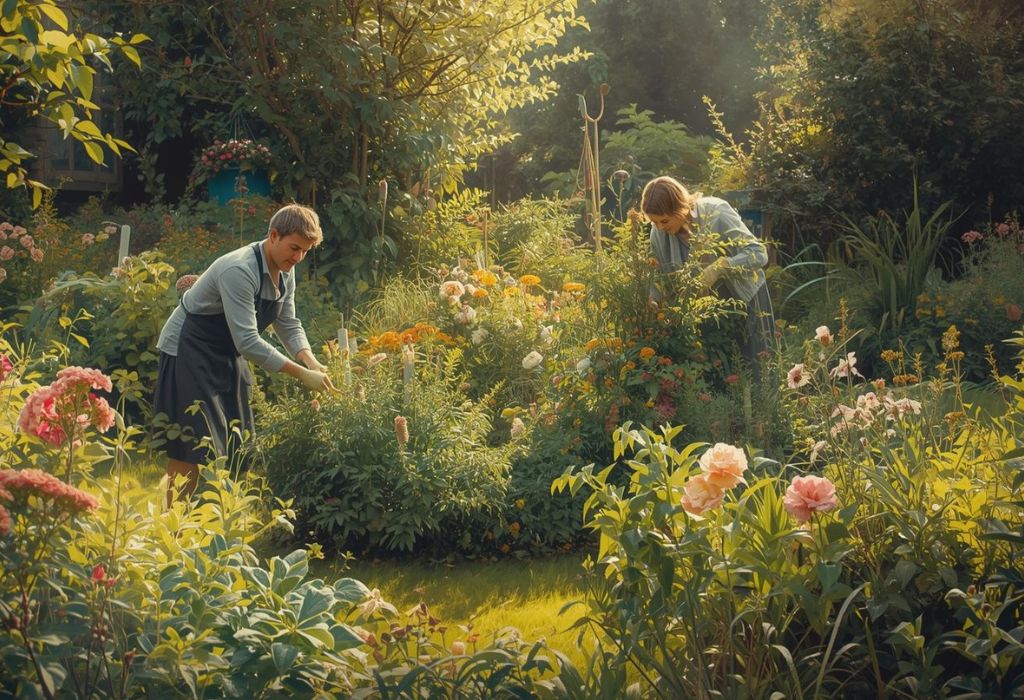
Weeds are simply plants growing where they are not wanted, and they thrive in gardens because disturbed soil provides ideal conditions. They often spread faster than cultivated crops, competing for space.
Common examples include dandelions, clover, chickweed, pigweed, and bindweed. Many of these arrive naturally through windblown seeds or birds.
Weeds grow quickly due to their ability to adapt, reproduce, and germinate under varied conditions. Their resilience often makes them harder to manage than planted crops.
They also play an ecological role by covering bare soil, reducing erosion, and providing food for insects, though this role can be both positive and negative.
What are weeds in gardens?
Plants that grow where they are not wanted.
Why do weeds spread fast?
They adapt quickly and reproduce easily.
Are dandelions weeds or flowers?
They are both, depending on perspective.
Do weeds have ecological roles?
Yes, they protect soil and feed wildlife.
Are all weeds bad?
No, some are beneficial to gardens.
Potential Benefits of Leaving Weeds
Some weeds add organic matter to the soil as they break down, improving fertility and structure. Others bring up nutrients from deep layers through their roots.
Weeds like dandelions and clover attract bees, butterflies, and other pollinators that benefit nearby crops. They provide essential nectar during times when other flowers are scarce.
Ground-covering weeds can prevent soil erosion, especially in areas prone to heavy rain or wind. This helps maintain soil stability and protects delicate plants.
Certain weeds act as living mulch, shading soil and reducing evaporation. This helps retain moisture for other plants in the garden.
Do weeds help soil health?
Yes, some improve fertility and structure.
Can weeds attract pollinators?
Yes, many provide nectar and pollen.
Do weeds prevent erosion?
Yes, they protect soil from washing away.
Are weeds useful as mulch?
Yes, some provide natural ground cover.
Can weeds support biodiversity?
Yes, they increase plant and insect diversity.
Risks of Leaving Weeds in the Garden

Weeds compete directly with vegetables and flowers for nutrients, water, and sunlight. This often reduces crop yield and slows growth.
Invasive weeds like bindweed and thistle spread aggressively and quickly take over garden spaces. They can choke out desirable plants within weeks.
Weeds also harbor pests such as aphids, beetles, and mites. Some even spread fungal diseases that harm crops.
If left unchecked, weeds can drastically alter the balance of a garden ecosystem. For productive gardens, control is often necessary.
Do weeds steal nutrients?
Yes, they compete with crops for food.
Are invasive weeds dangerous?
Yes, they spread aggressively and dominate.
Do weeds carry pests?
Yes, they attract harmful insects.
Do weeds lower crop yields?
Yes, they reduce growth and harvest.
Is weed management necessary?
Yes, especially for food gardens.
Beneficial vs Harmful Weeds: How to Tell the Difference
Beneficial weeds include clover, which adds nitrogen to soil, and dandelions, which offer pollinator food. Plantain and chickweed are also mild and manageable.
Harmful weeds include bindweed, pigweed, and Canada thistle. These spread quickly and outcompete vegetables and flowers.
Some weeds provide shade or organic matter when controlled, but others damage productivity. Recognizing which type is present is critical.
Learning to distinguish beneficial from harmful weeds helps gardeners decide whether to pull or leave them.
Which weeds are beneficial?
Clover, dandelions, chickweed, and plantain.
Which weeds are harmful?
Bindweed, pigweed, and thistle.
Can weeds provide nitrogen?
Yes, clover enriches soil with nitrogen.
Do weeds ever protect soil?
Yes, some reduce erosion.
How do I tell good vs bad weeds?
By learning plant types and growth behavior.
Can Weeds Be Used as Natural Mulch or Compost?
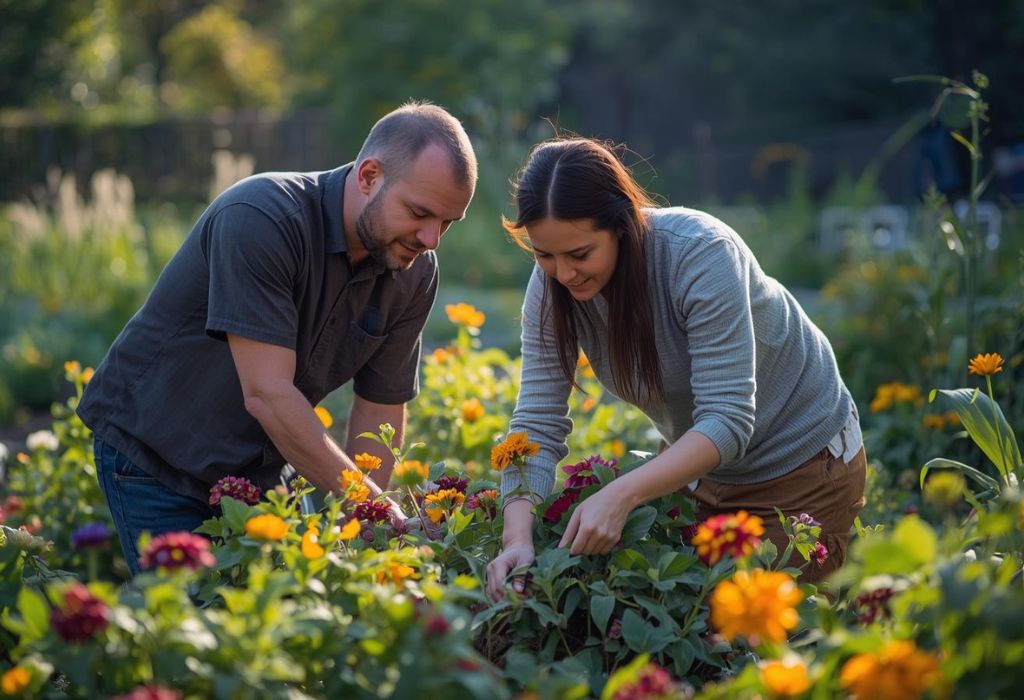
Weeds cut before they seed can be used as natural mulch. They add a protective layer that conserves moisture and blocks other weeds.
Composting weeds is possible, but compost piles must reach high heat to kill seeds. Otherwise, weeds may spread when compost is applied.
Some gardeners use weeds as “green manure,” turning them back into soil to improve fertility. This practice can reduce the need for chemical fertilizers.
Caution is necessary, as certain aggressive weeds survive composting and spread if not properly handled.
Can weeds be composted?
Yes, but heat is needed to kill seeds.
Do weed seeds survive composting?
Yes, in low-heat piles they often survive.
Are weeds safe as mulch?
Yes, if cut before flowering or seeding.
Can weeds replace store-bought mulch?
Yes, they provide similar benefits.
What’s the best way to compost weeds?
Maintain high heat in the compost pile.
Situations Where Leaving Weeds May Be Helpful
Weeds can be left in unused beds to protect soil from erosion and drying. They keep the soil alive until the bed is needed again.
In pollinator gardens, weeds like clover and dandelions offer nectar sources that attract bees and butterflies. These insects then pollinate vegetables and flowers.
On slopes or erosion-prone areas, weeds stabilize soil and reduce runoff. Their roots anchor soil particles during storms.
Wildlife and natural gardens may also benefit from weed growth, as they increase biodiversity. However, edible gardens require more careful control.
Can I leave weeds in empty beds?
Yes, they protect unused soil.
Are weeds good for pollinator gardens?
Yes, they feed bees and butterflies.
Do weeds help erosion control?
Yes, roots stabilize soil against runoff.
Can weeds improve biodiversity?
Yes, they support more species.
Should I leave weeds near vegetables?
No, they compete too strongly.
Best Practices for Managing Weeds
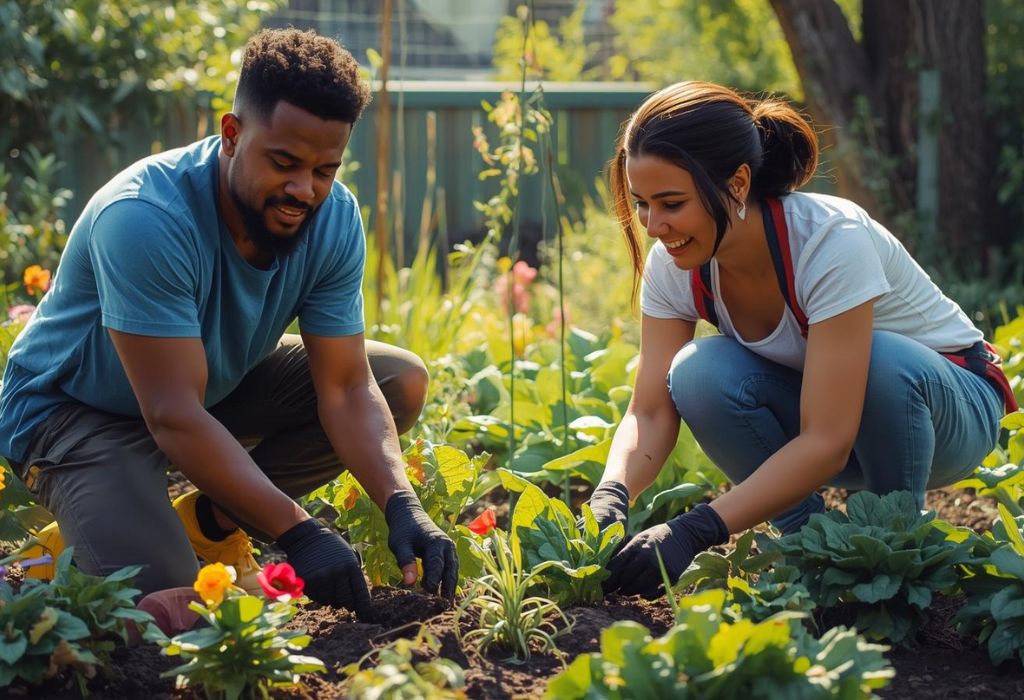
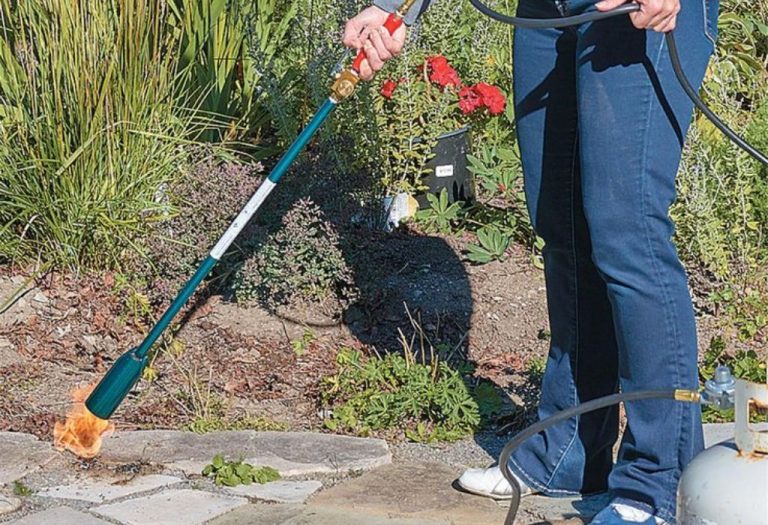
Remove invasive and aggressive weeds immediately to prevent spreading. Allowing them to stay will only create more problems.
If leaving weeds, choose safe ones and keep them under control. Trimming prevents them from flowering and setting seeds.
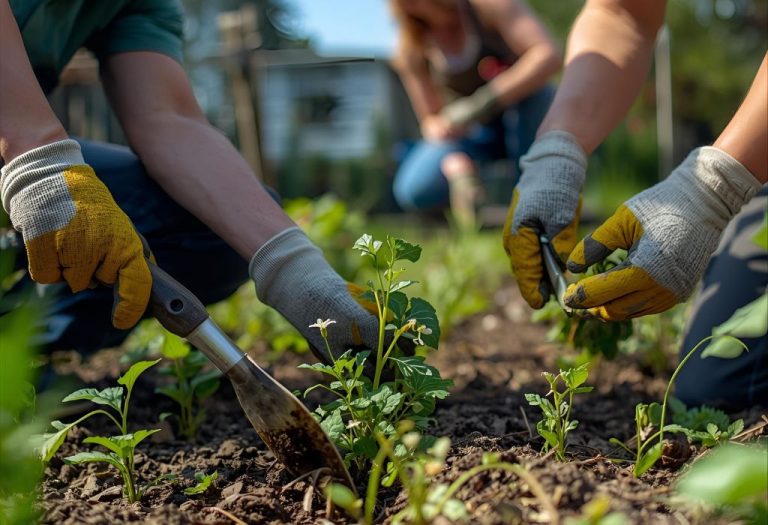
Weed management can be improved with mulching, crop rotation, and hand-pulling. These reduce the overall weed load in a garden.
Using sustainable practices keeps the garden productive while maintaining ecological balance. The goal is management, not complete elimination.
Should I pull all weeds?
No, only the harmful or invasive ones.
Can I control weeds without chemicals?
Yes, by mulching, rotating, and pulling.
Do I need to weed every week?
Yes, frequent control prevents spreading.
What’s the safest weed control?
Hand-pulling and mulching.
How to manage weeds sustainably?
Balance removal with soil protection.
Conclusion
Weeds are not always harmful, and in some cases, they provide benefits like soil protection, biodiversity, and pollinator support. However, many weeds compete with crops, carry pests, and reduce yields.
Learning to identify beneficial versus harmful weeds is the key to making smart decisions. Leaving safe weeds in certain areas can be strategic, while removing aggressive ones protects productivity.
Weeds can also be repurposed as compost or mulch, turning a problem into a resource. The approach depends on your garden’s goals and conditions.
Final advice: you can leave some weeds in your garden if they are beneficial and controlled, but invasive or harmful weeds should always be removed for healthy, sustainable gardening.

I’m Maya L. Greenwood, a lifelong plant lover who believes anyone can grow something beautiful with the right guidance. After years of testing soil mixes, pruning methods, irrigation tricks, and pest-safe solutions, I started EasyGardenTips.com to turn hard-won lessons into step-by-step advice. From seed starting and container gardens to composting and seasonal checklists, my goal is to make gardening simple, sustainable, and fun.