Can Chickens Eat Weeds From the Garden? Complete 2025 Guide
A backyard chicken owner often notices their flock eagerly pecking at patches of green, pulling at dandelions, clover, and other common weeds that sprout in the garden.
The sight may raise questions about whether these weeds are safe for chickens to eat or whether they could pose hidden dangers.
For many, the idea of letting chickens forage on garden weeds feels like a natural way to provide them with free food and enrichment.
The reality is that while some weeds are packed with nutrients and perfectly safe, others are toxic and should never be fed to chickens.
According to the USDA, backyard chicken ownership has grown by more than 400% in the past decade, which means more people are asking about safe foraging practices.
Allowing chickens to eat weeds not only supplements their diet but also reduces feed costs and helps keep the garden cleaner.
However, it is important to identify which weeds are beneficial and which should be avoided to keep your flock healthy.
This complete guide explores safe weeds, toxic plants, nutritional benefits, and the best practices for letting chickens forage in your garden.
Do Chickens Naturally Eat Weeds?
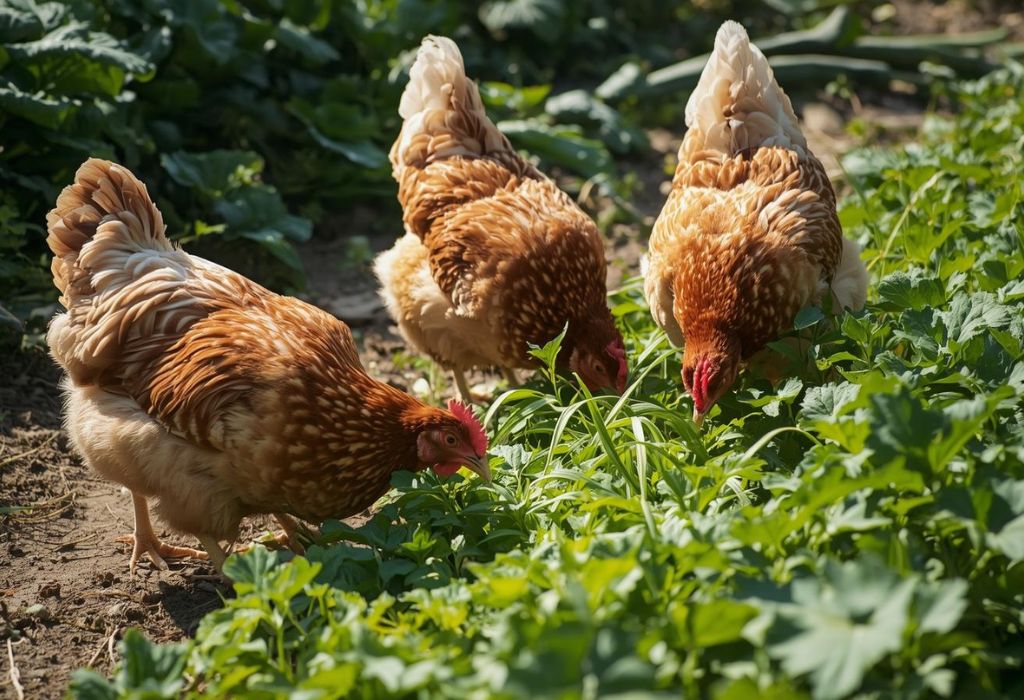
Chickens are natural foragers with instincts to scratch, peck, and explore their environment for food. Weeds are often part of their diet when allowed to free-range.
In the wild or backyard, chickens consume a mix of seeds, grasses, insects, and weeds. This variety keeps them entertained and nourished.
Weeds offer a natural source of vitamins and minerals, especially when chickens have limited access to commercial feed supplements. Eating weeds also improves digestion due to higher fiber intake.
While chickens enjoy weeds, not all plants are safe. Careful observation is necessary to avoid exposing them to toxic vegetation.
Do chickens eat weeds naturally?
Yes, foraging is part of their instinctive behavior.
Are weeds good for chickens?
Yes, safe weeds provide nutrients and variety.
Do chickens prefer certain weeds?
Yes, they enjoy clover, dandelions, and chickweed.
Can weeds replace chicken feed?
No, they are supplements, not full feed.
Do weeds keep chickens entertained?
Yes, scratching and pecking prevents boredom.
Safe Garden Weeds Chickens Can Eat
Many common garden weeds are both safe and nutritious for chickens. Dandelions are among the healthiest, with edible leaves, flowers, and roots.
Clover is another excellent option, providing protein and energy for chickens. It grows easily and is often available in lawns.
Chickweed and plantain are highly nutritious and enjoyed by most flocks. They support digestion and contain essential vitamins.
Other safe weeds include purslane and lamb’s quarters, which offer beneficial minerals and antioxidants. These weeds add variety to the chicken diet.
Can chickens eat dandelions?
Yes, all parts of the plant are safe.
Is clover safe for chickens?
Yes, it is rich in protein and fiber.
Do chickens like chickweed?
Yes, it is soft and palatable.
Is purslane good for chickens?
Yes, it contains omega-3 fatty acids.
Can they eat lamb’s quarters?
Yes, it is nutritious and safe.
Weeds That Are Toxic to Chickens
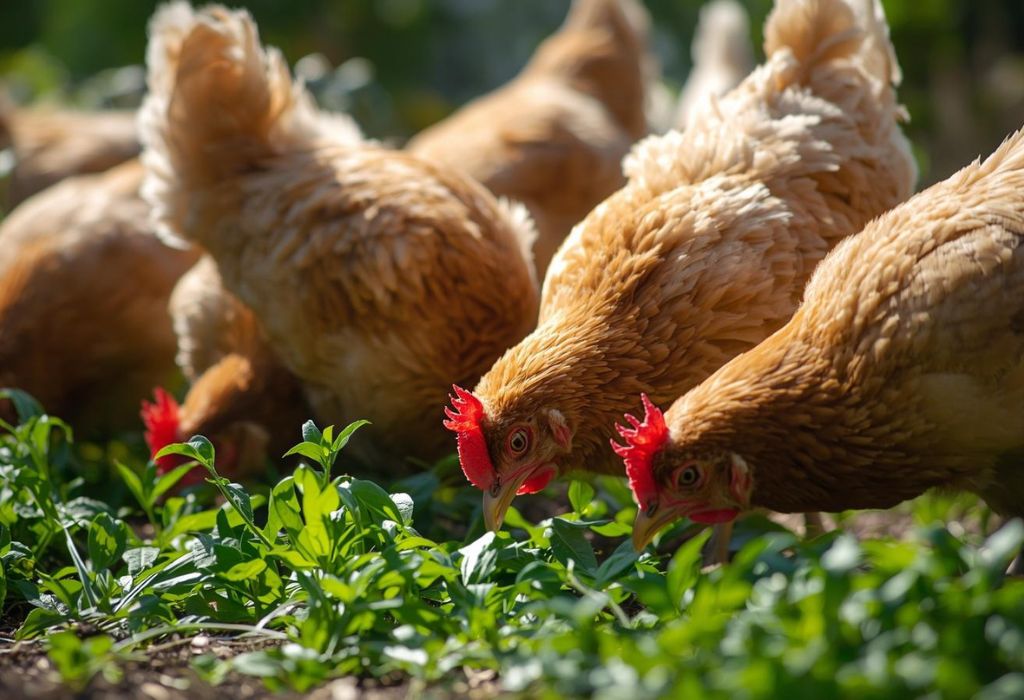
Not every weed is safe for chickens, and some can be highly toxic. Nightshade family plants, including deadly nightshade and black nightshade, contain harmful compounds.
Buttercups are another common weed that should be avoided, as they can irritate and poison chickens. Foxglove and hemlock are extremely toxic and even small amounts can be fatal.
Poison ivy and poison oak are unsafe because of skin-irritating oils that can also harm chickens if ingested. Rhubarb leaves are another common danger in gardens.
Proper weed identification is essential before allowing chickens to forage. When in doubt, remove unknown plants from the chicken area.
Are all weeds safe for chickens?
No, some are toxic and dangerous.
Which weeds are poisonous?
Nightshade, buttercups, foxglove, and hemlock.
Can chickens eat nightshade weeds?
No, they are highly toxic.
Is poison ivy dangerous for chickens?
Yes, it can irritate and harm them.
What happens if chickens eat toxic weeds?
They may become sick or die.
Nutritional Benefits of Chickens Eating Weeds
Weeds offer a range of nutrients that support chicken health. They contain vitamins A, C, and K, along with minerals like calcium and iron.
Fiber from weeds supports digestive function and aids the gizzard in grinding food properly. This improves overall nutrient absorption.
The variety of weeds adds natural antioxidants to the chicken diet. These compounds strengthen the immune system and improve egg quality.
Providing weeds also reduces reliance on commercial feed. It lowers feeding costs and encourages a more balanced diet.
Do weeds improve chicken health?
Yes, they add nutrients and fiber.
Do weeds improve egg quality?
Yes, richer diets improve yolk color and strength.
Can weeds replace vitamins?
Partially, but feed supplements are still needed.
Do weeds reduce feed costs?
Yes, they act as free natural supplements.
Is fiber important for chickens?
Yes, it improves digestion and health.
How to Introduce Weeds Safely to Chickens
The best way to introduce weeds is gradually, offering small amounts first. This allows you to observe the flock for any negative reactions.
Always ensure that weeds come from chemical-free areas. Pesticides, herbicides, and fertilizers can make even safe plants harmful.
Weeds should be rinsed to remove dirt, insects, and potential contaminants before feeding. This improves safety and reduces risk.
Finally, weeds should supplement a balanced diet rather than replace it. Chickens need formulated feed for complete nutrition.
How to feed weeds to chickens?
Offer small amounts alongside feed.
Should I wash weeds first?
Yes, to remove chemicals and dirt.
Can pesticides harm chickens?
Yes, even trace amounts are dangerous.
Do I need to limit weed intake?
Yes, weeds should be supplements only.
How to test new weeds safely?
Introduce gradually and observe health.
Can Chickens Control Weeds in the Garden?
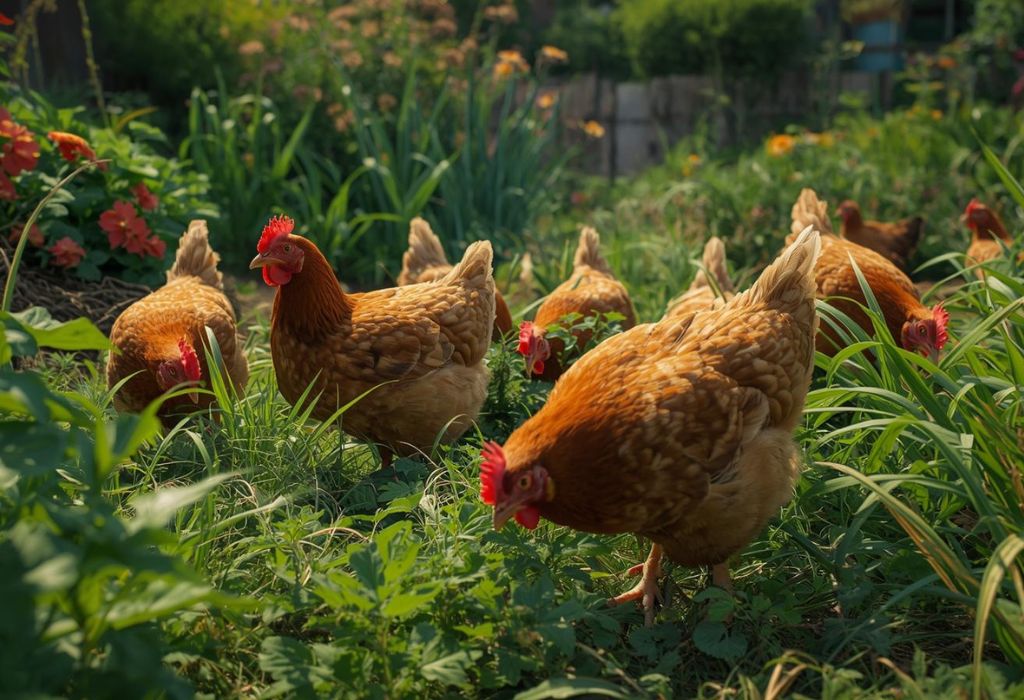
Chickens can play a role in natural weed control when allowed to forage. They scratch, peck, and eat many weeds growing in garden areas.
This reduces the need for manual weeding in paths and unused beds. Chickens may also eat weed seeds before they spread.
At the same time, chickens help control insects and pests. Their natural behaviors contribute to a healthier garden ecosystem.
However, chickens may also damage crops if left unsupervised. Their scratching can uproot young plants and disturb soil.
Do chickens help with weed control?
Yes, they reduce weeds while foraging.
Can chickens replace weeding?
Partially, but not completely.
Do chickens damage crops?
Yes, they can disturb plants.
Can chickens control pests too?
Yes, they eat insects as well as weeds.
Should chickens free-range in gardens?
Yes, but supervision is needed.
Best Practices for Letting Chickens Forage Weeds
Rotate chickens through different areas to prevent overgrazing. This ensures that weeds regrow and the soil remains healthy.
Fencing helps protect valuable crops from being eaten or trampled. Chickens should only access areas designated for foraging.
Supervision is important, especially in gardens with both safe and unsafe weeds. Chickens do not always distinguish between the two.
Provide grit along with weeds to help chickens digest fibrous material. This improves nutrient absorption and prevents digestive issues.
Should I rotate chicken foraging areas?
Yes, to protect soil and weeds.
Do I need fencing?
Yes, to protect crops from damage.
Do chickens need grit for weeds?
Yes, it aids digestion.
Can free-ranging be unsupervised?
No, supervision ensures safety.
What’s the best time for foraging?
Daytime with supervision.
Conclusion
Chickens can eat many common weeds from the garden safely, but some are toxic and must be avoided. Identifying the difference is critical for flock health.
Safe weeds like dandelions, clover, and chickweed provide vitamins, minerals, and fiber that support digestion and improve egg quality. Toxic weeds like nightshade, buttercup, and foxglove should be removed from chicken areas.
Weeds supplement commercial feed, lower costs, and keep chickens engaged through natural foraging behavior. They also help reduce weeds and pests in the garden.
Final advice: let your chickens enjoy safe garden weeds, supervise their foraging, and always ensure a balanced diet for long-term health and productivity.

I’m Maya L. Greenwood, a lifelong plant lover who believes anyone can grow something beautiful with the right guidance. After years of testing soil mixes, pruning methods, irrigation tricks, and pest-safe solutions, I started EasyGardenTips.com to turn hard-won lessons into step-by-step advice. From seed starting and container gardens to composting and seasonal checklists, my goal is to make gardening simple, sustainable, and fun.