What Can I Use to Kill Weeds in My Garden? Safe and Effective Solutions
A gardener steps outside to admire rows of vegetables and flowers, only to see weeds spreading faster than the plants they worked hard to grow. The weeds steal water, sunlight, and nutrients, leaving the desired plants weak and vulnerable.
The immediate question becomes what can I use to kill weeds in my garden without harming the soil or nearby crops. Weeds are more than just an eyesore.
They compete aggressively for resources and act as hosts for pests and plant diseases that can damage entire gardens. The Food and Agriculture Organization estimates that weeds cause up to 34% yield loss in global crops, proving their destructive impact worldwide (FAO).
The problem is not limited to farms, as household gardens also suffer. The U.S. Environmental Protection Agency reports that American households spend over $11 billion annually on weed control, showing how common this battle is for gardeners (EPA).
These numbers highlight why controlling weeds is essential for both productivity and aesthetics. Some gardeners reach for chemical herbicides, while others prefer natural and organic alternatives.
Each method has advantages and risks, and the right choice depends on the type of garden and personal preferences. Options include mulch, vinegar, boiling water, selective herbicides, and even flame weeders.
The key is knowing which solutions provide long-term effectiveness without damaging the soil or surrounding plants. This guide explores natural remedies, chemical options, eco-friendly solutions, and expert tips for long-term weed management.
By the end, you will know exactly what to use to keep your garden healthy, productive, and weed-free.
Why Weed Control Is Essential
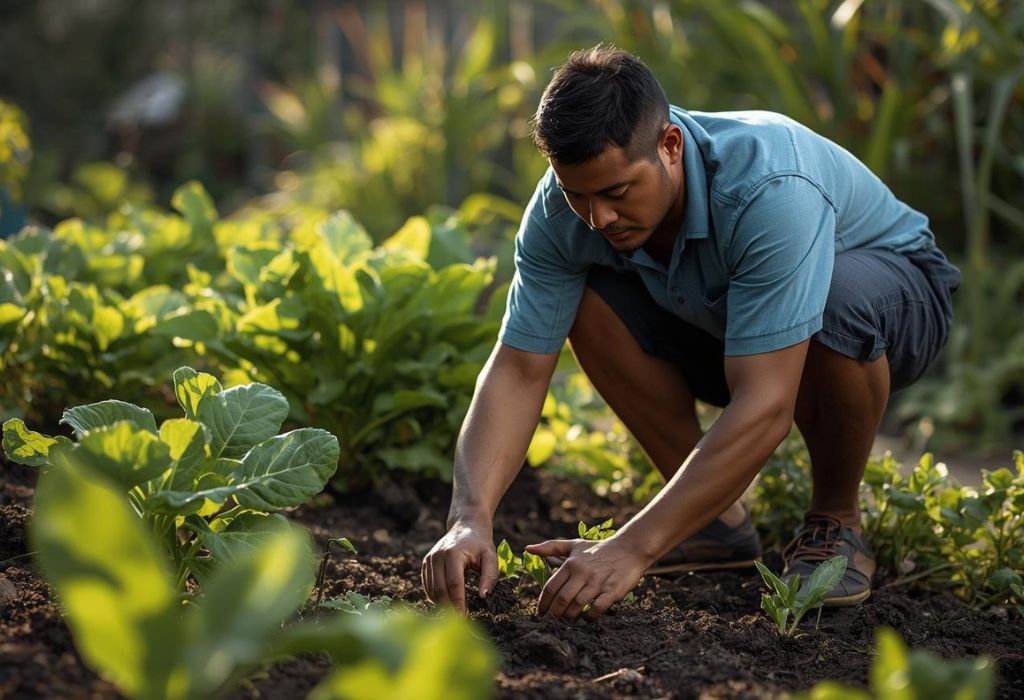
Weeds are not just unwanted plants; they are strong competitors for nutrients, water, and sunlight. Their rapid growth can choke out vegetables, flowers, and herbs before they establish themselves.
Many weeds act as hosts for pests and plant diseases. Leaving them unchecked can spread problems across the entire garden.
Why do weeds harm gardens?
They steal resources from plants you want to grow.
Do weeds attract pests?
Yes, they provide shelter for insects and diseases.
Can weeds reduce harvest?
Yes, they lower both yield and crop quality.
Is weed control necessary in flower gardens?
Yes, it keeps flowers healthy and attractive.
What Can I Use to Kill Weeds Naturally?
Natural methods are safe, inexpensive, and environmentally friendly. Mulching with straw, wood chips, or compost creates a barrier that blocks sunlight, stopping weed growth.
Boiling water poured directly on weeds scalds them at the root. Vinegar, especially horticultural vinegar, is effective at killing weeds but must be used carefully to avoid harming nearby plants.
Salt-based sprays can also dehydrate weeds, though they should not be overused as they affect soil health. Corn gluten meal works as a pre-emergent, preventing weed seeds from sprouting in the first place.
Does mulch stop weeds?
Yes, it prevents sunlight from reaching the soil.
Is vinegar safe for gardens?
Yes, but avoid contact with desirable plants.
Does boiling water kill weeds?
Yes, especially in pathways and cracks.
Can corn gluten prevent weeds?
Yes, it reduces seed germination.
Chemical Weed Killers – What You Should Know
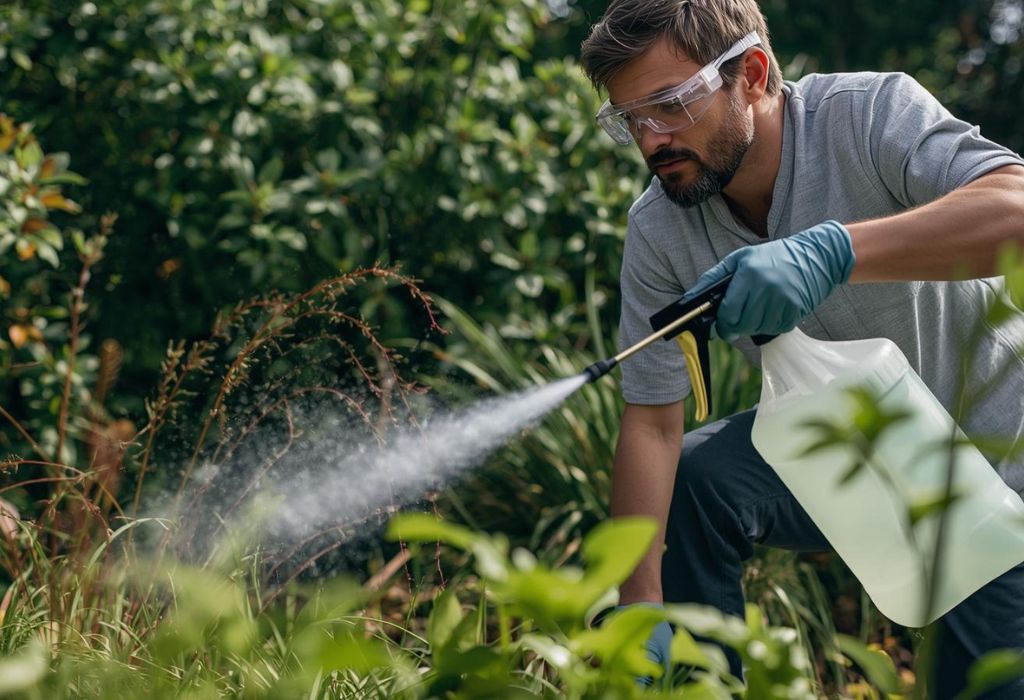
Chemical herbicides are fast and powerful but come with risks. Selective herbicides target specific weeds while leaving grass or plants unharmed.
Non-selective herbicides like glyphosate kill any vegetation they touch, making them unsuitable near flowers or vegetables. Long-term use of chemicals can affect soil health and potentially harm pollinators.
Many gardeners now limit chemical use because of environmental concerns. When applied, chemicals must be used strictly according to instructions to avoid harmful side effects.
What is a selective herbicide?
It kills weeds but spares other plants.
What is a non-selective herbicide?
It destroys all vegetation it touches.
Is glyphosate safe to use?
It’s effective but controversial due to health risks.
Should I spray chemicals near vegetables?
No, avoid chemicals in food gardens.
Organic and Eco-Friendly Alternatives
Eco-friendly solutions reduce harm to soil and the environment. Homemade sprays made from vinegar, dish soap, and salt dehydrate weeds effectively.
Flame weeders use heat to burn weeds without chemicals, making them ideal for driveways and garden paths. Manual hand-weeding, though time-consuming, remains one of the most effective solutions for deep-rooted weeds.
Cover crops like clover or rye naturally suppress weeds by crowding out unwanted growth. These methods improve soil while reducing reliance on synthetic products.
Are homemade sprays effective?
Yes, but they need repeated applications.
Do flame weeders work?
Yes, they destroy weeds with direct heat.
Is hand-weeding necessary?
Yes, especially for stubborn weeds.
Can cover crops prevent weeds?
Yes, they fill open soil space.
Preventing Weeds Before They Grow
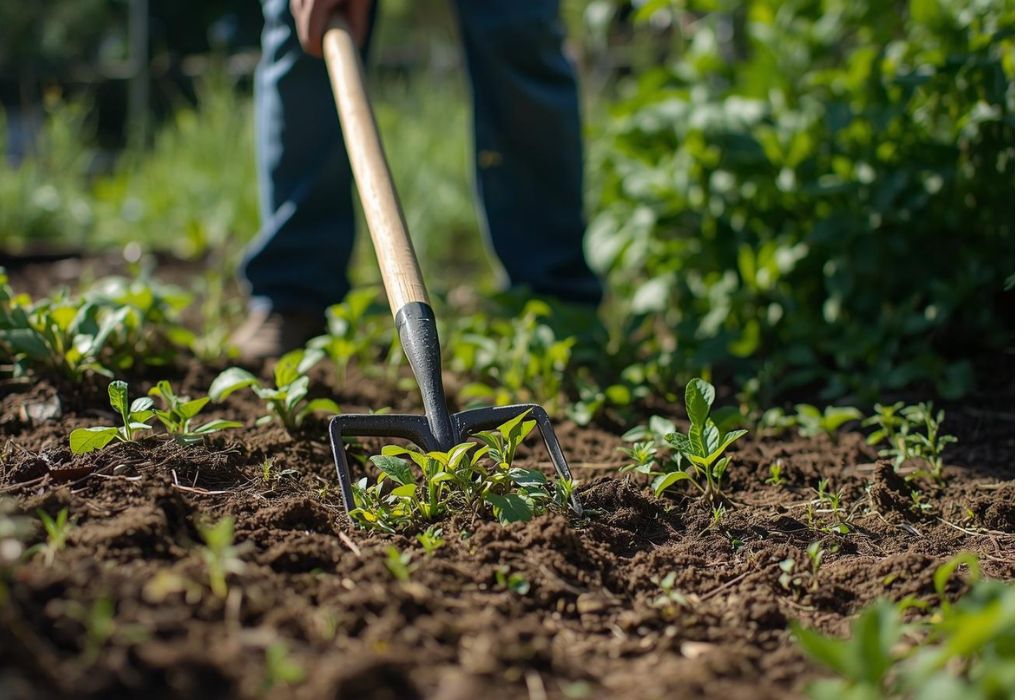
Prevention is easier than constant removal. Laying landscape fabric or weed barriers under mulch stops weeds from sprouting.
Crop rotation in vegetable gardens interrupts weed cycles and promotes healthier soil. Applying compost improves soil structure, helping desired plants outcompete weeds.
Watering only at plant bases using drip irrigation discourages weed germination. Keeping soil covered and managed reduces weed problems long-term.
What is the best weed barrier?
Landscape fabric blocks most weeds.
Does crop rotation help?
Yes, it prevents weed cycles from repeating.
Can compost reduce weeds?
Yes, it supports healthier soil.
Does watering style affect weeds?
Yes, drip irrigation reduces weed growth.
Safe Weed Control for Vegetable Gardens
Vegetable gardens need special care because of food safety. Chemicals should be avoided to prevent contamination.
Natural remedies like mulch, hand-weeding, and vinegar sprays are best for edible crops. Organic-approved herbicides may also be safe if labeled for vegetable use.
Companion planting with herbs and cover crops reduces open soil, leaving little room for weeds. These eco-friendly methods protect both plants and people.
Can I use chemicals in vegetable gardens?
No, avoid them near food crops.
What natural method works best here?
Mulch, hand-weeding, and vinegar sprays.
Are organic sprays safe?
Yes, if approved for vegetables.
Does companion planting reduce weeds?
Yes, it covers exposed soil naturally.
Expert Tips for Long-Term Weed Management
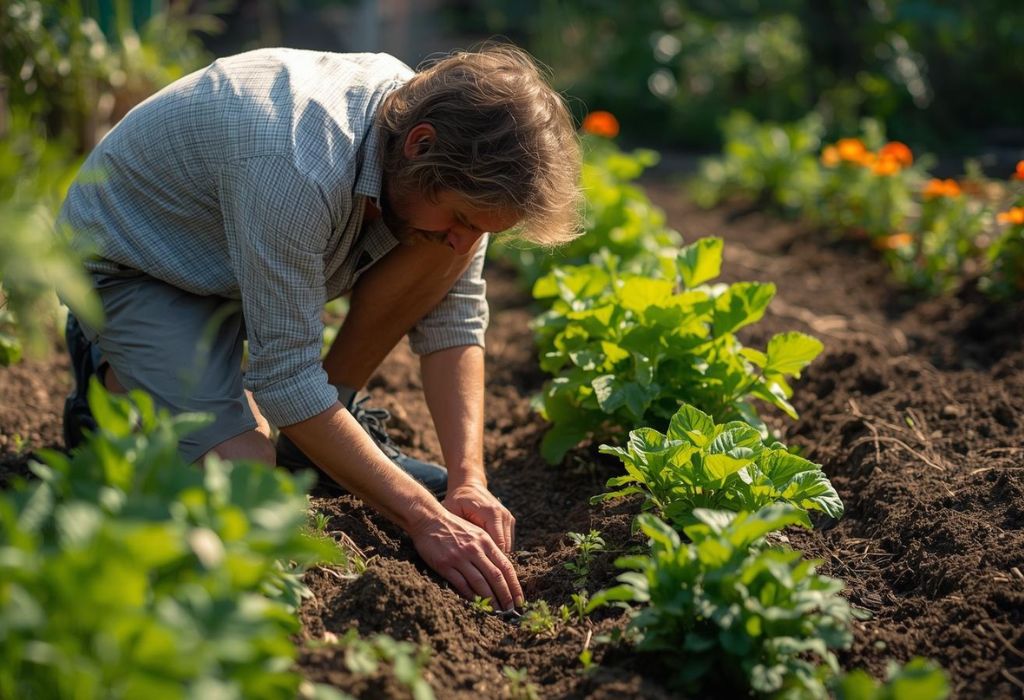
Consistency is key in weed control. Inspect your garden weekly and remove small weeds before they grow deep roots.
Combining multiple methods—mulch, manual removal, and barriers—produces the best long-term results. Investing in durable weeding tools saves time and effort.
Weed management is never a one-time job. Regular attention keeps gardens healthy and productive.
How often should I weed my garden?
At least once a week for best results.
Is one method enough?
No, combining methods works better.
Do tools make a difference?
Yes, quality tools reduce effort.
Is weed control a one-time job?
No, it requires regular maintenance.
Market Trends in Weed Control
Gardening trends favor eco-friendly approaches. Organic herbicides are gaining popularity as safer alternatives to chemicals.
Mulching and cover crops are increasingly popular for weed prevention. Consumers demand sustainable products that protect soil health.
Smart technology like robotic weeders is also emerging. These innovations aim to reduce labor and chemical dependency.
Are eco-friendly weed killers effective?
Yes, many compete with chemicals.
Is mulching becoming more popular?
Yes, it’s simple and effective.
Do people prefer organic gardening now?
Yes, demand is growing fast.
Are robotic weeders available?
Yes, they are entering the market.
Conclusion
The answer to what can I use to kill weeds in my garden depends on the type of garden and personal preference. Natural methods like mulch, vinegar, and hand-weeding are safe and effective.
Chemical herbicides are powerful but should be used carefully, especially around vegetables. Preventive measures like barriers and cover crops reduce long-term weed growth.
By combining natural, organic, and preventive strategies, you can keep your garden healthy, productive, and largely weed-free. The right approach ensures strong plants and fewer hours spent battling weeds.

I’m Maya L. Greenwood, a lifelong plant lover who believes anyone can grow something beautiful with the right guidance. After years of testing soil mixes, pruning methods, irrigation tricks, and pest-safe solutions, I started EasyGardenTips.com to turn hard-won lessons into step-by-step advice. From seed starting and container gardens to composting and seasonal checklists, my goal is to make gardening simple, sustainable, and fun.