How to Keep Weeds Out of Wildflower Garden: Proven Tips
A gardener admires the bright colors of blooming wildflowers but notices weeds creeping in from the edges.
The concern quickly shifts to how to keep weeds out of wildflower garden without harming the soil or flowers.
Weeds may look harmless at first but they compete fiercely for sunlight, water, and nutrients.
Over time, invasive weeds can choke out native wildflowers and reduce the diversity that makes the garden thrive.
The challenge is not only about beauty but also about the long-term survival of the plants.
Weeds are aggressive invaders that spread quickly by seeds, roots, or underground rhizomes.
Studies show that weeds cause up to 34% crop losses worldwide, which demonstrates their destructive power in gardens too (FAO).
In the United States, over $11 billion is spent each year on weed control efforts, proving how serious the problem is even at home garden levels (EPA).
These statistics show that weeds are not just a backyard nuisance but a global issue.
Wildflower gardens are especially vulnerable because they are designed to be natural and diverse.
Unlike traditional flower beds, they often lack the rigid borders and weed barriers that block intruders.
Fortunately, there are proven methods to prevent weeds while still supporting healthy flower growth.
Simple steps like soil preparation, mulching, dense planting, and natural weed control make all the difference.
This guide will walk through strategies to help you keep your wildflower garden beautiful, resilient, and free of weeds season after season.
Why Weeds Threaten Wildflower Gardens
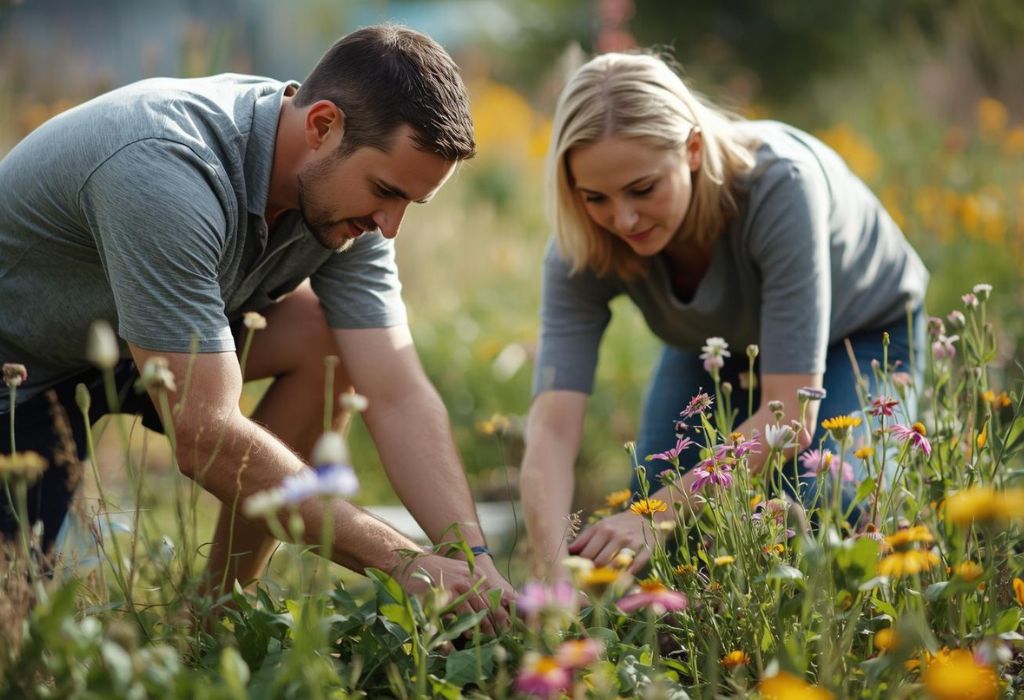
Weeds pose a serious threat to wildflower gardens because they consume the same resources as flowers. They take water, nutrients, and sunlight, which leaves wildflowers weaker and less likely to thrive.
Invasive weeds grow aggressively and spread quickly. Some even release chemicals that suppress the growth of nearby plants.
Why are weeds bad for wildflower gardens?
They compete with flowers for nutrients, water, and sunlight.
Can weeds kill wildflowers?
Yes, invasive weeds can overtake and choke flowers.
Do weeds spread fast?
Yes, many multiply quickly by seeds or roots.
Can weeds harm pollinators?
Yes, they disrupt natural plant-pollinator ecosystems.
Preparing the Soil to Prevent Weeds
Soil preparation is one of the best defenses against weeds. Clearing out existing weeds before planting prevents long-term infestations.
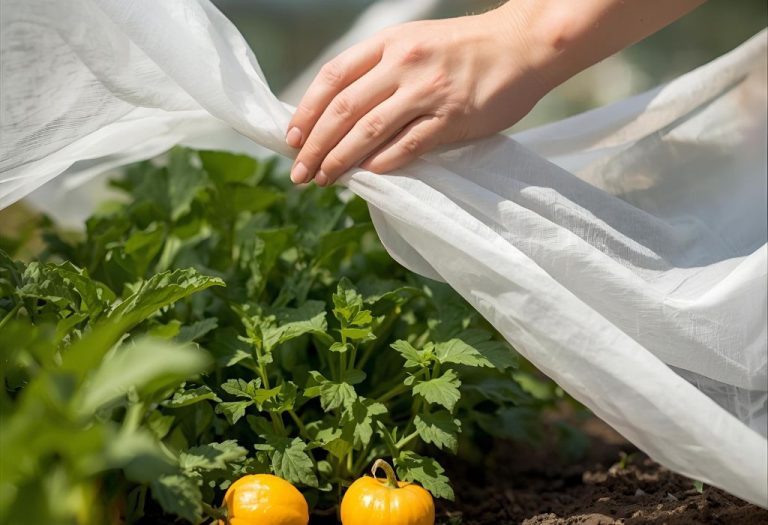
Solarization, where clear plastic is used to heat the soil, can kill seeds and roots. Smothering methods like cardboard or mulch also block weed growth effectively.
Choosing high-quality soil mixes with fewer seeds makes a difference. Healthy soil with the right nutrients supports strong flower growth that naturally resists weeds.
Should weeds be cleared before planting?
Yes, it prevents new weeds from spreading.
Does solarization stop weeds?
Yes, heat kills seeds and roots in the soil.
Can cardboard be used as a barrier?
Yes, it blocks sunlight and decomposes naturally.
Does soil type affect weeds?
Yes, poor soil encourages invasive species.
Mulching for Long-Term Weed Control
Mulch is one of the most effective ways to control weeds naturally. A thick layer of mulch blocks light from reaching weed seeds, stopping them from sprouting.
Organic mulch like straw, wood chips, or compost also improves soil health over time. Living mulch, such as ground-cover plants, provides an additional natural weed barrier.
Proper depth is key to effectiveness. A layer of 2–4 inches ensures strong weed suppression without suffocating wildflowers.
Does mulch really prevent weeds?
Yes, it blocks sunlight from reaching weed seeds.
How deep should mulch be?
Around 2–4 inches is recommended.
Can mulch improve soil?
Yes, organic mulch adds nutrients as it breaks down.
Is living mulch effective?
Yes, low-growing covers compete with weeds naturally.
Planting Density and Flower Selection
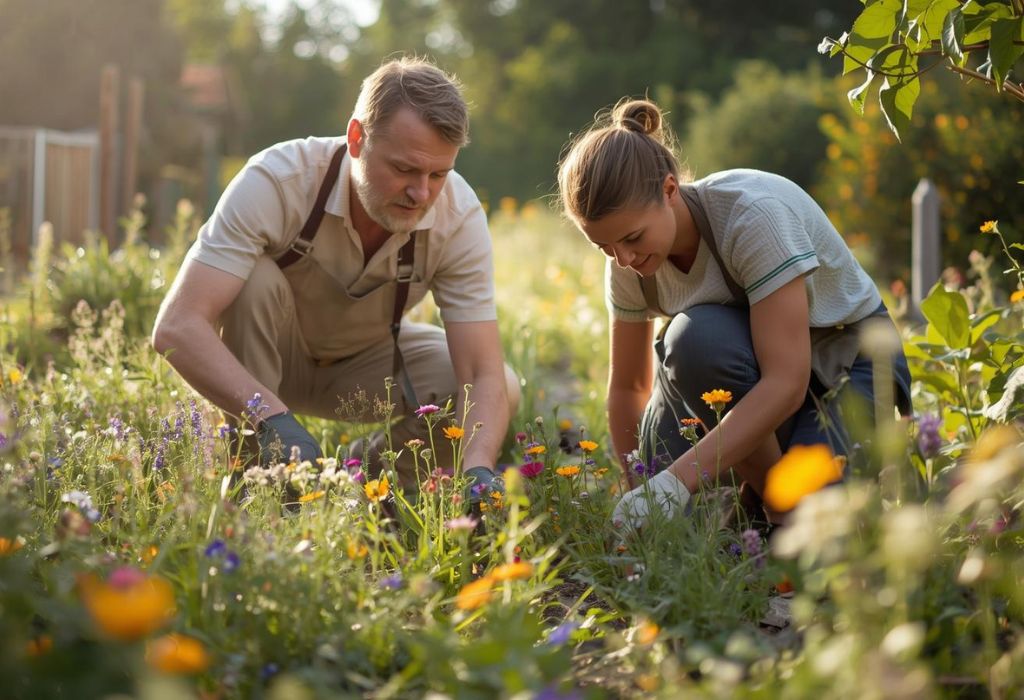
Planting wildflowers close together reduces the open space where weeds can grow. Dense planting creates shade that blocks weed seedlings.
Choosing aggressive native species helps them outcompete weeds. Companion planting strategies allow flowers to work together for natural weed control.
Planting in succession throughout the year ensures fewer gaps. Seasonal flowers provide coverage that keeps weeds from spreading.
Does dense planting stop weeds?
Yes, it shades soil and prevents seed growth.
Which flowers suppress weeds best?
Native perennials with strong roots.
Can companion planting reduce weeds?
Yes, flowers can create natural barriers.
Do seasonal flowers help weed control?
Yes, they leave less soil exposed.
Manual and Mechanical Weed Removal
Even the best prevention cannot eliminate all weeds. Regular hand-pulling remains one of the most reliable weed control methods.
Tools such as hoes, weeders, and cultivators make removal faster and easier. Timing is crucial, as weeds should be removed before they flower and spread seeds.
Creating a weekly or biweekly routine keeps weeds under control. Removing weeds early prevents them from becoming overwhelming.
Is hand-pulling effective?
Yes, especially for small infestations.
What tools help with weed removal?
Hoes, weed pullers, and cultivators.
When should weeds be removed?
Before they flower and spread seeds.
Should removal be scheduled?
Yes, consistent checks prevent large problems.
Natural and Organic Weed Control Methods
Natural weed control methods are safer for wildflowers and soil. Vinegar-based sprays can kill weeds on contact when applied directly.
Boiling water and flame weeding are useful for paths or non-plant areas. Corn gluten meal works as a pre-emergent that stops seeds from germinating.
Chemical herbicides should be avoided because they damage wildflowers. Organic approaches protect both plants and pollinators.
Is vinegar safe for weed control?
Yes, but apply directly to weeds only.
Can boiling water kill weeds?
Yes, it destroys roots immediately.
Is corn gluten meal effective?
Yes, it prevents seed germination.
Should chemical herbicides be used?
No, they harm wildflowers and soil health.
Preventing Weeds Through Maintenance
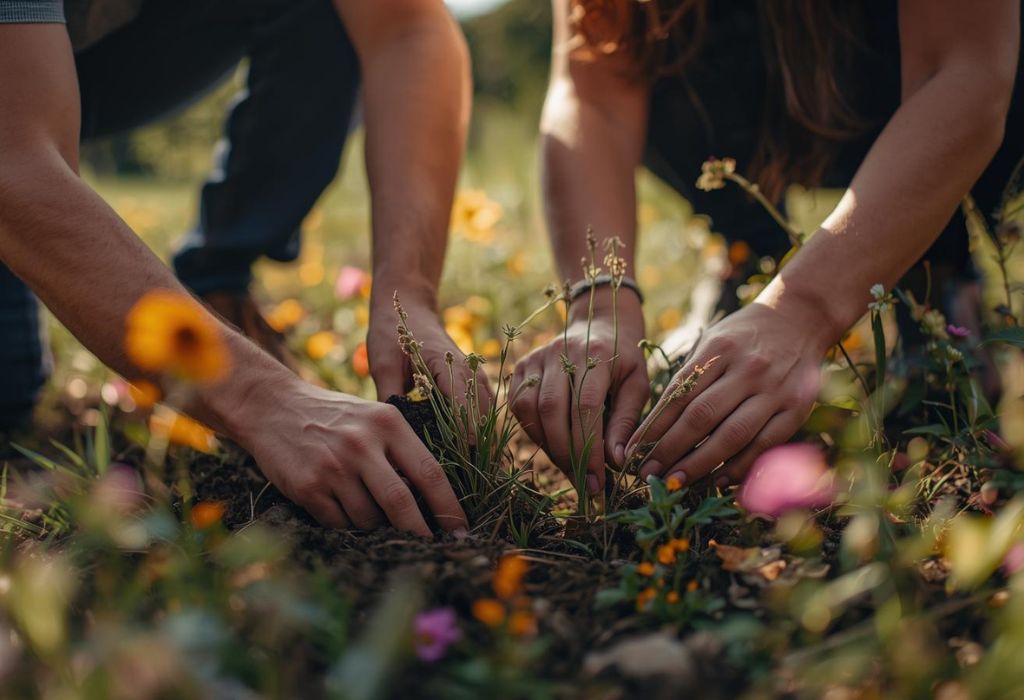
Consistent maintenance keeps weeds under control long-term. Healthy soil and proper watering help wildflowers grow strong and resist competition.
Mowing around the garden reduces outside weeds from spreading. Checking after storms or soil disturbances helps catch new weeds early.
Bare spots should be reseeded quickly. Open soil is an easy entry point for invasive plants.
Does strong soil reduce weeds?
Yes, healthy flowers outcompete invaders.
Should mowing be part of maintenance?
Yes, it stops nearby weeds from spreading.
Do storms bring more weeds?
Yes, disturbed soil allows weeds to sprout.
Why reseed empty spots?
It blocks weeds from taking over gaps.
Market Trends in Weed Control for Gardens
Eco-friendly methods are becoming more popular. Biodegradable mulches and natural weed barriers are widely available.
Native wildflower seeds are in high demand because they are more competitive. Living mulches are also growing in popularity as sustainable solutions.
Technology is advancing with smart tools that detect and manage weeds more efficiently. These trends show a shift toward sustainable gardening practices.
Are organic methods more popular?
Yes, gardeners prefer eco-friendly approaches.
Is biodegradable mulch effective?
Yes, it suppresses weeds and improves soil.
Are native seeds in demand?
Yes, they resist weeds better than non-native species.
Will technology improve weed control?
Yes, smart tools are entering the gardening market.
Conclusion
The answer to how to keep weeds out of wildflower garden lies in combining prevention with consistent care. Preparing soil, mulching, planting densely, and using natural methods all reduce weed growth.
Weeds will always try to return, but a strong strategy makes them manageable. With preparation and maintenance, your wildflower garden can stay vibrant and free of invasive plants.
By focusing on eco-friendly solutions, you protect pollinators, soil, and the long-term beauty of your space. A well-kept wildflower garden is not just weed-free but also healthier and more sustainable.

I’m Maya L. Greenwood, a lifelong plant lover who believes anyone can grow something beautiful with the right guidance. After years of testing soil mixes, pruning methods, irrigation tricks, and pest-safe solutions, I started EasyGardenTips.com to turn hard-won lessons into step-by-step advice. From seed starting and container gardens to composting and seasonal checklists, my goal is to make gardening simple, sustainable, and fun.