How to Keep Grass and Weeds Out of Garden
Every gardener eventually discovers that grass and weeds are the most stubborn invaders, competing fiercely with vegetables and flowers for sunlight, nutrients, and water.
Pulling weeds by hand may provide temporary relief, but without consistent prevention they almost always return, often stronger and more widespread than before.
When left unmanaged, weeds can quickly choke young plants, reduce yields, and turn a healthy garden into a patch of struggling crops.
Learning how to keep grass and weeds out of garden spaces is essential for saving time, protecting your harvest, and keeping beds clean and productive.
Fortunately, simple yet effective solutions like mulching, weed barriers, and regular maintenance can dramatically reduce unwanted growth and make gardening easier.
Ignoring weeds not only causes immediate competition for nutrients but also creates long-term soil problems that are much harder to correct.
According to the Food and Agriculture Organization (FAO), weeds are responsible for as much as 34% of crop yield losses worldwide, showing just how damaging they can be to both small gardens and large farms.
This guide shares proven methods, eco-friendly techniques, and long-term strategies to stop weeds and grass from taking over your garden once and for all.
Why Weeds and Grass Are a Problem in Gardens
Weeds and invasive grasses compete directly with crops and flowers for vital resources such as sunlight, water, and soil nutrients.
Because they grow quickly, they often overpower slower-growing vegetables and ornamentals, leaving gardens less productive.
Many weeds spread rapidly through seeds carried by wind, birds, or rain, while others spread through underground runners and roots that are hard to control.
Once established, they can be very difficult to remove completely without disturbing your garden soil.
Some weed species even release chemicals into the soil that harm surrounding plants, a process called allelopathy, which makes it harder for crops to grow.
This effect can reduce germination rates and stunt plant growth over time.
Weeds also attract pests such as insects and rodents and can harbor diseases that spread to your desired plants.
This makes them not only an aesthetic problem but also a major threat to garden health.
Why are weeds harmful in gardens?
They steal water, nutrients, and light from your plants.
Do weeds spread fast?
Yes, they spread through seeds, roots, and underground runners.
Can weeds damage soil health?
Yes, some weeds release harmful chemicals into the soil.
Do weeds attract pests?
Yes, they often provide shelter for insects and diseases.
Do weeds reduce harvest?
Yes, yields can drop by up to one-third or more.
Manual Weed and Grass Removal Methods
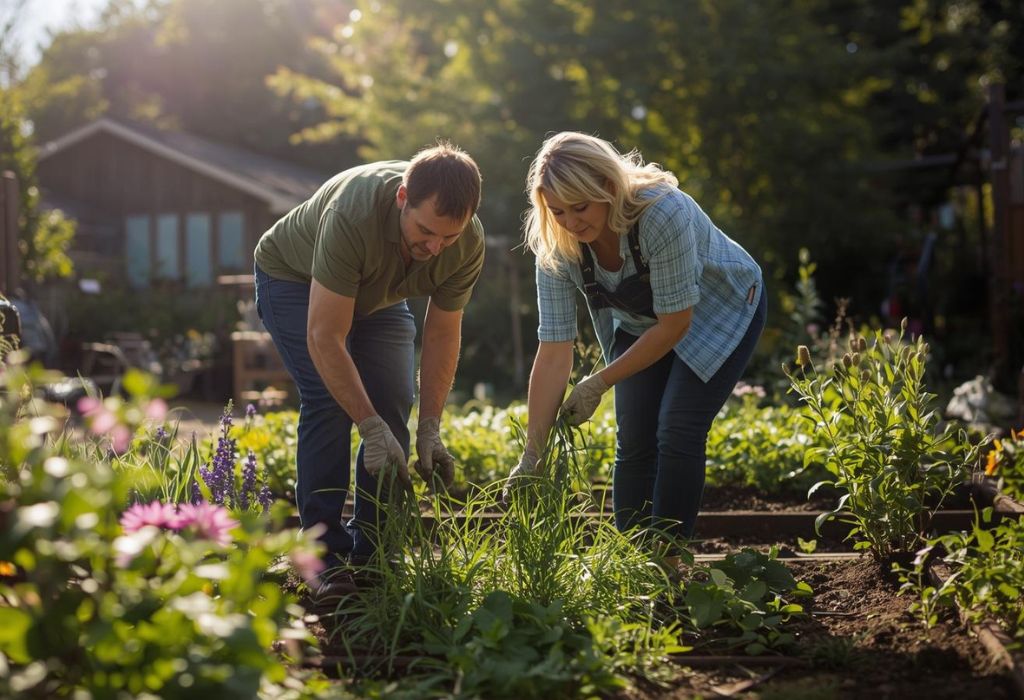
Hand-pulling weeds remains one of the most traditional and effective approaches, especially for small gardens.
The key is removing the entire root system so the weed cannot regrow.
Using hand tools such as hoes, dandelion diggers, and specialized weeders makes the process faster and more thorough.
These tools help loosen soil so roots can be pulled up completely.
It is always best to remove weeds before they flower and produce seeds, because once seeds are spread, new weeds will continue to appear for years.
A single weed can produce thousands of seeds, making timing critical.
The most effective time to pull weeds is after rainfall or irrigation when the soil is soft.
This reduces resistance and minimizes root breakage.
Is hand pulling effective?
Yes, if you remove the roots completely.
When is the best time to pull weeds?
Right after rain when the soil is moist and loose.
Do garden tools help?
Yes, they save time and reduce strain compared to hand pulling alone.
Should I remove weeds before seeding?
Yes, removing them before seed formation stops spread.
Can weeds regrow after pulling?
Yes, if even small pieces of root are left in the soil.
Mulching to Prevent Weeds
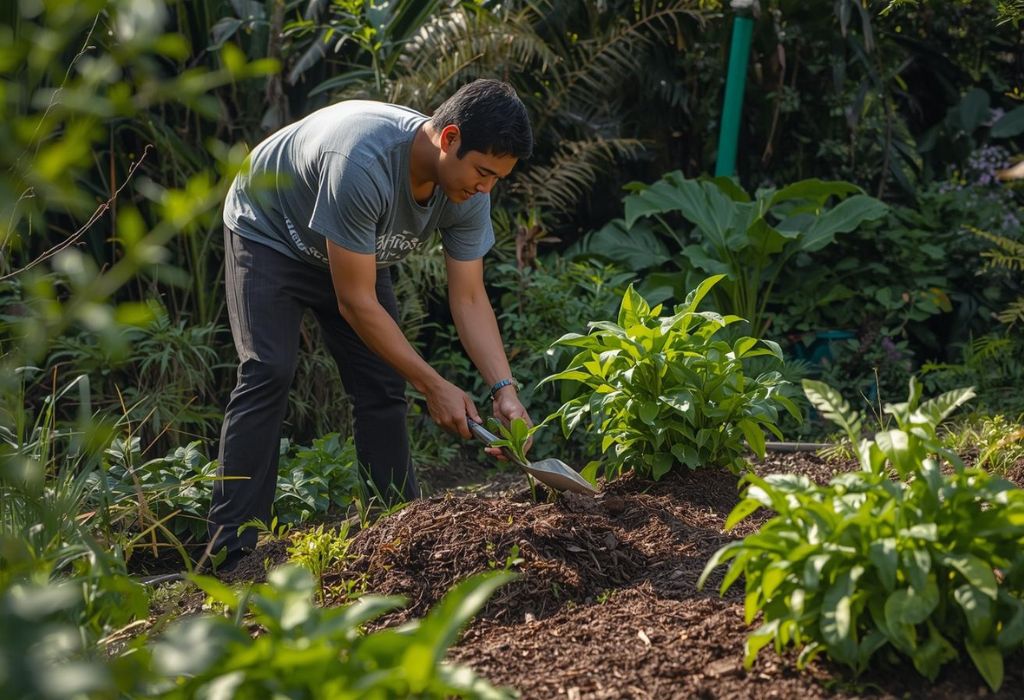
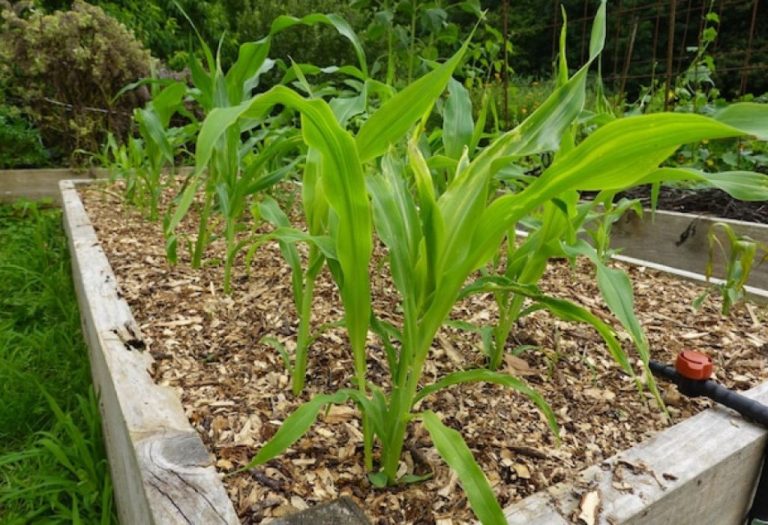
Mulching is one of the most powerful ways to stop grass and weeds from sprouting in the first place.
By covering soil with mulch, you block sunlight that seeds need to germinate.
Organic mulches such as straw, shredded leaves, wood chips, or compost add nutrients to the soil as they decompose.
This not only suppresses weeds but also improves soil health over time.
Inorganic mulches like landscape fabric, gravel, or plastic sheeting provide a longer-lasting barrier.
However, they do not improve soil quality the way organic mulches do.
Mulching also conserves soil moisture, regulates temperature, and reduces the need for frequent watering.
This makes it both a weed-prevention method and a soil-improvement strategy.
Does mulch stop weeds completely?
It significantly reduces them, though some may still appear.
What mulch is best for gardens?
Straw, wood chips, and compost are excellent for vegetables.
Do I need to replace mulch?
Yes, organic mulch breaks down and needs refreshing.
Does mulch improve soil?
Yes, organic mulch adds nutrients as it decomposes.
Is plastic mulch effective?
Yes, but it does not support long-term soil health.
Weed Barriers and Landscape Fabric
Weed barriers physically block weeds and grass from pushing through to your garden beds.
Common options include landscape fabric, cardboard, and newspaper.
These materials allow water and air to pass through while keeping weeds from sprouting.
They are especially effective when placed under mulch or gravel pathways.
Cardboard and newspaper are eco-friendly options that break down naturally over time.
They smother weeds while enriching soil as they decompose.
Landscape fabric is longer lasting and works best under raised beds or permanent plantings.
Proper installation is key, since gaps or tears allow weeds through.
Does landscape fabric work?
Yes, if it is installed properly without gaps.
Is cardboard good for weed control?
Yes, it smothers weeds and eventually composts into soil.
Does newspaper work as a barrier?
Yes, several layers can effectively block grass and weeds.
Do barriers allow water through?
Yes, but plastic barriers may block too much moisture.
Do barriers last forever?
No, all barriers eventually break down or shift.
Natural Weed Control Methods
Natural weed control is an eco-friendly option for gardeners who prefer avoiding chemical herbicides.
Household solutions and organic products can suppress weeds safely.
Vinegar spray is a popular choice, particularly effective on young weeds before they mature.
However, it must be applied carefully to avoid harming crops.
Boiling water can be poured over small weed patches in pathways or between stones.
It kills weeds instantly but should not be used near valuable plants.
Corn gluten meal is another natural option that prevents weed seeds from germinating.
It is often used as a pre-emergent weed control in gardens and lawns.
Does vinegar kill weeds?
Yes, but it works best on small, young weeds.
Is boiling water safe for soil?
Yes, but it may harm nearby plants if misused.
Does corn gluten meal work?
Yes, it prevents weed seeds from sprouting.
Are flame weeders safe?
Yes, but use them carefully to avoid fire risks.
Is natural weed control effective?
Yes, though most methods require repeated applications.
Preventing Grass from Spreading into the Garden
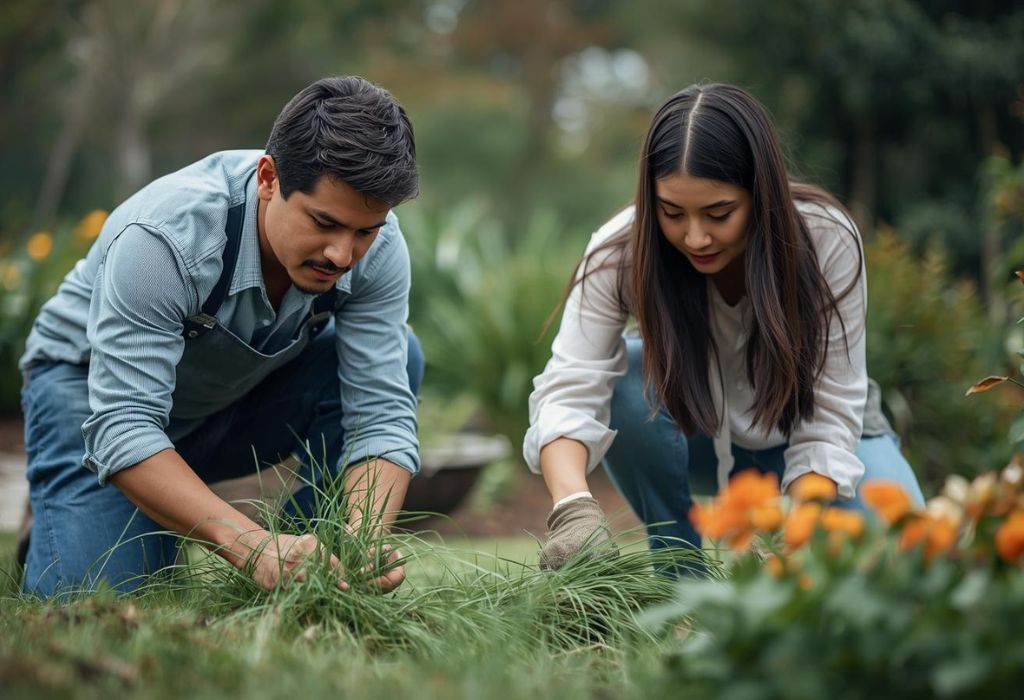
Grass often creeps into garden beds through underground roots or by seeding directly into the soil.
Without barriers, it quickly takes over planting areas.
Installing garden edging or underground barriers helps stop grass from spreading into beds.
Materials such as metal, stone, or plastic edging can block roots effectively.
Raised beds are another excellent solution for separating crops from lawn areas.
They create a physical divide that prevents grass encroachment.
Keeping lawn edges trimmed and regularly mowing the surrounding area also helps.
This reduces the spread of grass seeds into the garden.
Why does grass invade gardens?
Because roots spread underground into soft garden soil.
Does edging stop grass?
Yes, if installed deep enough to block roots.
Are raised beds better?
Yes, they significantly reduce grass invasion.
Should I mow near my garden?
Yes, mowing stops seeds from spreading.
Does mulch stop grass roots?
Yes, thick mulch layers reduce root spread.
Long-Term Garden Maintenance Against Weeds
Even with mulch and barriers, regular maintenance is essential for weed-free gardens.
Weeds that slip through need immediate removal before they spread.
Inspect your garden weekly and pull or hoe any new weeds.
Consistent attention keeps them from establishing.
Crop rotation is another long-term weed management strategy.
It disrupts weed cycles by changing plant locations annually.
Healthy soil also helps by allowing crops to grow stronger and outcompete weeds.
Adding compost and organic matter strengthens soil structure and fertility.
How often should I weed?
At least once a week to keep weeds under control.
Does crop rotation help?
Yes, it reduces weed-friendly soil conditions.
Does healthy soil reduce weeds?
Yes, strong crops naturally suppress weed growth.
Should I water the whole bed?
No, only water plant roots to avoid feeding weeds.
Do pathways matter?
Yes, unmaintained paths are common weed entry points.
Future of Weed Control in Gardening
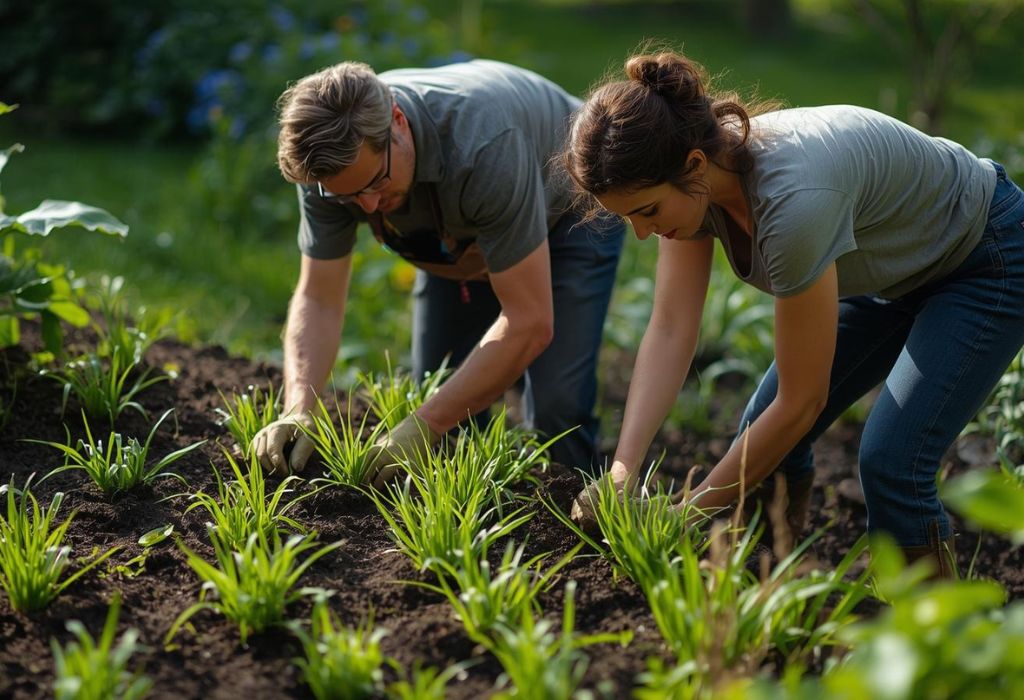
The future of weed management is moving toward more sustainable practices.
New technologies and eco-friendly materials are making weed control easier.
Biodegradable weed mats are replacing plastic barriers.
They suppress weeds while enriching the soil as they break down.
Robotic weeders powered by AI are already being used on farms.
These machines detect and remove weeds without damaging crops.
Eco-friendly herbicides made from natural ingredients are in development.
They promise safer control without harming soil ecosystems.
Are new barriers eco-friendly?
Yes, biodegradable options are replacing plastic sheets.
Do robots really pull weeds?
Yes, robotic weeders are already working in agriculture.
Will chemicals be replaced?
Yes, safer organic herbicides are being developed.
Does irrigation affect weeds?
Yes, smart systems water only crops, not weeds.
Is permaculture weed-free?
Not completely, but it reduces weed pressure significantly.
Conclusion
Weeds and grass are persistent, but with the right techniques they can be managed effectively.
By combining manual removal, mulching, barriers, and natural methods, you can maintain clean garden beds.
Grass prevention requires edging, raised beds, and regular mowing around the garden perimeter.
These steps stop creeping roots and spreading seeds.
Consistent maintenance ensures that weeds never have the chance to dominate.
Healthy soil and crop rotation further support long-term control.
With patience and planning, you can keep your garden productive, attractive, and largely free from invasive weeds.
The key is prevention, consistency, and choosing eco-friendly strategies that work best for your gardening style.

I’m Maya L. Greenwood, a lifelong plant lover who believes anyone can grow something beautiful with the right guidance. After years of testing soil mixes, pruning methods, irrigation tricks, and pest-safe solutions, I started EasyGardenTips.com to turn hard-won lessons into step-by-step advice. From seed starting and container gardens to composting and seasonal checklists, my goal is to make gardening simple, sustainable, and fun.