Should You Put Weed Barrier Under Raised Garden Bed? Expert Advice
A gardener sets up a raised bed with excitement, only to wonder if weeds will invade from underneath. The common question becomes should you put weed barrier under raised garden bed or let the soil remain open.
Making the wrong choice can lead to hours of pulling weeds or struggling with unhealthy soil over time. Weeds are not a small nuisance, as they compete directly with vegetables for nutrients, sunlight, and water.
Studies show that weeds can cause up to 34% yield loss in crops worldwide (FAO). In the United States alone, more than $11 billion is spent each year on weed control (EPA).
These numbers prove that weed management is one of the most important steps in successful gardening. A weed barrier under raised beds seems like an easy solution, but it also raises new problems.
While it can block invasive grasses and save time, it may also restrict drainage and harm soil health. Many gardeners debate whether the convenience of fabric outweighs the long-term benefits of natural soil life.
The decision ultimately depends on your goals, your soil conditions, and how much time you want to invest. This article explores the pros, cons, and best alternatives to weed barriers under raised garden beds.
By the end, you will understand whether a barrier is the right choice for your garden and how to keep weeds away naturally.
What Is a Weed Barrier and How Does It Work?
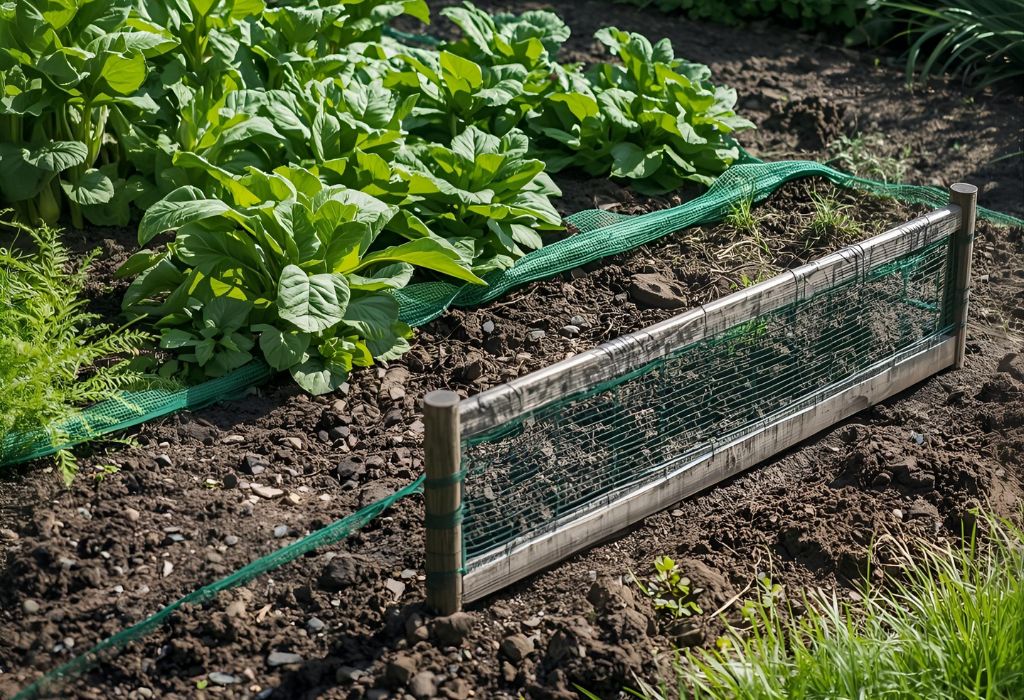
A weed barrier is any material placed under soil to prevent weed growth by blocking sunlight. Without light, seeds lying beneath the barrier cannot germinate and grow into plants.
Gardeners often use landscape fabric, plastic sheeting, cardboard, or newspaper as weed barriers. Each option has its own durability, cost, and environmental impact.
While these layers are effective for suppressing weeds, they also interfere with natural soil processes. That is why barriers remain a debated tool in gardening circles.
What is a weed barrier?
A material that blocks sunlight and stops weeds from sprouting.
What materials are common for barriers?
Landscape fabric, black plastic, cardboard, and newspaper.
Do barriers stop all weeds?
No, aggressive weeds can sometimes push through weak spots.
Do barriers last forever?
No, most degrade or break down after a few seasons.
Should You Put Weed Barrier Under Raised Garden Bed?
The direct answer is that it depends on your gardening goals and soil health priorities. Weed barriers do block weeds from creeping up into raised beds, but they also come with downsides.
Barriers can save time for busy gardeners who want a low-maintenance setup. However, they may interfere with drainage, reduce earthworm activity, and restrict root systems.
For those growing short-term crops in shallow soil, barriers can be effective. But for gardeners aiming for long-term healthy soil, they may cause more problems than they solve.
Does a weed barrier block weeds in raised beds?
Yes, it prevents weeds and grasses from growing up from below.
Does a weed barrier affect soil biology?
Yes, it may disrupt earthworms and beneficial microbes.
Is it always recommended to use one?
No, it depends on soil conditions and personal goals.
What happens without a barrier?
More weeds may appear, but soil stays healthier over time.
Advantages of Using Weed Barrier Under Raised Beds
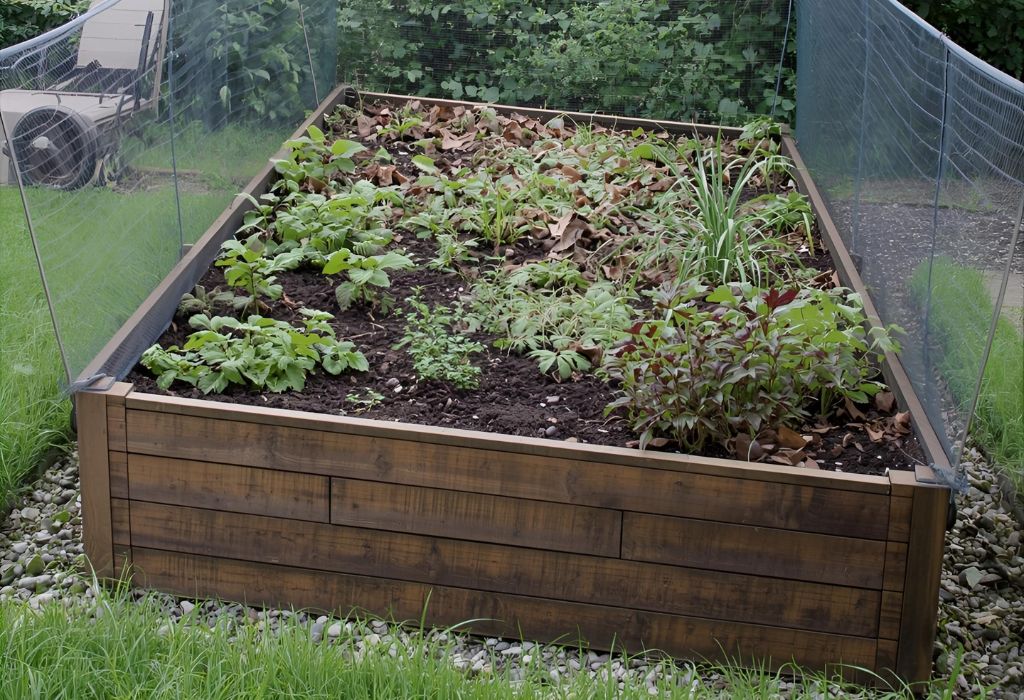
The main advantage of a weed barrier is reduced maintenance. Gardeners spend less time pulling weeds and more time enjoying their plants.
Barriers also block invasive grasses and perennial weeds that can be difficult to remove once established. This helps keep the soil surface tidy and manageable.
Another benefit is pest control, since barriers discourage burrowing animals like voles and moles. Some materials even help retain soil warmth for faster early growth.
What are the benefits of using a weed barrier?
It suppresses weed growth and reduces garden upkeep.
Does it save time in gardening?
Yes, less weeding is needed throughout the season.
Can it block burrowing pests too?
Yes, barriers make it harder for animals to enter beds.
Does it regulate soil temperature?
Yes, some barriers help soil retain warmth in cool months.
Disadvantages of Weed Barrier in Raised Garden Beds
The biggest drawback of barriers is their effect on soil health. By blocking natural cycles, they prevent earthworms, microbes, and organic matter from thriving.
Drainage can also become a problem when water sits on top of fabric or plastic instead of moving freely. Over time, this may lead to soggy soil conditions harmful to plants.
Barriers break down eventually, leaving bits of plastic or fabric in the soil. Roots of deeper vegetables may also struggle to grow past the barrier layer.
Does a weed barrier affect drainage?
Yes, it can slow water movement into the soil.
Can it harm soil organisms?
Yes, it reduces earthworm activity and microbial health.
Do roots grow better without barriers?
Yes, roots spread more naturally in open soil.
Will you need to replace it often?
Yes, most barriers degrade within a few years.
Best Alternatives to Weed Barrier in Raised Beds
Mulching is the most popular alternative, using straw, wood chips, or compost to block weeds naturally. Thick mulch layers reduce light penetration and enrich the soil as they decompose.
Cardboard or newspaper sheets also work well, as they suppress weeds temporarily but break down into compost. These options improve soil health while still providing weed control.
Ground cover crops, such as clover or rye, compete with weeds while adding organic matter to the soil. Deep soil preparation or double-digging is another option for long-term weed suppression.
What natural alternatives work best?
Cardboard, newspaper, and organic mulches are highly effective.
Does mulch suppress weeds effectively?
Yes, thick layers reduce weeds and feed the soil.
Are ground covers useful in raised beds?
Yes, they block weeds while enriching soil quality.
Which alternative supports soil health?
Organic mulches both suppress weeds and improve fertility.
Expert Tips for Weed-Free Raised Beds
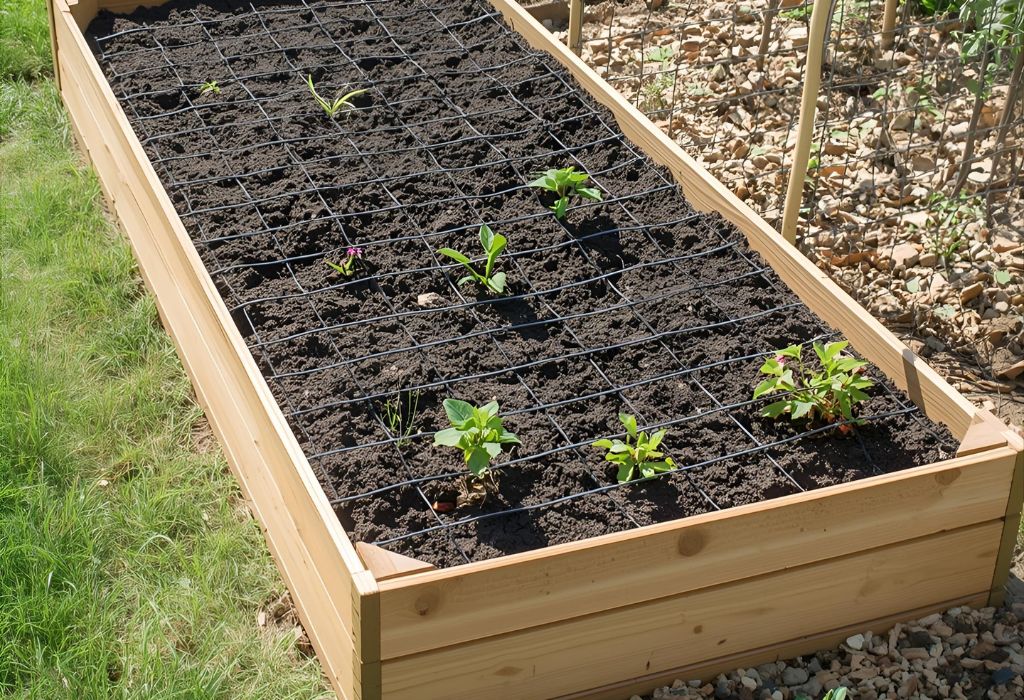
Start by filling raised beds with high-quality soil mixes to reduce weed seed content. Using clean compost and soil from reliable sources prevents problems before they start.
Apply 4–6 inches of organic mulch to suppress weeds naturally. Mulch also retains moisture and reduces temperature fluctuations in the soil.
Rotate crops each season to prevent weeds from adapting to your planting routine. Inspect edges regularly, as weeds often sneak in from the sides of raised beds.
How much mulch should be applied?
At least 4–6 inches for effective weed control.
Can crop rotation reduce weeds?
Yes, it prevents weeds from becoming dominant.
Do weeds enter from the edges of beds?
Yes, edge gaps are common weed entry points.
Is hand-weeding still necessary?
Yes, occasional hand-pulling will still be required.
Market Trends and Future of Weed Control in Raised Beds
Gardeners are moving toward eco-friendly alternatives to plastic barriers. Biodegradable fabrics, compostable sheets, and organic mulches are becoming more widely available.
Living mulches and cover crops are also gaining popularity as sustainable solutions. These methods support soil health while controlling weeds without synthetic materials.
The future of weed control emphasizes both productivity and environmental responsibility. More companies are producing biodegradable weed fabrics with better drainage and durability.
Are gardeners avoiding plastic weed barriers?
Yes, due to environmental and soil health concerns.
Is organic mulch becoming more common?
Yes, it supports both weed control and soil fertility.
Are biodegradable barriers available?
Yes, newer fabrics decompose naturally after use.
Will eco-friendly methods dominate in the future?
Yes, sustainable weed control is the growing trend.
Conclusion
The answer to should you put weed barrier under raised garden bed depends on your priorities as a gardener. Barriers block weeds and save time, but they can harm soil health and drainage over the long term.
If low maintenance is the top goal, a weed barrier can be useful. If long-term soil fertility is the priority, natural options like mulch or cardboard are often better.
By weighing the pros and cons, you can decide which approach works best for your garden. The key is finding a balance between convenience, soil health, and sustainability for productive raised beds.

I’m Maya L. Greenwood, a lifelong plant lover who believes anyone can grow something beautiful with the right guidance. After years of testing soil mixes, pruning methods, irrigation tricks, and pest-safe solutions, I started EasyGardenTips.com to turn hard-won lessons into step-by-step advice. From seed starting and container gardens to composting and seasonal checklists, my goal is to make gardening simple, sustainable, and fun.