How to Use Weed Barrier in Vegetable Garden: Easy Guide
Weeds are one of the most persistent challenges gardeners face, constantly competing with vegetables for vital resources like sunlight, nutrients, and water.
They not only reduce crop yield but also increase the amount of labor required to maintain a healthy and productive garden.
Pulling weeds by hand or relying solely on mulch often provides only temporary relief, as many weeds quickly return and overwhelm garden beds again.
This frustrating cycle has led many gardeners to explore more effective long-term solutions for weed control in vegetable plots.
One of the most popular methods is learning how to use weed barrier in vegetable garden layouts to block unwanted growth.
A properly installed weed barrier blocks sunlight, reduces evaporation, and helps maintain soil temperature while still allowing vegetables to thrive.
When combined with mulch, it creates a cleaner, more organized garden environment that saves both time and effort during the growing season.
According to the Food and Agriculture Organization, uncontrolled weeds are responsible for crop losses of up to 34% worldwide source.
By using weed barriers, gardeners can dramatically reduce these losses while promoting healthier and more productive vegetable harvests.
What Is a Weed Barrier in Vegetable Gardening?
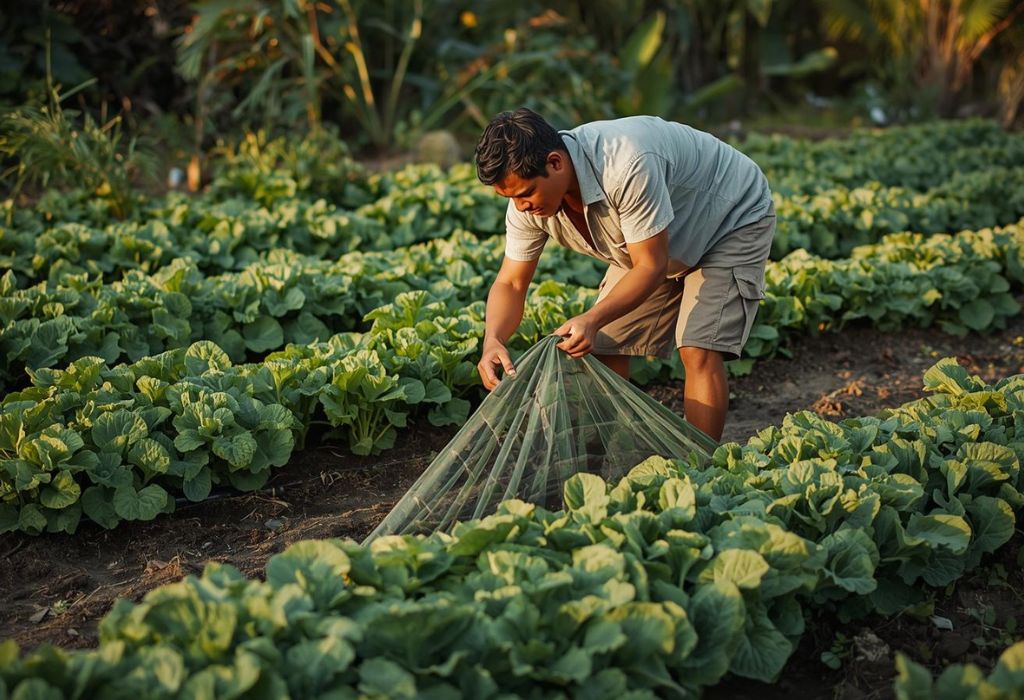
A weed barrier is a material placed over the soil surface to prevent weed growth.
It works by blocking sunlight while still allowing air and water to reach plant roots.
The most common type is landscape fabric, which is durable and long-lasting.
Plastic sheeting and biodegradable options like paper or cardboard are also widely used.
Fabric weed barriers allow moisture and nutrients to pass through more easily.
Plastic, on the other hand, may trap heat and sometimes restrict water absorption.
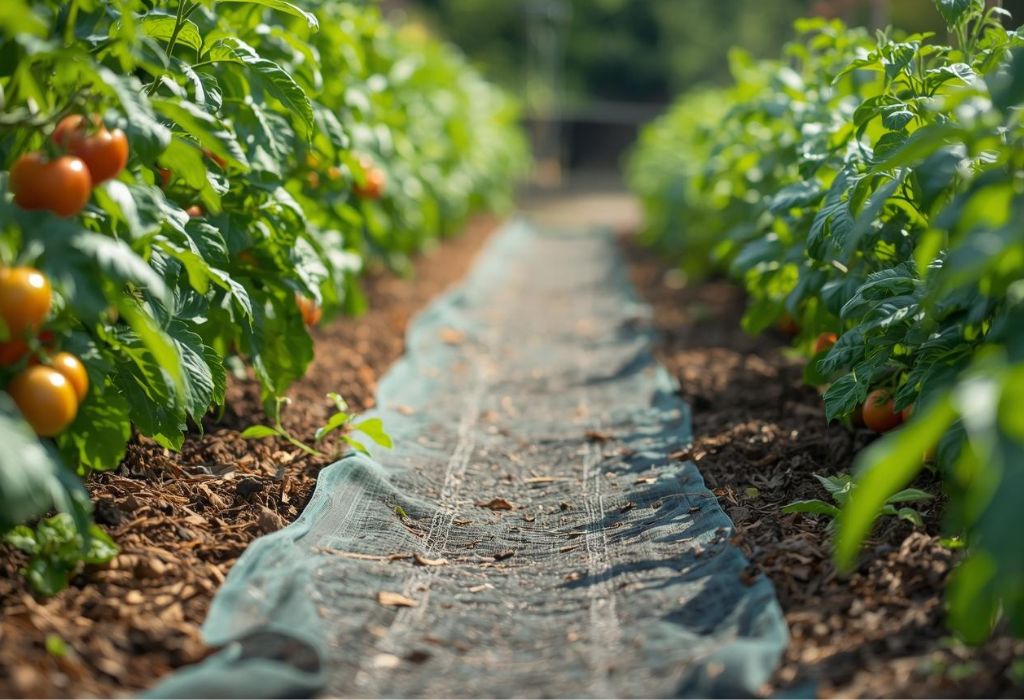
Gardeners often combine weed barrier fabric with mulch for extra protection.
This combination improves appearance while extending the life of the barrier.
What materials are used for weed barriers?
Landscape fabric, plastic sheeting, biodegradable paper, and cardboard are the most popular choices.
Do weed barriers block all weeds?
They block most weeds, though a few may still appear through seams or cuts.
Is fabric better than plastic?
Fabric is usually preferred because it allows better airflow and moisture penetration.
Can weed barriers be reused each season?
Yes, fabric barriers often last several years with proper care and storage.
How to Use Weed Barrier in Vegetable Garden (Step by Step)
The first step is to prepare the soil by removing existing weeds and debris.
Loosening the soil and adding compost ensures healthy conditions before installing the barrier.
Lay the weed barrier across the planting area, making sure it covers the soil completely.
Smooth it down so there are no raised sections where weeds can slip through.
Cut X-shaped holes in the fabric for each vegetable plant.
This allows seedlings or transplants to grow while still keeping surrounding soil covered.
Secure the barrier with landscape staples or garden pins to keep it in place.
Finally, cover it with mulch for added weight and extra weed protection.
Should weed barrier go under mulch?
Yes, mulch keeps the barrier secure and adds an extra layer of weed control.
Can vegetables grow through weed barrier?
Yes, plants grow normally through the holes cut into the fabric.
How long does a weed barrier last?
Fabric barriers can last 5–10 years, while plastic usually breaks down sooner.
Is installation difficult for beginners?
No, with simple tools and care, even new gardeners can install barriers correctly.
Benefits of Using Weed Barrier in Vegetable Gardens
Weed barriers reduce the time spent on constant weeding.
This allows gardeners to focus more on planting, watering, and harvesting.
They help soil retain moisture by reducing evaporation.
This means vegetables need less frequent watering, especially in hot climates.
Weed barriers also prevent erosion in raised beds and sloped gardens.
They stabilize soil, keeping nutrients available for vegetable roots.
Vegetables stay cleaner since soil splashes are minimized by the barrier and mulch covering.
This makes harvesting easier and produce more appealing.
Does weed barrier reduce watering needs?
Yes, it conserves soil moisture by limiting evaporation.
Is weed barrier safe for vegetables?
Yes, when used correctly, it does not harm crops.
Can weed barriers improve harvest quality?
Yes, cleaner soil and fewer weeds create better growing conditions for vegetables.
Do barriers prevent soil erosion?
Yes, they keep soil intact, especially in raised beds or areas prone to erosion.
Limitations and Mistakes to Avoid
Weed barriers must be installed correctly to work effectively.
Gaps or poorly anchored edges will allow weeds to slip through.
Some fabrics restrict airflow or water if they are too thick.
Plastic barriers may overheat soil and stress plants in warm climates.
Weeds may still appear at seams or planting holes.
Regular checks and maintenance are needed to keep the barrier effective.
If barriers are not removed or replaced, they may degrade and mix with soil over time.
This can create difficulties for future planting or tilling.
Why do some gardeners avoid weed barriers?
They worry about long-term soil health and prefer organic mulch alone.
Can weeds grow through fabric seams?
Yes, if not overlapped properly, seams can allow weeds to sprout.
Does weed barrier attract pests?
Sometimes pests hide under plastic sheets, but mulch helps reduce this problem.
Can barriers damage soil health?
Only if left unmanaged for years without soil amendments.
Alternatives to Weed Barrier
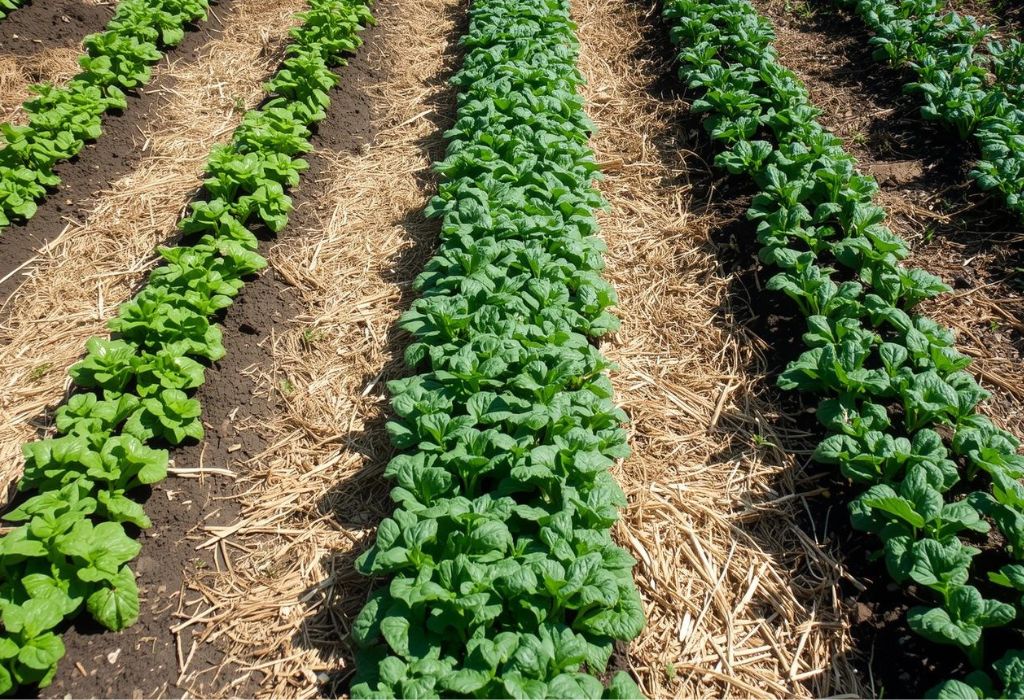
Some gardeners prefer natural alternatives to synthetic weed barriers.
Thick mulch layers made of straw, leaves, or grass clippings can block weeds effectively.
Cover crops such as clover or rye suppress weeds naturally.
They also enrich soil when tilled back in as green manure.
Cardboard or newspaper layers are another option for eco-friendly weed control.
These materials decompose over time, improving soil structure.
Organic alternatives may need more frequent replacement than fabric barriers.
Still, they provide similar benefits for those seeking chemical-free gardening.
Is mulch alone enough to block weeds?
Yes, if applied at least 2–4 inches thick and replenished as it decomposes.
Is cardboard a good alternative?
Yes, it suppresses weeds and breaks down into organic matter.
Do cover crops control weeds?
Yes, they crowd out weeds while adding nutrients to the soil.
Are organic barriers long-lasting?
No, they decompose faster and require regular renewal.
Conclusion
Weed barriers are one of the simplest ways to reduce garden maintenance and protect crops.
They block most unwanted growth, retain soil moisture, and improve overall harvest quality.
Learning how to use weed barrier in vegetable garden beds ensures better results.
Proper installation, combined with mulch, creates an efficient defense against weeds.
While not perfect, barriers save time and effort compared to constant manual weeding.
By choosing the right material and method, any gardener can enjoy healthier vegetables with less stress.

I’m Maya L. Greenwood, a lifelong plant lover who believes anyone can grow something beautiful with the right guidance. After years of testing soil mixes, pruning methods, irrigation tricks, and pest-safe solutions, I started EasyGardenTips.com to turn hard-won lessons into step-by-step advice. From seed starting and container gardens to composting and seasonal checklists, my goal is to make gardening simple, sustainable, and fun.