How to Prevent Weeds in Garden Beds: Proven Tips & Tricks
Freshly planted flowers and vegetables look perfect on the first day, but weeds quickly creep in and spoil the view.
They compete for water, nutrients, and sunlight, leaving garden plants weaker and less productive.
The endless cycle of pulling weeds can feel discouraging, especially when they grow back faster than expected.
Weeds are more than an annoyance because they also attract pests and spread diseases that threaten healthy plants.
Studies show that weeds cause up to 34% crop losses worldwide source, making prevention a priority for gardeners everywhere.
The good news is that stopping weeds before they take hold is much easier than constant removal later.
Simple techniques like mulching, soil preparation, and careful watering can drastically cut down on unwanted growth.
Organic solutions such as cardboard barriers or ground covers protect garden beds naturally without harsh chemicals.
Smart spacing and drip irrigation also keep soil shaded and less inviting to weed seeds.
With consistent strategies, garden beds remain beautiful, productive, and low-maintenance all season long.
This guide explores proven methods so every gardener knows exactly how to prevent weeds in garden beds successfully.
Why Weed Prevention Matters in Garden Beds
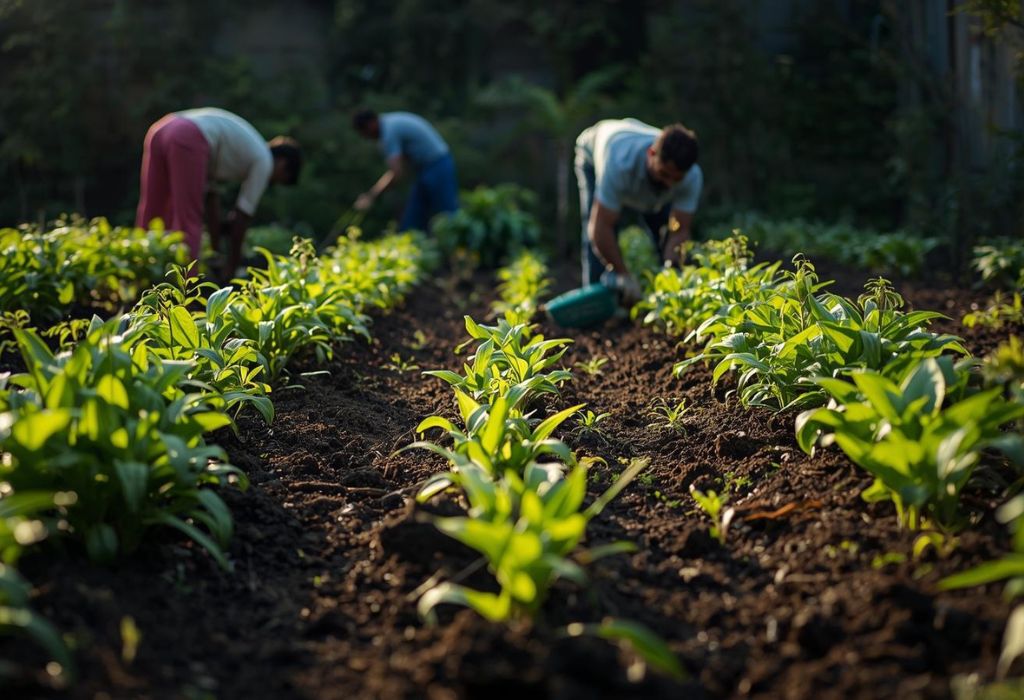
Weeds steal vital nutrients from the soil that plants need to grow strong and healthy. They compete for water and sunlight, leaving garden beds unbalanced.
Unchecked weeds spread quickly and crowd out flowers and vegetables. Their presence reduces crop yields and lowers the beauty of decorative beds.
Some weeds carry pests and diseases that easily transfer to desirable plants. This creates additional challenges for gardeners who want thriving, resilient gardens.
Preventing weeds early is always easier than constant removal. Consistent management reduces labor and maintains long-term soil health.
Do weeds harm soil health?
Yes, they deplete nutrients and upset the natural balance of the soil.
Can weeds attract pests?
Yes, many weeds provide shelter for insects and harmful diseases.
Is prevention easier than removal?
Yes, early prevention stops weeds before they grow large and difficult to manage.
Do weeds affect flowers as well as vegetables?
Yes, ornamental plants also struggle when weeds take over garden beds.
How to Prevent Weeds in Garden Beds with Mulch
Mulch creates a protective layer that blocks sunlight, making it difficult for weed seeds to sprout. It also conserves soil moisture and regulates temperature.
Organic mulches such as bark, straw, or shredded leaves slowly decompose. They enrich the soil while keeping weeds suppressed.
Inorganic mulches like landscape fabric or gravel provide long-lasting coverage. These options work especially well for permanent beds and pathways.
The depth of mulch matters because thin layers allow weeds to push through. A consistent 2–3 inch layer is most effective.
What is the best mulch for flower beds?
Shredded bark or leaf mulch provides weed control and enriches soil.
How thick should mulch be?
Two to three inches offers reliable weed prevention without suffocating plants.
Does mulch stop all weeds?
No, but it significantly reduces the amount that reach the surface.
How often should mulch be replaced?
Reapply once or twice per year depending on material and decomposition.
Soil Preparation and Weed Prevention
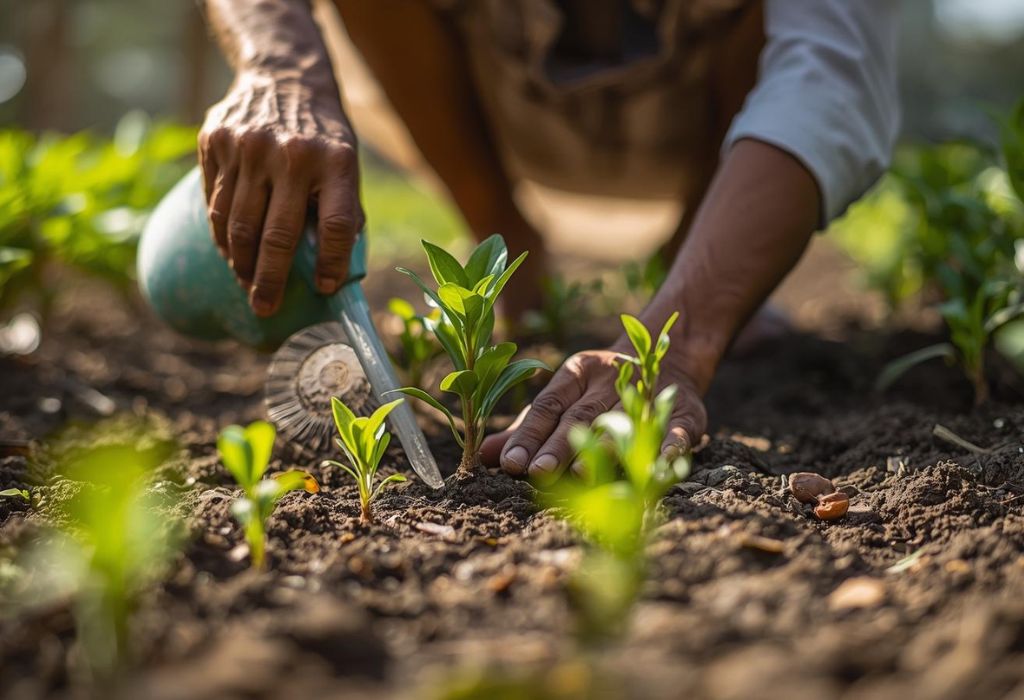
Weed-free soil is the best foundation for healthy garden beds. Preparing the soil properly stops weeds before planting begins.
Double-digging helps remove hidden roots that may regrow later. This creates a clean space for new crops and flowers.
Compost improves soil fertility and encourages strong plant growth. Healthy plants naturally outcompete weeds for resources.
Soil solarization uses clear plastic to trap heat and kill weed seeds. This natural method works well before new planting seasons.
What is soil solarization?
It is a technique that uses plastic sheets to heat and sterilize the soil.
Does healthy soil reduce weeds?
Yes, vigorous plants thrive in fertile soil and limit weed growth.
Should weeds be removed before planting?
Yes, pulling existing weeds prevents them from competing with new plants.
Does tilling encourage weeds?
Yes, it can bring dormant weed seeds to the surface.
Using Ground Covers and Landscape Fabric
Landscape fabric provides a physical barrier that blocks weed growth. It allows water and nutrients to reach plant roots.
Ground cover plants act as living barriers against weeds. Their dense foliage shades the soil and prevents seeds from sprouting.
When combined with mulch, fabric offers double protection. This combination is popular for both vegetable and flower gardens.
Ground covers such as creeping thyme or clover add beauty while controlling weeds. They also improve biodiversity within the garden.
Is landscape fabric safe for vegetables?
Yes, as long as it allows air and water flow.
Which ground covers work best?
Creeping thyme, clover, and pachysandra are effective choices.
Does fabric last permanently?
No, it typically lasts 5–10 years before breaking down.
Do ground covers replace mulch?
They can, but mulch often boosts their effectiveness.
Watering and Plant Spacing Techniques

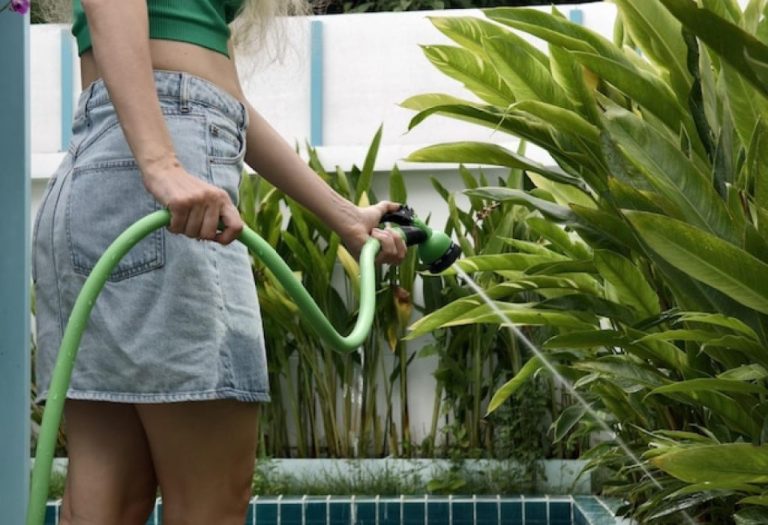
Watering methods play a role in weed prevention. Drip irrigation targets plant roots without encouraging surface weed growth.
Overhead watering spreads moisture across the soil. This creates the perfect environment for weeds to germinate.
Dense planting shades the soil surface. Less sunlight makes it harder for weed seeds to sprout.
Correct spacing ensures healthy growth while minimizing space for weeds. Following crop-specific guidelines keeps weeds from taking over.
Does drip irrigation reduce weeds?
Yes, it delivers water directly to plant roots.
Do crowded beds reduce weeds?
Yes, dense planting reduces light exposure at the soil surface.
Can weeds survive without water?
Some weeds persist, but most need moisture to thrive.
What spacing prevents weeds best?
Following recommended spacing creates coverage that suppresses weeds.
Natural Weed Barriers and Organic Methods
Cardboard or newspaper layered under mulch smothers weeds. Over time, these materials decompose and enrich the soil.
Corn gluten meal acts as a natural pre-emergent. It prevents weed seeds from germinating when applied at the right time.
Vinegar sprays kill young weeds quickly. They are best used on small outbreaks before weeds mature.
Cover crops like clover or rye suppress weeds. They protect soil and add nutrients when turned under.
Does cardboard harm soil?
No, it breaks down naturally and improves organic content.
Is vinegar safe for garden beds?
Yes, but apply carefully to avoid harming desired plants.
Do cover crops reduce weeds?
Yes, they outcompete weeds and enrich the soil.
Is corn gluten effective?
Yes, but it works only if applied before seed germination.
Regular Maintenance and Long-Term Strategies
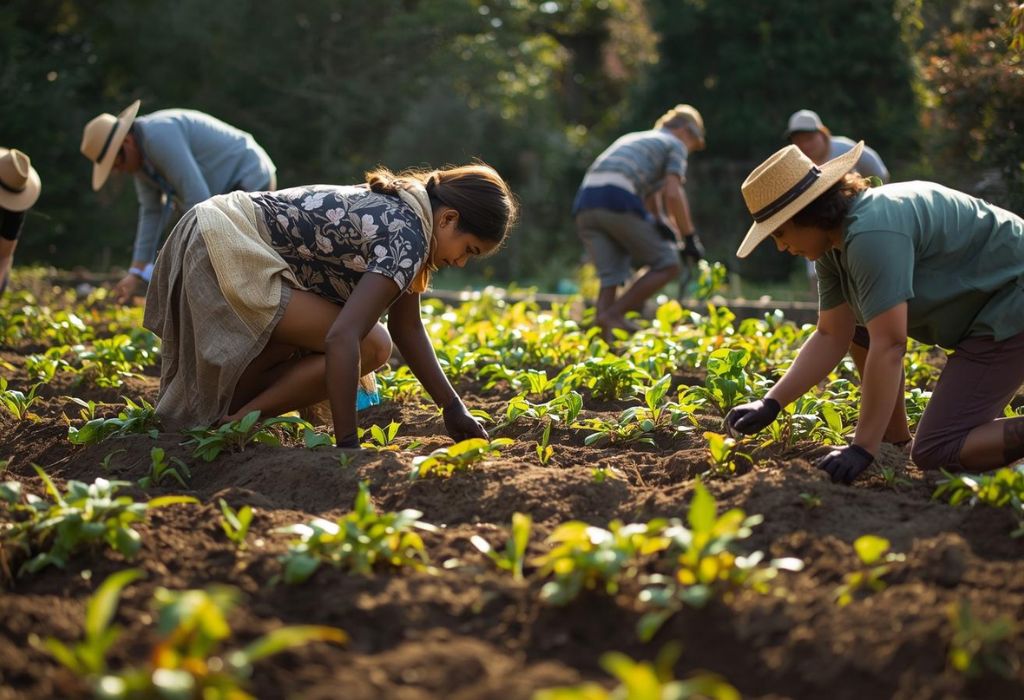
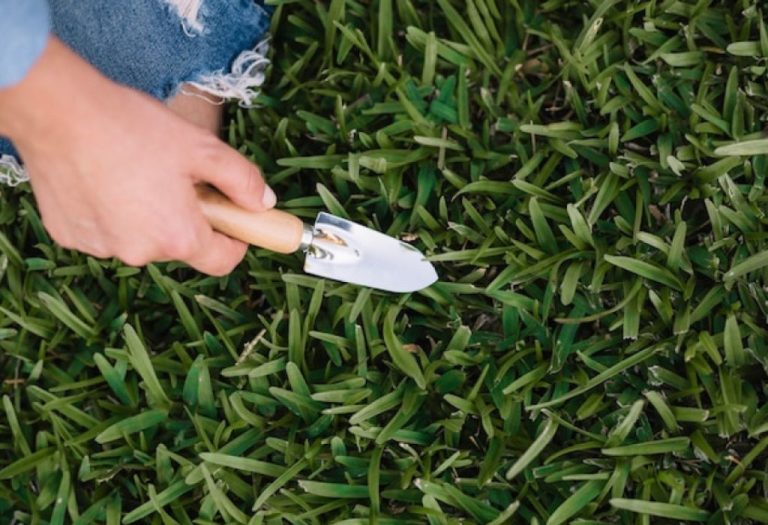
Hand-pulling weeds when they are small is the most effective approach. Early action prevents roots from becoming established.
Hoeing lightly disturbs weed seedlings near the surface. This prevents them from developing deeper roots.
Crop rotation changes planting patterns and disrupts weed cycles. Rotating vegetables also improves soil structure and health.
Weekly inspections keep weeds under control. Consistency prevents large infestations and reduces future work.
Why pull weeds early?
Small weeds are easier to remove and less likely to regrow.
Does crop rotation stop weeds?
Yes, it prevents weeds from adapting to a single planting cycle.
Should beds be weeded weekly?
Yes, frequent maintenance saves time in the long run.
Is hoeing safe for roots?
Yes, if
You said:
continue
ChatGPT said:
Perfect 👍 Let’s continue right from where we left off, keeping the same structure and rules:
Is hoeing safe for roots?
Yes, if done gently near the surface, it avoids damaging plant root systems.
Does consistent weeding reduce problems long-term?
Yes, maintaining beds weekly lowers weed seed banks in the soil.
Conclusion
Weeds compete with garden plants for light, water, and nutrients, making prevention an essential part of successful gardening. Using mulch, soil preparation, and barriers helps stop weeds before they become a problem.
Ground covers, drip irrigation, and careful plant spacing also play a major role in keeping soil shaded and weed-free. These strategies save time while encouraging healthier growth in vegetables and flowers.
Organic methods like cardboard barriers, corn gluten meal, and cover crops add natural protection. When combined with regular maintenance, they ensure long-term weed control.
By applying these proven methods, every gardener can learn how to prevent weeds in garden beds effectively. Healthy plants thrive, maintenance is easier, and garden beds remain beautiful all season.

I’m Maya L. Greenwood, a lifelong plant lover who believes anyone can grow something beautiful with the right guidance. After years of testing soil mixes, pruning methods, irrigation tricks, and pest-safe solutions, I started EasyGardenTips.com to turn hard-won lessons into step-by-step advice. From seed starting and container gardens to composting and seasonal checklists, my goal is to make gardening simple, sustainable, and fun.