How to Control Weeds in Garden: Effective Tips for 2025
Every gardener dreams of a clean, productive garden filled with healthy plants and beautiful flowers. But weeds often stand in the way, stealing nutrients, blocking sunlight, and making gardens look messy.
Studies show weeds can reduce garden yields by 30–50% if left uncontrolled. On top of that, the average gardener spends more than 120 hours each year weeding—time that could be spent planting, harvesting, or simply enjoying the garden.
The good news? Weed control doesn’t have to feel endless. With the right strategies, you can stop weeds before they spread and enjoy a garden that stays healthy and manageable all season long.
I. Why Weed Control Is Important
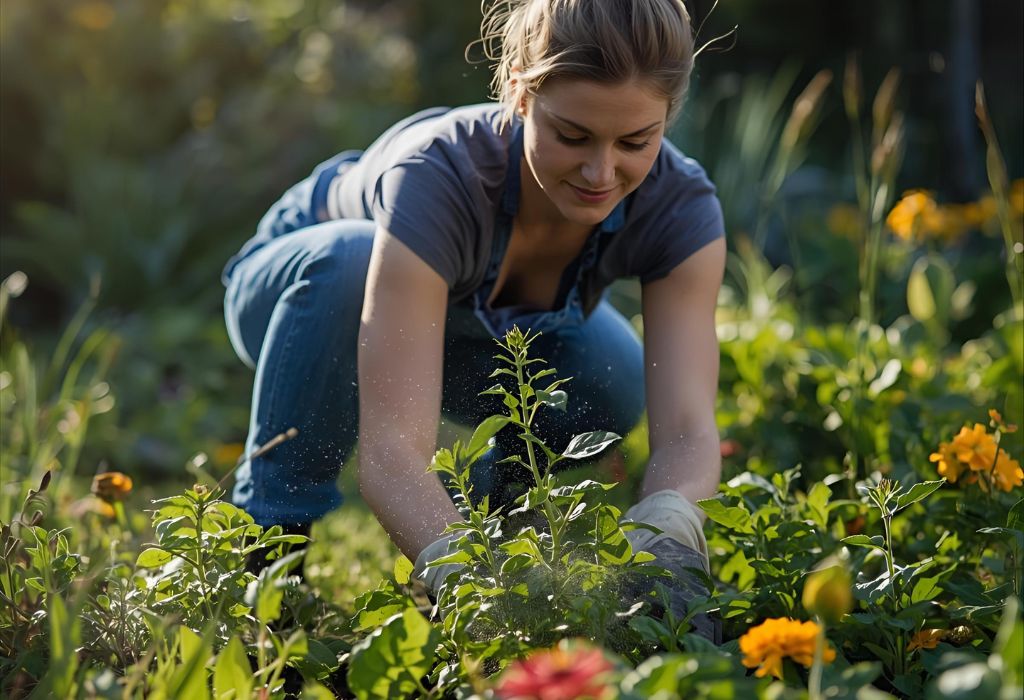
- Competition for Resources – Weeds absorb the same nutrients, water, and sunlight your plants need to grow strong.
- Pests and Diseases – Many weeds harbor harmful insects and fungal infections that spread to garden crops.
- Reduced Soil Fertility – Weeds take away essential minerals, weakening the soil for future planting.
- Garden Appearance – Left uncontrolled, weeds quickly make a garden look neglected and overrun.
II. Understanding Weed Growth
- Soil Seed Banks – Weed seeds can survive in the soil for 5–10 years, waiting for the right conditions to sprout.
- Seed Spread – Weeds spread via wind, birds, pets, and even garden tools.
- Tilling Problems – Over-tilling brings buried seeds to the surface where they can germinate.
- Bare Soil – Open, uncovered soil creates a perfect environment for weed growth.
- Watering Mistakes – Overhead watering spreads moisture across the entire soil, helping weeds thrive.
III. Best Methods to Control Weeds in Garden
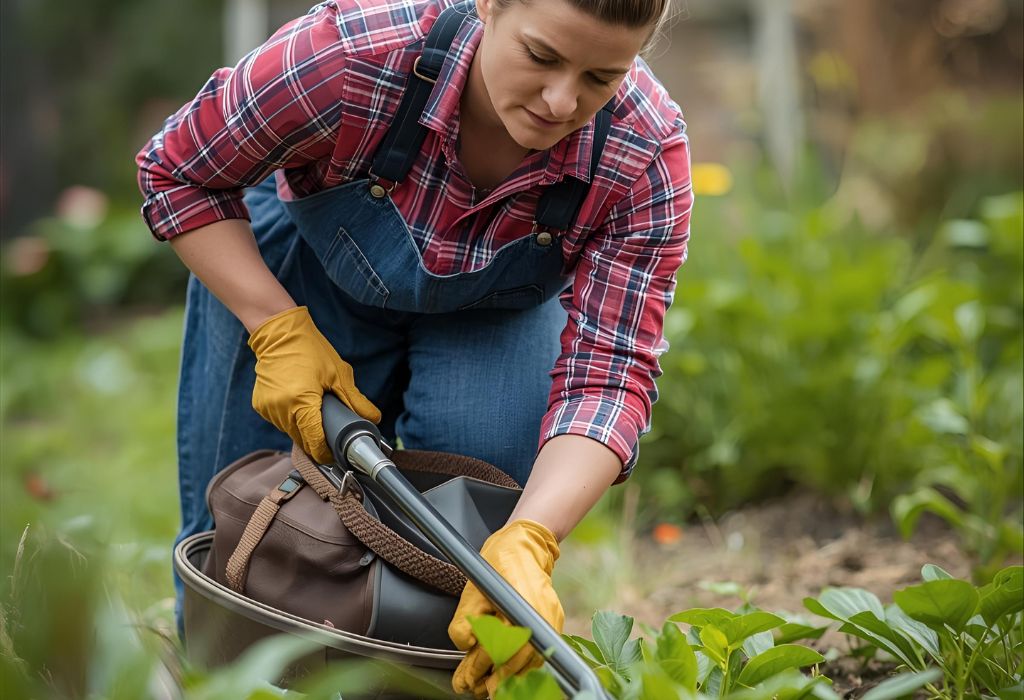
1. Mulching
Mulch acts like a protective blanket over your soil.
- Organic mulch: straw, leaves, bark chips, or compost.
- Inorganic mulch: plastic sheets or landscaping fabric.
- Apply 2–3 inches deep to block light and prevent weeds from sprouting.
- Mulching can reduce weed growth by up to 80% while keeping soil moist.
2. Cover Crops
Planting cover crops during the off-season is one of the best long-term solutions.
- Rye, clover, or alfalfa grow quickly and shade soil, leaving little space for weeds.
- Cover crops enrich the soil with organic matter.
- They can suppress weeds by 50% or more.
3. Raised Beds & Containers
- Raised beds allow better control over soil quality.
- Containers practically eliminate most weeds if filled with clean soil.
- Both make weed management simpler and more efficient.
4. Dense Planting & Ground Covers
- Plant vegetables, herbs, and flowers closely together.
- Ground covers like creeping thyme or clover can fill spaces and block weeds.
- This strategy shades the soil, giving weeds less room to grow.
5. Smart Watering (Drip Irrigation)
- Drip irrigation sends water directly to plant roots.
- Keeps the soil surface dry, limiting weed growth.
- Saves water and reduces weed germination.
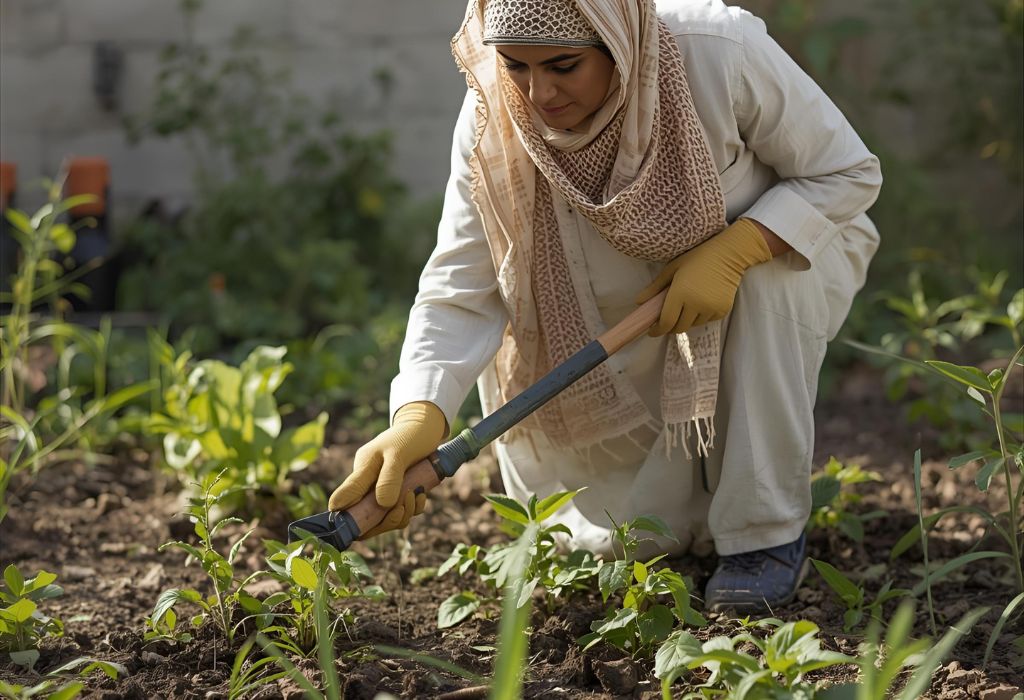
6. Regular Hoeing & Hand Weeding
- Remove weeds when they are still small.
- Weekly hoeing prevents weeds from going to seed.
- Just 10 minutes of weeding per week can prevent hours of work later.
7. Soil Solarization
- In summer, cover moist soil with clear plastic sheets for 4–6 weeks.
- Heat kills weed seeds, pests, and soil diseases.
- Works especially well before planting in new areas.
IV. Eco-Friendly & Natural Weed Control Alternatives
- Corn Gluten Meal – A natural pre-emergent fertilizer that prevents seed germination.
- Vinegar Spray – Works on small weeds in pathways, but avoid using near crops.
- Flame Weeding – A propane torch burns weeds quickly—use only on garden edges and non-planting areas.
V. Mistakes to Avoid in Weed Control
- Pulling Weeds Too Late – Once weeds flower and seed, they multiply quickly. A single dandelion can produce 15,000 seeds.
- Using Contaminated Compost – Weed seeds in unfinished compost can reintroduce problems.
- Applying Mulch Too Thinly – Less than 2 inches of mulch won’t block weeds effectively.
- Relying Solely on Chemicals – Herbicides provide temporary relief but do not prevent weeds long-term.
VI. Seasonal Weed Control Strategy
- Spring – Apply mulch early, solarize soil, and set up drip irrigation.
- Summer – Refresh mulch, hoe weekly, and maintain dense planting.
- Fall – Plant cover crops and clear debris.
- Winter – Clean beds, solarize soil, and plan next season’s rotations.
VII. Natural vs. Chemical Weed Control (Comparison Table)
| Method | Best Use | Advantages | Disadvantages | Effectiveness |
| Mulching | Vegetable & flower beds | Improves soil, blocks 80% weeds | Needs refreshing | High |
| Cover Crops | Off-season beds | Adds nutrients, suppresses 50%+ weeds | Requires planning | Very High |
| Raised Beds | Small gardens | Better soil control, fewer weeds | Higher setup cost | High |
| Dense Planting | Row crops | Shades soil, boosts yield | Requires spacing knowledge | High |
| Drip Irrigation | All crops | Saves water, limits weeds | Setup required | High |
| Corn Gluten Meal | Pre-planting | Natural, easy to use | Limited on mature weeds | Medium |
| Herbicides | Large fields | Fast & convenient | Soil damage, weeds return | Low |
VIII. FAQs on Weed Control
- What is the most effective method of weed control?
Mulching is the simplest and most effective method for most gardens. - Can weeds be controlled without chemicals?
Yes. Mulching, cover crops, and drip irrigation can reduce weeds naturally. - How often should I weed my garden?
A quick weekly session is enough if you use preventive methods. - Does mulch really stop weeds?
Yes. A 2–3 inch layer blocks sunlight and reduces weed growth by 80%. - Are raised beds better for weed prevention?
Absolutely. They minimize weed pressure and make maintenance easier.
IX. Key Weed Control Statistics
- Weeds reduce garden yields by 30–50% if uncontrolled.
- Gardeners spend over 120 hours per year weeding.
- A single dandelion can release 15,000 seeds.
- Mulching reduces weeds by up to 80%.
- Cover crops suppress weeds by 50% or more.
Conclusion
Weeds may be persistent, but they don’t have to control your garden. By focusing on prevention—through mulching, cover crops, raised beds, drip irrigation, and smart planting—you can drastically reduce weeds and create a healthier, more enjoyable garden.
Instead of spending hours pulling weeds, you’ll spend more time harvesting, planting, and enjoying your outdoor space. With a clear strategy, your garden can remain productive, beautiful, and nearly weed-free all year long.

I’m Maya L. Greenwood, a lifelong plant lover who believes anyone can grow something beautiful with the right guidance. After years of testing soil mixes, pruning methods, irrigation tricks, and pest-safe solutions, I started EasyGardenTips.com to turn hard-won lessons into step-by-step advice. From seed starting and container gardens to composting and seasonal checklists, my goal is to make gardening simple, sustainable, and fun.