How Long Do Plugs Last Before They Need Replacing?
Figuring out how long for plugs to break down is something many people wonder about, especially if they’re new to electrical stuff. It can seem confusing because there are many different types of plugs, and they’re used in all sorts of ways. Don’t worry, it’s not as tricky as it seems! This post will break down the things that affect how long your plugs will last. Get ready for a simple, step-by-step guide to help you keep your electrical setup safe and working smoothly. Let’s get started!
Factors Influencing Plug Lifespan
Several things affect how long a plug will last before it needs to be
Plug Quality and Materials
The materials used to make a plug are a big deal. Cheaper plugs often use thinner wires and less durable plastic or rubber. These materials can crack, melt, or wear out quicker, potentially leading to electrical problems. Quality plugs use better materials that are designed to handle heat and stress. High-quality plugs also usually have better insulation to protect against electrical shorts. When shopping for plugs, it’s often smart to choose those from well-known brands that focus on safety and durability. It might cost a little more at first, but it can save you trouble (and money) in the long run.
-
- Wire Gauge: The thickness of the wires inside a plug, called the wire gauge, is important. Thicker wires (lower gauge numbers like 14 or 12) can handle more electricity without overheating, lasting longer than thin ones (higher gauge numbers like 18).
Wire gauge is the measure of wire diameter, influencing its current-carrying capacity. Thicker wires (lower gauge numbers) have less resistance, allowing more current to flow without overheating, increasing longevity. This is critical for electrical safety and plug durability.
-
- Plastic vs. Rubber: Plugs are often made of plastic or rubber. Rubber plugs are usually more flexible and handle bending better, while plastic plugs can be more rigid and heat-resistant. The choice affects how well the plug can withstand wear and tear.
The plastic or rubber housing material affects a plug’s durability and safety. Rubber plugs tend to be more flexible, resisting cracks from bending, while plastics can offer higher heat resistance. Both materials need to be non-conductive to prevent electrical shock.
-
- Internal Components: Inside the plug, the metal prongs and the connections that hold the wires are important. High-quality plugs use stronger metals that don’t corrode easily and make good electrical connections.
The quality of internal metal components, such as the prongs and wire connectors, directly affects the plug’s longevity and performance. High-quality metals resist corrosion and maintain strong electrical connections, preventing issues like overheating or power interruptions.
Usage Frequency and Appliance Type
How often you use a plug and what you plug into it have a big effect. A plug used every day with a high-power appliance, like a refrigerator or a space heater, will likely wear out faster than a plug used once a week for a lamp. High-power appliances demand more from a plug, meaning more heat and strain. This will cause parts to wear out quicker. Checking plugs regularly, especially those used with heavy-duty devices, can help avoid problems before they happen.
-
- Heavy vs. Light Use: Plugs that are constantly used (like those for a TV or computer) tend to wear out sooner compared to plugs that are only used occasionally. Constant plugging and unplugging can wear down the connections over time.
Frequent use means more wear and tear, and plugs used heavily (like those for frequently used appliances) may degrade faster. The mechanical stress of constant insertion and removal can loosen connections and damage the housing.
-
- High-Power Appliances: Appliances like air conditioners, heaters, and electric stoves pull a lot of electricity. This generates more heat in the plug. This can make the materials break down faster.
Appliances that use a lot of power put more strain on plugs, increasing heat and stress. This can cause the internal components to break down more quickly, highlighting the need for higher-quality plugs for these devices.
-
- Intermittent Use: Even if a plug isn’t used all the time, plugging and unplugging an appliance a lot can cause wear. This can loosen the internal connections and create problems.
Frequent plugging and unplugging, even with less power-hungry appliances, can also degrade a plug. This mechanical action can loosen the internal connections and potentially damage the plug housing, reducing its lifespan.
Environmental Conditions
Where a plug is used can make a big difference in how long it lasts. Plugs used outside or in damp places face more wear and tear than those inside. Extreme temperatures, humidity, and exposure to sunlight can all affect the materials that plugs are made of. This makes it crucial to consider the environment when deciding where to place and how to care for your electrical plugs.
-
- Moisture and Humidity: Water and moisture can cause corrosion and rust on the metal parts of a plug, which can affect its performance and lifespan. Plugs in damp areas are at higher risk.
Moisture and humidity can cause corrosion, decreasing the electrical safety and longevity of plugs. Using plugs in humid or wet environments can lead to rust and electrical faults.
-
- Temperature Extremes: Hot and cold temperatures can make the plastic or rubber of a plug brittle, leading to cracks and damage. Always make sure a plug is used within its rated temperature range.
Extreme temperatures can cause damage to plug materials, reducing the lifespan. High heat can cause melting or degradation, while extreme cold makes materials brittle and prone to cracking.
-
- UV Exposure: Sunlight can cause the plastic on a plug to become brittle and fade. This is less of an issue indoors, but it’s something to think about outdoors.
Prolonged exposure to ultraviolet (UV) light can degrade plastics, making plugs used outdoors more susceptible to damage and reducing their lifespan. This can cause the plastic to become brittle.
Recognizing Signs of Plug Degradation
Knowing the signs that your plug is wearing out is very important for staying safe. Sometimes, the problems are easy to spot. Other times, you need to look closer. Recognizing these signs early can help you prevent electrical hazards and keep your home safe. It’s much easier and cheaper to
Visual Inspection Checklist
Doing a visual inspection of your plugs is a good habit. You don’t need to be an expert to spot problems. A quick look can often reveal the wear and tear. You can do this check regularly, which will help keep your home safe.
-
- Cracks or Damage to the Casing: Look for cracks, breaks, or other damage to the plastic or rubber part of the plug. This damage can expose wires and create an electrical hazard.
Inspect the plug housing regularly for cracks or damage, which can expose wires and lead to electrical hazards. Immediate replacement is needed if damage is visible.
-
- Discoloration or Melting: Check for any discoloration or signs of melting on the plug. This could be a sign of overheating, indicating an electrical problem.
Look for discoloration or melting on the plug’s casing, which can indicate overheating. If you notice any signs of melting, it’s very important to turn the appliance off and replace the plug right away.
-
- Loose Prongs: Check that the prongs are straight and firmly attached. Loose prongs can cause poor connections and overheating.
Ensure the prongs are securely attached and not loose. Loose prongs can cause poor contact and overheating, so this is another sign that the plug needs replacement.
Performance Issues to Watch For
Besides visual checks, pay attention to how your plugs are working. Problems with how an appliance performs can often point to plug issues. If you notice any of these signs, it’s time to take action.
-
- Intermittent Power: If the appliance sometimes works and sometimes doesn’t, the plug could be the issue. This could be due to loose connections.
If an appliance experiences intermittent power loss, the plug may have loose connections or internal damage. This can cause the appliance to turn on and off.
-
- Overheating: If a plug feels hot to the touch when the appliance is running, it’s a warning sign. This usually means the plug is not making good contact.
A plug that feels warm or hot to the touch may be overheating, which is a sign of excessive resistance. Overheating can lead to melting, fires, and other hazards.
-
- Sparks or Smoke: Seeing sparks or smelling smoke from a plug is a serious danger. Immediately unplug the appliance and check the plug. This is a very urgent situation.
Visible sparks or smoke from a plug indicates a severe electrical fault. Unplug the device immediately, as this is an urgent safety hazard that requires immediate action.
Testing Your Plugs
You can use a few tools and techniques to check your plugs more thoroughly. These methods can help you identify problems that aren’t obvious at first glance, letting you take care of the issue before it gets worse.
-
- Using a Multimeter: A multimeter can measure the electrical current flowing through a plug. This helps identify issues like short circuits or open circuits.
A multimeter can test for electrical shorts or open circuits. These tests can help you determine the overall electrical health of a plug and any potential internal faults.
-
- Checking Continuity: Continuity testing with a multimeter shows whether electricity can flow through a circuit. If there’s a break in the circuit, the plug has a problem.
A continuity test uses a multimeter to confirm whether electricity can flow through a plug. If there’s a break in the circuit, it confirms the plug is faulty.
-
- Load Testing: Load testing involves using a device that puts a load on the plug to see how it performs under stress. This can reveal problems that might not show up otherwise.
Load testing simulates real-world conditions by applying a load to a plug. This method reveals potential performance issues under actual electrical stress.
Average Lifespan of Plugs and Replacement Timing
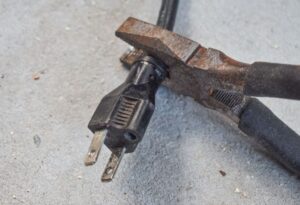
There isn’t one single answer to how long for plugs to break down, but you can plan for their replacement. Here’s a general guide. Remember, this is an estimate, and the actual lifespan can vary based on the factors we talked about earlier. Regular inspections and a bit of common sense will help you keep your electrical setup safe.
Estimating Lifespan Based on Usage
How often you use a plug will affect how quickly it needs replacing. Plugs used frequently with heavy-duty appliances will need replacing sooner than those used less often.
-
- Light Use Plugs: Plugs used occasionally (like for a lamp or a phone charger) may last for many years, even a decade or more, if they’re in good condition.
Plugs with light use can last a long time, often a decade or more. Periodic inspection is still necessary to check for wear and tear, but these plugs generally have the longest lifespan.
-
- Moderate Use Plugs: Plugs used every day for moderate appliances (like a TV or computer) might need replacing every 5-7 years, depending on the plug quality and environmental conditions.
Plugs with moderate usage (like for computers or TVs) usually have a lifespan of 5–7 years, subject to the quality of the plug and external conditions.
-
- Heavy Use Plugs: Plugs used with high-power appliances (like a refrigerator or air conditioner) or in harsh environments may need replacement every 1-3 years or sooner, especially if they show signs of wear.
Plugs used with high-power appliances or in demanding environments can wear out quickly. Regular inspections are very important, as the need for replacement might come every 1-3 years or even sooner.
When to Replace Your Plugs
You shouldn’t wait for a plug to fail completely before replacing it. Some signs mean you should replace it right away. It’s smart to have a few spare plugs on hand, so you can replace them when needed.
-
- Immediate Replacement: If you see any of the warning signs, like cracks, melting, sparks, or smoke, replace the plug right away. These are urgent safety issues.
Plugs showing signs like cracks, melting, or sparks require immediate replacement. Prioritizing these warning signs keeps your home and your family safe.
-
- Routine Replacement: Consider replacing plugs every 5-7 years, even if they seem fine. This is a good way to maintain your home’s electrical safety.
Even if plugs appear functional, scheduled replacement, perhaps every 5–7 years, ensures consistent electrical safety and may prevent potential issues.
-
- After a Power Surge: Power surges can damage plugs. If your home has experienced a surge, replace any plugs that were connected to the surge-affected devices.
Power surges can damage plugs. If your home has experienced a power surge, replace any plugs that were connected to the surge-affected devices.
Comparison Table: Plug Lifespan Estimates
Here’s a simple table to give you a quick overview of what to expect from your plugs.
| Plug Usage | Estimated Lifespan | Replacement Considerations |
|---|---|---|
| Light Use (Lamps, Phone Chargers) | 5–10+ years | Regular visual inspections |
| Moderate Use (TVs, Computers) | 3–7 years | Check for wear, especially if used often |
| Heavy Use (Refrigerators, Air Conditioners) | 1–3 years or less | Inspect frequently, replace sooner if needed |
| Outdoor or Damp Environments | 1–5 years | Choose appropriate plugs, inspect regularly |
Safety Tips for Plug Handling
Safe handling of plugs helps extend their lifespan and prevents electrical hazards. Simple habits can make a big difference. These tips will help you manage your plugs safely and keep your home’s electrical systems in good shape.
Proper Plugging and Unplugging
How you plug and unplug a device is important. Doing it the right way protects the plug and your safety.
-
- Grip the Plug: Always grab the plug itself when unplugging an appliance. Pulling on the cord can damage the wires inside, shortening its life and creating a hazard.
Always hold the plug itself to pull it out. Tug on the cord, and you could damage the wires inside and create a safety issue.
-
- Insert Fully: Make sure the plug is fully inserted into the outlet. Loose connections can cause overheating.
Ensure the plug is fully inserted into the outlet. Loose connections can generate heat and even lead to electrical problems.
-
- Avoid Overloading Outlets: Don’t plug too many devices into one outlet or extension cord. This can overload the circuit and cause the plug to overheat.
Prevent overloading outlets by avoiding plugging in too many devices into a single outlet or extension cord. Overloading can lead to overheating and potential hazards.
Preventive Measures and Best Practices
Taking a few extra steps will keep your plugs safe and extend their lifespan.
-
- Keep Plugs Clean and Dry: Wipe away any dust or moisture from plugs regularly. This prevents corrosion and helps maintain a good connection.
Wipe your plugs to keep them clean and dry. Dust and moisture can cause corrosion and create electrical issues.
-
- Avoid Sharp Bends in Cords: Don’t bend the cord sharply near the plug. This can damage the wires inside and cause a short.
Prevent sharp bends in the cord near the plug. Such bends can harm internal wiring, and cause short circuits.
-
- Use Grounded Plugs: Always use grounded plugs and outlets for appliances that need them. This offers added protection from electrical shock.
Use grounded plugs and outlets when the appliance requires grounding. This is for extra safety and to prevent electrical shocks.
Dealing with Damaged Plugs
When you have a damaged plug, you need to act fast. Here’s what you should do.
-
- Unplug the Device: If you see any damage, unplug the device right away. Make sure the outlet is off before you start any work.
If you see any issues, disconnect the device immediately. You should then switch off the power from the outlet. Then, you can address the problem safely.
-
- Replace the Plug: If the damage is minor, you might be able to replace just the plug. If the cord is damaged, you will have to replace the entire cord.
You can replace a plug if the damage is minor. More serious damage may mean that you need to replace the full cord. Be sure that everything is okay and safe to do.
-
- Call a Professional: If you’re not comfortable working with electricity, or the damage is extensive, call a qualified electrician. Don’t take any risks.
If you are not comfortable working with electricity or if damage is too extensive, call an electrician to take care of it for you. Your safety always matters the most.
Frequently Asked Questions
Question: How often should I visually inspect my plugs?
Answer: It’s good practice to visually inspect your plugs at least once a month, especially for appliances you use frequently.
Question: What’s the main sign that a plug needs to be replaced immediately?
Answer: Any signs of sparks, smoke, or melting are a signal to replace a plug right away. Safety first.
Question: Can I repair a damaged plug myself?
Answer: If you’re comfortable with electrical work, you can replace a damaged plug. If not, it’s best to call a professional electrician.
Question: Are extension cords as reliable as fixed plugs?
Answer: Extension cords are convenient, but they wear out faster than fixed plugs due to bending and wear. Avoid overloading extension cords.
Question: What kind of plugs are best for outdoor use?
Answer: Use plugs designed for outdoor use. They are made from weather-resistant materials and often have covers to protect against moisture.
Final Thoughts
So, the answer to how long for plugs to break down really depends on many things! Factors such as plug quality, usage, and the environment play a part in determining how long your plugs will last. Regular inspections are important for spotting potential problems early on. If you notice cracks, melting, or loose connections, it’s time to replace the plug to stay safe. Remember to plug and unplug devices the right way, and avoid overloading outlets. This will extend the life of your plugs. By keeping these tips in mind and making regular checks, you can keep your home safe and avoid any electrical headaches. You’ve got this!