Should You Remove Lawn Plugs After Aeration? A Simple Guide
Figuring out should i pick up plugs after aeration is a common question for anyone who cares about a healthy lawn. It can seem a little tricky at first, and you might wonder what the right choice is. Don’t worry, though! This is a super common question, and you’re in the right place to find out. I’ll explain everything clearly, so you can easily decide what’s best for your yard. We’ll explore the main reasons why this is a good question and how to decide. Let’s get started!
What Is Core Aeration and Why Do It?
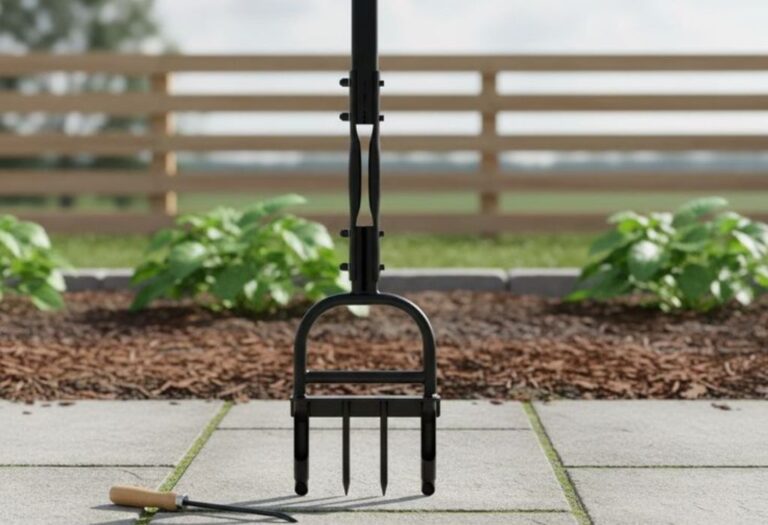
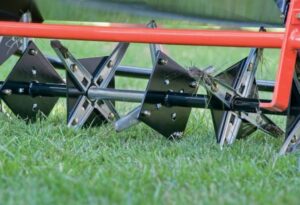
Core aeration is a lawn care task that involves using a special machine, called an aerator, to remove small cores or “plugs” of soil from your lawn. These plugs are usually about half an inch to an inch in diameter and several inches long. The goal of this process is to improve the health of your lawn and the soil underneath. Aeration is a great way to breathe new life into your yard.
The main reason for aerating is to address soil compaction. Over time, the soil in your lawn can get packed down, especially in areas with high foot traffic or clay-heavy soil. When the soil is compacted, it becomes difficult for air, water, and nutrients to reach the roots of your grass. Aeration helps to break up this compaction, creating pathways for these essential elements to penetrate the soil and reach the roots.
Benefits of Aerating Your Lawn
Aerating your lawn offers a range of advantages that contribute to a healthier and more vibrant yard. By removing soil cores, you’re essentially creating space for vital elements to reach the grass roots. This process alleviates soil compaction and encourages robust growth.
- Enhanced Air Circulation: Aeration creates small holes in the soil, improving air circulation. This allows the roots of your grass to “breathe” better. Oxygen is essential for root growth and overall plant health. With better air circulation, the roots can function more effectively, leading to a healthier lawn.
- Improved Water and Nutrient Uptake: The holes created by aeration facilitate water and nutrient absorption. Water can penetrate the soil more easily, reaching the roots efficiently. Nutrients, such as those from fertilizer, can also reach the roots, giving your grass the nourishment it needs. This results in a greener and more resilient lawn.
- Reduced Soil Compaction: Compaction is the enemy of a healthy lawn. It restricts root growth and prevents water and nutrients from reaching the roots. Aeration breaks up compacted soil, allowing the roots to spread and grow freely. This leads to a more resilient lawn that can better withstand stress from heat, drought, and foot traffic.
- Thatch Management: Aeration can also help with thatch control. Thatch is a layer of dead organic matter that accumulates on the surface of your lawn. While a thin layer of thatch is normal, a thick layer can prevent air, water, and nutrients from reaching the soil. Aeration helps to break down thatch and improve overall lawn health.
The Science Behind Aeration
Understanding the science behind aeration helps you appreciate its significance for lawn health. The process of removing soil cores directly impacts the fundamental requirements of grass growth. It addresses the issues that arise from compacted soil and improves the essential elements for a thriving yard.
When soil becomes compacted, the spaces between soil particles shrink. This makes it challenging for air, water, and nutrients to move through the soil and reach the roots. Aeration counters this by creating small channels that serve as pathways for these essential elements. Aeration is a bit like giving your lawn a breath of fresh air and a drink of water all at once!
Should You Pick Up Plugs After Aeration?
The question of should i pick up plugs after aeration comes up a lot. Some people wonder if the plugs should be left where they are or if you should remove them. The answer depends on a few different factors, including your goals for the lawn and the type of grass you have. Both options have their pros and cons, and understanding them will help you make the best choice for your yard.
There is no one-size-fits-all answer here. Sometimes leaving the plugs is a great choice, and other times removing them might be better. To decide, you need to consider what you want to achieve for your lawn and the type of grass you have. It’s really about picking the option that helps you get the healthiest, most beautiful lawn possible!
Advantages of Leaving the Plugs
Choosing to leave the plugs on your lawn after aeration comes with specific advantages. This method can be a simple and natural way to enhance soil quality and encourage healthy grass growth.
- Natural Decomposition: When you leave the soil cores on the lawn, they break down over time. This decomposition process returns valuable organic matter to the soil. This can improve soil structure and fertility.
- Improved Soil Quality: As the plugs decompose, they help to loosen the soil, improve drainage, and increase the soil’s ability to retain nutrients and water. This is especially useful for lawns with heavy clay soils. This method supports better conditions for root growth.
- Reduced Labor: Leaving the plugs is a time-saving approach. You avoid the need to collect and dispose of the cores. This is beneficial if you have a large lawn or prefer a less labor-intensive approach.
- Nutrient Introduction: The plugs contain soil and organic matter. As they break down, they release these nutrients back into the soil, which helps to feed your lawn. This method is like a slow-release fertilizer that provides gradual nourishment.
Drawbacks of Leaving the Plugs
While there are advantages to leaving the plugs, there can also be some drawbacks. Being aware of these points can help you decide if this method is the right choice for your particular yard.
- Unsightly Appearance: For a short period after aeration, your lawn might look a little messy. The plugs will sit on the surface, and some people don’t like how it looks. If you prefer a neat, tidy appearance, this might be a downside.
- Smothering of Grass: In some cases, if the plugs are very dense or if you have certain types of grass, they might smother the grass underneath. This is less likely to happen with fine-bladed grasses. But it can happen, especially in areas with very thick thatch.
- Weed Seed Distribution: If your lawn has weeds, the plugs could contain weed seeds. As the plugs break down, they might spread these seeds around, potentially increasing weed growth. This is a possibility if you haven’t been controlling weeds effectively.
- Messy for a Short Time: Until the plugs break down and disappear, they might make your lawn messy. This can be more of a concern if you frequently use your yard for outdoor activities.
How to Decide If You Should Remove Plugs
Deciding if you should i pick up plugs after aeration can depend on a few things. You have to think about your lawn’s health, your goals, and how much effort you want to put in. By thinking about all this, you can make the best choice for your lawn.
The best method depends on several things, including the type of grass you have, how much time you want to spend on the process, and what you hope to get out of it. Considering these elements will guide you to make a choice that fits your needs.
Factors to Consider Before Deciding
Before making a decision about whether or not to remove the plugs, consider these aspects. Evaluate the characteristics of your lawn and the desired outcomes to make a decision that helps you to create a beautiful yard.
- Grass Type: Different grass types react differently to aeration and the presence of plugs. For example, warm-season grasses such as Bermuda or Zoysia, often benefit from leaving the plugs as they break down and add nutrients. Cool-season grasses like Kentucky bluegrass might respond better if you remove the plugs, which reduces the chance of smothering the grass.
- Soil Type: The type of soil you have will affect your decision. If you have clay soil, leaving the plugs might be beneficial. This helps to improve the soil structure as the plugs decompose and add organic matter. In sandy soils, the plugs may disappear faster.
- Lawn Use: Think about how you use your lawn. If you have kids or pets, or if you regularly host outdoor events, the appearance of the lawn after aeration matters. Leaving the plugs might be inconvenient for some time. If your lawn has light traffic, you might not be as concerned about the initial mess.
- Aesthetics: Consider how you want your lawn to look. Some people prefer the neatness of a lawn without any visible plugs. Others might not mind the temporary appearance. Your personal preferences matter too!
The Best Method for Different Grass Types
The ideal approach to plugs after aeration may be different, depending on the type of grass on your lawn. Knowing the best methods for different grass types ensures that your aeration efforts are as effective as possible.
Here’s a guide on the best method for your type of lawn:
- Cool-Season Grasses (Kentucky Bluegrass, Fescue, Ryegrass): These grasses often do better if you remove the plugs. This helps to reduce the risk of smothering and allows for better air circulation. You can use a lawn sweeper or rake to collect the cores.
- Warm-Season Grasses (Bermuda, Zoysia, St. Augustine): Warm-season grasses can often benefit from leaving the plugs on the lawn. These grasses tend to grow vigorously and can recover quickly. The decomposing plugs help to improve soil quality. However, if the plugs are very thick, you may still want to remove some.
- Hybrid Grasses: If you have a mixture of grass types, consider the predominant type. If you have a significant amount of cool-season grass, it may be better to remove the plugs.
Steps to Remove Lawn Plugs (If You Choose To)
If you’ve decided to remove the plugs after aeration, following these steps will help you do it effectively. Removing the plugs can improve the appearance of your lawn more quickly.
Choosing to remove the plugs requires a little more work, but it can lead to a cleaner and neater result. The process is not difficult, and these steps will help you get it done effectively.
Gather Your Tools and Equipment
Before getting started, make sure you have the right tools and equipment to make the job easier. Proper tools can make the task much simpler.
- Lawn Sweeper or Rake: A lawn sweeper is a machine that helps gather the plugs quickly and easily. A sturdy rake can also be used, especially for smaller lawns or spot treatments. Make sure you have one that’s wide enough to cover a decent area.
- Wheelbarrow or Tarp: To collect the plugs, you’ll need a way to transport them. A wheelbarrow works well for larger lawns, and a large tarp can be a good option for gathering and carrying the plugs.
- Gloves: Protect your hands with a pair of gardening gloves.
- Optional: Protective Eyewear: It’s always good practice to wear safety glasses.
The Removal Process
Once you have gathered your tools and equipment, you can begin removing the lawn plugs. This process involves a few steps to make it as effective as possible.
- Wait for the Right Conditions: It is best to aerate when the soil is slightly moist. Dry soil can make it difficult for the aerator to penetrate, while wet soil can make a mess. The same applies to removing the plugs. If the soil is too dry, the plugs will be hard to move. If it is too wet, it can be a sticky and messy job.
- Start Sweeping or Raking: Begin sweeping or raking your lawn in a consistent pattern. Work methodically to collect all the plugs, making sure you reach every area of the lawn. Consider the direction you are sweeping or raking, as this can affect the efficiency.
- Collect and Dispose of Plugs: As you collect the plugs, gather them in your wheelbarrow or on the tarp. You can use them in your compost, or dispose of them as yard waste. Avoid piling the plugs on the lawn for an extended time.
- Clean Up: After collecting all the plugs, give your lawn a final sweep or rake to catch any stray pieces. Take some time to clean your tools and put them away.
Aftercare After Aeration
After you aerate your lawn, giving it proper care will ensure that your grass thrives. Post-aeration care sets the stage for optimal growth.
Providing the right care after aeration is an important step to ensure a lush and green lawn. These steps help with fast recovery and provide the best conditions for a healthier yard.
Watering and Fertilizing
Watering and fertilizing are important steps after aeration. Proper hydration and nourishment are essential to assist the grass in recovering.
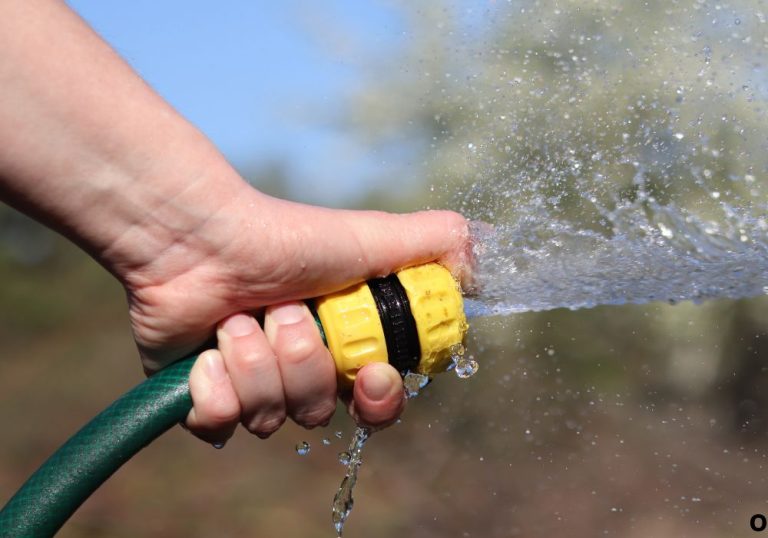
- Water Thoroughly: Water your lawn deeply and thoroughly after aeration. This helps the grass roots get established and promotes healthy growth. Water to saturate the soil. Deep watering encourages roots to grow downward, creating a more resilient lawn.
- Fertilize: Apply fertilizer after aeration. Aeration allows the fertilizer to reach the roots directly. Choose a fertilizer type that matches your grass type. Follow the manufacturer’s directions for application.
Seeding and Overseeding
Seeding and overseeding can be very beneficial after aeration, particularly for filling in thin areas or repairing damage.
- Seeding: Aeration is a great time to seed your lawn. The holes created by the aerator make it easier for the grass seeds to reach the soil. Spread the seeds evenly, and cover them lightly with soil or compost.
- Overseeding: Overseeding is the process of adding new grass seed to an existing lawn. This can help to fill in bare spots and thicken your grass. Choose the right seed type for your grass. Follow the directions for spreading the seed.
Frequently Asked Questions
Question: When is the best time to aerate my lawn?
Answer: The best time to aerate your lawn depends on your grass type. For cool-season grasses, aerate in the early spring or fall. For warm-season grasses, aerate in the late spring or early summer.
Question: How often should I aerate my lawn?
Answer: The frequency of aeration depends on your lawn’s condition and soil type. In general, aerate compacted lawns once a year. Lawns with heavy clay soils may benefit from aeration twice a year.
Question: What type of aerator should I use?
Answer: There are various types of aerators available. Core aerators remove soil plugs, making them the most effective. Spike aerators simply poke holes, which can be less effective, especially in compacted soil.
Question: Can I aerate my lawn myself, or should I hire a professional?
Answer: You can aerate your lawn yourself, especially if you have a small lawn. Renting a core aerator is an option. For larger lawns, or if you prefer a hassle-free approach, hiring a professional lawn care service is a good choice.
Question: What if it rains after aeration?
Answer: Rain after aeration can be beneficial because it helps to settle the plugs back into the soil and aids in the absorption of nutrients. However, avoid walking on the lawn immediately after aeration, especially if it is very wet, to prevent compaction.
Final Thoughts
So, should i pick up plugs after aeration? As you’ve seen, there’s no single “right” answer. The best approach depends on your lawn’s unique needs and your goals. Leaving the plugs lets nature do the work of adding organic matter and nutrients back into your soil. Removing the plugs improves your lawn’s look right away, giving you a neater appearance. Thinking about your grass type, soil type, and how you use your yard will help you pick the best choice. No matter what you choose, aeration is a great step to a healthier lawn.
Now, go out there and aerate your lawn! Whether you leave the plugs or remove them, you’re making a good investment in a greener, healthier yard. Your lawn will thank you for it!