Filling Aeration Holes: Simple Steps for a Healthy Lawn
If you’re looking to improve your lawn’s health, you might be wondering about how to fill aeration holes. This process can seem tricky for beginners, but don’t worry! It’s easier than you think. Aerating your lawn is great, but those little holes need attention. We’re going to break down the process into easy-to-follow steps. You’ll soon be on your way to a greener, more vibrant lawn, so let’s get started!
What Is Lawn Aeration and Why Does It Matter?
Lawn aeration is the process of creating small holes in your lawn. These holes, or aeration holes, are created to improve soil health and allow essential elements to reach the grass roots. Over time, the soil in your lawn can become compacted. This compaction prevents air, water, and nutrients from reaching the roots, leading to weak and unhealthy grass. Aeration helps break up this compaction, promoting healthier root growth and a more resilient lawn. It also helps with thatch buildup, a layer of dead organic matter that can suffocate your grass.
Aeration is especially helpful for lawns that experience heavy foot traffic, those with clay-heavy soil, or lawns that are regularly watered and fertilized. By opening up the soil, aeration enhances the effectiveness of these practices. When you aerate, you’re essentially giving your grass a breath of fresh air and a chance to thrive. This leads to a thicker, greener lawn that is better equipped to withstand stress from heat, drought, and pests. The process, while beneficial, leaves behind holes that need to be addressed. That’s where knowing how to fill aeration holes comes into play.
Types of Lawn Aeration
There are a few different methods to aerate your lawn, each with its own advantages. The choice depends on your lawn’s size, soil type, and the level of compaction. Knowing the different methods is helpful as you consider how to fill aeration holes. Understanding the process can also impact which method is best for you.
- Core Aeration: This is the most effective method, also known as plug aeration, removing small cores (plugs) of soil from the lawn. These cores are typically about 2-3 inches long and about a half-inch to three-quarters of an inch in diameter. By removing these cores, you create space for air, water, and nutrients to penetrate the soil. This is the best method for heavily compacted soils.Core aeration is especially beneficial for lawns with clay soil, as it helps to break up the dense structure of the clay and improve drainage. The removed cores can be left on the lawn to decompose, adding organic matter back into the soil, or they can be removed. This method is often preferred for long-term soil health and is usually performed once or twice a year, depending on the lawn’s condition.
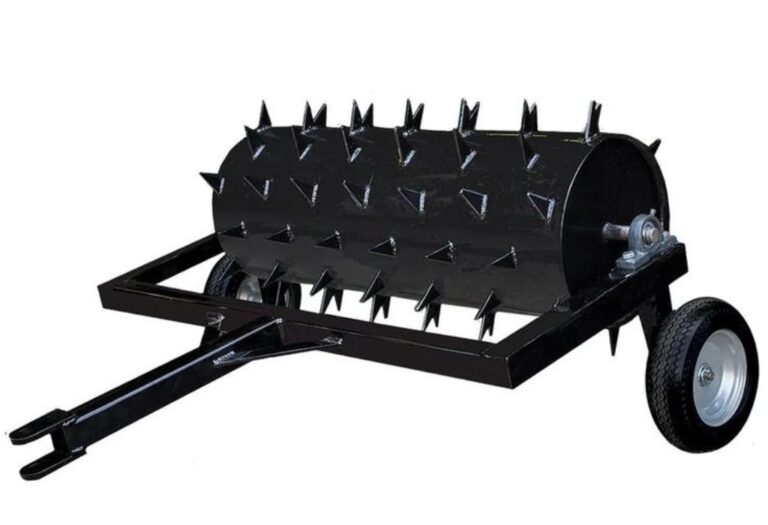
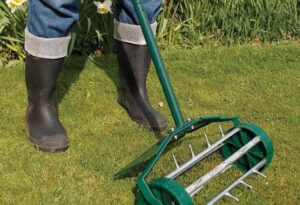
- Spike Aeration: This method uses solid tines to poke holes into the soil, creating channels for air and water. It’s less effective than core aeration, as it doesn’t remove any soil, so the soil can still compact around the spikes. Spike aeration can be done with manual tools like a garden fork or specialized aerating shoes, or with a machine.Spike aeration can be useful for light compaction or for lawns that are not heavily used. However, it can sometimes compact the soil further, defeating the purpose. It’s a quicker and easier option for smaller areas, but it doesn’t provide the same level of improvement as core aeration. Because it doesn’t remove soil, it can be done more frequently without damaging the lawn.
- Liquid Aeration: This is a newer approach that uses liquid products to loosen the soil. These products often contain surfactants that break up the soil structure and allow air and water to penetrate. While liquid aeration can provide some benefits, it’s generally less effective than core or spike aeration.Liquid aeration is a good option for those who don’t want to use mechanical tools or for areas that are difficult to aerate. It can improve water penetration and nutrient absorption. However, it’s often used in combination with other aeration methods for best results. The effectiveness of liquid aeration can depend on the soil type and the specific product used.
The Importance of Filling Aeration Holes: Benefits
After aerating your lawn, the holes created need to be addressed. This is where the process of filling those aeration holes comes in. Filling the holes offers many benefits. It helps optimize the aeration process and ensures the long-term health and beauty of your lawn. Understanding the advantages of filling these holes is a key part of learning how to fill aeration holes. This process helps your lawn get the most from the aeration.
The primary benefit of filling aeration holes is to enhance the aeration process itself. By filling the holes with a topdressing material, you provide a pathway for air, water, and nutrients to reach the root zone. This enhances the effectiveness of aeration, leading to improved root growth and a healthier lawn. The topdressing material also helps to level out any unevenness created during the aeration process, which provides a more uniform surface. Aeration itself is beneficial, and addressing the holes maximizes the results.
Essential Benefits of Filling Aeration Holes
- Improved Soil Health: Filling the holes with a suitable material, such as compost or topsoil, enriches the soil by introducing organic matter. This improves soil structure, increases water retention, and provides essential nutrients to the grass roots. Organic matter acts like a sponge, holding onto water and releasing it slowly, which helps your lawn stay hydrated during dry spells.Improved soil health also means better drainage. Aeration holes filled with the correct materials create pathways for excess water to drain away, preventing waterlogging and reducing the risk of fungal diseases. This allows the grass to access the nutrients it needs to grow strong and healthy. The richer the soil, the better the lawn will be.
- Enhanced Root Development: By filling the aeration holes, you create an environment that encourages root growth. The new material provides a loose and well-aerated area for the roots to expand. The roots can easily grow down into these holes, establishing a deeper and more extensive root system. This deeper root system makes the grass more drought-tolerant.Enhanced root development also results in a lawn that is more resistant to stress. Deeper roots can access water and nutrients more efficiently, helping the grass withstand harsh conditions like heat, cold, and heavy foot traffic. The lawn is better able to recover from damage and maintain its health throughout the year. It contributes to a stronger, more resilient turf.
- Better Water and Nutrient Absorption: Filling the holes with a topdressing material helps the soil absorb water and nutrients more effectively. This ensures that the grass receives the essential elements it needs to thrive. The topdressing acts as a reservoir, holding water and nutrients and making them available to the roots over time.Improved absorption also means less waste. Your lawn will use the water and fertilizer more efficiently, reducing runoff and saving you money on water and fertilizer costs. This efficiency results in a healthier lawn and a greener, more sustainable yard. Filling the holes ensures every drop of water and nutrient counts.
How to Fill Aeration Holes: Step-by-Step Guide
Now that you understand the importance of filling aeration holes, let’s explore how to fill aeration holes. This is the next stage of the process, and completing it correctly is essential for achieving the best results for your lawn. This guide breaks down the steps into a simple, easy-to-follow format, ensuring you can do it right. Following these steps will help you achieve the greenest, healthiest lawn possible.
Step 1: Choose the Right Materials
Selecting the right materials is the first and perhaps the most important step. The material you use to fill the aeration holes will directly impact the benefits you receive. The most common and effective materials are typically topsoil, compost, or a mixture of both. Choosing the correct material is vital to getting the most from how to fill aeration holes. Consider the following when deciding what to use.
- Topsoil: Topsoil is the top layer of the earth, often rich in organic matter and nutrients. It provides a good base for root growth and can help improve drainage. Make sure the topsoil you choose is of good quality and free of weeds and other debris.When selecting topsoil, consider the soil type of your lawn. If your soil is sandy, choose a topsoil that has a higher clay content to help improve water retention. If your soil is clay-heavy, select a topsoil with a sandy composition to improve drainage. Look for a blend that has good drainage properties and offers essential nutrients. Be sure to check the quality of the topsoil before purchasing it to avoid introducing any problems to your lawn.
- Compost: Compost is a nutrient-rich material created from decomposed organic matter like leaves, grass clippings, and food scraps. It is excellent for enriching the soil, improving its structure, and providing essential nutrients. Compost is a great choice for providing long-term benefits to your lawn.Compost helps the soil retain moisture, which reduces the need for frequent watering. It also improves drainage and provides a slow-release source of nutrients, feeding your grass for an extended period. Look for compost that is well-rotted and free of weed seeds. Using compost can significantly improve the overall health and vitality of your lawn. The added organic matter also creates a more hospitable environment for beneficial microorganisms in the soil.
- Mixtures: A mixture of topsoil and compost is often the ideal choice. This combination provides a balance of nutrients, improved drainage, and enhanced soil structure. Mixing the two materials can create a perfect blend for filling aeration holes.This combined approach offers the best of both worlds. The topsoil provides a solid base, while the compost enriches the soil and improves its structure. Using a mix ensures that the lawn benefits from both the drainage and nutrient-rich aspects of the materials. The specific ratio of topsoil to compost can vary based on your lawn’s needs. The combination can lead to a healthier lawn with improved root development and water retention.
Step 2: Prepare Your Lawn
Before you start filling the aeration holes, there are some steps to prepare your lawn. Preparing your lawn properly ensures that the filling process is as effective as possible and that you get the best results. Proper prep helps the topdressing material settle evenly and work its magic. Getting the lawn ready is an important aspect of how to fill aeration holes.
- Mow the Lawn: Mow your lawn to a slightly shorter height than usual. This makes it easier for the filling material to reach the soil and settle into the aeration holes. A shorter grass height also allows the topdressing to make direct contact with the soil.Mowing before filling the holes also makes it easier to spread the topdressing evenly across the lawn. The cut grass allows the material to work its way into the aeration holes without getting tangled. Make sure the mower blades are sharp to provide a clean cut without damaging the grass. This step is a small effort that significantly affects how well the topdressing works.
- Remove Debris: Remove any debris from the lawn, such as leaves, twigs, and rocks. Debris can prevent the filling material from reaching the aeration holes and can hinder the process. Clearing the area gives the topdressing a clear pathway.Debris can also get mixed in with the topdressing, creating an uneven surface and potentially introducing unwanted materials. Thoroughly cleaning your lawn ensures the best contact between the topdressing and the soil. This step ensures an even distribution of the topdressing material throughout the aerated area.
- Water the Lawn (Optional): Lightly watering your lawn before filling the holes can help the topdressing settle more easily into the holes. This step is beneficial, especially if the soil is dry. A light watering helps loosen the soil and makes it easier for the filling material to penetrate.Be careful not to overwater, as this can create puddles and make the process messy. A light watering creates a slightly moist environment, which helps the topdressing material settle in more effectively. This step is not always necessary, but it can be beneficial in certain situations, especially during drier periods.
Step 3: Applying the Filling Material
Once you’ve selected your materials and prepped your lawn, it’s time to apply the topdressing. This step is where all the work comes together, and the topdressing begins its work. Getting the application right will lead to a healthier, more vibrant lawn, so follow these tips closely. You are getting close to mastering how to fill aeration holes.
- Spread the Material: Use a spreader or a shovel to distribute the filling material evenly across the lawn. Aim for a thin layer, usually about ¼ to ½ inch thick. It is important to avoid applying too much, as this can smother the grass.A spreader is ideal for even distribution, but a shovel works well for smaller areas. Ensure the material gets into the aeration holes and onto the surface of the lawn. Start from one corner of your yard and work your way across to make sure you have covered the entire area. The even distribution of material is vital for a consistent result.
- Work the Material into the Holes: Use a broom, rake, or the back of a leaf rake to work the filling material into the aeration holes. Gently sweep or rake the material over the lawn’s surface to help it settle into the holes. This ensures that the holes are filled completely.This step ensures that the topdressing material fills the aeration holes and makes contact with the soil. By working the material into the holes, you maximize the benefits of aeration. Make sure to work the material carefully so you don’t damage the grass blades. This step is a critical part of the process, ensuring that the aeration holes are filled completely.
- Water the Lawn: Lightly water the lawn after applying the topdressing to help settle the material into the holes. This also helps to activate the nutrients in the topdressing. This helps everything integrate and creates a moist environment.Light watering is beneficial for the topdressing material to settle into the aeration holes and makes it more accessible to the grass roots. Water thoroughly, but avoid overwatering, as this can wash away the topdressing or cause it to clump together. The water should penetrate the soil and help the grass roots receive the nutrients from the material. This step helps the process begin immediately.
After Filling the Holes: Post-Aeration Care
After completing the process of filling the aeration holes, there are several steps you can take to care for your lawn. These steps will help you maximize the benefits of aeration and ensure your lawn thrives. Post-aeration care is essential to ensure that your lawn recovers quickly and continues to improve. Knowing the aftercare steps is essential to mastering how to fill aeration holes.
Post-Aeration Care Tips
- Water Regularly: Keep the soil consistently moist for the next few weeks. This will promote root growth and help the grass recover from the aeration process. Regular watering is key.Frequent watering helps the grass roots establish quickly. It also encourages the topdressing material to integrate into the soil. Aim to water deeply but infrequently, allowing the water to penetrate the soil. This will give your lawn the best chance to recover and become greener and healthier.
- Fertilize: Apply a balanced fertilizer to help stimulate new growth. The aeration process, combined with filling the holes, creates a perfect environment for your lawn to absorb nutrients. Fertilization will aid the process.Choose a fertilizer specifically for your grass type and follow the application instructions carefully. Fertilization provides your grass with the necessary nutrients for quick recovery and vigorous growth. Fertilizing helps in this crucial stage of lawn care to bring your lawn to its best condition.
- Avoid Heavy Foot Traffic: Minimize foot traffic on the lawn for a few weeks after aeration. This allows the grass to heal and establish new roots. Avoiding foot traffic during this period will protect the grass and help it recover.Limiting activity will reduce stress on your grass. Allow the grass to grow undisturbed, and this will improve its health. You can mark off the aerated area to remind everyone to stay off the lawn. This step will support the new roots and provide the best result.
Real-Life Examples and Scenarios
Understanding how to fill aeration holes can be more understandable with some examples. Here are a couple of examples of how aeration and filling the holes can make a difference. These situations are common and help illustrate the benefits of the process.
- Case Study 1: The Compacted Clay LawnJohn had a lawn with heavy clay soil. His grass always looked patchy, and water would often pool on the surface after rain. He aerated his lawn using a core aerator in the spring, removing soil plugs. He filled the holes with a mix of topsoil and compost. Over the next few months, John noticed a significant improvement. The grass started to thicken and become greener. Water drained more efficiently, and he no longer had standing water issues. By the end of the season, his lawn looked healthy and vibrant.
- Case Study 2: The High-Traffic LawnSarah had a lawn that her kids and their friends used constantly. She aerated her lawn in the fall using a spike aerator, which she thought would be best for her busy yard. She then filled the holes with sand. Within a few months, the grass recovered, and the lawn was able to handle heavy foot traffic with minimal damage. The grass in the high-traffic areas looked much healthier, and Sarah was pleased with the improvement.
Here are some sample scenarios to illustrate situations where understanding how to fill aeration holes is key to lawn health.
- Scenario 1: The Thatch Build-UpImagine your lawn is suffering from thatch, a thick layer of dead grass and organic matter. This thatch prevents air, water, and nutrients from reaching the soil. You aerate to break up the thatch and open up the soil, which is a great start. Then, you fill the aeration holes with compost. The compost not only decomposes the thatch but also adds nutrients and improves soil health. Your lawn will show significant improvement.
- Scenario 2: The Sandy Soil ChallengeYour lawn is on sandy soil, and it dries out quickly. You aerate, and you fill the aeration holes with a mix of topsoil and compost. The compost improves the soil’s ability to retain water, helping your grass stay hydrated, especially during summer. The topsoil and compost help give your yard what it needs. You will be very satisfied with the result.
| Lawn Issue | Aeration Method | Filling Material | Benefit |
|---|---|---|---|
| Compacted Soil | Core Aeration | Topsoil and Compost | Improved drainage and nutrient uptake |
| Heavy Thatch | Core Aeration | Compost | Decomposes thatch, adds nutrients |
| Sandy Soil | Core Aeration | Topsoil and Compost | Improved water retention |
Frequently Asked Questions
Question: How often should I aerate and fill aeration holes?
Answer: It depends on your lawn’s needs. For heavily compacted soils, aerate and fill the holes once or twice a year, typically in the spring and fall. For less compacted lawns, aeration may be needed every other year.
Question: Can I aerate my lawn myself, or should I hire a professional?
Answer: You can aerate your lawn yourself using a manual or a rented aerator. Professional services offer powerful equipment and expertise, especially for larger lawns or complex soil conditions.
Question: What if it rains after I fill the aeration holes?
Answer: Light rain can help settle the filling material. However, heavy rain can wash it away. Try to fill the holes when rain is not predicted for the next 24-48 hours. If rain does wash away the material, you might need to reapply it.
Question: Can I use sand to fill aeration holes?
Answer: While sand can be used, it’s typically best to use topsoil, compost, or a mix of both. Sand can improve drainage but doesn’t add nutrients or improve soil structure as effectively as organic materials.
Question: How long does it take to see results after aerating and filling the holes?
Answer: You should start to see improvements within a few weeks, with a noticeable difference in the lawn’s health and appearance after a couple of months. Consistent watering, fertilizing, and proper aftercare are essential for achieving the best results.
Final Thoughts
You now have a solid grasp on how to fill aeration holes. You’ve learned the why, the how, and the benefits of this crucial lawn care step. Remember, the key is to choose the right materials, prepare your lawn carefully, and apply the filling material evenly. After you’ve done that, regular watering and proper care will help your grass flourish. It’s a simple process, but the results can be remarkable, leading to a healthier, greener lawn that you’ll be proud of. Get out there, aerate, fill those holes, and enjoy the rewards of a vibrant, thriving yard. The secret to a perfect lawn is within your reach!