Aerating Uneven Yard: A Step-by-Step Guide for Lush Lawns
Dealing with an uneven yard is a common problem for homeowners. It can make mowing difficult and lead to standing water, which hurts your grass. If you’re new to lawn care, the idea of aerating uneven yard might feel a bit intimidating. Don’t worry! This guide breaks down the process into simple steps that anyone can follow. We’ll explore the tools you need and the best techniques to get your lawn looking its best. Let’s get started!
What Causes Uneven Lawns?
Uneven lawns develop due to several factors. Compacted soil, a common issue, occurs when soil particles are squeezed together, reducing air and water circulation around grass roots. This compaction can be caused by foot traffic, heavy equipment, or even natural soil conditions. Another cause is thatch buildup, a layer of dead organic matter that accumulates between the soil surface and the grass blades. Thatch can prevent water and nutrients from reaching the roots, leading to uneven growth. Poor drainage also plays a role. Areas that collect water after rain often suffer from erosion, creating dips and hollows. Finally, pests and diseases can weaken grass, contributing to unevenness. Addressing these issues is key to a healthy lawn.
Compacted Soil: The Silent Culprit
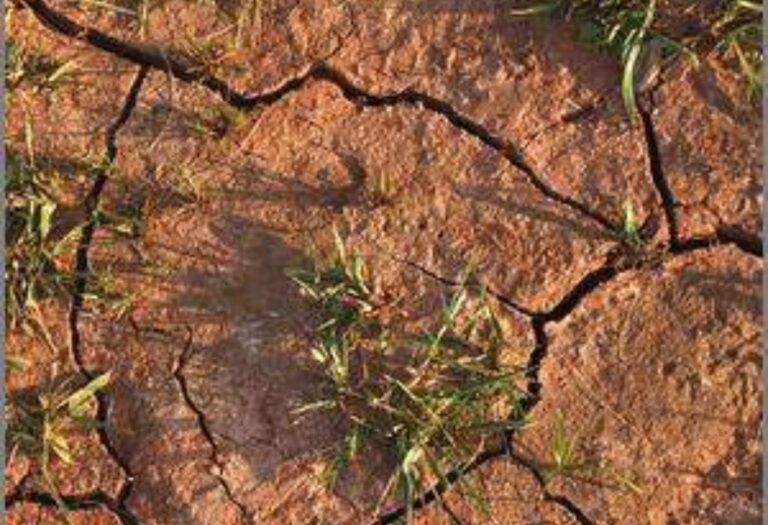
Compacted soil is a major reason lawns become uneven. When soil is compacted, it’s like squeezing all the air out of a sponge. Grass roots need air to breathe and thrive, but compacted soil makes it hard for them to get what they need. Water also struggles to soak into compacted soil, leading to runoff and puddles. Over time, these conditions damage the grass, making it weak and patchy. This issue is particularly common in areas with heavy foot traffic, like walkways and play areas. Understanding soil compaction is the first step toward a healthier, more level lawn. You can often tell if your soil is compacted by pushing a screwdriver into it; if it’s hard to get in, your soil is likely compacted.
-
- Heavy Traffic: Areas with frequent foot traffic, like pathways or play areas, are prone to soil compaction. This constant pressure pushes soil particles together.
Constant use forces soil particles together, reducing air pockets. This makes it hard for roots to grow and get the nutrients they need. Over time, this leads to an uneven appearance as grass struggles to thrive.
-
- Clay Soil: Clay soil naturally compacts more easily than other soil types because its particles are tightly packed. It retains water, but can also become hard and dense when dry.
Clay particles are small and close together, which limits the space for air and water. This lack of aeration hinders root development. This creates an environment that’s not ideal for grass. Clay soil often results in a lawn that is difficult to level.
-
- Lack of Aeration: Without aeration, soil remains compacted. Aeration involves creating small holes in the soil to improve air circulation.
Aeration breaks up the compacted soil, allowing air, water, and nutrients to reach the grass roots. Without regular aeration, compaction becomes a persistent problem. This can worsen over time.
Thatch Buildup: A Suffocating Layer
Thatch is a layer of dead and decaying organic matter that builds up between the soil surface and the green grass blades. A little thatch is normal and can even be beneficial, but too much thatch can create problems. It prevents water, air, and nutrients from reaching the soil and the roots. This leads to weak grass and creates an uneven surface. Thatch also harbors pests and diseases, which can further damage the lawn. Managing thatch is essential for a healthy lawn, and regularly aerating your yard helps to break down thatch.
-
- Over-Fertilization: Using too much fertilizer encourages rapid grass growth, which can lead to increased thatch production.
Excessive fertilizer causes the grass to grow faster than it can decompose thatch. This leads to a thicker thatch layer. This blocks nutrients and air, worsening the problem.
-
- Improper Mowing: Mowing too infrequently or removing too much grass at once can contribute to thatch buildup.
When you cut off too much grass at once, the clippings can settle on the surface and contribute to the thatch layer. This means that they don’t break down quickly. Proper mowing techniques are important for lawn health.
-
- Soil Compaction: Compacted soil can slow down the breakdown of thatch. This increases the thatch layer.
Compact soil hinders the activity of beneficial microbes that break down organic matter, including thatch. Aeration helps to break up the compaction. This helps to promote decomposition and makes the thatch manageable.
Poor Drainage: Where Water Becomes a Problem
Poor drainage is another factor that can lead to uneven lawns. If water doesn’t drain away properly after rainfall or watering, it can lead to several issues. Standing water can suffocate grass roots, making them weak and susceptible to disease. The soil also becomes soft and unstable, leading to erosion and the formation of dips and hollows. Improving drainage is critical for a healthy, even lawn. This often involves a combination of aeration, grading, and potentially installing drainage systems.
-
- Heavy Clay Soil: Clay soil retains water, which can lead to poor drainage. Water doesn’t drain quickly.
Clay soil’s structure prevents water from seeping away easily, causing water to pool on the surface. This can lead to waterlogged conditions that hurt grass. It also makes the lawn less sturdy.
-
- Compacted Soil: Compacted soil prevents water from penetrating the ground. This contributes to poor drainage.
Compaction reduces the pore spaces in the soil, which slows down water movement. This water ends up staying on the surface. This creates an uneven lawn.
-
- Inadequate Grading: If your yard doesn’t slope away from your house, water can collect and cause problems. Poor grading is a common cause of poor drainage.
A properly graded yard ensures that water flows away from structures. This prevents water from pooling and causing erosion. This ensures that the lawn surface stays even.
The Benefits of Aerating Your Yard
Aerating your yard, specifically aerating uneven yard, offers many benefits for a healthy lawn. It’s a key process for improving the health and appearance of your grass. Aeration involves creating small holes in the soil to allow air, water, and nutrients to reach the roots of the grass. This process helps to break up compacted soil, improve drainage, and encourage strong root growth. It also helps to reduce thatch buildup, which is essential for a thriving lawn. Regular aeration leads to a thicker, greener, and more resilient lawn that can better withstand stress from foot traffic, weather, and pests.
Improved Air Circulation: Breathing Life into Your Lawn
Improved air circulation is a central benefit of aeration. Aeration creates pathways for air to reach the grass roots, where it’s needed most. Compacted soil starves the roots of air, which limits their ability to absorb water and nutrients. By aerating, you’re essentially helping the grass breathe, creating an environment where roots can thrive. This enhanced air circulation promotes stronger, healthier growth. When roots have access to ample oxygen, the grass becomes more resilient to disease and stress.
-
- Reduced Soil Compaction: Aeration breaks up compacted soil, creating air pockets.
Aeration relieves compaction, making it easier for air to move through the soil. Compacted soil prevents air from reaching the roots, hindering growth. Breaking up the soil enhances aeration.
-
- Enhanced Root Development: Improved air circulation encourages deeper, stronger roots.
With better air access, roots can grow deeper and wider. Strong roots are crucial for a healthy lawn. They help the grass withstand drought, disease, and heavy use. This produces a healthier lawn overall.
-
- Increased Microbial Activity: Aeration boosts beneficial microbes in the soil.
Microbes help break down organic matter and release nutrients. Aeration creates an environment where these microbes can thrive. This helps the grass grow well. This promotes overall soil health.
Enhanced Water and Nutrient Absorption: Feeding Your Grass
Aeration boosts how well your lawn absorbs water and nutrients, which is vital for its health and appearance. When the soil is compacted, it becomes hard for water and nutrients to reach the grass roots. This is where aeration comes in, opening up small channels in the soil. These channels allow water to penetrate deeper into the soil and reach the roots. Nutrients, such as fertilizers, can also be absorbed more efficiently. This leads to a healthier, more vibrant lawn with stronger growth and better resistance to stress. By aerating, you’re giving your grass the resources it needs to thrive.
-
- Better Water Penetration: Aeration helps water seep into the soil more easily.
Aeration creates channels that allow water to reach the roots instead of running off. This is especially helpful in clay soils. This prevents waterlogging and drought stress.
-
- Improved Nutrient Uptake: Aeration increases how well the grass absorbs nutrients from the soil.
Aeration allows fertilizers to reach the root zone. This ensures that nutrients are used efficiently. Stronger, healthier grass can grow with proper aeration.
-
- Reduced Water Runoff: Aeration minimizes water runoff, helping to conserve water.
Aeration reduces surface runoff by improving water absorption. This is especially useful on sloped lawns. It helps to keep your lawn healthy and conserves valuable water resources.
Thatch Reduction and Pest Control
Aeration also helps control thatch buildup, which is essential for a healthy lawn. Thatch is a layer of dead organic matter that accumulates on the soil surface. Too much thatch can block water and nutrients from reaching the grass roots. Aeration helps break down the thatch layer. This encourages the decomposition of organic matter, reducing thatch buildup and creating a healthier growing environment. Aeration also disrupts the habitats of many lawn pests, such as grubs. This helps to reduce pest populations and protect your lawn from damage. Aeration is a great way to improve your lawn’s health in a couple of ways.
-
- Accelerated Thatch Decomposition: Aeration allows air and microbes to break down thatch.
Aeration helps break down thatch by creating a better environment for decomposition. Air and microbes work together. This is a natural process for keeping your lawn healthy.
-
- Disrupted Pest Habitats: Aeration disrupts the environments where lawn pests live.
Aeration can disrupt the habitats of pests. This helps to control pest populations. This keeps your lawn healthier and reduces the need for chemicals.
-
- Improved Soil Drainage: Aeration improves drainage, which helps to control pests and diseases.
By improving drainage, aeration makes the lawn less hospitable to pests and diseases. This provides a more balanced ecosystem. It enhances the health of the grass.
Step-by-Step Guide to Aerating Your Uneven Yard

Aerating an uneven yard can seem daunting, but it’s a manageable task with the right tools and steps. This guide provides a simple and effective approach for improving your lawn’s health and appearance. The process includes assessing your yard, choosing the right aeration method, and preparing the soil. You’ll learn how to aerate your yard and address any underlying issues. By following these steps, you can create a healthier, more level lawn. This will also ensure a more enjoyable outdoor space.
Assessment and Preparation
Before you start aerating, it’s important to assess your yard and get it ready for the process. This involves checking the condition of your lawn, identifying any areas of severe compaction or poor drainage, and preparing the soil for aeration. A thorough assessment helps you choose the correct aeration method and maximize the benefits. Soil preparation ensures the aeration process is effective. Proper preparation will ensure a successful result.
-
- Inspect Your Lawn: Look for areas of standing water, thin grass, and excessive thatch.
Inspect your lawn to see the problem areas. This will help you decide if you need to focus on certain spots. It will also help you choose the best aeration method.
-
- Test Soil Compaction: Use a screwdriver or soil probe to check the soil’s density. If it’s hard to push into the ground, your soil is compacted.
A simple test can determine if your soil is compacted. It is a good way to identify any compacted soil. This will guide your aeration process.
-
- Mow Your Lawn: Before aerating, mow your lawn to a standard height. This makes the aeration process more effective.
Mowing the lawn before aerating helps to ensure that the aerator can easily penetrate the soil. This can also prevent the grass from getting in the way.
Choosing the Right Aeration Method
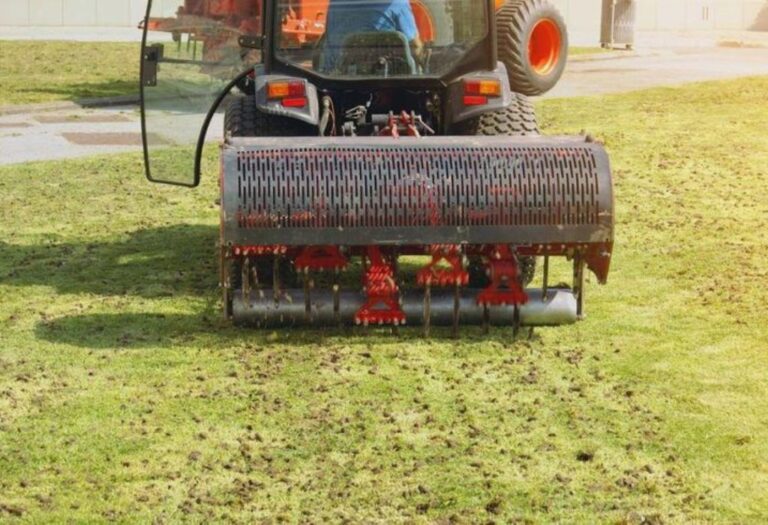
Choosing the right aeration method depends on your lawn’s size, condition, and soil type. There are two main types of aerators: core aerators and spike aerators. Core aerators, also known as plug aerators, remove small plugs of soil from the ground. Spike aerators create holes by simply poking into the ground. Core aeration is generally considered more effective for addressing compaction, as it removes soil. Spike aeration is less effective but can be helpful for lightly compacted soils. Consider the specifics of your lawn when making your choice.
-
- Core Aeration: Removes plugs of soil, creating deeper channels for air and water. It is the most effective.
Core aeration removes soil, creating holes that allow for better air circulation and nutrient penetration. This is usually the best option for compacted lawns. It yields the greatest results.
-
- Spike Aeration: Creates holes by pushing into the soil. It is great for lightly compacted soil and can be easier to use.
Spike aeration uses spikes to poke holes in the ground. While less effective than core aeration, it’s suitable for soil that isn’t highly compacted. It is also often easier to use.
-
- Manual vs. Mechanical Aerators: Choose the right type based on the size of your lawn.
Manual aerators are suitable for small lawns, while mechanical aerators are better for larger areas. Manual aerators include aerator shoes. Mechanical options include walk-behind or tow-behind aerators.
Aerating Your Lawn: The Process
Aerating your lawn involves a few key steps to ensure effective results. First, make sure you’ve mowed your lawn and watered it a day or two before aerating to soften the soil. If using a core aerator, you may want to make two passes over the lawn for better results. Overlap the passes slightly. After aerating, it’s beneficial to leave the soil plugs on the lawn. They’ll break down over time. This will add nutrients back to the soil. After aerating, apply a layer of compost or topdressing to further improve soil health. Finally, water your lawn thoroughly to help the grass recover and the beneficial effects of aeration take hold.
-
- Water the Lawn: Water the lawn a day or two before aerating to soften the soil.
Watering the lawn before aeration makes it easier for the aerator to penetrate the ground. This also makes the process more effective, particularly with core aeration. The ground should be moist.
-
- Make Multiple Passes: For best results, go over the lawn in several directions, overlapping slightly.
Multiple passes ensure that the soil is thoroughly aerated. This will improve the air circulation throughout the soil. It also helps with the penetration of water and nutrients.
-
- Leave the Soil Plugs: Allow the soil plugs to remain on the lawn. They will break down and add nutrients to the soil.
Leaving the plugs on the lawn will release nutrients back into the soil, improving its overall health. This also helps with the level of your lawn. It can also help with other issues.
-
- Apply Topdressing: After aerating, you can apply a layer of compost or topdressing.
Topdressing will provide added nutrients and improve soil structure. This will enhance the aeration benefits. This will help with the health of the grass.
-
- Water Thoroughly: Water your lawn after aerating to help the grass recover and for the best results.
Watering helps the grass recover and encourages root growth. This will help the aeration benefits and keep the lawn healthy. This will make the grass healthier and stronger.
Addressing Unevenness After Aeration
Aeration alone can help address some unevenness, especially if the issues are related to compaction or thatch. However, you might need additional steps to fix significant dips, hollows, or bumps in your yard. One common method is topdressing, which involves spreading a thin layer of soil or compost over the lawn surface. This will help fill in small depressions and improve soil quality. Grading is a more involved process. This involves reshaping the surface of your lawn to create a level grade. This might be needed for more significant unevenness. Remember that patience is important. Lawn improvement is a process, and the best results often come over time with consistent care.
Topdressing for Minor Imperfections
Topdressing is a great way to fix minor imperfections and improve soil quality after aerating. Topdressing involves spreading a thin layer of soil, compost, or a soil blend over your lawn. This will help fill in small depressions and smooth out the surface. Topdressing also adds nutrients to the soil, promoting healthier grass growth. The best time to topdress is usually after aerating, as the holes created by the aerator will help the topdressing material work its way into the soil. Choose the right topdressing material for your specific lawn and goals. Follow the correct application techniques for the best results.
-
- Choose the Right Material: Select a topdressing material that suits your soil type. Compost is great.
The right topdressing material improves soil health. Compost is beneficial. It adds nutrients. Soil blends may be best to level your lawn. Choose what will work best in your yard.
-
- Spread Evenly: Use a shovel, rake, or spreader to apply the topdressing evenly across the lawn.
Spreading the topdressing evenly is important for a smooth result. Even application makes the process easier. Even distribution of nutrients is a goal.
-
- Work it Into the Holes: Use the back of a rake or a leveling board to work the topdressing into the aeration holes.
Working the topdressing into the aeration holes helps it integrate with the soil. It also fills in minor surface imperfections. This will improve the lawn’s condition overall.
Grading and Leveling for Significant Issues
Grading and leveling are more intensive methods for addressing significant issues in an uneven yard. Grading involves reshaping the soil surface to create a level plane. This can be necessary if your lawn has large dips, bumps, or areas where water collects. Leveling can involve removing soil from high spots and filling in low spots. You might also add amendments to improve the soil quality. This process often requires more equipment and labor than topdressing. It’s often best suited for more significant landscape problems. Consider the scope of the project and your experience. If you aren’t familiar with this task, you might want to consider help.
-
- Assess the Slope: Determine the existing grade and identify areas that need to be filled or removed.
A good understanding of the current grade helps you plan the leveling process. Identify low spots and high areas. This is the first step in the grading project.
-
- Remove or Add Soil: Use a shovel, wheelbarrow, or equipment to move soil and create a level surface.
Moving soil is the core of the grading process. Remove excess soil from the high areas. Fill in low spots. This will result in a more level lawn.
-
- Compact the Soil: Use a roller or tamper to compact the soil after leveling. This will prevent settling.
Compacting the soil helps to stabilize the surface and prevent future settling. This will give you a level lawn. It also helps to ensure that the lawn stays level.
Ongoing Maintenance for a Level Lawn
Maintaining a level lawn requires ongoing care and attention. Regular aeration is a key part of this maintenance, especially for lawns prone to compaction or thatch. Schedule aeration at least once a year. Depending on your soil and usage, you might need to do it twice. Consistent mowing at the proper height is another important factor. This will promote healthy grass growth and prevent thatch buildup. Fertilizing and watering properly provides the nutrients and moisture your lawn needs to thrive. Inspect your lawn regularly for any signs of problems. This will help you catch issues early. It will also help you prevent them from getting worse.
-
- Regular Aeration: Perform aeration once or twice a year, depending on your lawn’s needs.
Regular aeration is essential for long-term soil health and preventing compaction. The frequency depends on your yard. It will always help with the health of your lawn.
-
- Proper Mowing Techniques: Mow at the correct height and frequency to promote healthy growth.
Proper mowing is crucial for the grass’s health. It can also help prevent thatch buildup. This keeps your lawn healthy. It also maintains a level surface.
-
- Consistent Watering and Fertilizing: Provide adequate water and nutrients. This will help maintain your lawn’s health.
Consistent watering and fertilizing are vital for healthy grass growth. This creates a strong lawn. It also helps it recover from stress.
-
- Monitor for Problems: Watch for signs of compaction, thatch buildup, and poor drainage. This will let you deal with them early.
Watch your lawn closely. Early detection can prevent small problems from becoming big ones. It will also help to keep your lawn in good condition.
Frequently Asked Questions
Question: How often should I aerate my lawn?
Answer: For most lawns, aerate once a year, preferably in the spring or fall. If you have heavy clay soil or high foot traffic, you may benefit from aerating twice a year.
Question: What’s the best time to aerate an uneven yard?
Answer: Spring and fall are the best times to aerate. The grass is actively growing. This helps it recover quickly. The ground is also usually moist.
Question: Can I use a regular lawnmower to aerate my yard?
Answer: No, a standard lawnmower doesn’t aerate. You need a specific tool, like a core aerator or spike aerator. These tools create holes in the soil.
Question: How much water should I use after aerating?
Answer: Water your lawn thoroughly after aerating, enough to moisten the soil deeply. This helps the grass roots recover and promotes healthy growth.
Question: What if my yard has a lot of rocks?
Answer: Be cautious when aerating a yard with many rocks. They can damage the aerator. If possible, remove rocks before aerating, or consider a manual aerator to avoid equipment damage.
Final Thoughts
Aerating uneven yard is a valuable task for homeowners, which contributes significantly to a healthier and more visually appealing lawn. As you’ve learned, addressing compacted soil, thatch buildup, and poor drainage is key for maintaining a level, vibrant lawn. Aeration opens up pathways for air, water, and nutrients to reach grass roots, fostering stronger growth. This process, coupled with topdressing and, if needed, grading, can help level your lawn, eliminating problems. While the process may seem daunting, this guide simplifies the steps. With regular aeration, proper mowing, and ongoing care, you can transform your uneven yard into a lush, green space. So, gather your tools, follow the steps, and begin the journey toward a beautiful, even lawn. Your efforts will result in a healthier, more enjoyable outdoor space. Remember, consistency and patience will get you there!