Aeration and Irrigation Lines: A Simple Guide for Success
Figuring out aeration and irrigation lines can seem like a puzzle at first. Many people find it a little tricky because there are several parts that work together to water your plants and give them air. But don’t worry! This guide will help you, step-by-step, to explore these important systems and make them work well. We’ll break down the basics, so you’ll feel confident about taking care of your garden or lawn. Get ready to learn how easy it can be!
What Are Aeration and Irrigation Lines?
Aeration and irrigation lines are essential for a healthy yard. They are two distinct yet interconnected systems critical for plant health and growth. Aeration focuses on the soil, making sure it has enough air for roots to breathe, which prevents compaction. Irrigation delivers water directly to the roots, promoting efficient water usage and plant well-being. Both systems can be above-ground or underground, offering flexibility for different garden designs. Proper installation and maintenance of these lines are critical, ensuring the long-term vitality of your plants.
Aeration Lines Explained
Aeration lines play a pivotal role in the health of any yard. They are designed to improve the soil’s ability to breathe, allowing oxygen to reach plant roots. This is especially vital in areas with compacted soil, where foot traffic or heavy machinery can squeeze the soil particles together, limiting air and water movement. Aeration is usually achieved through the use of aerators, which create small holes or remove soil plugs. This process helps to reduce soil compaction, improve water absorption, and encourage robust root growth. Choosing the correct type of aerator for your soil and yard size is very important.
- Why is soil compaction harmful? Soil compaction reduces the air spaces between soil particles. This makes it tough for plant roots to get enough oxygen and for water to soak in properly. Compacted soil also prevents the beneficial microbes that break down organic matter from thriving.
Aeration helps with soil compaction. By aerating the soil, you’re creating space for air and water to enter, supporting the roots and overall health of plants.
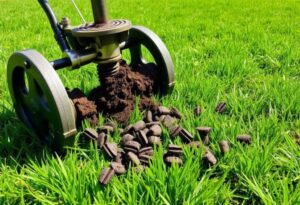
- Different types of Aeration: There are mainly two types of aeration: core aeration and spike aeration. Core aeration removes small plugs of soil, creating better openings for air and water. Spike aeration uses solid tines to poke holes in the soil, which can be useful but not as effective on compacted soil.
Choosing the appropriate aeration method depends on your soil type and the degree of compaction. Core aeration is normally more effective for tackling heavy compaction, but both methods improve soil aeration.
- When and how often to aerate: The best time to aerate is when your grass is actively growing. This lets the grass fill in the holes. In most cases, aerate in the early spring or fall. The frequency of aeration depends on soil conditions and use.
For heavy clay soils, aerate every year. For sandy soils, you might be able to get by every couple of years. Follow the manufacturer’s directions for your aerator and the specific needs of your grass.
Irrigation Lines Unpacked
Irrigation lines are the arteries that supply water to your plants. They come in various forms, including sprinklers, drip systems, and soaker hoses. The goal is to deliver water efficiently and evenly to the root zone, the area where roots absorb the nutrients and water needed to grow. The design and installation of an irrigation system consider water pressure, plant type, and garden layout. Regular checkups and repairs keep the system functioning properly, preventing water waste and maintaining plant health. Properly managing the system is a way to conserve water and help your plants thrive.
- Types of Irrigation Systems: The main types include sprinklers, drip irrigation, and soaker hoses. Sprinklers cover a large area, ideal for lawns. Drip irrigation delivers water slowly and directly to plant roots, reducing water waste. Soaker hoses are porous hoses that gently release water over the soil.
Deciding which system to use depends on the needs of your plants, the layout of your garden, and water usage goals.
- Setting up Irrigation Lines: Setting up an irrigation system normally involves several steps. First, design the layout to ensure proper coverage. Next, install the main water line and branch lines. Then, connect the sprinklers or drip emitters. Finally, test the system and adjust it for even water distribution.
Consider using a timer to automate the watering schedule and a pressure regulator to maintain the right water pressure.
- Tips for maintaining irrigation lines: Keep the system in good condition by doing regular checkups and simple fixes. This includes checking for leaks, cleaning filters, and making sure the sprinklers are working correctly. Also, consider the water needs of your plants. Adjust your watering schedule to match the weather and the needs of your plants.
Regular care helps prevent problems and ensures your irrigation system works efficiently, saving both water and money.
The Connection: Aeration and Irrigation Lines Together
Aeration and irrigation lines work in harmony to foster a healthy yard. Aeration helps the soil breathe, allowing water to penetrate more easily. Irrigation provides water where it is most needed, supporting the roots. When combined, aeration and irrigation ensure that plants receive the water and air needed to grow. It is a way to build a strong, green space.
How They Work Together
The key to a good yard is knowing how aeration and irrigation interact. Aeration improves the soil’s ability to absorb water by making it less compacted, which helps the irrigation lines work better. Without sufficient aeration, the soil can become waterlogged, leading to root rot and poor plant health. Proper aeration creates channels in the soil so the irrigation water reaches the roots more effectively. This ensures that the water is absorbed and used properly, rather than running off the surface.
- Aeration improves water absorption: Aeration reduces soil compaction, which makes it easier for water from irrigation lines to reach plant roots.
When the soil is aerated, the water is absorbed, providing essential moisture.
- Watering deeply vs. shallowly: Deep watering, as delivered by efficient irrigation, encourages roots to grow downward, making them more resilient. Aeration supports this.
In contrast, shallow watering encourages surface roots that are more vulnerable to drought and temperature changes. Aeration and proper irrigation allow roots to grow deep and strong.
- Avoiding waterlogging with aeration: If your soil is dense, the irrigation water may not be able to soak in properly. This can result in waterlogging, where the soil is overly saturated and can harm plants. Aeration helps prevent this by making sure the soil has adequate drainage.
Aeration helps with excessive moisture and improves the balance of water and air within the soil.
Synergies and Best Practices
To get the best results from aeration and irrigation lines, consider the best practices. Aerate the soil before setting up your irrigation system to maximize water penetration. Also, synchronize watering with aeration to guarantee that water gets into the roots. Always observe your plants and your soil. You may also want to use a soil test to guide how to proceed. Working together will support healthy growth and a lush landscape.
- Aerate before watering: Before you water, aerate the soil. This helps the water go straight to the roots.
This lets the irrigation water penetrate more deeply and be used by the plants effectively.
- Matching irrigation to aeration benefits: Use a watering schedule that matches the aeration. Water more deeply but less frequently to encourage deep root growth, especially in aerated soil.
This will help you prevent water waste.
- Soil testing: Test your soil. A soil test will tell you what nutrients are present. This information helps you decide on the right aeration and irrigation methods and allows you to adjust your approach to the specific needs of your plants and soil.
Doing this can help make the most of both processes.
Choosing and Installing the Right Lines
Picking the right aeration and irrigation lines for your yard depends on the layout of your garden and the types of plants you have. It includes understanding what you need and knowing how to install the system properly. This ensures that the system works efficiently and delivers air and water to the roots.
Selecting the Right Equipment
When selecting aeration and irrigation equipment, consider the size and the type of your yard. For aeration, choose between core and spike aerators. For irrigation, think about sprinklers, drip systems, or soaker hoses. Make sure to choose materials that are designed for your yard conditions. Think about the water pressure available and the soil type. Check that the equipment meets your needs. Look for efficient and long-lasting equipment to help with the long-term health of your yard.
- Choosing the right aerator: For heavy clay soils, select a core aerator that removes soil plugs. For other soil types, a spike aerator might be sufficient. Choose an aerator that is suited to your yard’s size, whether it’s a manual or a motorized one.
Consider the depth of aeration, the area it covers, and its ease of use.
- Selecting irrigation components: Select sprinklers or drip emitters that will supply the right amount of water. Pick materials that will stand up to weather and temperature changes. Get parts that are easy to install and maintain.
Also, choose the type of system to fit your yard’s layout and the needs of your plants.
- Considering Water pressure and flow: Make sure that the equipment you select works with your water pressure and flow rate. This prevents damage to the system and ensures that water is delivered properly.
If the water pressure is too low, sprinklers might not operate effectively. Too much pressure can cause leaks and damage.
Installation Tips and Tricks
Proper installation of aeration and irrigation lines is critical to the success of your yard. Start with the right tools and follow the instructions carefully. When installing aeration equipment, go over the whole yard evenly. For irrigation lines, lay out the lines, join the parts, and make sure everything is sealed. Take the time to ensure the lines are placed properly, that they are not leaking, and that water is distributed evenly.
- Preparing the area: Before beginning, clear the area of debris and rocks. For aeration, mark off any underground utilities. For irrigation, plan the layout to cover all areas of your yard properly.
A well-prepared area makes the installation easier and helps the system work more efficiently.
- Installing Aeration Equipment: When aerating, follow the manufacturer’s instructions. Overlap passes to ensure full coverage. Aerate in multiple directions to fully address compaction.
If using a core aerator, make sure the soil plugs are properly removed to allow air and water to enter the soil.
- Laying Irrigation Lines: Begin by connecting the main water line and then running branch lines. Ensure that all connections are secure and leak-proof. Bury the lines to a proper depth to protect them from damage and extreme temperatures.
When finished, test the system and check for even water distribution.
Aeration and Irrigation Lines: Maintaining a Healthy Landscape
Regular upkeep is essential to keeping your yard green and healthy. The best way to keep your aeration and irrigation lines working well is through regular maintenance and by resolving problems as they come up. Regular maintenance helps to avoid expensive repairs and ensures that your yard receives the care it requires to thrive.
Regular Maintenance Tasks
Scheduled maintenance will keep your aeration and irrigation lines operating properly. This includes regular checkups and simple maintenance tasks. This helps to prevent problems and keeps your yard healthy.
- Aeration maintenance: The key to keeping your aerator in top condition is regular maintenance. Remove any built-up soil or debris from the aerator’s tines after each use. Oil the moving parts as required and store the equipment in a dry area.
This keeps it from rusting and ensures it works well.
- Irrigation System Checks: You can keep your irrigation system working by checking for leaks in pipes and at connections. Clean the sprinkler heads and check for any blockages in the system. Check the timer and adjust the settings to match the watering schedule.
Regular checks help to maintain an effective watering system.
- Seasonal Checks and Adjustments: Adjust the aeration and irrigation systems with the change of seasons. Aerate in the spring or fall. Change the watering schedule based on the weather conditions. Reduce watering during cooler, wetter periods, and increase it during hot, dry spells.
Seasonal adjustments maintain a healthy balance.
Troubleshooting Common Issues
Even with regular maintenance, problems can still happen with aeration and irrigation lines. It is helpful to know how to identify and address issues, such as soil compaction, poor water distribution, and leaks. Early intervention helps to avoid problems from getting worse and ensures the long-term well-being of your yard.
- Dealing with compacted soil: If you see compacted soil, then aerate the area. Core aeration is normally best for heavy compaction. Add organic matter, like compost, to enhance soil structure and reduce compaction in the long run.
Regular aeration can prevent compaction.
- Addressing uneven water distribution: If water is not distributed evenly, check for clogged sprinkler heads or broken sprinkler heads. Ensure that the system pressure is correct and the lines are not blocked. Change the placement or the type of sprinkler heads if required.
Make sure all areas of your yard are getting the water they need.
- Fixing Leaks and other Problems: Inspect your lines for leaks.
Address problems quickly to maintain the effectiveness of your system.
Frequently Asked Questions
Question: How often should I aerate my lawn?
Answer: It depends on your soil type and usage. Heavy clay soils usually benefit from aeration every year, while sandy soils may only need it every few years. High-traffic areas may also need more frequent aeration.
Question: What is the best time of year to aerate?
Answer: The best time to aerate is when your grass is actively growing. This is usually in the early spring or fall. Aerating during these times allows the grass to quickly recover and fill in the holes created by the aerator.
Question: How do I know if my irrigation system is working efficiently?
Answer: Check your system for even water coverage. Look for signs of water waste, such as runoff or puddling. Make sure the sprinkler heads are not blocked or damaged, and adjust your watering schedule according to the season and weather conditions.
Question: Can I aerate and irrigate at the same time?
Answer: Yes, you can aerate and irrigate, but do it strategically. Aerate first, then water deeply but less often. This helps water penetrate the soil more effectively and encourages deep root growth.
Question: What should I do if my irrigation system has low water pressure?
Answer: Low water pressure can be a problem. First, check your water source and the main water supply for any blockages. Inspect the filters and sprinkler heads to see if they are clogged. If the issue is persistent, consult a professional to examine your system.
Final Thoughts
Taking care of aeration and irrigation lines is a smart way to make sure your yard stays healthy and thrives. We’ve explored the basics of aeration and irrigation, from choosing the right equipment to keeping everything working well. By taking the right steps, you can create a yard that is lush and green. Remember, regular care and attention is key to a beautiful landscape. Now, go ahead, put this knowledge to work. You’re well on your way to success!