Simple Lawn Aeration and Weed Control for a Healthy Yard
If you’re new to lawn care, the idea of lawn aeration and weed control might seem a little confusing. Don’t worry, many people feel that way at first! These tasks are essential for a beautiful, thriving lawn, but the different tools and techniques can feel overwhelming. We’ll break down the process step-by-step, making it easy to do right. Get ready to explore how you can get your lawn in tip-top shape without the fuss.
What Is Lawn Aeration and Why Does It Matter?
Lawn aeration is a gardening method that involves creating small holes in your lawn. This process is important because it allows air, water, and nutrients to reach the roots of your grass. Over time, soil can become compacted, making it difficult for these vital elements to penetrate the root system. This compaction can be caused by foot traffic, heavy equipment, or even the type of soil you have. Aeration solves this problem by loosening the soil and providing pathways for healthy growth. It’s like giving your lawn a breath of fresh air!
Aeration Methods: Core vs. Spike
There are two main ways to aerate your lawn: core aeration and spike aeration. Core aeration, the more effective method, uses a machine to remove small plugs of soil from the lawn, leaving behind holes. These plugs are usually about 2-3 inches deep. Spike aeration, on the other hand, involves using a tool to create holes by poking into the soil. While spike aeration is easier and less expensive, it isn’t as effective at relieving compaction because it simply pushes the soil aside, rather than removing it. Core aeration is better because it removes soil, creating more space for air, water, and nutrients.
- Core Aeration Explained: Core aeration, using a core aerator, pulls up plugs of soil and thatch. These plugs are often left on the lawn to decompose, adding organic matter back to the soil. This is the preferred method, especially for lawns with heavy clay soil or those that experience a lot of foot traffic.
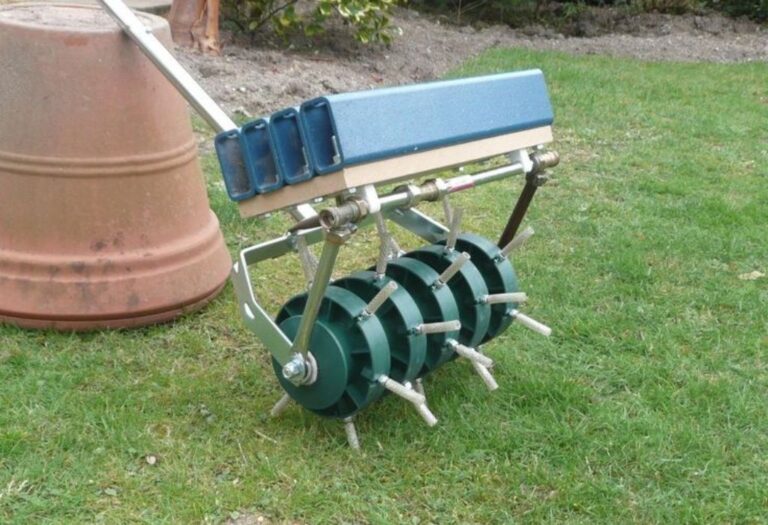
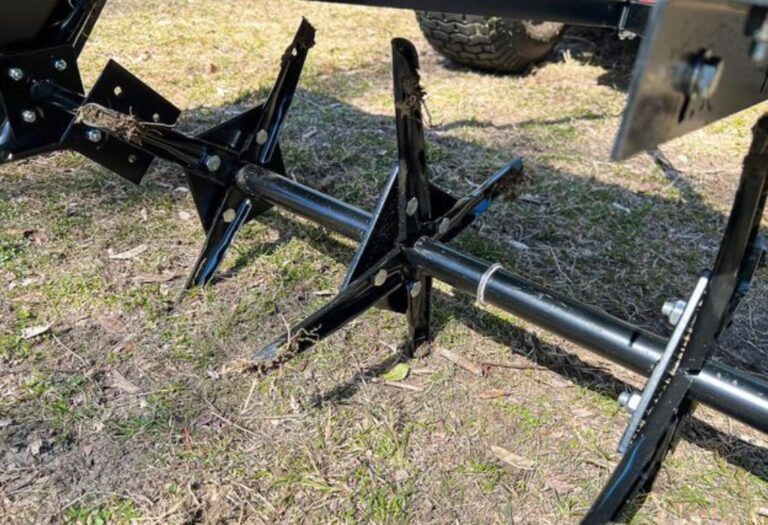
- Spike Aeration Explained: Spike aeration uses a tool with solid tines that poke holes into the soil. While this loosens the soil, it can also compact the soil around the holes. This method is suitable for lawns that are only slightly compacted.
- Choosing the Right Method: Select the method based on your soil type and the degree of compaction. If you’re unsure, core aeration is generally the better option because it provides more benefits. It’s wise to assess your lawn’s health before making a decision.
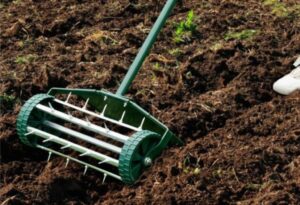
- Equipment Options: Core aerators can be manual or motorized. Manual aerators are great for small lawns, while motorized versions make the job easier for larger areas. Spike aerators can be as simple as a spiked shoe you wear or a rolling tool.
When and How to Aerate Your Lawn
The best time to aerate your lawn is during its active growing season, usually in the spring or fall. This allows the grass to recover quickly and fill in the holes. Before aerating, mow your lawn to a normal height and water it a day or two before. This will soften the soil and make aeration easier. After aerating, it’s a good idea to leave the soil cores on the lawn so they break down, returning nutrients to the soil. After the aeration, you can also consider overseeding, which means spreading grass seed over the aerated lawn, and then watering regularly.
- Seasonal Timing: The ideal times for aeration are spring and fall, when your grass is actively growing and can quickly recover. Avoid aerating during the hottest or coldest parts of the year.
- Preparing the Lawn: Mow the lawn before aerating, and water it a few days beforehand. This helps the aerator penetrate the soil effectively.
- Aeration Depth: Aim for a depth of 2-3 inches for core aeration. This is deep enough to effectively relieve compaction without damaging the grass roots.
- Aeration Pattern: When using an aerator, make multiple passes over the lawn, overlapping each pass to ensure thorough coverage. This ensures all areas are aerated.
Tackling Weeds: A Guide to Weed Control
Weed control is a key part of maintaining a healthy lawn, but weeds can quickly take over if left unchecked. There are many approaches to weed control, from simple manual removal to using herbicides. The method you choose will depend on the types of weeds you have and how quickly you want to get rid of them. The goal is to eliminate existing weeds and stop new ones from growing, giving your grass the chance to thrive. This requires patience and consistency, but the result is a lawn you’ll love.
Types of Weeds and How to Identify Them
Weeds can be grouped into several types based on their life cycle and appearance. Knowing the types of weeds in your lawn will help you select the best control method. Broadleaf weeds have wide leaves and noticeable flowers, while grassy weeds resemble grass and can be harder to spot. Some weeds are annuals, meaning they grow, flower, and die in one season, while others are perennials, which live for multiple years. Identifying the weeds in your lawn correctly is a step toward efficient control.
- Broadleaf Weeds: These weeds, such as dandelions and clover, are usually easy to spot because of their wide leaves and distinct flowers. Look for them in areas with thin grass or bare spots. Control broadleaf weeds with selective herbicides.
- Grassy Weeds: Grassy weeds, like crabgrass, look like grass and can blend in with your lawn. They can be identified by their wider blades and different growth patterns. Controlling grassy weeds often requires the use of pre-emergent herbicides.
- Annual Weeds: These weeds complete their life cycle in one year. They are easier to control because you can prevent them from producing seeds.
- Perennial Weeds: Perennial weeds live for multiple years and can be more difficult to eliminate because of their established root systems.
Methods for Weed Control
There are several ways to control weeds, including manual removal, herbicides, and cultural practices. Manual removal is effective for small infestations, but can be labor-intensive for larger lawns. Herbicides offer a faster solution, and are available in two main types: pre-emergent and post-emergent. Pre-emergent herbicides stop weed seeds from sprouting, while post-emergent herbicides kill weeds that have already grown. Cultural practices like proper mowing and watering can also help to prevent weed growth.
- Manual Removal: Pulling weeds by hand is an easy solution for small weed problems. It is best done after rain or watering when the soil is soft. Make sure to remove the entire weed, including the roots, to prevent it from growing back.
- Pre-Emergent Herbicides: These herbicides stop weed seeds from germinating. Apply them in early spring before weeds start to grow. Pre-emergents create a barrier in the soil that weeds cannot break through.
- Post-Emergent Herbicides: These herbicides kill existing weeds. They come in both selective and non-selective forms. Selective herbicides target specific weed types, while non-selective herbicides kill any plant they touch.
- Cultural Practices: Proper lawn care practices like mowing at the correct height, watering deeply but infrequently, and fertilizing can help prevent weed growth. A thick, healthy lawn naturally chokes out weeds.
Choosing the Right Weed Control Strategy
The best weed control strategy combines different methods for the most effective outcome. Assess the types of weeds in your lawn and how widespread they are. For small areas, manual removal might be enough. For larger problems, a combination of pre- and post-emergent herbicides may be needed. Always read and follow the instructions on any herbicide product. Also, consider any environmental impact of your choices.
- Assessment: Identify the weeds and note the extent of the infestation. This will guide your choice of control methods.
- Manual vs. Chemical Control: Consider the size of the weed problem and your willingness to use herbicides. Manual removal is best for small areas, while herbicides are more efficient for larger lawns.
- Herbicide Selection: Choose herbicides appropriate for the weed type. If you have a mixture of weeds, you might need both pre- and post-emergent herbicides.
- Timing: Apply herbicides at the right time. Pre-emergents are used before weeds sprout, and post-emergents are used on active weeds. Timing is key to effectiveness.
Combining Lawn Aeration and Weed Control for the Best Results
To have the healthiest and best-looking lawn, it’s wise to combine lawn aeration and weed control. Aeration makes the soil healthier by improving the flow of air, water, and nutrients, while weed control stops unwanted plants from competing with your grass. Doing both together can lead to a more beautiful and hardy lawn that is more resistant to weeds and can better withstand environmental stresses. This teamwork creates a perfect environment for grass to grow strong and vibrant.
Timing and Sequence for Aeration and Weed Control
Planning is key when it comes to the timing and order of aeration and weed control. For most lawns, aeration is best done in the spring or fall, followed by overseeding to fill in any bare spots and promote new growth. If you use a pre-emergent herbicide for weed control, you will need to time the application to avoid harming the new grass seed. Post-emergent herbicides can be applied after the new grass has had time to grow a bit. Careful planning will help you get the best outcomes.
- Spring Aeration and Overseeding: Aerate your lawn in the spring, followed by overseeding to fill in bare spots. Apply a pre-emergent herbicide before seeding to prevent weeds.
- Fall Aeration and Weed Control: Aerate in the fall, which is also a good time to apply a pre-emergent herbicide to control winter weeds. Use post-emergent herbicides as needed.
- Pre-Emergent Herbicide Timing: If using pre-emergent herbicides, apply them before seeding or aeration to prevent weed seeds from germinating. Carefully follow the product instructions.
- Post-Emergent Herbicide Application: Apply post-emergent herbicides after new grass has established itself, following product instructions carefully to avoid damage to your lawn.
The Benefits of a Combined Approach
The combination of lawn aeration and weed control offers several benefits. Aeration allows herbicides to penetrate the soil more effectively, reaching the roots of weeds. A healthy lawn, thanks to aeration and weed control, will be better able to resist weeds, and will be able to handle stress like drought and foot traffic. A combined approach creates a lawn that is healthier, denser, and better able to thrive. It’s a key part of long-term lawn care success.
- Improved Herbicide Effectiveness: Aeration helps herbicides reach weed roots more easily. This can improve the effectiveness of post-emergent herbicides.
- Enhanced Grass Growth: Aeration improves soil conditions, promoting stronger, healthier grass. This makes it more difficult for weeds to get a foothold.
- Reduced Weed Pressure: A thick, healthy lawn is naturally more resistant to weeds. The combination of aeration and weed control leads to a dense lawn that chokes out weeds.
- Overall Lawn Health: A combined approach improves overall lawn health, making your lawn more resilient to environmental stresses and giving it a better appearance.
Frequently Asked Questions
Question: How often should I aerate my lawn?
Answer: For lawns with heavy clay soil or high foot traffic, you should aerate annually. For other lawns, every two to three years may be sufficient.
Question: Can I aerate and seed my lawn at the same time?
Answer: Yes, in fact, it is often recommended. Aerating before seeding helps the grass seed make contact with the soil, leading to better germination.
Question: What is the best way to control weeds without using chemicals?
Answer: Manual removal and proper lawn care practices like mowing at the correct height, watering deeply, and fertilizing are useful in controlling weeds without chemicals.
Question: When should I apply pre-emergent herbicides?
Answer: Apply pre-emergent herbicides in early spring, before weed seeds begin to sprout. Always read and follow the product instructions carefully.
Question: What are the risks of using herbicides?
Answer: Herbicides can pose some risks to the environment and human health if used improperly. Always follow the product instructions carefully and consider using protective gear.
Final Thoughts
By understanding the key aspects of lawn aeration and weed control, you can take control of your lawn’s health and appearance. Remember that aerating helps the roots of your grass by allowing air, water, and nutrients to get where they are needed. Weed control stops those unwanted plants from stealing those important things, so your grass gets what it needs to thrive. These two things work well together, resulting in a more beautiful lawn. With a bit of know-how and some effort, you can transform your yard into a lush, green space. Start by assessing your lawn’s needs, picking the right tools and products, and following the steps outlined here. Your dream lawn is within reach!