Aeration Frequency Explained: Simple Steps for Better Results
Figuring out the right aeration frequency can feel like a puzzle when you’re starting out. There’s a lot of information, and it can be hard to know where to begin. Don’t worry, though! It’s much simpler than it seems. This guide breaks down everything you need to know in easy-to-understand steps. You’ll learn how to get the hang of it, so let’s explore the essentials and get you started.
Why Is Aeration Frequency Important?
Aeration is a crucial process, but knowing how often to do it can be a problem. Getting the timing right helps your lawn and gardens get what they need to thrive. Think of it like giving your plants a breath of fresh air. It helps loosen up the soil and allows oxygen, water, and nutrients to reach the roots of plants more easily. Getting this process correct can make a huge difference in how healthy and lush everything grows.
The Benefits of Regular Aeration
Regular aeration offers many benefits for your lawn and gardens. It addresses compacted soil and promotes a healthy environment for root growth, which in turn leads to a vibrant landscape. It also improves the soil’s ability to absorb water and nutrients, making plants stronger and more resilient. Moreover, it creates a favorable environment for beneficial soil organisms that aid in decomposition and nutrient cycling.
- Improved Water Absorption: Aeration helps break up the soil, allowing water to penetrate deeper. This is particularly helpful in clay soils. When the soil is aerated, the water can soak in better, meaning your plants are less likely to dry out. This reduced water runoff also protects your soil from erosion and helps maintain a healthy ecosystem.
- Enhanced Nutrient Uptake: With better water movement, the roots of your plants can easily access the nutrients they need. This means healthier plants that look and perform their best. It also helps the plants stay strong and healthy, which makes them less susceptible to diseases.
- Stronger Root Development: Aeration stimulates root growth by providing more air to the roots. When roots can grow more easily, the plants become more resilient to harsh conditions. A well-developed root system is vital for plant stability and its capacity to get water and nourishment.
- Reduced Soil Compaction: Compacted soil is a common problem, making it hard for plants to grow. Aeration helps break up compacted soil, making it easier for roots to spread and grow. Over time, compaction can suffocate the roots, reducing their ability to absorb nutrients.
- Better Air Circulation: Aeration provides better airflow within the soil. This is essential for the health of both roots and the soil’s tiny organisms. It helps prevent the buildup of harmful gases and promotes the growth of beneficial microbes.
Factors Affecting Aeration Frequency
Several things influence how often you should aerate. The type of soil, how much the area gets used, and local weather patterns all play a role. For example, soil with more clay tends to pack down tighter and needs more aeration than soil that’s sandy. Also, high-traffic areas where people walk or where kids play, need aeration more often because they compact quicker. Finally, weather conditions like prolonged dry spells or heavy rainfall can affect the need for aeration.
Here’s a comparison table about soil types and aeration needs:
| Soil Type | Description | Aeration Frequency |
|---|---|---|
| Clay Soil | Heavy, packs down easily | Every year or every other year |
| Sandy Soil | Drains well, less compaction | Every 2-3 years |
| Loamy Soil | Mix of sand, silt, and clay; good drainage | Every 1-3 years |
A study found that aerating compacted clay soil can increase water infiltration rates by up to 40%.
How to Determine the Right Aeration Schedule
Figuring out the right schedule for aeration frequency can feel complicated, but it doesn’t have to be. Several clues can help you decide when to aerate. Also, understanding your soil type, looking for signs of compaction, and considering your local climate can lead to great results. The aim is to balance giving your plants what they need with the right amount of attention.
Observing Your Lawn and Garden
Keeping an eye on your plants is the simplest way to determine when to aerate. Things like how well your plants grow and how the soil feels are important. If you notice things like slow growth, thin patches, or water pooling on the surface, it’s probably time to aerate. These signs are often the first hints that your soil needs a little help.
- Slow Growth: If your grass or plants aren’t growing as quickly as they should, it could be a sign of compacted soil. This happens because the roots can’t get the air and nutrients they need. A slow growth rate can be an early indicator of this problem.
- Thin Patches: Thin or bare spots in your lawn can indicate compacted soil. The roots in these areas can’t grow properly, so the grass can’t thrive. This is a clear sign that you might need to aerate to help the grass recover.
- Water Pooling: If water sits on the surface of your lawn for a long time after rain or watering, it suggests the soil isn’t draining well. This happens because the soil has become compacted, and water can’t soak through. This is a common indicator of a need for aeration.
- Soil Hardness Test: Push a screwdriver into the soil to check for compaction. If you have trouble getting it in, it’s a sign the soil is too compact. The screwdriver test is a simple way to get a quick check.
- Weed Growth: Certain weeds prefer compacted soil. A rise in weeds such as crabgrass or plantain may be a sign of compacted soil. Aerating can help reduce these weeds by improving soil conditions and promoting healthier grass growth.
Seasonal Considerations
When you decide to aerate is important, too. Timing can affect the results, so you have to consider the season and weather conditions. The best times to aerate depend on your local climate, the type of grass you have, and the growing season.
- Cool-Season Grasses: The best time to aerate cool-season grasses like bluegrass, fescue, and ryegrass is in the early fall. The soil is still warm, which helps the roots grow, while the cooler air supports the grass.
- Warm-Season Grasses: For warm-season grasses such as Bermuda grass, zoysia, and St. Augustine, the best time to aerate is in late spring or early summer. This gives the grass time to recover and grow during its active growing period.
- Spring Aeration: Aerating in spring can be a good idea, but it depends on the grass type. For cool-season grasses, it is generally okay, but you should avoid aerating during the peak growing season to avoid causing stress.
- Fall Aeration: Aerating in the fall allows the grass to recover and grow before winter. The soil will remain warmer for a longer period, encouraging root growth before the dormancy. Aeration helps the grass to store energy for the winter.
- Weather Conditions: Avoid aerating during droughts or heat waves. Aeration puts stress on the grass, so it is best to do it when the weather is mild and the grass has enough water. It is best to aerate after a rainfall or after you have watered the lawn.
Research indicates that aerating in the fall can lead to a 20% increase in root growth for cool-season grasses.
Different Aeration Methods
You can choose from a few methods for aerating your lawn, each with its own advantages. The most common methods are core aeration and spike aeration. Core aeration pulls out small plugs of soil, while spike aeration pokes holes in the ground. The choice of which method depends on factors like soil type and the degree of compaction.
Core Aeration
Core aeration is generally the most effective method, particularly in heavily compacted soils. It uses a machine to remove plugs of soil from the lawn. These small cores are typically about 2-3 inches long and about a half-inch to three-quarters of an inch in diameter. This technique helps relieve compaction by creating space for the soil to breathe and for water and nutrients to reach the roots of the plants.
- How Core Aeration Works: Core aerators have hollow tines that penetrate the soil and pull out soil plugs. These plugs are left on the lawn surface to break down naturally. This process helps to reduce compaction by creating channels within the soil.
- Advantages: Core aeration removes soil plugs, creating more space in the soil, improving airflow and water movement. This method is the best for dealing with serious compaction and thatch buildup. The removal of soil plugs allows for the physical disruption of compacted soil, which promotes healthier root growth.
- Disadvantages: Core aeration machines can be heavy and require more effort to maneuver. You may need to rent or buy a core aerator. It can leave soil plugs on the surface, which some people find unsightly.
- Ideal Soil Conditions: Core aeration works best in clay or compacted soils. The removal of soil plugs creates space for the soil to breathe. This can significantly improve soil structure and health.
- Post-Aeration Care: After core aeration, water the lawn thoroughly to help the soil settle. You can also overseed the lawn after aeration. This practice helps to fill in any bare spots and to thicken the grass.
Spike Aeration
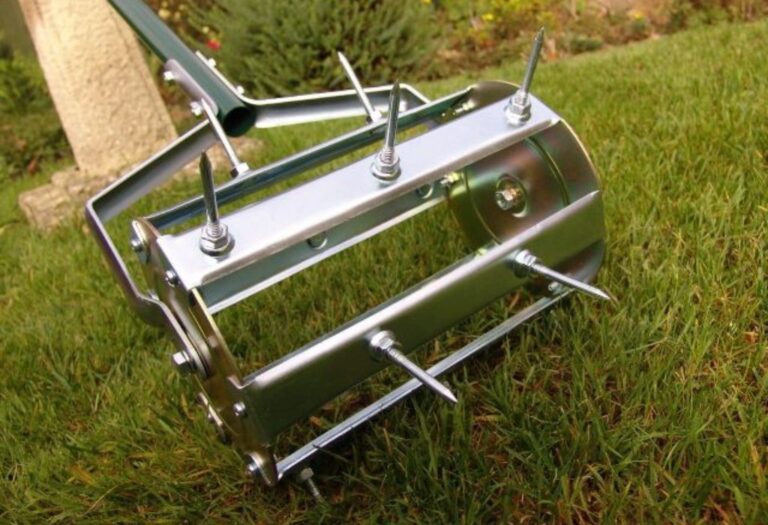
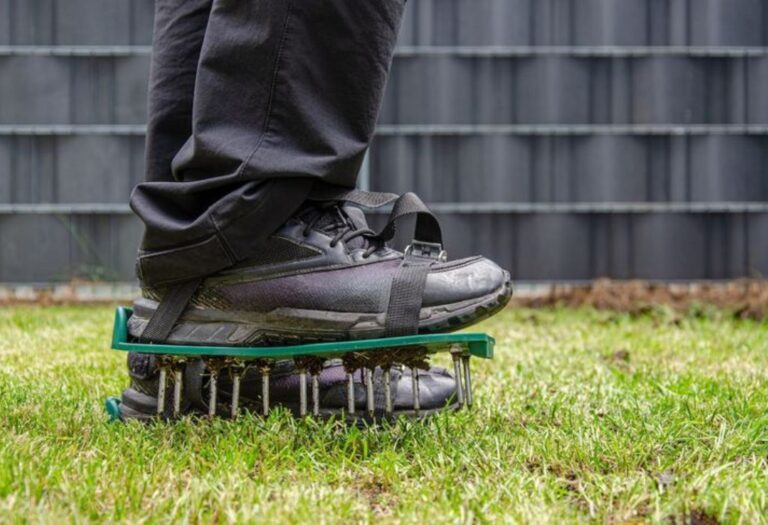
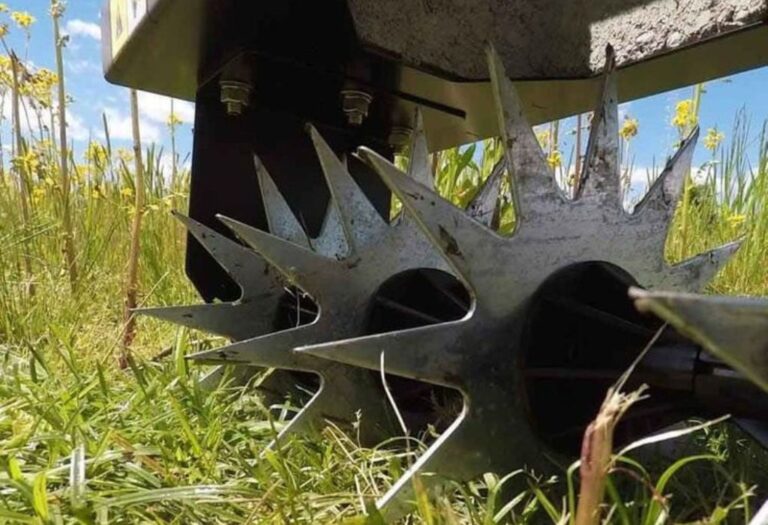
Spike aeration involves using a tool to make holes in the soil without removing any soil. This is usually done with a hand aerator, a rolling aerator, or aerating shoes. While spike aeration can help with compaction, it is not as effective as core aeration because it simply pushes the soil apart instead of removing it.
- How Spike Aeration Works: Spike aerators use solid tines to poke holes into the soil. This creates channels for air and water. It is a less intrusive method compared to core aeration, so it can be easier and quicker.
- Advantages: Spike aeration is generally less invasive than core aeration and can be easier to do. It can still help improve air circulation and water penetration. Spike aerators are also available for smaller lawns.
- Disadvantages: Spike aeration is not as effective as core aeration. The holes created by spike aeration can compact the soil around the holes, which can reduce its effectiveness over time. It may be less effective in severely compacted soils.
- Ideal Soil Conditions: Spike aeration works best in moderately compacted or well-draining soils. It is better for preventing compaction rather than resolving it. Spike aeration is a better method to use for maintaining your lawn.
- Post-Aeration Care: After spike aeration, it is essential to water your lawn. This will help the soil settle. You can also apply fertilizer or seed, depending on your needs.
According to a research study, core aeration can improve water infiltration rates by 50% compared to spike aeration.
Overcoming Aeration Challenges
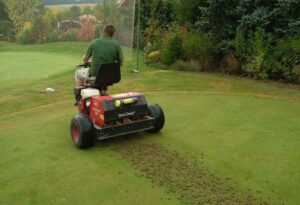
While aeration frequency is key, you might run into problems. Compacted soil, incorrect timing, and lack of knowledge about the different methods can cause problems. Knowing how to handle these challenges will help you get the best results from aeration.
Addressing Common Problems
Sometimes, even after aerating, you might not see the improvements you expect. This can be frustrating, but many things can be addressed. Understanding what might be going wrong and how to fix it can help make sure you get the best results.
- Soil Compaction: If your soil is very compacted, you might not see improvements immediately. In such cases, a more aggressive approach, such as core aeration, may be necessary. Consider aerating the area more often or using a heavier-duty aerator.
- Improper Timing: Aerating at the wrong time of the year can make it harder for your grass to recover. Make sure you are aerating during the grass’s growing season to give it the best chance to recover. Follow guidelines specific to your grass type.
- Thatch Buildup: Thatch is a layer of dead organic matter that can build up on the surface of your lawn. If there is too much thatch, it can block air, water, and nutrients from reaching the soil. Consider dethatching before aerating to help solve this problem.
- Uneven Aeration: Ensure that the aeration is done evenly across your lawn. If the aeration is uneven, some areas will benefit more than others. Go over the entire area thoroughly.
- Poor Aftercare: Aerating is just the first step. Proper aftercare, such as watering, fertilizing, and overseeding, is important. Aerating is only a part of lawn care.
Overcoming Cost and Time Constraints
Aeration can require time and money. While renting a machine is the most cost-effective solution, it’s not always the best one for every situation. You can use smaller, hand-operated tools or look for cost-effective ways. Finding a plan that matches your budget and your needs is important.
- Rent Aeration Equipment: Renting a core aerator is an affordable option. Rental costs are much less than the cost of buying a machine. Local hardware stores or garden centers are good places to rent aerators.
- Hand Aeration Tools: Using a manual aerator, such as aerating shoes or a handheld aerator, can save money, especially for small lawns. Hand tools are good for light aeration and can be used on a small budget. However, this option may be more labor-intensive and is not recommended for large areas.
- Share Equipment: Sharing a machine with a neighbor can divide the costs. This option reduces the financial burden, especially if you aerate infrequently. It is also good for small yards.
- Combine Aeration with Other Tasks: You can save time and money by combining aeration with other lawn care activities. When you aerate, you can apply fertilizer and seed. This helps to improve the overall health of your lawn and reduces the number of times you must visit the area.
- Hire a Professional: If you don’t have the time or equipment, hire a professional lawn care service. This is the simplest option. Professionals have the tools and experience.
Research suggests that homeowners who rent aeration equipment can save up to 75% compared to hiring a professional service.
Frequently Asked Questions
Question: How often should I aerate my lawn?
Answer: It depends on your soil type and how much foot traffic your lawn gets. Most lawns benefit from aeration once a year, but those with heavy clay soil or high traffic might need it twice a year.
Question: What’s the difference between core aeration and spike aeration?
Answer: Core aeration removes small plugs of soil, while spike aeration pokes holes in the ground. Core aeration is generally more effective for improving soil health, especially if your soil is compacted.
Question: When is the best time to aerate my lawn?
Answer: The best time to aerate is during your grass’s active growing season. For cool-season grasses, that’s usually in the early fall. For warm-season grasses, it is in late spring or early summer.
Question: Do I need to water my lawn after aeration?
Answer: Yes, watering after aeration is very important. It helps settle the soil and allows the grass roots to access the air and nutrients they need. Water your lawn thoroughly after aeration.
Question: Can I aerate my lawn myself, or do I need a professional?
Answer: You can definitely aerate your lawn yourself! Smaller lawns can be aerated using hand tools, while larger lawns may require renting or purchasing an aerator. Hiring a professional is an option if you prefer.
Final Thoughts
Understanding aeration frequency is crucial for a healthy lawn, and now you have the basics to get started. Remember to look at your soil type, and consider the climate, and foot traffic. By paying attention to what your lawn needs, you can find the right schedule and methods. Don’t worry if it takes a little trial and error at first. With each attempt, you’ll gain better results and a lawn that will be the envy of the neighborhood. So get out there, give it a try, and watch your plants thrive!