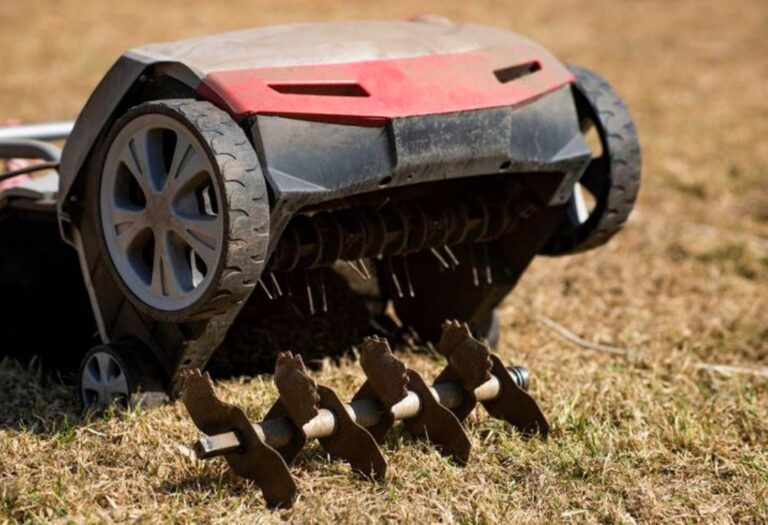
Lawn Aeration Myths Debunked: Get a Healthier Green Space
Getting your lawn healthy can sometimes feel like solving a puzzle, especially when you start hearing different advice. One area filled with confusing information is lawn aeration myths. It’s tough to know what’s true and what’s not. Don’t worry, though. We’ll explore the common myths, separate fact from fiction, and give you a clear, easy-to-follow plan for a thriving lawn. Let’s see what’s truly important for a lush, green space.
Common Misconceptions About Lawn Aeration
There’s a lot of mixed advice about lawn aeration. Some say it’s essential for all lawns, while others claim it’s a waste of time. These differing opinions often lead to misconceptions, making it difficult to decide what’s best for your yard. This section focuses on clearing up the most widespread lawn aeration myths, helping you separate fact from fiction. We’ll look at the common beliefs, then show you the reality. By getting rid of these misconceptions, you can make better choices for your lawn.
Myth 1: Aeration Is Only for Compacted Soil
One of the biggest misconceptions is that aeration is only necessary if your soil is severely compacted. While compacted soil is a major reason for aeration, it’s not the only one. Even lawns with relatively loose soil can benefit. Over time, organic matter breaks down, and thatch can build up, hindering water, air, and nutrient movement. Aeration is a great way to handle these issues. It’s a key part of maintaining overall lawn health, regardless of initial compaction levels. Think of it as a regular check-up, not just a repair job.
- What Compaction Means: Soil compaction happens when soil particles are squeezed together, reducing the spaces between them. This can prevent roots from growing deeply.
- Thatch Buildup Concerns: Thatch is a layer of dead organic matter that accumulates between the soil surface and the grass blades. Too much thatch can block water and nutrients.
- Beyond Compaction: Aeration helps in many other situations, like promoting better root development and improving the lawn’s ability to handle stress.
Myth 2: Aeration Is a One-Time Fix
Some people think that aerating their lawn once is all that’s needed. Unfortunately, this is far from the truth. Aeration is not a one-time treatment but rather a recurring practice that supports the long-term health of your lawn. The effects of aeration, such as improved air circulation and nutrient absorption, eventually wear off. Soil can re-compact, thatch can rebuild, and the benefits fade. Regular aeration helps keep these problems from coming back.
- How Often to Aerate: The frequency of aeration depends on your lawn’s specific needs. Heavy-use lawns or those with clay soil might need it once or twice a year.
- Seasonal Considerations: The best time to aerate is during the growing season when the grass is actively growing. This helps the lawn recover quickly.
- Long-Term Benefits: Consistent aeration supports a healthy lawn with stronger roots, better water absorption, and resistance to pests and diseases.
Myth 3: Any Aeration Method Works the Same
There are different types of aeration, and they aren’t all equal. Using the wrong method can cause more harm than good. For example, solid-tine aerators poke holes in the soil but don’t remove any soil plugs. This can actually compact the soil further. Core aeration, which removes small plugs of soil, is typically the most beneficial. It creates better pathways for air, water, and nutrients to reach the roots. Knowing the different methods can help you select the best one for your lawn’s specific needs.
- Core Aeration Explained: Core aeration, using a machine with hollow tines, pulls out small plugs of soil and thatch. This creates channels for air and nutrients.
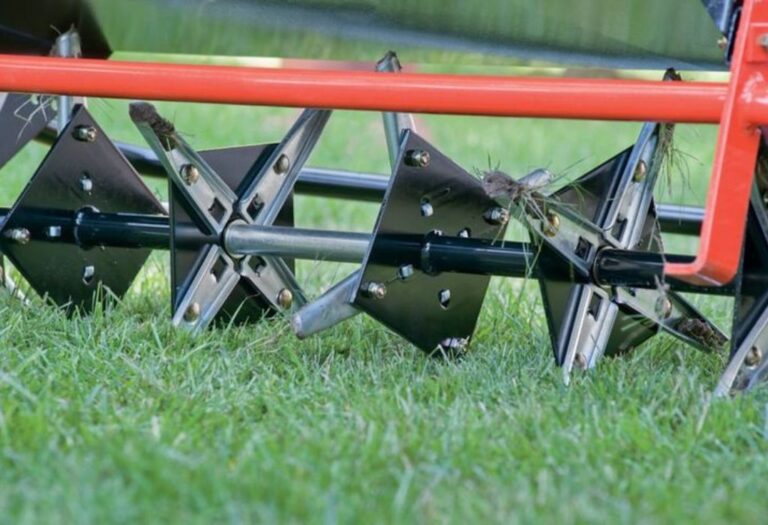
- Solid-Tine Aeration: Solid-tine aerators simply punch holes in the ground. While they can help with water penetration, they don’t solve compaction issues as effectively.
- Choosing the Right Method: Consider your soil type, the level of compaction, and your lawn’s overall health when deciding on an aeration method.
Myth 4: Aeration Is Only Needed for Clay Soils
While clay soils tend to be more prone to compaction and benefit greatly from aeration, the idea that aeration is only necessary for clay soils is a myth. All soil types can benefit from the practice. Sandy soils can still become compacted through foot traffic and heavy use. Also, aeration helps with thatch build-up, which affects all soil types. It is a good practice for all lawns to maintain overall health and vigor. It helps get air, water, and nutrients where they’re needed.
- Sandy Soil Considerations: Even sandy soils can compact with foot traffic and lose some of their aeration benefits.
- Loam Soil Benefit: Loam soil is a mix of sand, silt, and clay, and it benefits from aeration because the loose structure allows for healthy root systems.
- Thatch Management: Aeration is essential to manage thatch buildup, which is a common problem regardless of soil type.
Understanding the Mechanics of Lawn Aeration
To fully grasp the benefits of aeration, it’s helpful to understand the basic mechanics. This involves looking at how soil types affect aeration, the process of core aeration, and what happens to your lawn after aeration. By exploring these topics, you’ll gain a deeper appreciation for this important lawn care practice. This will help you make informed decisions about when and how to aerate your lawn for the best results.
Soil Types and Their Aeration Needs
Different soil types respond differently to aeration. Clay soils are notorious for their compact nature, while sandy soils drain quickly but can still become compacted. Loam, a mix of sand, silt, and clay, offers a good balance. Understanding your soil type is key to knowing the best aeration approach. If you aren’t sure, there are easy soil tests to identify your soil composition and guide your aeration strategy. Knowing your soil helps you decide how often you should aerate and what methods to use.
- Clay Soil Challenges: Clay soil has very small particles that pack closely together, making it prone to compaction. Aeration helps break this up.
- Sandy Soil Drainage: Sandy soil drains well but can lose nutrients and compact over time. Aeration helps retain moisture and nutrients.
- Loam Soil Benefits: Loam soil has good drainage and aeration, but still benefits from the practice. It’s an ideal environment for grass roots.
The Core Aeration Process
Core aeration is a specific type of aeration that involves removing small cores or plugs of soil from your lawn. This method is considered the most effective because it removes soil rather than just poking holes. Core aeration machines use hollow tines to extract the soil plugs, which are then left on the lawn surface. This creates pathways for air, water, and nutrients to reach the root zone. The holes also relieve compaction and allow the roots to grow more easily.
- Step 1 Preparation: Before you begin, water the lawn a day or two before aeration to soften the soil.
- Step 2 Core Aeration: Use a core aerator, making multiple passes over the lawn to ensure thorough aeration.
- Step 3 Post-Aeration Care: Leave the soil cores on the lawn to break down naturally. Consider overseeding and fertilizing after aeration.
What Happens to Your Lawn After Aeration
After aeration, your lawn experiences a series of positive changes. The removal of soil plugs improves air circulation, water penetration, and nutrient uptake. The roots are able to grow deeper and the grass becomes more robust. You may see a slightly bumpy surface at first due to the soil cores. But as they break down, they’ll add organic matter back into the soil. The overall result is a healthier lawn that is more resilient to stress, diseases, and foot traffic. Also, it’s able to better handle changes in weather.
- Improved Water Absorption: Aeration helps water soak into the soil, reducing runoff and promoting deeper root growth.
- Enhanced Nutrient Uptake: With better air circulation and water penetration, the roots can absorb more nutrients, leading to healthier grass.
- Reduced Thatch Buildup: Aeration helps break down thatch, which improves air and water flow.
Benefits of Aerating Your Lawn
The benefits of aerating your lawn go way beyond just a healthier appearance. Aeration creates an environment where grass can thrive. It is not just about aesthetics; it is a critical part of a complete lawn care plan. Let’s explore the advantages aeration provides. We’ll show how this single practice can make a big difference in the vitality of your lawn. This includes improved root development, better nutrient absorption, and increased resilience to stress.
Improved Root Development
A well-aerated lawn has a significant advantage when it comes to root development. Aeration alleviates soil compaction, which is a major barrier to root growth. Compacted soil restricts the roots from expanding deep into the ground. With better soil structure, the roots can grow more freely and deeply. Deeper roots mean stronger grass that is more tolerant of drought, heat, and foot traffic. This also helps the lawn absorb nutrients and water more efficiently.
- Deeper Root Systems: Aeration allows roots to reach deeper into the soil, providing better access to water and nutrients.
- Stress Resistance: Lawns with well-developed root systems are more resilient to environmental stresses like drought and heat.
- Overall Health: Stronger root systems mean healthier grass, which improves the overall appearance and vigor of your lawn.
Enhanced Nutrient Absorption
Aeration significantly enhances the lawn’s ability to absorb nutrients. By creating pathways for air and water, it helps fertilizers and other treatments penetrate the root zone more effectively. Healthy soil contains the microorganisms that help break down organic matter and release nutrients. Aeration supports a healthy soil ecosystem. Aerated lawns have better access to essential elements. They can absorb what they need. This results in more lush growth, deeper green color, and better resistance to diseases.
- Better Fertilizer Uptake: Aeration helps distribute fertilizers evenly, ensuring nutrients get to the root zone.
- Improved Soil Health: Aeration promotes a healthy soil ecosystem, which helps in breaking down organic matter and releasing nutrients.
- Visible Improvements: With enhanced nutrient absorption, your lawn will display a richer color and improved overall health.
Increased Resilience to Stress
A well-aerated lawn is better equipped to handle environmental stresses. Compacted soil restricts the flow of water and air, making grass more susceptible to drought, heat, and diseases. Aeration improves drainage and air circulation. It helps your lawn withstand these conditions. The result is a lawn that maintains its health and appearance even during challenging weather or high-traffic periods. Aeration becomes a valuable tool for maintaining a healthy green space.
- Drought Tolerance: Aeration improves the ability of soil to retain moisture, making your lawn more drought-resistant.
- Heat Resistance: Aeration promotes healthy root growth, which helps your lawn withstand heat stress.
- Disease Resistance: Aeration improves air circulation, reducing the risk of fungal diseases.
Practical Tips for Lawn Aeration
Aerating your lawn may seem complex, but with the right information and planning, it’s a manageable task that can make a huge difference. By choosing the right time, equipment, and following a few key steps, you can ensure that the process is effective and beneficial. This section offers practical advice and tips. This will include how to prepare your lawn, what to do before and after aeration, and how to choose the right equipment. This gives you all you need for a successful lawn aeration project.
Choosing the Right Time for Aeration
Timing is a key component of effective aeration. The best time to aerate your lawn is during the growing season. This varies depending on the type of grass you have. For cool-season grasses (like Kentucky bluegrass or fescue), spring or fall is the ideal time. Warm-season grasses (like Bermuda grass or zoysia grass) should be aerated in late spring or early summer. Aerating during these periods ensures that the grass has enough time to recover and fill in the holes. This allows the roots to grow and take advantage of the improvements.
- Cool-Season Grasses: Aerate in the spring or fall when the grass is actively growing.
- Warm-Season Grasses: Aerate in late spring or early summer, when the grass is at its peak growing phase.
- Weather Considerations: Avoid aerating during periods of extreme heat or drought.
Preparing Your Lawn for Aeration
Proper preparation is important for achieving the best results from aeration. Before you start, you should mow your lawn to a normal height to allow the aerator to penetrate the soil more easily. Water your lawn a day or two before aeration. This will soften the soil and make it easier for the aerator to penetrate. Identify and mark any underground utilities, sprinkler heads, or irrigation lines. This will prevent damage during the process. Preparing your lawn ensures a smoother, more effective aeration process.
- Mowing: Mow the lawn to a normal height to allow the aerator to penetrate the soil more efficiently.
- Watering: Water the lawn a day or two before aeration to soften the soil.
- Marking Utilities: Mark all sprinkler heads and irrigation lines to avoid damage during the process.
Post-Aeration Care and Maintenance
After aerating your lawn, there are a few important steps to follow for optimal results. It is best to leave the soil cores on the lawn so they break down. This adds organic matter to the soil. Immediately after aeration, you should overseed and fertilize your lawn. The holes created by aeration provide an ideal environment for seed germination. Fertilization will provide essential nutrients to help the grass recover. Proper care and maintenance will ensure that your lawn recovers quickly and benefits fully from aeration. It also helps support a lush, green appearance.
- Leave Soil Cores: Let the soil cores break down naturally, which adds organic matter to the soil.
- Overseeding: Overseed your lawn to fill in any bare spots and promote a thicker lawn.
- Fertilizing: Fertilize your lawn to provide essential nutrients and help the grass recover quickly.
Frequently Asked Questions
Question: How often should I aerate my lawn?
Answer: The frequency of aeration depends on your lawn’s specific needs and soil type. Lawns with heavy clay soils or high foot traffic might need aeration once or twice a year, while sandy soils may require it less frequently.
Question: What is the best type of aerator to use?
Answer: Core aerators, which remove small plugs of soil, are generally the most effective. They create pathways for air, water, and nutrients to reach the roots.
Question: Should I water before aerating?
Answer: Yes, watering the lawn a day or two before aeration softens the soil and makes it easier for the aerator to penetrate.
Question: What should I do after aerating my lawn?
Answer: Leave the soil cores on the lawn to decompose, overseed, and fertilize to promote recovery and growth.
Question: Is aeration the same as dethatching?
Answer: No, aeration and dethatching are different processes. Aeration focuses on improving soil structure, while dethatching removes the layer of dead organic matter (thatch) that can build up on the soil’s surface.
Final Thoughts
You now have a better idea of how lawn aeration myths can confuse a homeowner. Aeration is a helpful practice. Understanding what aeration does and how to do it is vital for a healthy, green lawn. Remember, aeration helps the soil breathe, encourages robust root growth, and helps your grass soak up essential nutrients. Take the time to get the proper method of aeration for your lawn’s type of soil and grass. With proper timing, preparation, and care, you can expect a healthier, more vibrant lawn. Start today by reviewing your lawn’s needs. Implement the aeration steps and watch your green space thrive!