Aerating Your Lawn Simply With Lawn Aerator Shoes
Thinking about getting a greener lawn? You might have heard of lawn aerator shoes. Many folks find using these shoes a little tricky at first. It can seem like a lot of work! Don’t worry, though. This guide will make it easy for you. We’ll explore exactly how to get your lawn ready and the steps to achieve the best results. Ready to get started?
Why Aerate Your Lawn?
Aerating your lawn means poking tiny holes in the ground. This sounds simple, but it does wonders for your grass. Over time, soil gets packed down. This happens because of foot traffic, rain, and even just the natural settling of the earth. When the soil is packed, it’s hard for air, water, and nutrients to reach the roots of your grass. Aeration fixes this. It helps your lawn breathe, drink, and eat better. A healthy lawn is a happy lawn! By aerating, you’re creating a better environment for your grass to thrive, leading to a lusher, more vibrant green space.
The Benefits of Aeration
Aeration does much more than just let air into the soil. It addresses a range of problems that can plague a lawn. From compacted soil to excess thatch, aerating your lawn offers a pathway to increased health and beauty. The process itself is relatively straightforward, yet the positive outcomes are significant for grass health and overall yard appearance.
-
- Improved Air Circulation: Compaction prevents air from reaching the roots, suffocating them. Aeration creates pathways for air to enter the soil, which is crucial for root health.
Good air circulation is vital. Without enough air, roots can’t properly breathe, leading to weaker grass and potential disease. Aeration helps prevent this, keeping your lawn healthy.
-
- Better Water Absorption: Compacted soil doesn’t absorb water well, leading to runoff and wasted water. Aeration helps water soak deep into the soil.
Proper water absorption ensures that water reaches the roots where it’s needed. This promotes stronger roots and healthier grass. By aerating, you help your lawn make the most of every drop.
-
- Enhanced Nutrient Uptake: With improved air and water, the roots can better absorb nutrients from the soil. This leads to healthier, greener grass.
Aeration boosts the grass’s ability to take up nutrients. This is like giving your lawn a superfood. The grass benefits by growing stronger and more resistant to issues.
-
- Reduced Thatch Buildup: Thatch is a layer of dead grass and organic matter that builds up on the surface of your lawn. Aeration helps break down thatch, allowing for better air, water, and nutrient flow.
Thatch buildup can suffocate your lawn. Aeration addresses this by breaking down thatch, making the lawn healthy again. Regular aeration keeps thatch under control.
How Lawn Aerator Shoes Fit In
Lawn aerator shoes are a simple and affordable way to aerate your yard. They consist of shoes or sandals with spikes on the bottom. When you walk around your lawn wearing these shoes, the spikes poke small holes in the soil. This helps relieve compaction, allowing air, water, and nutrients to reach the roots of the grass. They’re an easy option for small to medium-sized lawns and are a great DIY project. Plus, they require no additional equipment like a core aerator.
-
- Ease of Use: Simply strap them on and walk around your lawn. There is no need for any other specialized equipment or tools.
Lawn aerator shoes are designed to be user-friendly. You don’t need to know anything technical to use them. It’s as simple as walking!
-
- Cost-Effective: Compared to renting or buying a core aerator, aerator shoes are relatively inexpensive.
Aerator shoes provide a budget-friendly way to aerate your lawn. They allow anyone to care for their lawn without spending a lot of money.
-
- Good for Small Lawns: These shoes are perfect for small to medium-sized yards. For large areas, a machine aerator might be more efficient.
If you have a compact lawn, lawn aerator shoes offer a practical solution. They’re a great option if you don’t want to invest in a machine.
-
- Exercise Benefit: Aerating your lawn is a physical activity, providing a light workout while you improve your lawn’s health.
Using lawn aerator shoes gives you a chance to enjoy the outdoors and get some exercise. It’s a win-win: healthy lawn, healthy you!
Choosing the Right Lawn Aerator Shoes
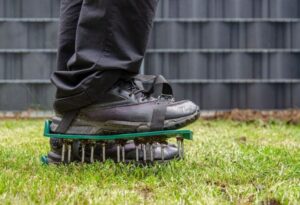
Not all lawn aerator shoes are created equal. Finding the right pair is key to ensuring you get the most effective aeration for your lawn. Factors like spike length, shoe design, and durability can all impact how well the shoes work and how comfortable they are. It’s smart to explore various options to get the most beneficial shoes to fit your needs.
Key Features to Consider
When selecting your lawn aerator shoes, several key features demand your attention. These features influence the effectiveness, ease of use, and longevity of the product. Being aware of these points will help you make a smart choice when picking your shoes.
-
- Spike Length: Longer spikes penetrate deeper into the soil, providing better aeration, especially in compacted areas.
The length of the spikes affects how much of the soil you can aerate. Longer spikes are beneficial when soil is tightly packed. However, be careful not to damage underground utilities.
-
- Strap Design: Look for shoes with sturdy, adjustable straps to ensure a secure and comfortable fit, preventing slippage while you walk.
Good straps are important for both comfort and efficiency. They need to keep the shoes firmly on your feet to get the best aeration effect and ensure you are safe.
-
- Material Quality: Durable materials, such as strong plastic or metal spikes, ensure the shoes can withstand repeated use and the pressure of walking.
Choose quality materials to make sure your shoes last for many seasons. Durable shoes save money and get the job done right.
-
- Ease of Use: Choose shoes that are easy to put on, adjust, and walk in. This will make the aeration process less tiresome.
Comfort and ease of use are key. If the shoes are simple to use, you’re more likely to use them often, leading to a healthier lawn.
Material and Build Quality
The build quality of your lawn aerator shoes greatly influences their lifespan and effectiveness. Quality materials withstand wear and tear. A sturdy build ensures the shoes perform consistently, even after multiple uses. Checking the build quality is important for a smart purchase.
-
- Spike Material: Metal spikes are usually more durable than plastic spikes, lasting longer, especially in tougher soils.
The material of the spikes impacts how well they hold up over time. Metal spikes are usually able to handle more use and harsh conditions than plastic ones.
-
- Shoe Base: A strong shoe base provides stability and support, making the shoes comfortable to wear while walking.
The base should be sturdy and comfortable. It should provide enough support to keep the shoe stable as you aerate your lawn.
-
- Strap Material: Sturdy straps are vital for keeping the shoes securely on your feet. They need to be adjustable and durable.
Strong straps ensure the shoes fit well and don’t come loose during use. Straps that hold well keep your focus on aeration, not readjusting your shoes.
-
- Overall Construction: Look for well-constructed shoes with good stitching and assembly. This indicates a higher quality product.
Pay close attention to how the shoes are put together. A well-built product means you can expect your lawn aerator shoes to last longer and work better.
How to Use Lawn Aerator Shoes Effectively
Using lawn aerator shoes correctly is critical to get good results and to prevent injury. The process is simple, but following the correct steps makes sure you get the best outcome. Prepare your lawn, know how to walk, and post-aeration care are all essential for a healthy lawn.
Pre-Aeration Preparation
Before you begin aerating, some planning can make the process easier and more effective. Getting your lawn ready before you step into your lawn aerator shoes is worth the effort.
-
- Mow Your Lawn: Mow your lawn to a shorter height. This makes it easier for the spikes to penetrate the soil and reach the roots.
Mowing before aerating ensures the spikes can easily reach the soil and the grass roots. A shorter lawn means the spikes have less to go through, which improves the process.
-
- Water the Lawn (Optional): If your soil is very dry, watering it a day or two before can soften the ground, making it easier to aerate.
Watering the soil can make the process more simple. If the ground is dry, it can be tough to penetrate with the spikes. Water allows for simpler aeration.
-
- Clear the Area: Remove any obstructions, like toys or garden tools, from your lawn. This will help you walk freely and avoid accidents.
Clearing the lawn stops obstacles from getting in the way. Removing things like toys keeps the process efficient and safe.
-
- Inspect Your Lawn: Check for any buried utilities, like sprinkler lines. Avoid aerating over these areas to prevent damage.
Knowing where your underground utilities are is very important. Aerating in those areas could damage your sprinkler system or other underground utilities.
Walking Techniques
The way you walk is essential for proper aeration. Using the correct walking style makes sure that you’re creating holes evenly across your lawn and doing it safely. This also reduces strain on your legs and feet. This guide will provide easy-to-follow steps.
-
- Steady Pace: Walk at a normal, steady pace. Avoid running or walking too quickly, as this can make the aeration process uneven.
Maintaining a steady pace is key. Walking too fast could lead to areas that aren’t properly aerated. A consistent pace helps ensure even distribution.
-
- Overlap Your Steps: Overlap your steps slightly to ensure complete coverage. This prevents any areas from being missed.
Overlapping your steps guarantees that you cover all parts of your lawn. This way, you don’t miss spots and ensure that your entire yard gets the aeration it requires.
-
- Vary Your Direction: Vary your walking direction with each pass. This ensures comprehensive coverage and prevents a pattern of concentrated stress on the lawn.
Changing your direction with each pass ensures uniform aeration. This also avoids any lines or concentrated pressure that could occur from walking in the same direction.
-
- Watch for Obstacles: Be aware of any obstacles, such as trees or flowerbeds. Adjust your path accordingly.
Always watch where you’re walking. Avoiding obstacles will keep your aeration process smooth and protect your lawn. Being aware of your surroundings keeps you safe.
Post-Aeration Care
After aerating, your job isn’t quite done. Providing aftercare helps your lawn heal and grow stronger. Simple steps, like watering and fertilizing, can go a long way in making sure your grass recovers and flourishes after aeration.
-
- Water Thoroughly: Water your lawn deeply after aerating. This helps the water penetrate the newly created holes and reach the roots.
Watering after aeration is critical. The water gets into the holes, helping the roots absorb the moisture they need. This gives your lawn a good boost.
-
- Fertilize (Optional): If you want, fertilize your lawn after aeration. This provides the roots with extra nutrients to help them recover and grow.
Fertilizing after aeration can help your grass recover faster. The new holes allow the fertilizer to reach the roots directly, making them stronger.
-
- Continue Regular Watering and Mowing: Keep up with your usual lawn care routine, including mowing and watering, to maintain a healthy lawn.
Keep your regular lawn care routine. By doing what you usually do, like mowing and watering, you support your lawn’s health. This ensures the best result after aeration.
-
- Avoid Heavy Traffic: Limit foot traffic on the lawn for a few days after aeration to allow the soil to settle and the roots to recover.
Give your lawn some time to heal after aerating. Reducing traffic on the grass helps keep the aeration effect and ensures your lawn will get better.
Alternative Aeration Methods
While lawn aerator shoes are good, they’re not the only way to aerate a lawn. Other techniques and tools are available, each with its own pros and cons. Understanding these options lets you pick the best approach for your lawn’s needs. From manual core aerators to machine aerators, these options provide different ways to get the job done.
Manual Core Aerators
Manual core aerators are hand-operated tools that you push across your lawn. They pull out small plugs of soil, creating holes. This method is effective, but it can be more time-consuming and labor-intensive than using lawn aerator shoes. However, you can achieve a more thorough aeration, especially in areas with heavily compacted soil. These aerators are a good option for people who want a more intense aeration.
- Benefits:
-
- Removes soil plugs, creating more effective aeration.
Core aerators take out plugs of soil. This means they remove more compacted soil and help create space for air, water, and nutrients to get to the roots.
-
- Provides deeper aeration than lawn aerator shoes.
These aerators go deeper into the soil. This allows for more air and better absorption of water.
-
- Better for heavily compacted soil.
Core aerators are great for lawns with compacted soil, which can’t be fixed by shoes alone.
-
- Drawbacks:
-
- Requires more physical effort to operate.
Using manual core aerators takes more physical effort compared to using lawn aerator shoes. It can be hard work to push them over the lawn.
-
- Can be more time-consuming than other methods.
The aeration process can take longer, especially if you have a large lawn. More time may be needed than with other techniques.
-
- May require some assembly.
Some manual core aerators require assembly before use. This adds an extra step to the process.
-
Machine Aerators
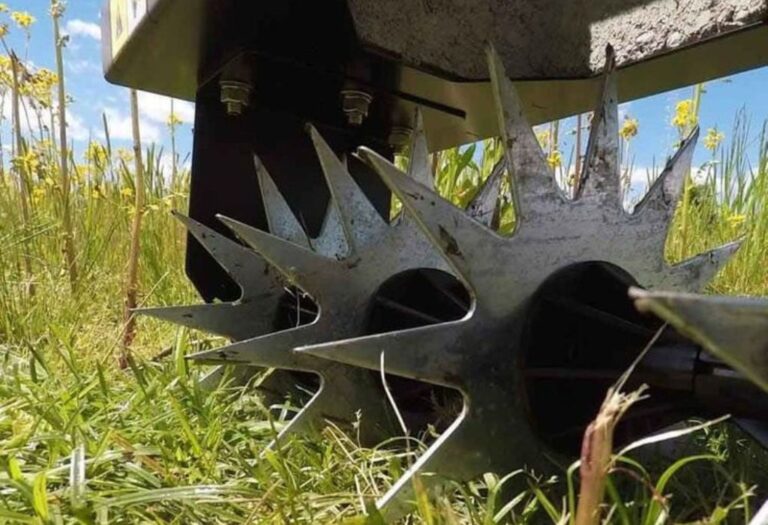
Machine aerators, also called lawn aerators, are power-driven tools that are used for larger areas. They are usually available in two types: core aerators and spike aerators. They provide a quicker and more efficient way to aerate large lawns. They are best for owners with a lot of grass to treat.
- Benefits:
-
- Efficient for large lawns, saving time and effort.
Machine aerators are very efficient. They quickly aerate large areas, which is great if you have a big lawn.
-
- Offer more thorough aeration.
Machine aerators provide more complete aeration. They usually do a better job than manual methods.
-
- Can be rented or purchased.
You can rent or buy them. This lets you choose the best option for your needs and budget.
-
- Drawbacks:
-
- More expensive than lawn aerator shoes.
Machine aerators cost more than aerator shoes. This can be a factor for people on a budget.
-
- Requires more storage space.
They take up more space to store. You will need a place to keep the machine when you aren’t using it.
-
- May require specialized knowledge to operate.
They can need special skills. You may need to learn how to use them safely and effectively.
-
Frequently Asked Questions
Question: How often should I aerate my lawn?
Answer: It depends on your lawn’s condition and soil type. Usually, aerate once or twice a year, especially if you have heavy clay soil or a lot of foot traffic.
Question: When is the best time to aerate my lawn?
Answer: The best time is during the growing season, typically in the spring or fall. Aerating during these times helps the grass recover quickly.
Question: Can I use lawn aerator shoes on any type of lawn?
Answer: Yes, but they’re most suitable for smaller lawns. For larger areas, consider using a core or machine aerator.
Question: How deep should the spikes on my lawn aerator shoes be?
Answer: For effective aeration, spikes should be long enough to penetrate the soil at least 2-3 inches deep, but avoid going too deep if you have underground utilities.
Question: Do I need to water my lawn before using lawn aerator shoes?
Answer: If your soil is dry, watering your lawn a day or two before aerating can help soften the ground and make aeration easier. It’s not always necessary, but it helps!
Final Thoughts
Using lawn aerator shoes is an effective way to improve your lawn’s health. You now know the basics of aeration and how to use the shoes properly. You’re set to create a healthier, greener lawn by loosening compacted soil and giving your grass roots what they need to thrive. Choosing the right shoes, prepping your lawn, and following the right walking steps are important. Remember to take care of your lawn after aerating with proper watering, which helps create a perfect environment for grass. So, strap on your shoes, get out there, and enjoy watching your lawn become healthier! With consistent effort and the right approach, you will have a thriving lawn. Get ready for a better lawn!