Lawn Aeration in Fall: A Simple Guide for a Greener Yard
Figuring out lawn aeration in fall can seem tricky. It’s often seen as something only experienced gardeners do. Don’t worry, though! It’s actually quite easy, and the rewards are well worth it. Aerating in the fall helps your lawn breathe, soak up water, and grow strong. This guide makes everything super simple. We’ll explore why fall is the perfect time, and break down each step so you can have a lawn that’s the envy of your neighborhood. Ready to get started?
What is Lawn Aeration and Why Fall?
Lawn aeration is basically making tiny holes in your lawn. Think of it like giving your grass some breathing room. Over time, soil gets compacted, meaning it gets squished and hard. This makes it tough for water, air, and nutrients to reach the roots of your grass. Aeration fixes this. When you aerate, you’re creating pathways for these essential things to get where they need to go, helping your lawn thrive. It’s like giving your grass a spa treatment!
Fall is an excellent time for lawn aeration in fall because the weather is usually cooler, and the grass is still actively growing. This means the grass can recover quickly after you poke holes in it. Also, the soil tends to be moist, making it easier to aerate. Plus, it gives your lawn a head start to prepare for the spring growing season. Aerating in fall is often the best choice for many different types of grass.
Types of Aeration Methods
There are generally two main ways to aerate your lawn: core aeration and spike aeration. Both achieve the same goal, but they go about it differently. Understanding these methods is key to choosing the right one for your yard. Each method has its own benefits, and the best choice depends on the specific needs of your lawn and the type of soil you have.
-
Core Aeration
Core aeration, also known as plug aeration, involves removing small plugs or cores of soil and thatch from your lawn. These cores are typically about 2-3 inches long and about half an inch wide. This method is considered the most effective because it removes compacted soil instead of just pushing it aside. Core aeration creates more space for air, water, and nutrients to reach the roots of your grass. You’ll often see these small soil plugs left on the surface, which will break down and return nutrients to your lawn over time. This process is beneficial for lawns with heavy clay soil or those that experience significant foot traffic.
-
Spike Aeration
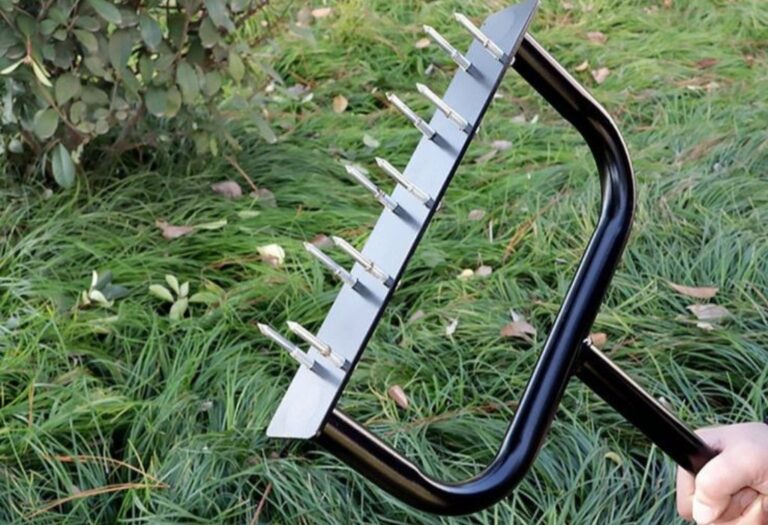
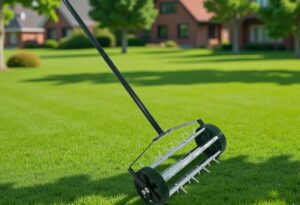
Spike aeration, on the other hand, uses solid tines or spikes to poke holes in the ground. This method simply creates channels for air and water to penetrate the soil. Spike aeration can be done with a manual tool, a rolling aerator, or even aerator attachments for your shoes. It is less effective than core aeration for heavily compacted soils, as it doesn’t remove any material. Instead, it compacts the soil surrounding the spike holes. However, it can be a useful, low-cost option for lawns with moderate compaction or for improving the overall health of your lawn when combined with other lawn care practices.
Getting Ready for Lawn Aeration in Fall
Before you even think about poking holes in your lawn, there are a few important steps to take. Proper preparation will make the aeration process easier and more effective, helping your grass recover faster and grow stronger. This phase ensures that the aeration is as beneficial as possible.
Assessing Your Lawn’s Needs
The first step is figuring out whether your lawn actually needs aeration. Look for signs of soil compaction, such as standing water after rain, thin or patchy areas, and a hard, dense feel when you walk on the grass. Different types of grass have different needs, so consider what type of grass you have and its specific requirements. Lawns with heavy clay soil or those that get a lot of foot traffic typically benefit the most from aeration. If your lawn is healthy and thriving, you might not need to aerate it every year. For sandy soils, aeration might not be as critical, but it can still help. Evaluate your lawn carefully to decide whether aeration is necessary this fall.
-
Performing a “Screwdriver Test”
A simple test to check for soil compaction is the screwdriver test. Try pushing a screwdriver into your lawn. If it goes in easily, your soil is likely in good shape. If it’s difficult to push the screwdriver in, it’s a good sign that your soil is compacted and needs aeration. This test is a quick and easy way to get a basic idea of how compacted your soil is, without needing any special tools. It’s something anyone can do to help decide if lawn aeration in fall is needed.
-
Checking for Thatch Buildup
Thatch is a layer of dead grass and organic matter that builds up between the soil surface and the green blades of grass. A small amount of thatch is okay, but too much can prevent air, water, and nutrients from reaching the soil. To check for thatch, dig up a small section of your lawn and examine the layer between the grass blades and the soil. If the thatch layer is more than half an inch thick, you might need to dethatch your lawn before aerating it. Dethatching removes this excess thatch, allowing the aerator to work more effectively.
Gathering Your Supplies
Once you’ve determined that your lawn needs aeration, it’s time to gather the necessary tools and supplies. The specific items you’ll need depend on the aeration method you choose. Proper tools will make the job much easier and ensure that you get the best possible results. Make sure to have everything ready before you start aerating. This will make the whole process much smoother.
-
Core Aerator or Spike Aerator
The main tool, of course, is the aerator itself. You can rent a core aerator from a local hardware store or garden center. They usually come in the form of a walk-behind machine. If you’re going with a spike aerator, you can find a variety of manual tools or rolling aerators. Choose the right aerator for the size of your lawn and the type of aeration you’ve decided to do. For larger lawns, a gas-powered core aerator is recommended for speed and efficiency. For small lawns, a manual aerator might do the trick.
-
Optional: Lawn Fertilizer and Overseeding Supplies
After aerating, it’s a great time to fertilize and overseed your lawn. Aeration opens up the soil, allowing fertilizer and grass seed to penetrate and reach the roots. You’ll need fertilizer, grass seed suitable for your lawn type and climate, and a spreader for applying them. If you plan to overseed, choose a grass seed blend that matches your existing grass. Fertilizer will provide essential nutrients to help your lawn recover and grow thicker. This is a common practice when performing lawn aeration in fall.
Step-by-Step Guide to Aerating Your Lawn
Now, let’s get into the step-by-step process of aerating your lawn. This guide breaks down the process into easy-to-follow instructions, ensuring you achieve the best results. Whether you’re a beginner or have some experience, this guide helps you through each part of the process.
Preparing the Lawn
Before you start aerating, make sure the soil is moist. Water your lawn a day or two before aerating, especially if it’s been dry. This will make it easier for the aerator to penetrate the soil. It’s also important to remove any obstacles from your lawn. This includes toys, rocks, or other debris that could damage the aerator. Preparing the lawn correctly will make the aeration process easier and more effective. A well-prepared lawn ensures that the aerator can do its job properly.
-
Mowing the Lawn
Mow your lawn to a shorter height than usual before aerating. This makes it easier for the aerator to penetrate the soil and allows the soil cores (if using a core aerator) to be deposited on the surface without getting tangled in long grass blades. Mowing short also helps the new grass seeds get direct contact with the soil if you plan to overseed. A clean cut will give you the best results from the aeration process. Aim for a height of about 1-1.5 inches for the best results.
-
Watering the Lawn (If Dry)
If the soil is dry, water your lawn a day or two before aerating. The moisture will soften the soil and make it easier for the aerator to penetrate. You don’t want to overwater, but the soil should be moist at least 4-6 inches deep. When using a core aerator, moist soil helps the machine pull out clean soil plugs. For spike aeration, it allows for better penetration, creating those important pathways for air and water. Check the soil moisture by using a screwdriver or a trowel to see how easily it goes into the ground.
Aerating the Lawn
Once your lawn is prepped, it’s time to aerate. Start by following the instructions on your aerator. For a core aerator, you’ll need to make multiple passes over your lawn to ensure adequate aeration. For a spike aerator, you might need to go over the lawn in multiple directions. Be patient and systematic. This is a key step, so make sure you do it right. Following these instructions will lead to a healthier lawn.
-
Using a Core Aerator
If you’re using a core aerator, make multiple passes over the lawn. Overlap each pass slightly to ensure that you aerate the entire area. The deeper the cores, the better, ideally at least 2-3 inches. Core aerators remove soil plugs, which can be left on the lawn surface to break down naturally. Do not try to collect the plugs as that could disturb the soil even more. These plugs will decompose over time, adding nutrients back to the soil. For heavily compacted areas, make extra passes. Remember to be careful and follow the manufacturer’s instructions for the machine.
-
Using a Spike Aerator
When using a spike aerator, you’ll need to go over the lawn in multiple directions to create a good amount of holes. Push the aerator down into the soil, creating the holes. Overlap each pass to ensure the entire lawn is aerated. While spike aerators don’t remove soil cores, they still help by creating openings. This method can be a faster way to aerate the lawn. However, it’s less effective on heavily compacted soil than core aeration. Ensure that you have a smooth and even coverage to get the best benefits.
Post-Aeration Care
After aerating, it’s time to take care of your lawn. This includes cleaning up and performing any additional maintenance, such as fertilizing and overseeding. This stage is crucial for ensuring that your lawn recovers quickly and grows to be healthy. The actions you take after aeration will greatly impact the overall success and longevity of the process.
-
Leaving the Cores (Core Aeration)
If you used a core aerator, leave the soil cores on the lawn surface. These cores will break down naturally over a few weeks, returning valuable nutrients to the soil and reducing thatch buildup. Don’t worry about trying to rake them up. They will naturally break down over time. You might want to break them up with a rake or just let them disappear on their own. This helps with the recovery of your grass by putting nutrients back into the soil and feeding it directly.
-
Fertilizing and Overseeding (Optional)
After aerating, this is the perfect time to fertilize and overseed your lawn. Aeration creates small holes in the soil, allowing fertilizer and grass seed to reach the roots of the grass. Spread the fertilizer and grass seed evenly over your lawn, following the instructions on the product packaging. Then, water your lawn to help the seed germinate. Use a spreader designed for these tasks to ensure the best results. Choose a fertilizer that’s right for your grass type and the time of year. Overseeding can improve the density and overall health of your lawn.
Benefits of Performing Lawn Aeration in Fall
Aerating your lawn in the fall provides many benefits that contribute to a healthier and more vibrant lawn. Understanding these benefits will help you see why this practice is so important. When you perform lawn aeration in fall, you’re investing in the overall health of your lawn for the future.
Improved Air, Water, and Nutrient Uptake
Aeration creates channels that allow air, water, and nutrients to reach the roots of your grass more easily. This improved uptake is essential for healthy grass growth. When these elements can easily penetrate the soil, the roots can absorb what they need. As a result, your grass becomes stronger and more resistant to stress. The increased accessibility to vital elements results in a thicker, healthier lawn. This makes a noticeable difference in how your lawn looks and feels.
-
Enhanced Root Development
When the soil is aerated, the roots have more room to grow and expand. This results in a deeper and more extensive root system, which is crucial for a healthy lawn. Deeper roots can access more water and nutrients, making the grass more drought-tolerant and better able to withstand foot traffic. A strong root system also helps your lawn resist diseases and pests. Aeration stimulates root growth, leading to a healthier and more resilient lawn.
-
Reduced Thatch Buildup
Aeration helps break down the thatch layer, which is a layer of dead grass and organic matter that can build up on the surface of your lawn. Excessive thatch can prevent water, air, and nutrients from reaching the soil and the roots of your grass. By aerating, you help to reduce the amount of thatch, creating a healthier growing environment. This leads to a greener and more vibrant lawn. Regular aeration helps keep the thatch layer in check, improving the overall health of your lawn.
Better Drainage and Soil Structure
Aeration improves drainage and enhances the structure of the soil. This prevents water from pooling on the surface and reduces the risk of fungal diseases. Good drainage and a healthy soil structure are essential for a healthy lawn. Aeration breaks up compacted soil, making it easier for water to drain. This helps prevent standing water, which can damage your lawn. Also, it promotes the movement of water and nutrients, which improves the overall health of the soil. Improving drainage through aeration helps make your lawn healthier and more resistant to disease.
-
Prevention of Waterlogging
Aeration helps prevent waterlogging, which occurs when water sits on the surface of your lawn for extended periods. Waterlogged soil can suffocate the roots of your grass, leading to root rot and other problems. By aerating, you create pathways for water to drain away, preventing waterlogging and protecting your lawn from damage. This is especially important in areas with heavy clay soil or poor drainage. Preventing waterlogging is a key benefit of aeration, leading to a healthier lawn.
-
Improved Resistance to Pests and Diseases
A well-aerated lawn is better equipped to resist pests and diseases. Healthy grass with strong roots is less susceptible to these issues. Aeration promotes healthy root growth, which in turn helps your lawn resist stress from pests and diseases. By improving the overall health of your lawn, aeration helps to keep it green and healthy. In essence, it strengthens your grass, making it less vulnerable to common lawn problems.
Enhanced Lawn Appearance and Durability
Aerating your lawn in the fall results in a thicker, greener, and more durable lawn. The improved root system, better drainage, and improved nutrient uptake all contribute to a healthier lawn that looks better and can withstand more wear and tear. A healthier lawn is also more resistant to stress and damage from foot traffic or weather conditions.
-
Thicker, Greener Grass
Aeration leads to thicker, greener grass. This is because the roots are able to absorb more nutrients and water. This results in more lush growth and a more vibrant appearance. The improvement can be quite noticeable within a few weeks of aerating. You’ll see a clear difference in the overall health and appearance of your lawn. This enhancement of your lawn’s appearance is a rewarding result of lawn aeration in fall.
-
Increased Resistance to Foot Traffic
Aeration helps your lawn to become more durable. Aeration gives your grass a stronger root system, making it more resistant to wear and tear. Aerated lawns can withstand foot traffic and other activities better than compacted lawns. This is especially useful for families or those who frequently use their yards. By boosting the durability of your lawn, aeration can keep your lawn healthy and enjoyable. This durability helps keep your lawn looking great, even with regular use.
Frequently Asked Questions
Question: How often should I aerate my lawn?
Answer: It depends on your soil type and how much foot traffic your lawn gets. Usually, once a year is fine. If you have heavy clay soil or your lawn gets a lot of use, you might want to aerate it every fall.
Question: What’s the best time of year for lawn aeration?
Answer: Fall is generally considered the best time for lawn aeration in fall because the grass is still actively growing and can quickly recover. Plus, it gives your lawn a head start for the spring growing season.
Question: Can I aerate my lawn if it’s recently been fertilized?
Answer: Yes, in fact, it’s often a good idea to fertilize your lawn after aerating. The holes created during aeration will help the fertilizer reach the roots of your grass more effectively.
Question: What kind of aerator should I use?
Answer: The best type depends on your lawn’s size and soil type. Core aerators are generally more effective, especially for compacted soil. Spike aerators are a good, cheaper alternative for small lawns or lawns that aren’t very compacted.
Question: Should I water after aerating?
Answer: Yes, watering after aerating helps settle the soil and promotes root growth. If you’ve also fertilized and overseeded, watering helps those nutrients and seeds reach the roots and helps them sprout.
Final Thoughts
Mastering lawn aeration in fall is easier than you think. It is a key step towards achieving a lush, green lawn. Remember to start by assessing your lawn’s specific needs, and then choose the correct aeration method, whether it’s core or spike aeration. Prepare your lawn correctly by mowing it short and watering if needed. Then, after aerating, consider fertilizing and overseeding to boost growth. The benefits are numerous: better air and water flow, stronger roots, and an overall more robust lawn. By following these easy steps, you can give your grass the breath of life it needs. Get ready to enjoy a healthier and more beautiful yard. Get out there and make it happen!