How Powerful Are Electric Lawn Mowers? Complete Guide
Electric lawn mowers have become increasingly popular for their convenience, quiet operation, and eco-friendliness. But many homeowners wonder how powerful they really are compared to traditional gas mowers.
Understanding mower power is crucial for choosing the right model for your lawn. Power affects cutting ability, efficiency, and battery life. It also determines how well your mower handles thick, tall, or dense grass and slopes.
Electric mowers have varying power ratings, usually measured in watts, volts, or amps. Brushless motors often provide more consistent torque and longer lifespan compared to brushed motors. Misunderstanding power ratings can lead to buying a mower that struggles with your lawn’s needs.
This guide will explore how electric lawn mower power is measured, how it relates to voltage and battery performance, and how to match mower specifications to lawn size and terrain. You’ll also learn tips to maximize power, compare electric and gas mowers, and avoid common mistakes when evaluating strength.
By the end of this guide, you’ll be able to confidently choose an electric mower with the right power for your yard, ensuring smooth operation, efficient mowing, and a healthy lawn year-round.
Understanding Electric Lawn Mower Power
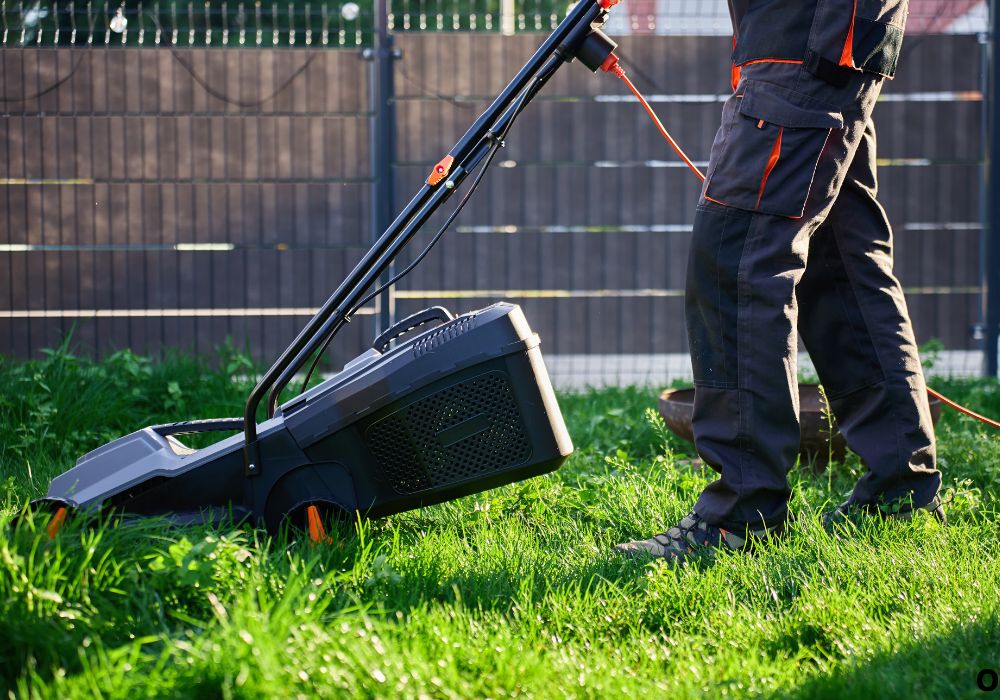
Electric mower power is typically expressed in watts, volts, or amps, which indicate how much energy the motor can draw to cut grass effectively. Higher ratings generally mean the mower can handle thicker or taller grass with less effort.
Brushless motors are more efficient and generate consistent torque, which helps when cutting dense patches of grass or tackling small inclines. Brushed motors are less expensive but can wear faster and may provide less torque under heavy loads.
Power affects not only cutting performance but also mowing efficiency. A low-power mower might struggle with thick or wet grass, requiring multiple passes and draining the battery faster. Understanding motor specifications helps homeowners match the mower to lawn conditions.
Higher power also reduces stress on the mower, prolonging the motor’s lifespan. It is important to remember that power ratings do not directly translate to mowing speed; other factors like blade quality, cutting height, and wheel traction play roles as well.
What does mower power rating mean?
It indicates the energy the motor can draw to cut grass effectively.
Are brushless motors more powerful?
Yes, they provide consistent torque and longer lifespan than brushed motors.
Does higher power mean faster mowing?
Not always; cutting efficiency depends on blades, grass, and terrain.
Can a low-power mower cut thick grass?
It can, but it may require multiple passes and drain the battery faster.
Why is understanding power important?
It helps choose a mower that can handle your lawn efficiently without overloading the motor.
Voltage and Motor Performance Explained
Voltage plays a key role in electric mower power. Higher voltage provides more torque, which allows the mower to cut dense grass and handle slight inclines more effectively.
Common voltage ranges include 18V, 36V, 40V, and 56V. Lower-voltage models are ideal for small yards and regular grass, while higher-voltage mowers are better for large or hilly lawns.
Voltage also affects battery draw. Higher voltage models consume more power per unit of cutting, so choosing the right battery capacity is essential for consistent performance. Dual-battery systems or larger capacity batteries are often recommended for higher-voltage mowers.
Motor performance is influenced by voltage and design. Brushless motors at higher voltage can maintain consistent cutting speed even under load, whereas lower-voltage or brushed motors may slow down when grass is thick or wet.
It’s important to match voltage to your lawn size and type. Overpowering a small lawn is unnecessary, while underpowered mowers may struggle on larger or uneven terrain.
How does voltage affect mower power?
Higher voltage increases torque and improves cutting of thick or dense grass.
Which voltage is best for small lawns?
Lower-voltage models (18V–36V) are sufficient for small areas.
Do high-voltage mowers drain batteries faster?
Yes, they consume more power, so battery capacity must match.
Can voltage affect motor performance on slopes?
Yes, higher voltage helps maintain torque on inclines.
Should I choose voltage based on lawn size?
Absolutely, matching voltage ensures efficient and effective mowing.
Battery Power and Its Impact on Mower Performance
Battery capacity, measured in amp-hours (Ah), directly impacts runtime and cutting performance. A larger battery allows the mower to operate longer, which is especially important for larger lawns or frequent mowing.
Battery health is critical. Older batteries may lose capacity, reducing power output and cutting efficiency. Maintaining proper charge cycles and storage practices prolongs battery life and ensures consistent mower performance.
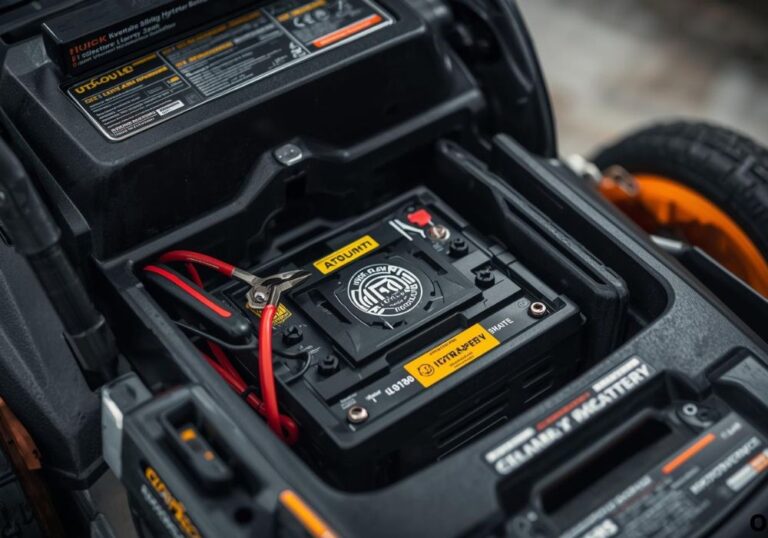
Dual-battery systems offer extended runtime and higher combined voltage, providing more power for demanding conditions such as thick grass or hilly terrain. Lithium-ion batteries are preferred for their efficiency, lighter weight, and longevity compared to lead-acid batteries.
Overheating or frequent full discharges can reduce battery lifespan. Regular monitoring of performance and proper maintenance will ensure that the mower delivers reliable power throughout the season.
Battery power also affects motor load. Insufficient battery capacity can cause the motor to slow under strain, resulting in uneven cutting and potential motor wear. Properly sizing the battery to the mower’s voltage ensures optimal performance and prevents unnecessary stress.
What does amp-hour (Ah) mean?
It indicates the battery’s capacity and how long the mower can run.
Does battery health affect power?
Yes, older batteries deliver less power and shorter runtime.
Are dual-battery systems better?
Yes, they provide longer runtime and higher combined voltage.
Is lithium-ion better than lead-acid?
Yes, lithium-ion is lighter, more efficient, and lasts longer.
How can I prevent battery degradation?
Avoid full discharges, monitor charge cycles, and store correctly.
Power Requirements by Lawn Size and Terrain
The required power depends on lawn size, grass density, and terrain. Small lawns can be managed with low to mid-power mowers, typically 18V–36V models, which are sufficient for regular grass cutting.
Medium lawns benefit from moderate-power mowers with larger batteries to handle extended runtime. These models provide enough torque to manage thicker or taller grass without slowing down.
Large or hilly lawns require high-voltage, high-capacity models, often with dual batteries or 40V–56V systems. Such mowers maintain torque on slopes and can cut dense grass efficiently.
Grass type also matters. Taller, wet, or coarse grass places more strain on the motor. Underpowered mowers may require multiple passes, reducing efficiency and battery life.
Matching mower power to lawn characteristics ensures a consistent cut, reduces wear on the motor, and minimizes battery drain. Overpowering a small lawn wastes energy, while underpowering a large lawn results in poor performance.
What power is enough for small lawns?
Low to mid-power mowers (18V–36V) are sufficient.
Do medium lawns need more battery capacity?
Yes, moderate-power mowers handle longer runtime and thicker grass.
Which mowers are best for large or hilly lawns?
High-voltage models (40V–56V) with high-capacity or dual batteries.
Does grass type affect power requirements?
Yes, thick, tall, or wet grass requires more torque.
Can underpowered mowers damage lawns?
Yes, they may cut unevenly and require multiple passes.
Comparing Electric and Gas Mower Power
Gas mowers often have higher horsepower ratings, giving the impression they are more powerful. However, electric mowers produce consistent torque and maintain performance even under load.
Electric mowers are quieter, require less maintenance, and are more environmentally friendly. While gas mowers can cut through very thick or wet grass, modern high-voltage electric mowers can handle most residential lawns efficiently.
Torque and cutting speed depend on motor design and battery power. Brushless electric motors often match gas performance in smaller lawns, while large or steep lawns may still favor gas models.
Maintenance requirements also differ. Electric mowers need blade sharpening, deck cleaning, and battery care, but avoid oil changes and fuel maintenance. Energy efficiency and reduced emissions make electric mowers a preferred choice for most homeowners.
Are gas mowers more powerful than electric?
Gas has higher horsepower, but electric mowers provide consistent torque.
Can electric mowers handle thick grass?
Yes, high-voltage, high-capacity models manage most residential lawns.
Do electric mowers require less maintenance?
Yes, no oil changes or fuel upkeep are needed.
Is torque comparable to gas mowers?
Modern brushless motors can match gas torque for smaller lawns.
Are electric mowers environmentally friendly?
Yes, they produce zero emissions and operate quietly.
Tips to Maximize Electric Mower Power
Maintaining your mower ensures maximum performance. Keep blades sharp for efficient cutting, as dull blades increase motor load.
Charge the battery correctly and avoid fully discharging it to prolong lifespan. Store batteries in a cool, dry location to prevent degradation.
Clean the mower deck after each use to prevent clogs that reduce cutting efficiency. Lubricate moving parts and tighten bolts regularly to reduce strain on the motor.
Avoid mowing overly wet grass, which increases resistance and can overwork the motor. Follow manufacturer recommendations for voltage and battery usage to maintain optimal performance.
Regular inspection and preventive care ensure the mower delivers maximum power consistently, providing a clean, even cut while extending the mower and battery life.
How can I maximize mower power?
Keep blades sharp and maintain battery health.
Should I clean the deck regularly?
Yes, it prevents clogging and improves efficiency.
Is proper lubrication important?
Yes, it reduces strain on moving parts.
Can mowing wet grass affect power?
Yes, it increases motor load and reduces efficiency.
Should I follow manufacturer guidelines?
Absolutely, it ensures optimal performance and safety.
Common Mistakes About Electric Mower Power
Assuming higher voltage always means better performance is a common mistake. Other factors like battery health, blade sharpness, and mower type also matter.
Using a low-power mower for a large lawn or hilly terrain can result in poor cutting performance and rapid battery drain. Ignoring battery health or using worn-out batteries reduces motor efficiency.
Overloading the mower with thick, wet grass can strain the motor. Misunderstanding differences between brushed and brushless motors can also lead to poor expectations.
Recognizing these mistakes helps homeowners choose the correct mower and maintain optimal performance, ensuring their lawn is cut efficiently and safely.
Does higher voltage always mean better cutting?
No, battery health, blades, and motor type also affect performance.
Can low-power mowers handle large lawns?
No, they may struggle and drain batteries quickly.
Does battery condition affect mower power?
Yes, worn batteries reduce cutting efficiency.
Can thick or wet grass damage the motor?
Yes, it increases strain and may shorten motor lifespan.
Are brushless motors better than brushed?
Yes, they provide consistent torque and longer lifespan.
Conclusion
Understanding the power of electric lawn mowers is essential for choosing the right model for your lawn. Power is determined by factors such as motor type, voltage, battery capacity, and overall mower design.
Brushless motors provide consistent torque, higher voltages deliver more cutting strength, and battery performance directly affects runtime and efficiency.
Matching mower power to lawn size, terrain, and grass type ensures optimal performance. Small lawns can be managed with lower-voltage models, while larger or hilly lawns benefit from high-voltage, high-capacity, or dual-battery systems.
Overloading a mower with thick, tall, or wet grass can strain the motor and reduce efficiency, so selecting the correct power level is critical.
Battery maintenance is just as important as motor specifications. Proper charging, storage, and care prolong battery life and maintain cutting performance.
Routine maintenance, including keeping blades sharp, cleaning the deck, and lubricating moving parts, ensures the mower operates at peak efficiency and avoids premature wear.
Comparing electric and gas mowers shows that modern electric models can compete effectively in torque and cutting ability while offering quieter, cleaner, and low-maintenance operation.
Awareness of common mistakes, such as underestimating lawn size or ignoring battery health, helps homeowners make informed decisions and get the best performance from their mower.
By understanding how electric mower power works and maintaining the equipment properly, you can ensure reliable performance, extended mower lifespan, and a clean, healthy lawn all year.
Proper knowledge and maintenance allow you to maximize efficiency, minimize frustration, and enjoy the convenience and environmental benefits of electric mowing without compromising on power or quality.

I’m Maya L. Greenwood, a lifelong plant lover who believes anyone can grow something beautiful with the right guidance. After years of testing soil mixes, pruning methods, irrigation tricks, and pest-safe solutions, I started EasyGardenTips.com to turn hard-won lessons into step-by-step advice. From seed starting and container gardens to composting and seasonal checklists, my goal is to make gardening simple, sustainable, and fun.