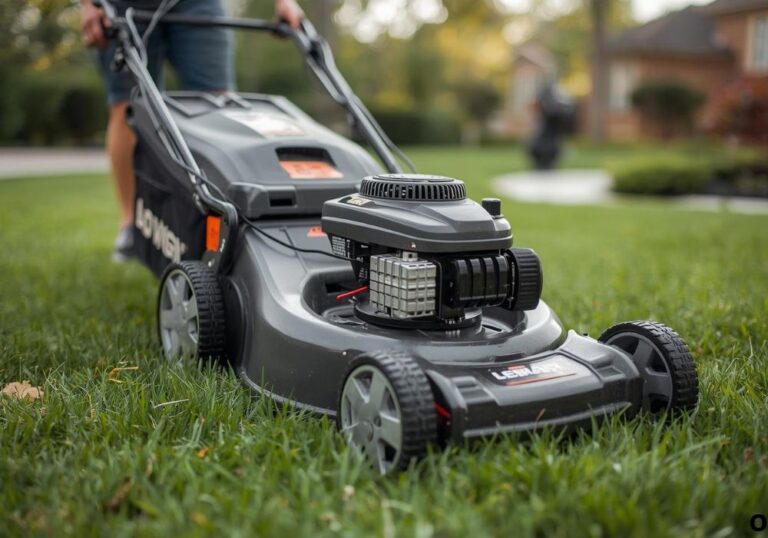
How to Recycle Old Electric Lawn Mower Safely and Easily
Last spring, Maya rolled her worn-out electric lawn mower to the corner of her garage. It had powered through years of mowing, but now it refused to start.
Her first thought was to toss it out on garbage day. But she hesitated, realizing it contained batteries, wires, and blades that might harm the environment if dumped in a landfill.
Like thousands of homeowners, she wondered if recycling her mower could make a difference. The truth is, every old electric mower can be safely recycled, reused, or donated — keeping metals, plastics, and batteries out of the environment.
Recycling isn’t just responsible; it’s surprisingly simple. With a few easy steps, you can protect the planet, clear your storage space, and even help someone else who needs a mower.
In this complete guide, you’ll learn how to recycle an old electric lawn mower responsibly, find nearby drop-off points, and understand why proper disposal matters more than ever.
Why You Shouldn’t Throw Away an Old Electric Mower
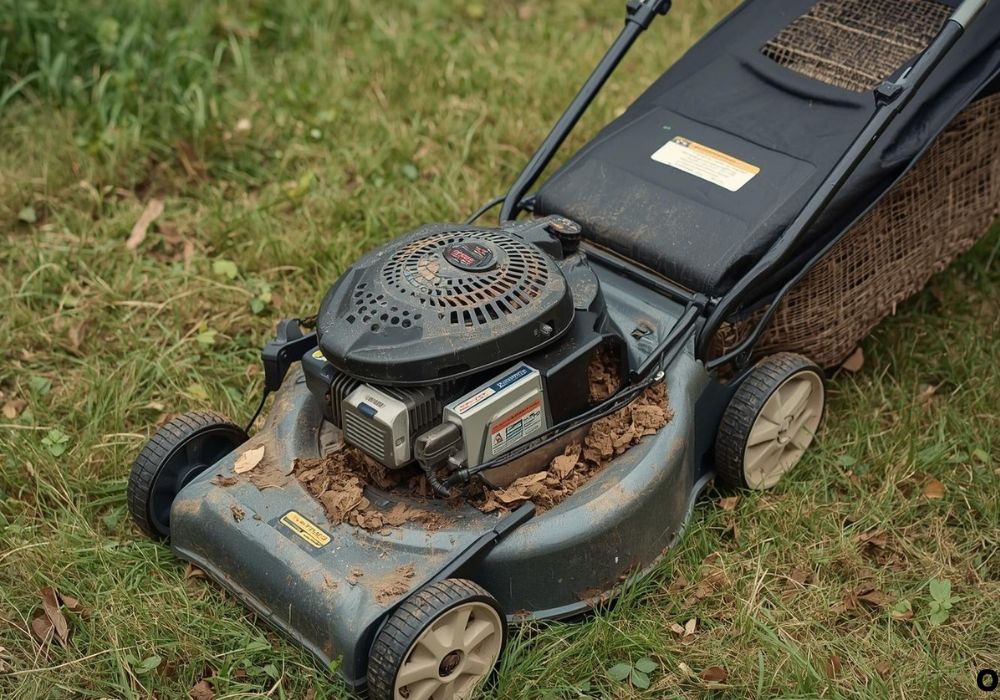
Old electric lawn mowers are classified as electronic waste, or e-waste, which means they contain materials that can harm the environment when improperly discarded.
Inside your mower are metals like copper and steel, plastic housings, and rechargeable batteries that can leak toxic chemicals. When dumped in landfills, these materials contaminate soil and groundwater, threatening plants, wildlife, and even human health.
Many regions now restrict throwing e-waste into household trash. Penalties or fines are possible if these laws are ignored.
Beyond the legal reasons, there’s an ethical one — recycling old mowers helps recover valuable materials. Copper wiring, aluminum frames, and steel blades can be melted down and reused in new products, saving energy and resources.
Each recycled mower also reduces carbon emissions that come from manufacturing new raw materials. By taking time to recycle responsibly, you directly contribute to a cleaner environment.
Understanding the Parts That Can Be Recycled
Electric lawn mowers contain several recyclable components that are easy to separate before disposal.
The metal body and blades are typically made of steel or aluminum, both of which are valuable to scrap recyclers. These metals can be reused endlessly without losing strength.
The motor and wiring contain copper coils, which are highly sought after in recycling facilities. Copper recovery alone significantly offsets environmental costs.
The plastic housing and wheels can be recycled if cleaned and sorted properly, while rubber grips and non-metal parts may need special processing.
Most importantly, the battery must be removed and recycled separately. Whether lead-acid or lithium-ion, mower batteries contain chemicals that require specialized handling. Never throw them into regular bins.
By understanding which components can be reused, you ensure that every part of your mower finds its proper place in the recycling cycle instead of contributing to waste.
How to Prepare Your Mower for Recycling
Preparation makes recycling smooth, safe, and accepted at local centers.
Start by disconnecting the battery. Use gloves and tools to safely remove it from the mower housing. For lead-acid or lithium-ion batteries, place them in insulated containers to prevent leaks or short circuits.
Next, remove fluids if your mower is a hybrid or uses lubricants. Drain any oils or coolants into sealed containers for hazardous-waste disposal.
Then, detach removable parts like blades, cords, or plastic covers. Cleaning off dirt and grass helps recycling centers process materials faster.
If possible, separate metal and plastic components into different bags or boxes. Sorting speeds up recycling and may even earn you a small rebate at scrap yards.
Always check your local recycling regulations. Some areas have e-waste collection days or partner programs with hardware stores. Preparing correctly keeps you safe and ensures your mower is accepted everywhere.
Local Recycling Options and Drop-Off Centers
Finding where to recycle your old electric mower is easier than most people think.
Many cities have designated e-waste facilities that accept electric mowers and other power tools. These centers safely dismantle and recycle parts according to environmental standards.
Large home-improvement retailers, such as Home Depot or Lowe’s, often run recycling events or accept batteries and small equipment. It’s worth calling ahead to confirm acceptance.
Municipal recycling programs also host cleanup or hazardous-waste days several times a year. You can drop off large appliances and electronics, including electric mowers, for free.
Websites like Earth911.com or your local government’s recycling portal can help locate nearby facilities. Simply type your zip code and “electric mower recycling” to find the best match.
Always confirm whether the facility requires disassembly or if they accept whole units. Dropping it off responsibly is the final step toward an eco-friendly farewell for your old mower.
Donating or Selling a Working Electric Mower
If your mower still works, recycling doesn’t have to be the only option. Donation and resale are equally sustainable.
Community gardens, schools, and local nonprofits often accept working mowers for maintaining green spaces. This simple act keeps equipment out of landfills while helping organizations save money.
You can also sell it online through local marketplaces such as Facebook Marketplace or Craigslist. A working mower, even with minor wear, can find new life with someone else.
Another idea is to offer it to neighbors or family members. Sometimes what’s old for you can be valuable for someone just starting out.
When donating, always clean the mower, remove personal stickers or data (for smart mowers), and include the charger or manual. Some donations may even qualify for tax deductions.
Giving your mower a second life is one of the easiest ways to recycle — by reusing.
Eco-Friendly Alternatives to Recycling
Even beyond recycling, you can think creatively about reusing mower parts.
The electric motor can be repurposed for DIY workshop projects, like powering small tools or fans. The wheels and frame can become parts for a garden cart or compost bin.
Artists and hobbyists often repurpose plastic bodies and blades into sculptures or garden art. With imagination, old machines can turn into practical or decorative items instead of waste.
If you enjoy tinkering, keep useful components for spare parts. A working switch, handle, or blade guard can fix another mower in the future.
Reusing items this way reduces demand for new materials and keeps waste out of recycling streams, which still consume energy.
Repurpose first, recycle next — that’s the true eco-friendly order of lawn-care sustainability.
How Recycling Helps the Environment
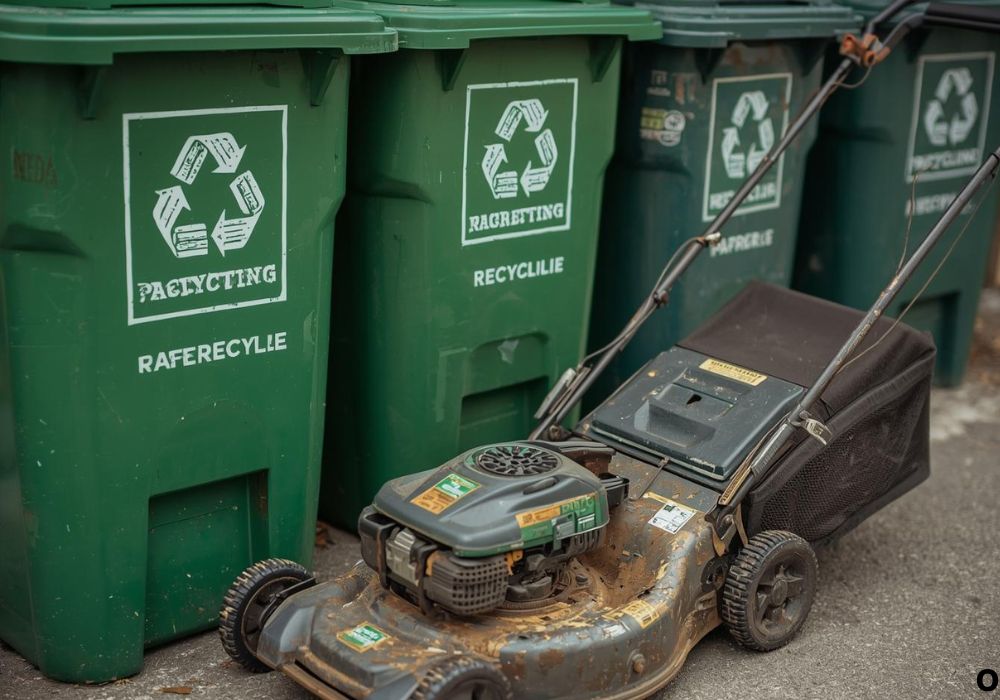
Every mower recycled makes a measurable environmental difference.
Metal recovery reduces the need for new mining, which saves water, energy, and land. Recycling aluminum alone uses 95 percent less energy than creating it from raw ore.
Properly handled batteries prevent toxic chemicals from leaching into ecosystems. Recycled lithium, nickel, and cobalt can be reused in new batteries for cars or electronics.
Plastic recycling cuts down on petroleum use and reduces landfill growth. When recycled, it becomes decking, piping, or even new mower parts.
Overall, recycling one mower can prevent several kilograms of carbon emissions. Multiplied across millions of households, the environmental gain is enormous.
Choosing to recycle your mower isn’t just a personal choice — it’s a collective step toward a cleaner planet.
Common Mistakes to Avoid When Recycling Old Mowers
Many people make simple errors that can ruin good recycling efforts.
Never throw your mower into regular trash or bulk pickup. Municipal waste services usually reject electronics, and improper disposal can lead to fines.
Do not remove the battery carelessly. Short circuits or leaks can occur, causing fires or chemical exposure. Always wear gloves and store batteries properly.
Avoid assuming every recycler accepts whole mowers. Check facility guidelines first. Some need the mower disassembled, while others accept it intact.
Do not mix hazardous fluids with household waste; they require separate disposal.
Lastly, don’t forget about privacy — smart mowers with data storage should be reset before donation or recycling.
Avoiding these mistakes ensures your mower recycling effort remains safe, compliant, and truly eco-friendly.
Expert Answers: Everything You Need to Know About Electric Mowers & the Environment
Can I recycle my mower battery separately?
Yes, most battery retailers and recycling centers accept used mower batteries independently.
Do recycling centers charge a fee?
Many offer free e-waste drop-offs, though some charge a small handling fee for large items.
What if my mower still works?
Donate or sell it instead of recycling — reuse is even better for the environment.
Can I leave my mower at the curb?
No, curbside pickup rarely includes e-waste; take it to an authorized facility.
Are lithium-ion mower batteries hazardous?
Yes, they can leak or ignite if damaged; recycle them through certified programs.
Where can I donate my mower?
Local community gardens, nonprofits, or tool-lending libraries often accept working mowers.
Can I recycle power cords and wires?
Yes, most recyclers accept insulated copper wiring.
Do major stores accept old mowers?
Some hardware chains host recycling drives or take-back events — check locally.
How should I transport it safely?
Remove batteries, blades, and fluids, then secure the body in your vehicle.
Are all mower brands recyclable?
Yes, though some materials differ; recycling centers handle most models.
What happens after recycling?
Mowers are dismantled, metals melted, plastics processed, and batteries repurposed.
Can recycling centers repair old mowers?
Some refurbish functional units for resale or donation programs.
Is recycling better than selling?
If it doesn’t work or repair costs exceed value, recycling is best.
Can I reuse the motor elsewhere?
Yes, it can power small DIY devices or tools safely.
How do I find local recycling events?
Search online for municipal e-waste days or visit Earth911 to locate upcoming events.
Conclusion
Recycling your old electric lawn mower is one of the simplest yet most impactful ways to reduce waste and protect the planet.
Instead of letting valuable metals and batteries sit in landfills, you can return them to the manufacturing cycle, conserve energy, and prevent pollution.
Whether you drop it off at a recycling center, donate it to a community garden, or repurpose its parts for creative projects, every small action contributes to a larger environmental win.
By following these steps — removing batteries safely, sorting materials, and choosing responsible disposal — you transform an outdated machine into a source of sustainable value.
So next time your mower refuses to start, don’t toss it away. Recycle it, repurpose it, or donate it. Your simple decision will help build a cleaner yard, a greener neighborhood, and a healthier planet for everyone.

I’m Maya L. Greenwood, a lifelong plant lover who believes anyone can grow something beautiful with the right guidance. After years of testing soil mixes, pruning methods, irrigation tricks, and pest-safe solutions, I started EasyGardenTips.com to turn hard-won lessons into step-by-step advice. From seed starting and container gardens to composting and seasonal checklists, my goal is to make gardening simple, sustainable, and fun.