How to Estimate Electric Lawn Mower Battery Replacement Cost
Electric lawn mowers are convenient, quiet, and environmentally friendly, but their performance depends heavily on the battery.
Over time, even the best batteries lose capacity, eventually requiring replacement. Understanding replacement costs is essential for budgeting and maintaining your mower’s efficiency.
Battery replacement costs vary depending on several factors, including battery type, brand, voltage, capacity, and whether you replace it yourself or hire a professional.
Some homeowners are caught off guard when their mower suddenly stops working mid-season due to a worn-out battery. Planning ahead allows you to estimate costs accurately and avoid downtime.
In this guide, we’ll cover the types of electric mower batteries, factors affecting replacement costs, average price ranges, DIY versus professional replacement options, and tips to extend battery life.
With this information, you’ll know what to expect and how to minimize expenses while keeping your mower running smoothly.
Types of Electric Lawn Mower Batteries
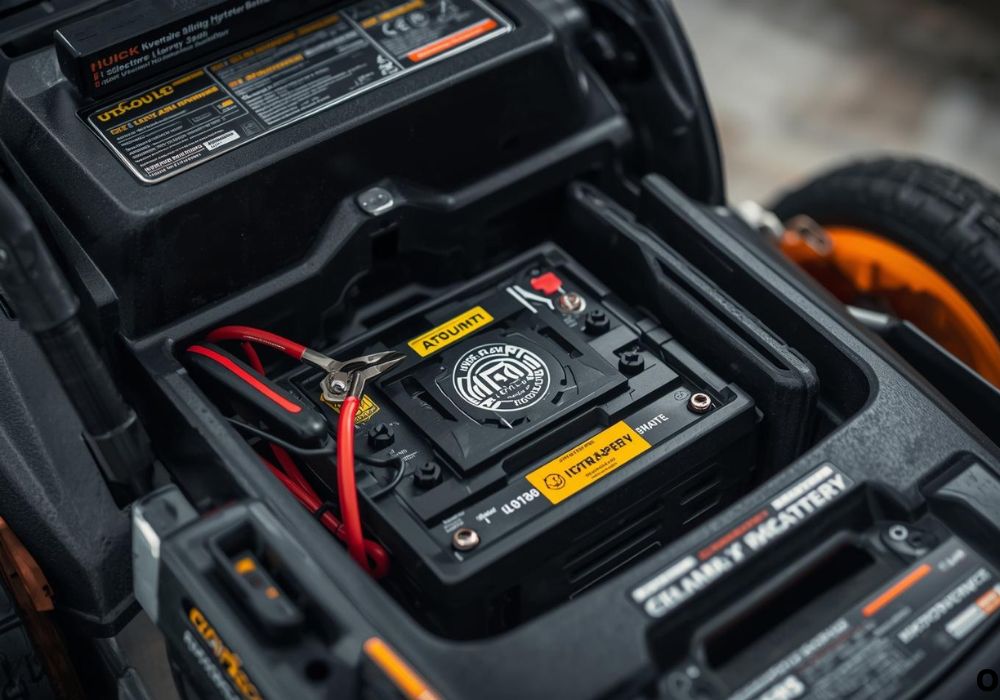
Electric mowers commonly use lithium-ion or lead-acid batteries. Lithium-ion batteries are lighter, last longer, and maintain consistent power output, but they are more expensive to replace.
Lead-acid batteries are heavier and have a shorter lifespan but are often cheaper and easier to find for older mower models.
Battery voltage and capacity (measured in volts and amp-hours, Ah) directly influence cost. Higher voltage or larger capacity batteries provide more power and longer runtime but come with higher prices.
Some mower models use proprietary battery designs, making replacements more expensive due to brand-specific parts. Generic replacements are sometimes available but may offer lower performance.
Battery chemistry affects charging habits and maintenance. Lithium-ion batteries are more forgiving but require proper storage, while lead-acid batteries need periodic equalization to prolong life.
Choosing the right battery type upfront impacts both replacement cost and mower performance over time.
What types of batteries do electric mowers use?
Lithium-ion and lead-acid are the most common types.
Which battery lasts longer?
Lithium-ion batteries generally have a longer lifespan than lead-acid.
Are lithium-ion batteries more expensive?
Yes, they cost more upfront but offer better performance.
Does battery voltage affect replacement cost?
Yes, higher voltage batteries are typically more expensive.
Can I use a generic battery replacement?
Sometimes, but performance and compatibility may be lower than brand-specific options.
Factors Affecting Battery Replacement Cost
Several factors influence how much a replacement battery will cost. The brand and model of your mower often determine availability and price. Premium brands may charge significantly more than generic or budget models.
Battery type and size also affect cost. Larger capacity or higher voltage batteries provide longer runtime but are more expensive. Proprietary designs can increase prices because only specific replacements are compatible.
The age and wear of the battery matter. Batteries that have been heavily used may need replacement sooner, while careful maintenance can extend lifespan.
Warranty coverage can offset replacement costs. Some mowers include multi-year battery warranties, reducing or eliminating the expense if replacement occurs within the coverage period.
Finally, whether you choose DIY or professional replacement impacts cost. Professional service adds labor charges, whereas DIY replacement requires only the battery purchase and some tools.
Do mower brands affect replacement cost?
Yes, premium brands are usually more expensive.
Does battery size matter?
Yes, larger capacity batteries cost more.
How does battery age affect cost?
Older batteries wear faster and may need replacement sooner.
Can warranties reduce replacement costs?
Yes, if the battery fails within the warranty period.
Is DIY cheaper than professional replacement?
Yes, DIY avoids labor costs, though it requires safety precautions.
Average Replacement Costs by Battery Type
Lithium-ion batteries for electric mowers typically cost between $100 and $300, depending on voltage and capacity. High-end models may exceed $400, especially for proprietary designs.
Lead-acid batteries are cheaper, usually ranging from $50 to $150, but they are heavier and have shorter lifespans.
Cost can also vary by brand. Premium mowers from brands like EGO, Greenworks, or Ryobi tend to have higher replacement prices due to proprietary batteries and higher quality cells.
Seasonal or regional price differences may occur. During peak mowing season, demand increases, and some replacement batteries can sell at a premium.
Planning ahead and comparing prices online can help you avoid surprises and find the best deals for your mower’s specific battery.
What is the typical cost for lithium-ion mower batteries?
$100–$300 depending on voltage and capacity.
Are lead-acid batteries cheaper?
Yes, usually $50–$150.
Do brand names affect replacement cost?
Yes, premium brands with proprietary batteries cost more.
Can seasonal demand affect price?
Yes, battery prices may increase during peak mowing season.
How can I find the best price?
Compare online retailers and check for manufacturer deals or promotions.
DIY vs Professional Battery Replacement
Replacing the battery yourself can save money. DIY replacement usually only requires purchasing the battery and basic tools, making it the cheapest option.
However, improper installation may void warranties or cause safety hazards. Lithium-ion batteries, in particular, require care to avoid short circuits or overheating.
Professional replacement ensures proper installation, maintains warranty compliance, and often includes battery testing. Labor costs vary but generally range from $30–$80, in addition to the battery price.
Some mower models have complex electrical systems, making professional service advisable, especially for high-voltage lithium-ion batteries. For older or simpler models, DIY replacement is usually safe and cost-effective.
Consider your comfort level and experience with electrical components when deciding between DIY and professional service.
Is DIY replacement cheaper?
Yes, it avoids labor costs.
Are there risks with DIY replacement?
Yes, improper installation can void warranties or create safety hazards.
When should I hire a professional?
For high-voltage or complex mower systems.
Does professional service include testing?
Yes, professionals often test the battery after installation.
How much does professional labor usually cost?
$30–$80 depending on service and location.
Tips to Extend Battery Life and Reduce Costs
Proper maintenance can delay replacement and reduce long-term costs. Store batteries in a cool, dry place, away from extreme temperatures.
Avoid fully discharging lithium-ion batteries frequently, as this shortens lifespan. Lead-acid batteries require occasional equalization or topping up with distilled water.
Clean battery terminals regularly to prevent corrosion, which can reduce efficiency. Remove the battery during long periods of non-use to prevent slow discharge or damage.
Choose the right charger and avoid overcharging. Fast chargers designed for your battery type help maintain performance without degrading cells.
Monitor battery health and replace only when necessary. Early intervention prevents mower downtime and ensures efficient mowing performance.
Should I store batteries properly?
Yes, keep them cool and dry to prolong life.
Does frequent full discharge affect lifespan?
Yes, it shortens lithium-ion battery life.
Should terminals be cleaned regularly?
Yes, to prevent corrosion and maintain efficiency.
Is using the correct charger important?
Yes, it prevents cell degradation and maintains performance.
When should I replace the battery?
Only when performance drops or it fails to hold charge.
How Battery Age Affects Replacement Costs
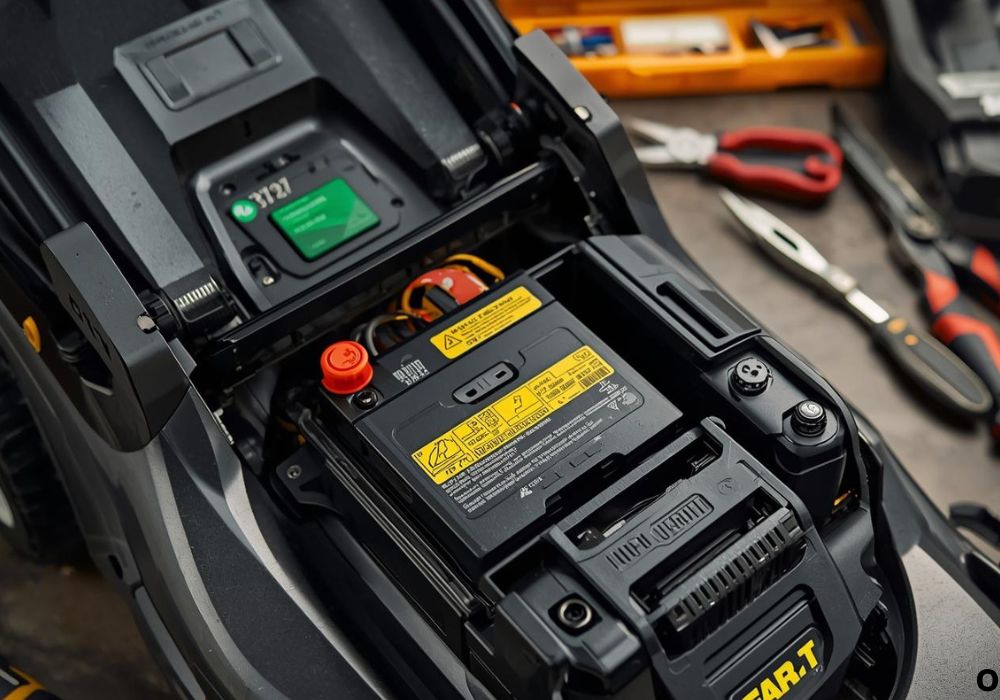
The age of an electric mower battery significantly impacts its replacement cost. Batteries gradually lose capacity over time due to chemical wear, and older batteries are more likely to fail sooner, which may increase your annual maintenance budget.
Most lithium-ion mower batteries last 3–5 years, depending on usage, charging habits, and storage conditions. Lead-acid batteries generally last 2–4 years.
As a battery approaches the end of its lifespan, its performance declines, resulting in shorter mowing times and potentially leaving areas of your lawn unmowed if the battery dies mid-session.
Older batteries may require replacement more frequently, which can increase long-term costs, especially for high-end or proprietary battery models. Proper maintenance, such as storing in a cool, dry place and avoiding full discharges, can extend battery life and reduce the frequency of replacements.
Additionally, mower warranties may cover battery replacement within a certain period. Understanding your battery’s age relative to warranty coverage helps estimate costs more accurately.
For example, a mower in its first year may have battery replacement included under warranty, while a three-year-old mower may require out-of-pocket expenses.
Does battery age affect replacement cost?
Yes, older batteries lose capacity faster and often need replacement sooner, increasing cost.
How long do lithium-ion mower batteries last?
Typically 3–5 years, depending on use and maintenance.
Do lead-acid batteries last as long?
No, lead-acid batteries usually last 2–4 years.
Can maintenance extend battery life?
Yes, proper storage and avoiding full discharges help prolong lifespan.
Does warranty coverage depend on battery age?
Yes, newer batteries may be covered, while older ones often require out-of-pocket replacement.
Regional and Seasonal Pricing Variations
Battery replacement costs can vary by region and season. Geographic location affects availability, shipping costs, and pricing. For example, urban areas may have higher prices due to demand, while rural regions may face higher shipping fees for replacement parts.
Seasonal demand also plays a role. Peak mowing season, typically spring and summer, often sees increased demand for batteries and replacement parts. Prices can rise slightly due to high demand, whereas off-season periods may offer discounts or promotions.
Retailer policies and local taxes also affect the final replacement cost. Online marketplaces may provide lower prices than physical stores, but shipping and delivery times must be considered. Some brands may offer promotions or rebates, especially during pre-season sales.
Understanding these regional and seasonal factors helps homeowners plan replacement costs and take advantage of deals. Planning purchases before peak season or during sales events can save money.
Does location affect battery replacement cost?
Yes, urban vs. rural regions may have different pricing due to availability and shipping.
Do prices change during the year?
Yes, peak mowing season can increase demand and slightly raise prices.
Can online purchases save money?
Often, yes, but consider shipping costs and delivery times.
Are promotions common for batteries?
Yes, pre-season sales and manufacturer rebates may reduce cost.
Should I plan replacement around seasonal sales?
Yes, buying off-season can lower replacement expenses.
Choosing the Right Replacement Battery for Your Budget
Selecting the correct replacement battery involves balancing cost, performance, and longevity. High-quality lithium-ion batteries may have a higher upfront cost but last longer and deliver consistent power, often saving money in the long run.
Budget-friendly options, including generic or lead-acid batteries, are cheaper initially but may require more frequent replacement and have lower runtime. Choosing the right battery depends on your mower’s usage, slope difficulty, and mowing frequency.
Compatibility is also important. Always verify voltage, capacity, and manufacturer specifications before purchasing.
Using the wrong battery can damage your mower or void warranties. Some brands offer extended-life batteries at a premium, which may be worth considering if you mow frequently or own a hilly lawn.
Proper installation and regular maintenance reduce unexpected costs. Cleaning terminals, storing batteries correctly, and avoiding extreme temperatures ensures maximum lifespan and reduces early replacement needs.
Should I choose high-end batteries or budget options?
High-end batteries cost more upfront but last longer and provide consistent performance.
Are generic batteries safe for my mower?
Sometimes, but always check compatibility to avoid damage or voided warranties.
Does battery type affect cost long-term?
Yes, lithium-ion batteries are more expensive but require less frequent replacement than lead-acid.
How can I reduce replacement costs?
Proper maintenance, storage, and using the correct battery help minimize expenses.
Are extended-life batteries worth the extra cost?
Yes, if you mow frequently or have steep terrain, they provide better longevity and reliability.
Conclusion
Estimating the replacement cost of an electric lawn mower battery requires considering multiple factors beyond the sticker price. Battery type, voltage, capacity, brand, age, and warranty coverage all influence the total expense.
Lithium-ion batteries cost more upfront but provide longer lifespan and consistent power, while lead-acid or budget options are cheaper initially but may need replacement sooner.
Battery age is crucial in planning. Over time, batteries lose capacity, reducing mowing efficiency and potentially requiring earlier replacement. Understanding expected battery life and monitoring performance allows homeowners to budget effectively and avoid unexpected downtime.
Regional and seasonal variations also affect costs. Prices may differ based on location, retailer, shipping fees, and demand during peak mowing seasons. Purchasing off-season or checking online deals can help reduce expenses.
Choosing the right battery balances cost with long-term performance. High-quality, brand-specific batteries often justify their higher price with durability, reliability, and compatibility.
Lower-cost or generic batteries can work if matched properly, but attention to compatibility and safety is essential to prevent damage.
Proper maintenance extends battery life and reduces costs. Storing batteries in a cool, dry place, charging correctly, cleaning terminals, and avoiding extreme temperatures help maintain performance.
DIY replacement is cost-effective for those comfortable handling batteries, while professional service ensures proper installation and preserves warranties.
By understanding battery types, cost factors, and maintenance best practices, homeowners can accurately estimate replacement expenses, make informed decisions, and prolong battery life.
This approach ensures safe, efficient, and uninterrupted mowing, keeping lawns healthy and well-maintained without unexpected financial surprises.

I’m Maya L. Greenwood, a lifelong plant lover who believes anyone can grow something beautiful with the right guidance. After years of testing soil mixes, pruning methods, irrigation tricks, and pest-safe solutions, I started EasyGardenTips.com to turn hard-won lessons into step-by-step advice. From seed starting and container gardens to composting and seasonal checklists, my goal is to make gardening simple, sustainable, and fun.