Electric Lawn Mower Safety Tips Every User Should Know
It’s a bright summer morning, and the smell of freshly cut grass fills the air. You plug in your electric lawn mower, ready to tidy your garden before the weekend barbecue. As you push forward, you suddenly feel a tug — the cord catches under the blades. A quick jolt of panic hits before you unplug it just in time.
Moments like this remind us how important safety is, even with tools that seem simple and harmless. Electric lawn mowers are quieter, cleaner, and easier to maintain than petrol models, but they also introduce unique safety challenges — electricity, cords, and batteries that must be handled correctly.
Whether you’re new to mowing or have years of experience, following the right electric lawn mower safety tips can protect you, your family, and your equipment. Let’s look at the most essential safety practices every homeowner should know before powering up their mower.
Understanding Electric Lawn Mower Safety Basics
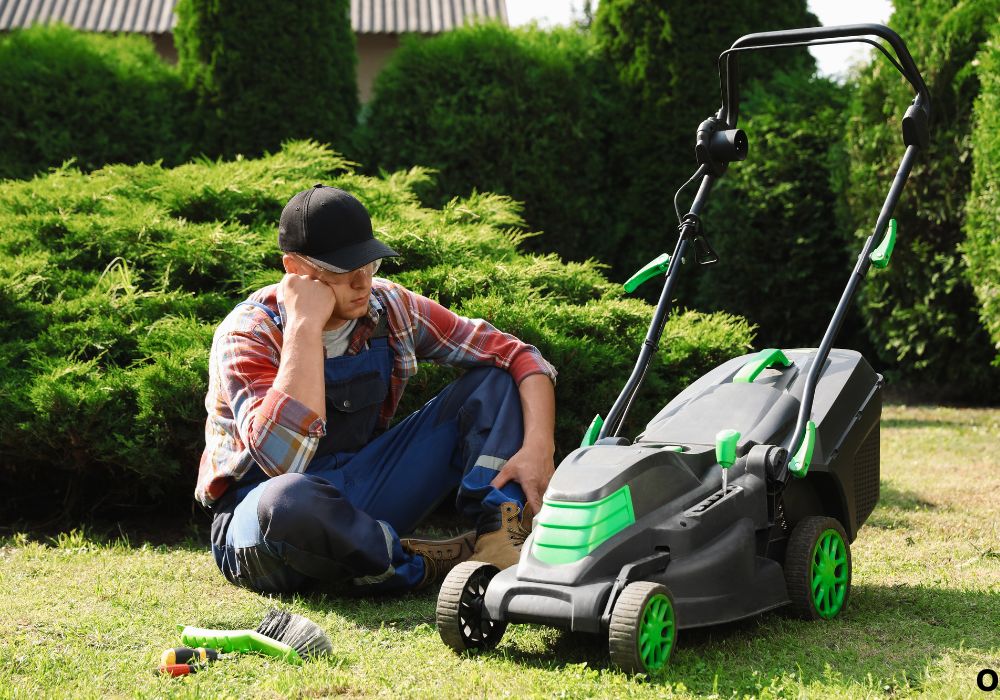
Electric lawn mowers use either a power cord or rechargeable battery to drive the motor. This eliminates fuel and exhaust risks but adds electrical hazards. Moisture, damaged cords, or misuse can lead to shocks, burns, or short circuits.
Safety begins with awareness. Understanding how the mower operates — from its electrical system to its blades — helps prevent most accidents. Read the manual before use, check for grounding instructions, and never assume the mower is off unless it’s unplugged or the battery is removed.
Are electric mowers safer than petrol ones?
Yes, they are quieter and easier to use, but electrical risks still exist if mishandled.
What makes them risky?
Exposed wires, wet surfaces, and poor storage can lead to electrical shocks.
Can I mow in light rain?
No, electricity and water are a dangerous mix. Always wait for dry weather.
Should I wear protective gear?
Yes, gloves, goggles, and sturdy shoes reduce injury risk.
Are cordless models safer?
They’re safer in wet conditions since there’s no live cord, but battery care is crucial.
Inspect Before You Mow — Essential Pre-Use Checks
Before every session, spend a few minutes inspecting your mower. These quick checks prevent most mechanical or electrical problems.
Look for frayed cords, cracks, or exposed metal on the plug. If you’re using a cordless model, inspect the battery terminals for corrosion or swelling. Check the blade for dullness or imbalance, which can strain the motor.
Finally, walk through the lawn to clear stones, sticks, or toys. These can become dangerous projectiles if struck by the blade.
How often should I inspect my mower?
Before every mowing session. It only takes a few minutes.
What if I find a damaged cord?
Do not tape it. Replace or repair it professionally.
Is it safe to touch blades during inspection?
Only when unplugged or the battery is removed.
Should I check wheels and handles?
Yes, ensure they’re stable and free from cracks.
Can I mow with a loose blade?
Never. It can detach and cause severe injury.
Proper Handling of Power Cords and Batteries
Electric mowers demand careful attention to their power sources. Both cords and batteries must be handled safely to prevent electric shock or fire hazards.
Corded Electric Mower Safety
Keep the cord behind you and away from the cutting path at all times. Use outdoor-rated extension leads that match your mower’s power requirements. Never plug multiple cords together — this increases resistance and overheating risk.
Always unplug the mower before cleaning, inspecting, or adjusting it. When finished, coil the cord loosely and store it in a dry location to prevent kinks or wear.
Cordless Battery Mower Safety
Recharge batteries indoors and away from heat sources. Avoid leaving them on the charger for days — once fully charged, unplug immediately.
Never use a damaged or swollen battery. Remove the battery pack before performing maintenance or blade cleaning.
Can I use a regular indoor extension cord?
No, always use outdoor-rated cords of the correct gauge.
What if I mow over the cord?
Stop immediately, unplug, and replace it. Do not continue mowing.
Can I leave batteries on charge overnight?
No, unplug once full to prevent overheating.
How should I store batteries?
In a cool, dry area — ideally half charged during long storage.
Can I wash batteries?
Never. Clean only with a dry cloth.
Safe Operation Practices While Mowing
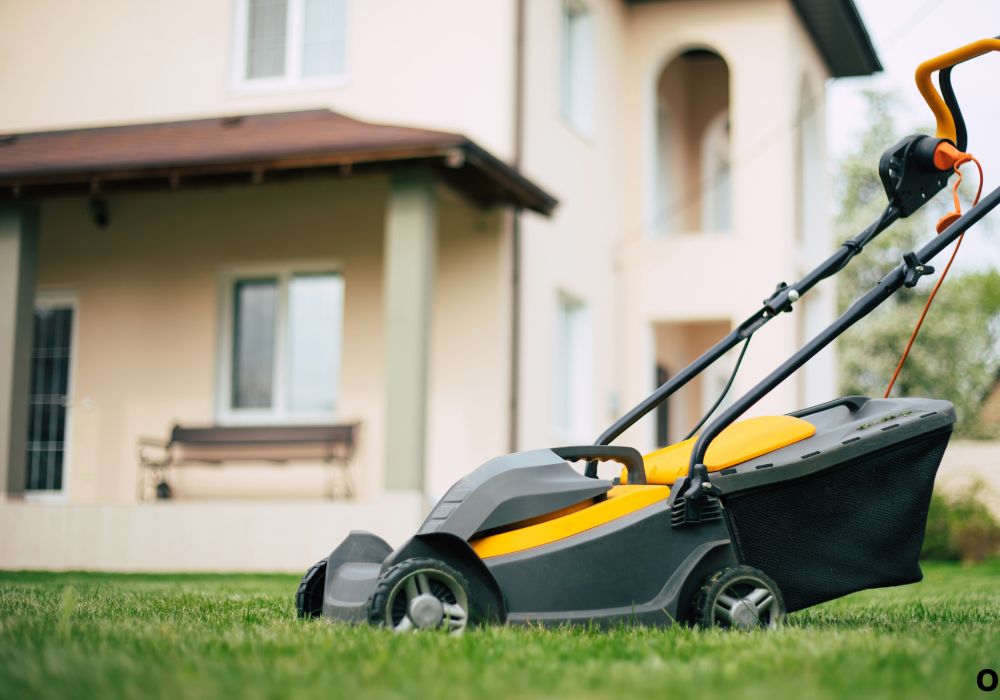
How you operate your mower is just as important as its design. Following proper habits ensures safety every time you mow.
Always wear closed-toe shoes or boots, not sandals. Gloves and goggles protect against debris. Avoid loose clothing that could get caught in moving parts.
Never mow when distracted. Keep both hands on the handle and maintain full awareness of the surroundings. Avoid pulling the mower backwards — always move forward so the blades remain in your line of sight.
Is mowing barefoot safe?
Absolutely not. Always wear sturdy footwear.
Can children operate the mower?
Only older teens under adult supervision.
Should I mow wet grass?
No, it increases slip risk and can short-circuit the mower.
Can I wear headphones?
Avoid them. You need to hear the mower and nearby activity.
How should I mow slopes?
Across the slope, not up or down, to reduce slipping.
Electrical Safety and Weather Awareness
Moisture is an electric mower’s greatest enemy. Even a little dampness can cause severe hazards if ignored.
Never mow in the rain or when the grass is wet. Moisture can seep into electrical components, leading to shock or short-circuit damage. Use outdoor sockets protected by RCD (Residual Current Device) breakers to cut power instantly in emergencies.
Store the mower indoors when not in use, and never leave cords plugged in outside overnight. Wait until the lawn is completely dry before mowing, especially in early mornings with dew.
Can I mow when it’s drizzling lightly?
No. Always wait until the grass and ground are dry.
What is an RCD?
A device that prevents electrocution by instantly shutting off power during faults.
Is it safe to mow after rain if it looks dry?
Touch the grass first — if damp, wait longer.
Can I plug the mower into an indoor socket via window?
Not recommended; use outdoor-rated sockets instead.
Do I need waterproof boots?
They’re helpful but not a replacement for avoiding wet mowing.
Maintenance and Cleaning Safety Tips
After mowing, proper cleaning ensures both safety and performance.
Always disconnect the power before cleaning. Never tilt the mower while plugged in. Use a dry brush or cloth to remove grass clippings and dirt under the deck. Avoid using water directly on motors or batteries, as it can cause corrosion or shock.
Sharpen the blades carefully or have them serviced by a professional. Check all screws, bolts, and fasteners regularly — loose parts cause vibration and premature wear.
Can I hose off my mower?
No, use a damp cloth instead to prevent water entering the motor.
Do blades need oiling?
Light oil helps prevent rust but avoid excess lubrication.
What’s the safest way to clean under the deck?
Unplug, tilt the mower backwards slightly, and use a stick or brush.
How often should I check bolts?
Every few uses or before storage.
Can I clean while the battery is installed?
Never. Remove it first.
Storage and Off-Season Safety Precautions
How you store your mower during the off-season determines its long-term lifespan.
Keep the mower in a dry, sheltered space such as a garage or shed. Never store it outdoors or in direct sunlight, which can damage electrical components. For cordless models, remove the battery and store it separately.
If storing for several months, cover the mower with a breathable cloth or plastic sheet to prevent dust and moisture build-up. Coil cords loosely and avoid tight wrapping that might crack insulation.
Can I store my mower outside?
Only under a fully waterproof, ventilated cover — indoors is best.
Should I drain batteries before storage?
No, store them about 50% charged.
Can I hang it on the wall?
Yes, if the model supports vertical storage.
Is it safe to leave it plugged in during storage?
Never. Unplug and remove batteries first.
What’s the ideal temperature for storage?
Between 10°C and 25°C.
Safety Around Children and Pets
Electric mowers might seem harmless, but they’re powerful machines that can cause injury if misused around kids or pets.
Keep children and animals well away from the mowing area. Even small stones thrown by blades can cause harm. Never allow anyone to approach while mowing, and avoid distractions such as conversations or phone calls.
After use, store the mower in a locked or elevated space. Remove keys or batteries to prevent accidental activation by curious hands.
What age is safe for children to help?
Around 16 years, under supervision.
Can pets stay nearby?
No. Even quiet mowers can startle them into danger.
Do mowers have safety locks?
Most modern ones include safety levers or keys.
Should I remove batteries after every mow?
Yes, it’s safer and prevents accidental starts.
Can kids ride or push the mower for fun?
Never — it’s not a toy.
Common Mistakes to Avoid with Electric Mowers
Even experienced users make mistakes that can shorten their mower’s life or cause injury.
The most common is neglecting cord placement. Many users accidentally cut through cords by not keeping them behind the mowing path. Others mow too fast, leaving uneven cuts or overloading the motor.
Skipping inspections, mowing wet lawns, or failing to clean the deck after use also lead to safety hazards. Overcharging batteries or using the wrong extension cord can cause overheating and fires.
What’s the biggest mistake homeowners make?
Running over the cord or mowing wet grass.
Is mowing too fast dangerous?
Yes, it reduces control and stresses the motor.
Can wrong cords damage the mower?
Yes, incorrect wattage causes overheating.
Does skipping cleaning matter?
Yes, clippings build up and block ventilation.
Can overcharging ruin batteries?
Yes, it degrades cell health and shortens lifespan.
Emergency Response and First-Aid Tips
Even with care, accidents can happen. Knowing how to react quickly can prevent serious injury.
If someone receives an electric shock, do not touch them while power is live. Unplug or turn off the circuit before approaching. For cuts or blade contact, apply pressure with a clean cloth and seek medical help immediately.
Keep a first-aid kit and fire extinguisher in the garage or shed. Familiarise yourself with your mower’s safety switches and know how to cut power instantly in an emergency.
What should I do after a shock?
Disconnect power, sit down, and seek medical evaluation immediately.
Can electric mowers catch fire?
Rarely, but damaged cords or batteries can overheat.
How do I stop power quickly?
Unplug or switch off from the main outlet, or remove the battery.
Should I have safety gear nearby?
Yes, keep gloves and a first-aid kit handy.
How do I handle minor cuts?
Clean, disinfect, and cover — but stop mowing right away.
Final Safety Checklist Before Every Mow
Before pressing the start button, a quick safety checklist ensures you’re ready to mow without risks.
- Power cord secure and undamaged.
- Battery charged, intact, and properly seated.
- Blades tightened and balanced.
- Lawn clear of objects, children, and pets.
- Dry conditions and proper attire confirmed.
Following these simple checks takes under two minutes but prevents hours of trouble later.
Do I need to check every time?
Yes, it keeps your routine consistent and safe.
How long should an inspection take?
No more than two minutes.
Do professionals follow these steps?
Absolutely — it’s part of standard safety protocol.
Can skipping checks void warranty?
Yes, negligence can affect claims.
Is there a printable checklist?
Most brands include one in the manual — keep it handy.
Conclusion
Electric lawn mowers are practical, efficient, and environmentally friendly — but they still demand care and caution. Simple oversights, like mowing wet grass or ignoring cord placement, can lead to serious accidents.
By following these electric lawn mower safety tips, you protect not only yourself but also your family and property. Inspect before every use, store properly, and never rush through mowing.
Safety isn’t just about avoiding injury — it’s about maintaining confidence and peace of mind. With consistent habits and awareness, your electric mower will serve you for years, delivering clean, precise cuts safely every time.

I’m Maya L. Greenwood, a lifelong plant lover who believes anyone can grow something beautiful with the right guidance. After years of testing soil mixes, pruning methods, irrigation tricks, and pest-safe solutions, I started EasyGardenTips.com to turn hard-won lessons into step-by-step advice. From seed starting and container gardens to composting and seasonal checklists, my goal is to make gardening simple, sustainable, and fun.