How Much Does an Electric Lawn Mower Battery Weigh?
You finally switch to an electric mower and are impressed by how quietly it glides across the lawn. Then you remove the battery for charging and notice how surprisingly heavy it feels. The thought crosses your mind: how much does an electric lawn mower battery actually weigh, and does it affect performance?
This is a common question among homeowners considering cordless models. Battery weight influences far more than you might think — from cutting time and manoeuvrability to how easy it is to store or carry the mower. It also plays a role in power output, stability, and total mowing comfort.
In this detailed guide, we explore everything you need to know about electric mower battery weight. You’ll learn how battery chemistry, voltage, and design affect mass, how leading brands compare, and whether a heavier battery is truly worth it.
Why Battery Weight Matters in Electric Lawn Mowers
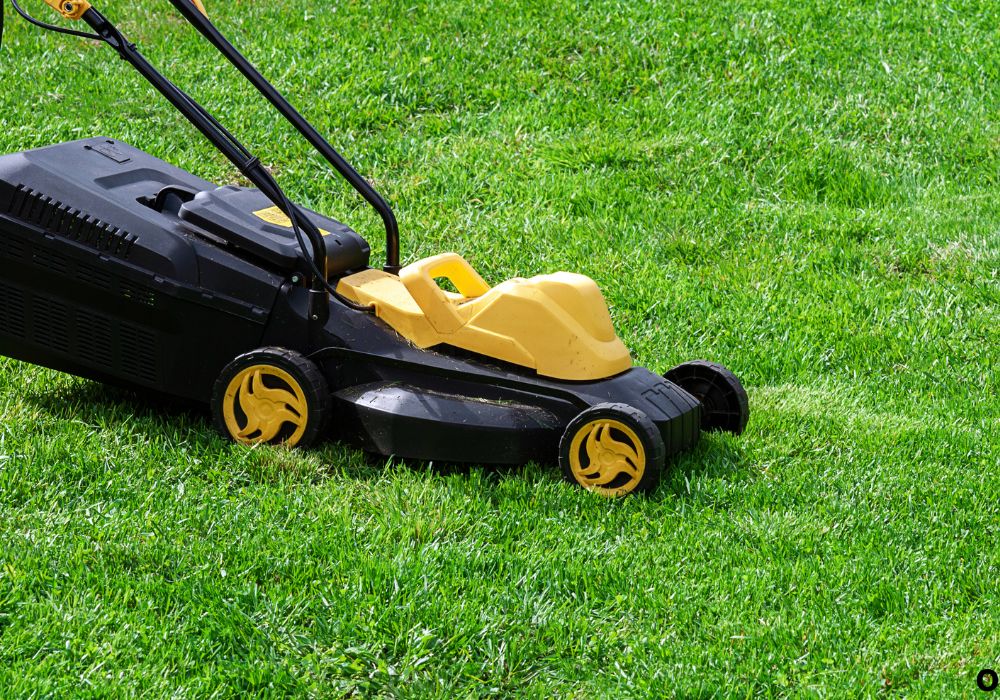
Battery weight determines how a mower feels, moves, and performs during operation. It affects balance, traction, and the overall user experience more than many buyers realise.
A lightweight battery makes pushing easier, particularly on small lawns or uneven terrain. It also helps if you need to lift the mower for storage or transport. However, lighter batteries generally hold less charge, reducing runtime. For larger lawns, this means more frequent recharges or swapping between battery packs.
Conversely, a heavier battery improves stability and blade pressure on thick grass. It increases contact with the ground, producing a cleaner and more consistent cut. But too much weight may cause fatigue during long sessions, especially for manual push models.
Designers carefully position the battery near the mower’s centre of gravity to maintain balance. Too light or too heavy, and manoeuvrability suffers. Finding the right weight ensures the mower stays grounded without feeling cumbersome. For most cordless mowers, this balance sits comfortably between 3 and 5 kilograms per battery.
Average Weight of Electric Lawn Mower Batteries
The weight of electric mower batteries varies widely based on voltage, capacity, and brand. Smaller models typically use 36-volt or 40-volt systems with compact cells, while larger machines operate on 56-volt, 60-volt, or even 80-volt platforms for extended runtime.
In general, 36 V to 40 V batteries weigh around 2 to 3 kilograms, ideal for lightweight models and small lawns. Mid-range batteries in the 56 V to 60 V category weigh roughly 3.5 to 5 kilograms, striking a balance between portability and endurance.
Heavy-duty units such as 80 V to 120 V batteries can exceed 6 to 7 kilograms, offering power equivalent to petrol engines. These are designed for professional landscapers or very large properties.
Some brands also use dual-battery configurations that double runtime but increase total weight. For instance, two 40 V 4 Ah packs together can weigh more than one 80 V 5 Ah battery. Weight affects charging setup too, as larger batteries often need reinforced mounts or carrying handles for safety.
If portability matters most, choose mid-capacity batteries around 3 kg each. They are light enough to handle easily but still powerful enough to mow 500–700 square metres on a single charge.
Battery Chemistry and Its Effect on Weight
Battery chemistry plays the biggest role in determining weight. Modern electric lawn mowers rely almost exclusively on lithium-ion batteries, which are far lighter and more efficient than the older lead-acid systems once common in early cordless designs.
Lithium-ion cells pack more energy per kilogram. This higher energy density means a smaller, lighter battery can deliver the same power as a much heavier lead-acid unit. A 4 Ah lithium-ion battery, for example, may weigh just 2.5 kg, whereas a lead-acid battery with equal capacity could exceed 6 kg.
The casing and cooling system also influence total weight. Premium manufacturers use reinforced plastic or aluminium housings that balance strength and lightness. Some even integrate thermal regulation plates to prevent overheating during long mowing sessions.
By contrast, older technologies required thick, heavy casings to prevent leaks and manage heat. The shift to lithium-ion has not only reduced weight but improved safety and durability. As chemistry advances further, expect batteries to become even lighter while offering greater storage capacity.
Comparing Weight Across Popular Mower Brands
Battery weight differs significantly between manufacturers, reflecting their design priorities and technology choices.
EGO’s 56 V 7.5 Ah battery, one of the most recognised in the market, weighs around 3.5 kilograms and powers mowers for up to 90 minutes. The company emphasises energy density and cooling design to maintain manageable weight.
Ryobi’s 40 V 6 Ah pack weighs about 2.8 kilograms, slightly lighter but offering shorter runtime. It’s ideal for homeowners seeking a balance between comfort and endurance.
Greenworks produces heavier batteries, such as its 80 V 5 Ah unit weighing around 4.5 kilograms, designed for larger lawns and semi-professional use.
Makita’s 36 V 4 Ah battery is among the lightest at 2.3 kilograms, suitable for small gardens and users prioritising manoeuvrability.
Manufacturers aim to create cross-compatible systems, allowing the same battery to power multiple garden tools. This standardisation affects weight since the battery must fit a range of devices. In practice, mid-range batteries weighing between 3 and 4 kg dominate the market because they offer the best trade-off between portability and power.
How Battery Weight Affects Runtime and Performance
Heavier batteries usually store more energy, but the relationship between weight and runtime is not perfectly linear.
A larger battery with higher amp-hour (Ah) capacity provides more watt-hours of power, extending mowing time. For example, a 60 V 7.5 Ah battery delivers about 450 Wh, while a 40 V 4 Ah battery offers only 160 Wh. However, the extra mass adds resistance for push mowers, particularly on slopes.
Performance also depends on the mower’s efficiency. Brushless motors use power more effectively, compensating for lighter batteries without sacrificing runtime. In contrast, brushed motors drain charge faster, requiring heavier batteries to achieve similar duration.
Balance is critical. Too light, and you risk shorter cutting sessions. Too heavy, and the mower becomes tiring to push or transport. Most residential users find mid-weight batteries provide the best balance of cutting strength, endurance, and comfort. For commercial work, higher-capacity packs make sense despite the added bulk.
Handling and Maintenance Tips for Heavy Batteries
Although mower batteries are built for outdoor use, they require careful handling to ensure long life. Always lift them using both hands, gripping by the moulded handles rather than the terminals. Avoid dropping or shaking them, as internal cells can dislodge or short.
Store batteries at room temperature in a dry environment, ideally between 10 °C and 25 °C. Heat accelerates chemical degradation, while extreme cold reduces performance. For long periods of non-use, keep them half-charged rather than full or empty.
When cleaning, use a dry cloth. Never spray water or solvents directly on the battery. After mowing, inspect for cracks, rust, or dirt around terminals. If the casing feels unusually warm, allow it to cool naturally before charging.
Most importantly, recycle spent batteries through authorised centres. Lithium-ion cells contain valuable metals that can be reused, and safe disposal protects the environment. Treating your battery correctly preserves both weight efficiency and performance over many seasons.
How Battery Design Is Evolving to Reduce Weight
The latest generation of lawn mower batteries showcases impressive innovation aimed at reducing mass without compromising power. Manufacturers are experimenting with new cell configurations, advanced cooling systems, and improved materials to shave off extra grams.
Some use cylindrical cells arranged in honeycomb structures for better strength-to-weight ratios. Others employ pouch cells, which eliminate metal casing and reduce structural weight. Combined with reinforced polymers and carbon-fibre composites, these approaches make modern batteries up to 30 per cent lighter than older equivalents.
Battery management systems have also advanced. Smarter chips regulate energy flow, ensuring every cell works efficiently, preventing heat build-up, and reducing the need for heavy cooling elements. This innovation indirectly lowers total mass while extending life.
The future will bring even lighter solid-state batteries that offer higher capacity at half the weight of today’s lithium-ion packs. As technology progresses, electric mowers will become easier to handle while delivering longer runtime — a perfect win for convenience and performance.
Lightweight vs Heavy Batteries — Which Is Better for You?
Choosing between a lightweight or heavy battery depends on your garden size, mower type, and physical comfort.
If you have a small to medium garden, a lightweight battery is ideal. It keeps the mower agile, easy to push, and simple to store. Shorter runtime is not a problem when mowing takes less than 30 minutes. Lightweight models are also perfect for elderly users or those seeking minimal lifting.
For larger gardens or denser grass, heavier batteries with higher capacity make more sense. They deliver sustained power for 60–90 minutes and maintain torque through tougher patches. The added stability also helps achieve more even cuts on uneven terrain.
However, remember that more weight means greater strain when moving or carrying the mower. If portability is a concern, owning two lighter batteries can provide flexibility — use one while charging the other. Ultimately, the best choice depends on balancing endurance with convenience.
15 Common Questions About Electric Lawn Mower Battery Weight
1. How heavy is a typical cordless mower battery?
Most weigh between 2 kg and 5 kg, depending on voltage and capacity.
2. Do heavier batteries last longer?
Usually yes, as they hold more energy, but efficiency also matters.
3. Is a lighter mower easier to push?
Yes, lighter batteries improve manoeuvrability on small lawns.
4. How much does an 80 V mower battery weigh?
Around 4.5–6 kg depending on brand and amp-hour rating.
5. Can battery weight affect cutting quality?
Yes, heavier packs improve traction and blade consistency.
6. Why do high-capacity batteries weigh more?
They contain additional cells and thicker casings for durability.
7. Are all lithium-ion mower batteries the same weight?
No, design and materials vary by manufacturer.
8. Can I use a smaller battery to make my mower lighter?
Only if it’s compatible; smaller packs reduce runtime.
9. Does a heavier battery charge slower?
Not necessarily, but higher capacity requires longer charging time.
10. How can I tell if a battery is too heavy for my mower?
Check the manufacturer’s weight limit in the manual.
11. What’s the safest way to lift heavy batteries?
Use both hands and grip by the handles, not the terminals.
12. Do two smaller batteries weigh less than one large one?
Sometimes, but dual systems may still equal the same total mass.
13. Can battery weight affect mower wheel traction?
Yes, additional weight can improve grip on uneven ground.
14. Are mower batteries heavier in cold weather?
No, but cold reduces performance, making them feel less efficient.
15. How do manufacturers reduce battery weight?
By using higher-density cells, lighter materials, and smarter cooling designs.
Conclusion
Understanding how much an electric lawn mower battery weighs helps you make smarter choices about comfort, performance, and efficiency. The difference between a light and heavy battery isn’t just a few kilograms — it affects how easily you can manoeuvre the mower, how long it runs, and even how tidy your lawn looks after each cut.
For most homeowners, batteries in the 3 to 5 kilogram range offer the perfect balance of runtime and handling. They are light enough to move around easily but strong enough to power through thicker grass without constant recharging.
If you have a small garden, lighter batteries make mowing quicker and less tiring. For larger lawns, a heavier high-capacity battery is the smarter investment. Whichever you choose, proper maintenance and storage will ensure it performs efficiently season after season.
In the end, it’s not just about weight — it’s about balance. The best battery is the one that makes mowing your lawn effortless, consistent, and perfectly matched to your space.

I’m Maya L. Greenwood, a lifelong plant lover who believes anyone can grow something beautiful with the right guidance. After years of testing soil mixes, pruning methods, irrigation tricks, and pest-safe solutions, I started EasyGardenTips.com to turn hard-won lessons into step-by-step advice. From seed starting and container gardens to composting and seasonal checklists, my goal is to make gardening simple, sustainable, and fun.