How to Stop a Lawn Mower in Emergency Situations
A quiet weekend afternoon can turn into panic when a lawn mower refuses to stop. The blades keep spinning, the engine roars on, and every second feels longer than it should. This situation is far more common than most homeowners realize.
Mechanical and electrical faults can sometimes override the kill switch or throttle control, making the mower keep running even after releasing the handle. In that moment, knowing how to stop a lawn mower safely becomes not just a skill but a necessity.
According to the U.S. Consumer Product Safety Commission, more than 250,000 people are injured each year in lawn mower accidents (source). Many of these incidents could be prevented with quick thinking and the right emergency steps.
Curiously, a simple spark plug disconnection or grounding the engine can stop most runaway mowers within seconds. Yet many operators hesitate, unsure which action is safe or effective. That uncertainty can lead to costly damage or serious injury.
Why a Lawn Mower Might Fail to Stop
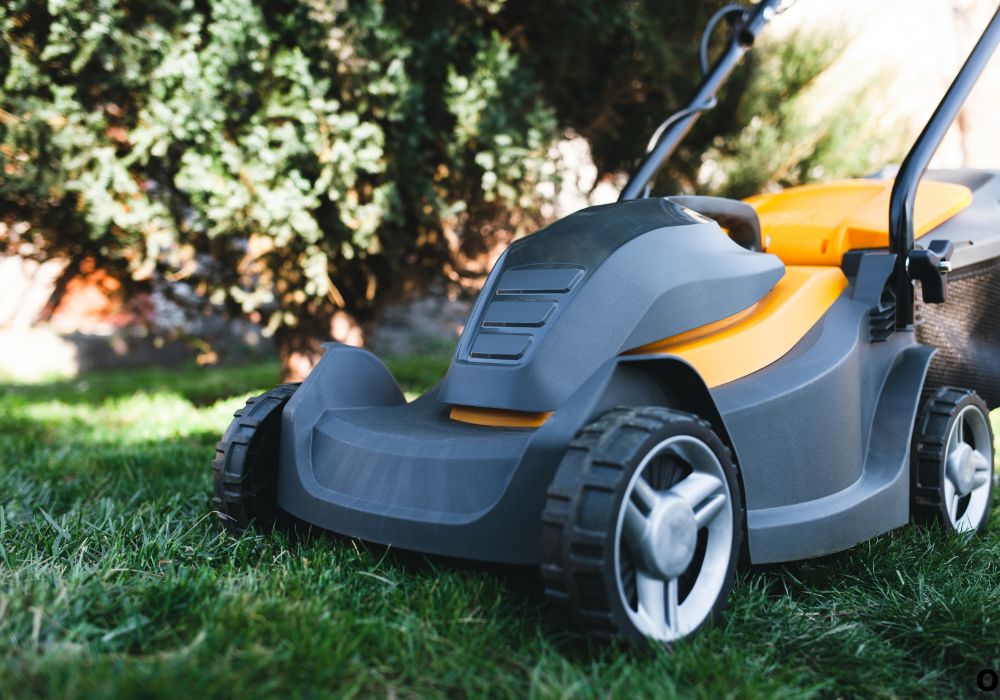
A lawn mower that refuses to shut off often signals a deeper mechanical or electrical issue. When the blades keep spinning after releasing the handle or turning the switch, the problem usually lies within the ignition or control systems.
Most modern mowers rely on a kill switch or operator presence control to instantly ground the engine when released. If this circuit fails, the mower’s ignition coil keeps producing sparks, allowing the engine to run indefinitely. A damaged kill wire, corroded connector, or broken lever spring can all contribute to this malfunction.
Another frequent culprit is a stuck throttle or control cable. When the cable becomes kinked or jammed, it may hold the throttle open even after the handle is released. This keeps airflow and fuel feeding the engine, preventing it from stopping.
Electrical issues can also create persistent running conditions. In some cases, loose wiring, a short circuit, or a faulty ignition switch can block the grounding path required for shutdown. If these elements remain live, the engine continues operating until fuel or power is manually cut off.
Understanding the root cause is the first step toward safely handling emergencies and preventing future failures. The next questions and answers break down these scenarios further.
Q: What common component fails to shut off the mower?
A: A faulty ignition or kill switch often prevents the mower from stopping properly.
Q: Can wiring issues cause a mower that won’t stop?
A: Yes, damaged or loose kill wires can interrupt the shutdown circuit.
Q: Does a stuck throttle cable affect shutdown?
A: Absolutely, a jammed throttle cable can keep the engine running at high speed.
Q: What role does the operator presence switch play?
A: It stops the engine when the handle is released, but if broken, the mower may keep running.
Q: Can fuel system problems cause similar symptoms?
A: Yes, if excess fuel continues feeding the engine, it may take longer to stall completely.
Emergency Methods for How to Stop a Lawn Mower
When a lawn mower won’t shut off, every second counts. Acting quickly yet safely can prevent injuries and protect the engine from damage. Whether it’s a mechanical jam or an electrical fault, several reliable emergency methods can stop a mower instantly.
The first rule is stay calm and keep a safe distance from the blades. If the mower is self-propelled, avoid chasing or grabbing it from the front. Instead, move to the side or rear, maintaining full control of the handle. Once it’s stable, use one of the following emergency shutdown techniques.
Disconnecting the spark plug wire is the fastest way to cut power in most gas mowers. Pull the rubber boot from the plug using insulated gloves to prevent shock. This immediately stops ignition, silencing the engine safely.
If that doesn’t work, grounding the engine by touching the kill wire directly to metal can halt the spark generation. Another option is to cut off the fuel supply—close the fuel valve or pinch the fuel line to stop gasoline flow. The engine will quickly stall as fuel runs out.
For electric mowers, unplug the power cord or remove the battery to disconnect energy instantly.
Cordless models often have a safety key that can be pulled to disable all circuits. In every case, ensure the blades have completely stopped before moving the mower or inspecting any parts.
Q: How to stop a lawn mower via spark plug disconnection?
A: Remove the spark plug wire using insulated gloves to cut ignition immediately.
Q: What does grounding the engine do?
A: It interrupts the spark by connecting the kill wire to metal, halting combustion.
Q: Can you cut off the fuel supply to stop the mower?
A: Yes, close the valve or clamp the fuel line to starve the engine.
Q: How does applying full choke shut it off?
A: Engaging full choke blocks airflow, causing the engine to stall.
Q: What about removing the battery or unplugging power?
A: Disconnecting power immediately stops electric and cordless models safely.
Step-by-Step Shutdown Techniques (by Mower Type)
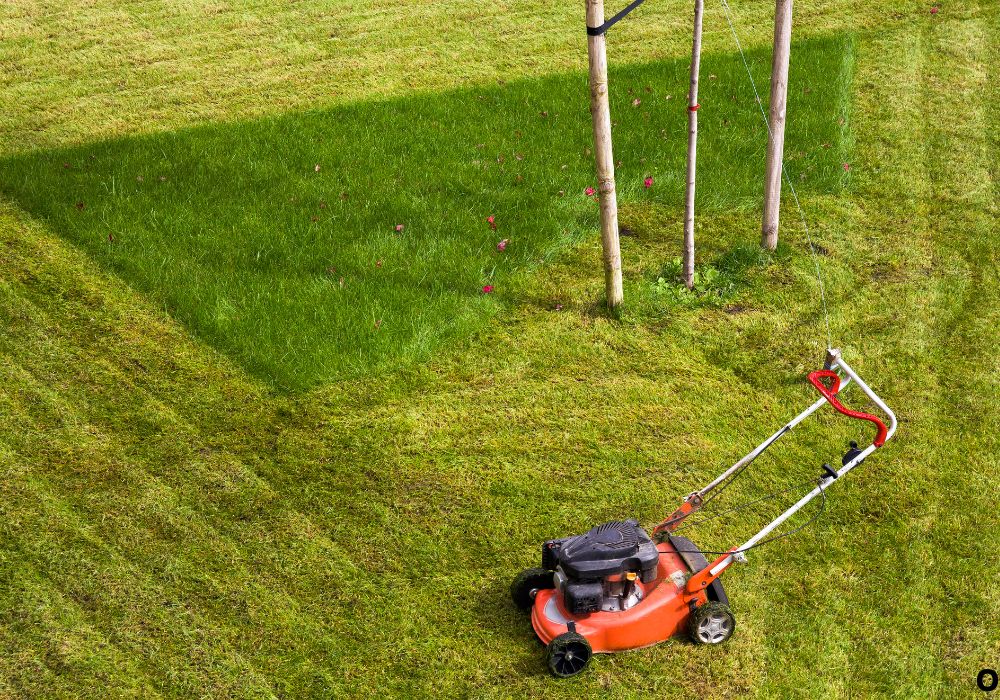
Different mower types require slightly different shutdown methods. Understanding how your specific model operates—gasoline, corded electric, or battery-powered—can make the difference between a quick fix and a dangerous delay. Each design has unique safety mechanisms, so apply the right technique for your situation.
Petrol / Gasoline Mowers
Gasoline mowers rely on combustion engines that use spark plugs, fuel lines, and throttles. When they refuse to stop, mechanical or electrical controls are usually to blame. Start by removing the spark plug wire, which instantly stops the ignition system. If the spark plug is hard to reach, grounding the kill wire against the engine metal also cuts power.
Another option is to close the fuel shut-off valve or gently pinch the fuel line with pliers, cutting fuel flow until the engine stalls. If that fails, setting the choke lever to full choke can starve the engine of air, forcing it to die out. Always ensure gloves and eye protection are used when performing these steps.
Q: Which method is fastest on petrol mowers?
A: Disconnecting the spark plug wire stops the engine within seconds.
Q: Is using the choke a safe emergency method?
A: Yes, though it may flood the engine if overused.
Q: How to locate the fuel shut-off valve?
A: It’s typically near the fuel tank or inline along the hose to the carburetor.
Q: Does cutting off fuel always work?
A: It works once remaining fuel in the carburetor burns out.
Q: Should throttle cable tension be checked?
A: Yes, a jammed or stretched throttle cable may prevent proper shutdown.
Corded Electric Mowers
Corded electric mowers are powered by continuous current from a wall outlet or extension cord. If the switch fails, simply unplug the cord from the socket or switch off the main breaker supplying power. This immediately halts the electric motor.
If the mower still hums or blades spin, inspect for a stuck power button or shorted wiring within the handle. Many modern models include a manual override or safety key, which can be removed to break the power circuit. Ensure your hands are dry before handling cords to avoid electrical shock.
Q: Can simply pulling the plug stop the mower?
A: Yes, unplugging is the quickest and safest way to stop it.
Q: What if the power switch fails?
A: Use the circuit breaker or remove the safety key to disable power.
Q: Is there a safety key or override switch?
A: Most electric mowers include one near the handle or battery housing.
Q: Does unplugging pose risk?
A: Only if cords are frayed or wet—always unplug carefully.
Q: Will the blades stop immediately?
A: The motor stops at once, but blades may spin for a few seconds.
Cordless / Battery-Powered Mowers
Battery mowers use stored power from lithium-ion packs, so stopping them means cutting that connection. Press the power button if responsive, then remove the battery pack using insulated gloves. If the mower continues to run, pulling the safety key or disconnecting the internal fuse (if accessible) will disable the circuit.
These models can also experience software or electronic faults that delay shutdown. If this happens, remove the battery and wait several minutes before reinserting it. Avoid forcing components, as battery terminals are sensitive to damage.
Q: Can you just eject the battery?
A: Yes, removing the battery instantly kills power.
Q: Does a safety lock or override button exist?
A: Most cordless mowers have one for emergency shutdown.
Q: Is there residual blade spin after power is cut?
A: Yes, blades may coast for a few seconds before stopping.
Q: Should you avoid forcing battery removal?
A: Correct, forcing it may damage terminals—always follow manufacturer steps.
Q: Can electronic failure prevent shutdown?
A: Rarely, but if it happens, remove the battery and contact support.
Conclusion
Knowing how to stop a lawn mower safely in an emergency is one of the most important skills for any homeowner or landscaper.
Whether it’s a gasoline mower with a faulty kill switch or a cordless model stuck in operation, the right steps can prevent serious injury and equipment damage.
Understanding your mower’s power source and control system helps you react faster when problems arise. Simple actions like disconnecting the spark plug, cutting the fuel supply, unplugging power, or removing the battery can make the difference between a close call and a catastrophe.
However, emergency fixes are only part of the solution. Regular maintenance—checking cables, switches, and wiring—ensures these shutdown systems work properly before you ever start mowing. Preventive care is what keeps safety reliable.
When it comes to lawn care, preparation is protection. Take a few minutes today to test your mower’s stop mechanisms, inspect its wiring, and ensure your emergency plan is ready. A calm, informed response can turn a dangerous situation into a controlled one, keeping both you and your machine safe.

I’m Maya L. Greenwood, a lifelong plant lover who believes anyone can grow something beautiful with the right guidance. After years of testing soil mixes, pruning methods, irrigation tricks, and pest-safe solutions, I started EasyGardenTips.com to turn hard-won lessons into step-by-step advice. From seed starting and container gardens to composting and seasonal checklists, my goal is to make gardening simple, sustainable, and fun.