How to Choose the Right Lawn Mower That Lasts Long
A perfectly manicured lawn often starts with one crucial decision: choosing the right lawn mower. Yet many homeowners rush into buying whatever model looks powerful or fits their budget, only to regret it a year later when the engine sputters or the blades dull too soon.
Every yard has its own personality, and matching the mower to its needs can mean the difference between effortless mowing and endless frustration.
According to Consumer Reports, most lawn mowers last only 7 to 10 years on average, but with the right choice and maintenance, that lifespan can easily stretch beyond 15 years (source).
Imagine buying a mower that cuts cleanly, glides smoothly, and stays reliable season after season. It’s not about picking the most expensive model, but understanding the key factors that affect performance, durability, and ease of use.
From engine type and cutting width to deck material and terrain compatibility, every detail plays a role in how long your mower will truly last. Many users overlook these small aspects, only to face costly repairs or replacements later.
Understanding Your Lawn Needs and Goals
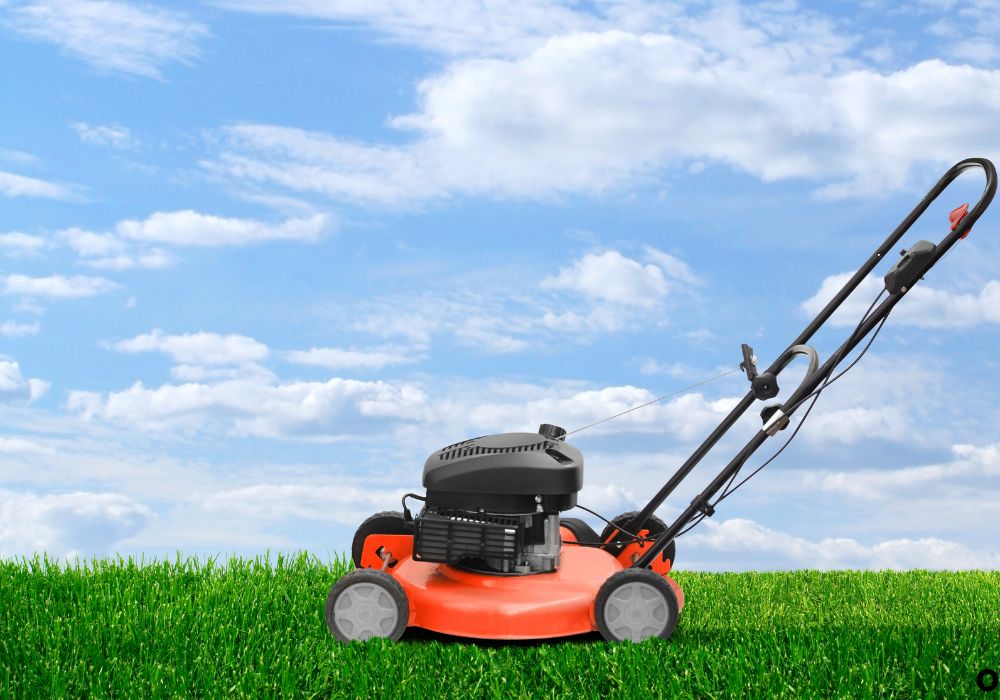
Choosing the right lawn mower begins with understanding your yard’s unique characteristics. Every lawn differs in size, slope, and terrain, which directly affects how a mower performs over time.
A small suburban yard might thrive with a lightweight electric mower, while a sprawling property often demands the strength of a riding or zero-turn model built for endurance.
Yard size is one of the first factors professionals evaluate before recommending a mower. As a general rule, walk-behind or self-propelled models are ideal for areas under half an acre, offering precision and easy handling.
Larger lawns, exceeding one acre, typically benefit from riding mowers that save time and reduce strain on the user.
Matching the deck width to your yard’s area also improves efficiency—wider decks mean fewer passes, but they require more storage space.
Terrain plays a critical role in longevity and usability. Lawns with steep slopes or uneven ground demand strong traction and durable wheels.
Rear-wheel or all-wheel-drive mowers maintain stability on hills, while flat yards allow front-wheel models to maneuver easily around trees or flowerbeds.
The type of grass also influences mower choice. Thick, coarse grass requires a more powerful engine to maintain consistent cutting quality without overworking the motor.
Beyond physical features, future yard plans should guide your selection. If you plan to expand your landscape or add decorative elements, investing in a slightly higher-capacity mower ensures long-term suitability.
Core Technical Specifications to Prioritize
Once lawn characteristics are clear, the next step in how to choose the right lawn mower is evaluating technical specifications. These determine cutting efficiency, comfort, and how long the mower will serve before showing wear.
Selecting the right specifications means balancing power, deck size, and build quality for your lawn’s unique demands.
The engine or motor power defines how effectively the mower handles different grass types. Gas engines are typically measured in cubic centimeters (cc), with 140–190 cc models offering enough power for medium lawns.
Electric or battery-powered units, measured in volts, work best for smaller yards or where noise and emissions are concerns. A higher capacity ensures steady performance without straining the motor.
Deck size or cutting width affects both speed and precision. A 20–22 inch deck is standard for suburban lawns, while larger properties may benefit from 30 inch or more.
The key is matching width to yard layout—wide decks finish faster but struggle in tight or uneven areas. Adjustable cutting height is another factor many overlook, yet it’s essential for seasonal changes and grass health.
Drive type also influences usability and durability. Self-propelled and rear-wheel-drive models make mowing slopes effortless, while push mowers excel on flat lawns. Material quality matters too: steel or aluminum decks resist corrosion better than plastic, protecting against years of exposure.
Every specification contributes to how efficiently your mower performs and how long it lasts. Focusing on these fundamentals ensures your choice balances comfort, durability, and performance for lasting satisfaction.
Choosing the Right Mower Type and Power Source
When learning how to choose the right lawn mower, understanding mower types and power sources is crucial. The type you select directly impacts cutting strength, maintenance, noise, and long-term durability.
Each power option—gas, electric, battery, or riding—has its own strengths and trade-offs, and aligning these with your lawn’s size and usage pattern ensures the best performance over time.
Gas-powered mowers remain the classic choice for large or challenging lawns. Their engines deliver strong torque, making them ideal for thick grass or uneven terrain.
However, they require regular maintenance, including oil changes, filter replacements, and fuel stabilization during off-seasons. Despite the upkeep, gas models often outlast others when maintained correctly.
Battery-powered or cordless electric mowers are becoming increasingly popular due to their convenience and eco-friendly design. They’re lighter, quieter, and easier to start, but their lifespan depends on battery capacity and charging discipline.
Investing in a high-voltage model or an extra battery pack ensures consistent runtime and better durability.
Corded electric mowers are best suited for small lawns. They provide steady power without worrying about battery life but limit mobility because of the cord.
Riding and zero-turn mowers offer unmatched efficiency for properties larger than one acre. They combine comfort, power, and wide cutting decks that drastically reduce mowing time. While the initial investment is higher, their durability and ease of use make them worthwhile for extensive yards.
Durability and Maintenance for Long Life
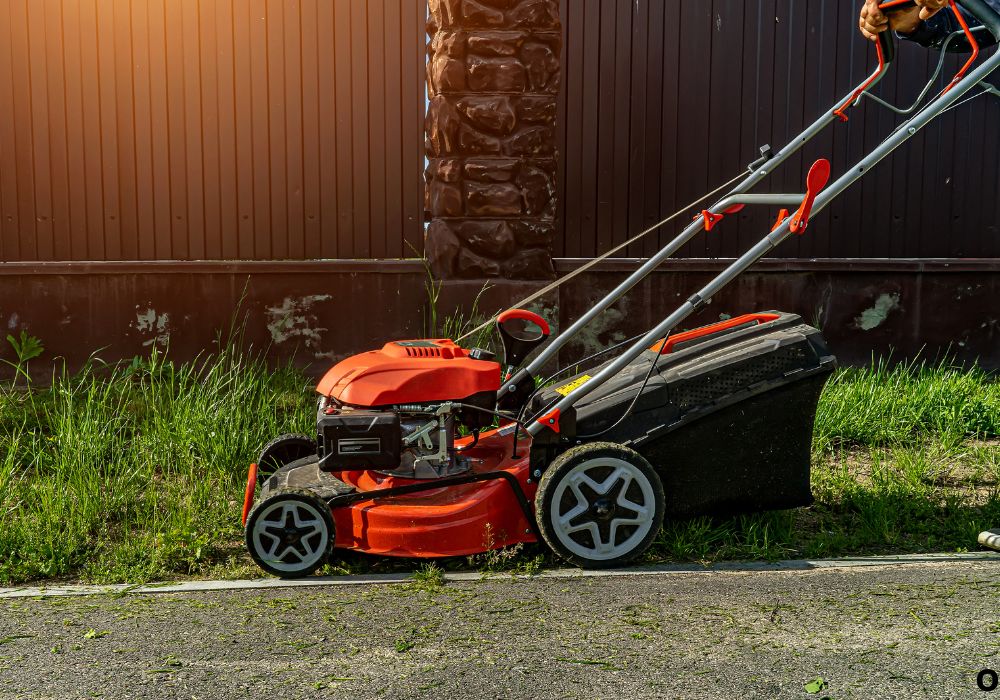
Knowing how to choose the right lawn mower also means understanding how to make it last. Durability is not just about materials or brand reputation; it’s about consistent care and smart maintenance habits that protect your investment over time.
A high-quality mower can fail early if neglected, while a midrange model can last over a decade with proper upkeep.
Start with blade care. Dull or damaged blades strain the engine and tear grass unevenly, shortening both the mower’s life and the lawn’s health.
Sharpening blades every 10 to 15 hours of use—or at least twice per mowing season—keeps performance consistent. Always replace blades showing cracks or bends to prevent engine stress.
Regular maintenance routines significantly extend longevity. Gas mowers need oil changes every 25 hours of use, along with clean air filters and spark plugs.
Electric or battery models require far less attention but still benefit from occasional deck cleaning and inspection for wear. Keeping the mower free from grass buildup prevents rust and overheating.
Storage also plays a major role in long-term reliability. Mowers stored indoors, in a dry and ventilated area, resist corrosion far better than those left outside. Before winter, drain or stabilize fuel in gas engines and remove batteries from cordless models to preserve their charge cycles.
Lastly, choose brands with easily available spare parts and authorized service centers. Simple access to replacement components reduces downtime and ensures consistent maintenance quality.
Durability is achieved through care, not just construction. Treating your mower as an investment rather than a disposable tool ensures it stays efficient, safe, and dependable season after season.
Making Smart Tradeoffs and Choosing with Confidence
At this stage of learning how to choose the right lawn mower, it’s time to balance performance, price, and practicality. Every feature adds value, but not every upgrade is necessary for every yard.
Making informed tradeoffs ensures you get a mower that delivers long-term reliability without overspending.
Premium models often come with advanced self-propelled systems, adjustable speeds, and corrosion-resistant decks. These extras add comfort and longevity but also raise costs.
Before investing, assess how often you’ll mow and whether your terrain truly requires these features. Paying for high-end specifications only makes sense if they improve durability or ease of use.
Budget-conscious buyers should look beyond price tags and focus on value over time. A moderately priced mower with sturdy materials, a dependable engine, and replaceable parts can outperform cheaper models that wear out within a few seasons. Comparing cost per year of use is a smart way to measure true value.
Material quality and brand reputation are worth factoring in as well. Trusted brands often provide better customer support, readily available parts, and reliable warranties. These elements reduce long-term costs and headaches.
Future flexibility also matters. Choosing a model compatible with accessories such as mulching kits or bagging attachments allows you to upgrade later instead of replacing the mower entirely.
Case Studies and Real-World Examples
To truly understand how to choose the right lawn mower, it helps to look at real homeowners who matched their mowers perfectly to their lawns.
These examples show how the right balance of power, deck size, and maintenance habits can transform mowing from a chore into an efficient routine—and how smart decisions lead to years of reliable service.
Consider a small suburban yard under 0.25 acres. The owner selected a 40-volt cordless electric mower with a 20-inch deck, ideal for quick maneuvering around trees and narrow spaces.
With regular blade sharpening and proper storage, this mower remained in top condition for over eight years with minimal maintenance costs.
In contrast, a homeowner managing a one-acre property chose a 190 cc self-propelled gas mower. The powerful engine handled thick grass effortlessly, and the steel deck resisted corrosion even after a decade of use.
The key was following seasonal maintenance routines—oil changes, air filter cleaning, and timely blade replacements—which kept performance consistent.
Another case involved a landscaper maintaining multiple lawns weekly. They invested in a zero-turn riding mower, prioritizing speed and endurance. Despite higher upfront costs, the machine’s productivity saved hours each week and paid for itself within two seasons.
Each scenario highlights a single principle: when a mower aligns with lawn size, terrain, and maintenance discipline, it lasts longer and performs better. Choosing strategically prevents frustration, saves money, and guarantees dependable results year after year.
Conclusion
Selecting the perfect mower isn’t just about brand or price—it’s about understanding how to choose the right lawn mower that fits your unique yard and lasts for years.
When you match the mower’s power, deck width, and drive type to your lawn’s size and terrain, you’re already halfway to ensuring long-term reliability.
Durability, however, depends on more than just specifications. Regular maintenance, proper storage, and careful operation determine how well your investment performs season after season. A mower treated with care will reward you with consistent power, clean cuts, and fewer repairs over time.
Whether you choose a gas, battery, or riding model, make sure it aligns with your maintenance habits and yard conditions. Avoid focusing solely on cost—consider the overall value, longevity, and ease of upkeep.
In the end, choosing wisely saves time, money, and effort. The right mower won’t just trim grass; it will make your lawn care routine smoother, your weekends easier, and your equipment last longer.

I’m Maya L. Greenwood, a lifelong plant lover who believes anyone can grow something beautiful with the right guidance. After years of testing soil mixes, pruning methods, irrigation tricks, and pest-safe solutions, I started EasyGardenTips.com to turn hard-won lessons into step-by-step advice. From seed starting and container gardens to composting and seasonal checklists, my goal is to make gardening simple, sustainable, and fun.