What Is a Mower Clutch and How Does It Really Work
You turn on your mower, the engine hums perfectly, but the blades refuse to spin. The problem often lies in one critical component — the clutch. Understanding what is a mower clutch and how it works can save you from confusion, costly repairs, and uneven mowing results.
The mower clutch is the link between your engine and the spinning blades. When it fails, the mower loses the ability to engage the deck, no matter how strong the engine runs.
According to industry estimates, over 80% of riding mowers and zero-turns now use electric PTO clutches for blade engagement (source). Another study found that proper engagement speed can increase clutch lifespan by 40% (source).
Definition & Core Function — What Is a Mower Clutch
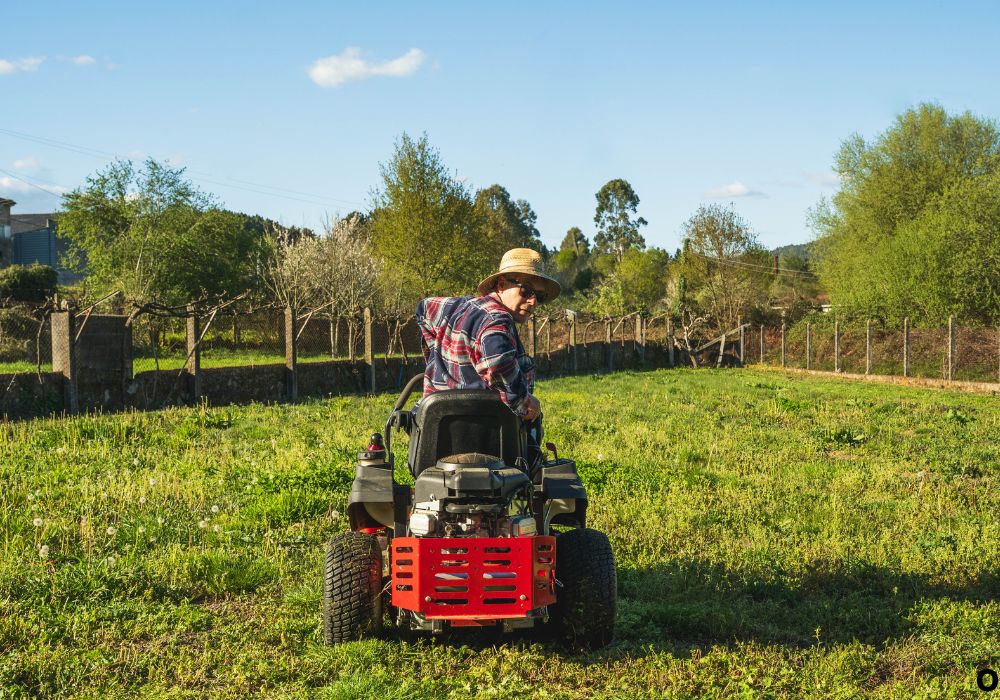
A mower clutch is a mechanical or electromagnetic device that connects the engine crankshaft to the deck pulleys. Its role is to engage and disengage the mower blades smoothly.
When the clutch is activated, engine power transfers to the blades through a belt system. When released, the blades stop spinning instantly.
In modern lawn equipment, this component is known as a PTO clutch, short for “Power Take-Off.” It acts as a power gatekeeper, ensuring blades engage only when required.
On riding and zero-turn mowers, the clutch is mounted directly to the engine’s output shaft and controlled by a switch on the dashboard.
The clutch’s primary purpose is to provide safe and consistent blade control. Without it, the blades would rotate continuously, posing a danger during startup and transport.
Understanding what is a mower clutch helps owners appreciate its role not just in performance but in overall safety. The efficiency of torque transfer from the clutch determines how evenly and powerfully your mower cuts grass.
Components 101 — What’s Inside the Clutch
Inside every clutch lies a precise combination of mechanical and electrical parts designed for controlled engagement. The main components include the rotor, armature, electromagnetic coil, bearing, pulley, friction plates, and an air gap.
These parts work together to create a magnetic pull that locks the rotor and armature, allowing power transfer to the blades.
When the PTO switch is turned on, current flows to the coil, creating a magnetic field. This field draws the armature toward the rotor, pressing the friction surfaces together. The pulley attached to the clutch then spins, transferring torque through the belt to the cutting deck.
The bearing keeps the clutch centered and allows smooth rotation, while the air gap ensures correct spacing between rotor and armature. If the gap is too wide, the clutch won’t engage; if too narrow, it can drag or overheat.
The friction plate is where wear occurs most, gradually thinning with use. Each element must function precisely to deliver consistent performance and prevent mechanical strain on the mower’s drive system.
How Electric PTO Clutches Work
Electric PTO clutches dominate modern mower systems due to their convenience and reliability. These clutches rely on electromagnetic force rather than manual linkage.
When the operator flips the PTO switch, electricity flows from the battery to the clutch coil, creating a magnetic field. This field pulls the armature plate against the rotor, coupling the two components through friction.
Once engaged, the pulley begins turning, driving the belt that spins the blades. When the switch is turned off, current stops flowing, magnetic attraction ends, and a blade brake mechanism halts rotation. This rapid engagement and disengagement allow for precise control and enhanced safety.
The system depends heavily on voltage stability. If the battery or wiring delivers weak current, engagement may become delayed or inconsistent. Similarly, poor grounding or corroded terminals can reduce magnetic efficiency.
The correct air gap, usually between 0.012–0.024 inches, ensures smooth operation (source). Maintaining optimal electrical and mechanical balance is key to long clutch life and consistent mowing performance.
Types of Mower Clutches — Electric vs. Mechanical
There are two primary types of mower clutches: electric and mechanical. Each system achieves the same goal—transferring power from the engine to the blades—but uses different methods.
Electric PTO clutches are found in most modern riding mowers and zero-turns. They use electromagnetic energy for instant engagement via a dashboard switch.
Their benefits include ease of use, smooth activation, and minimal physical effort. They also feature built-in safety interlocks that disengage automatically if the operator leaves the seat.
Mechanical clutches, in contrast, rely on physical linkages, levers, or pulleys. When the user pulls a lever, tension on the belt increases, causing the blades to spin.
While these systems are simpler and cheaper to maintain, they require more physical force and offer less control precision.
Electric models dominate the market today due to their reliability and user convenience. However, mechanical systems remain popular on smaller or budget mowers where simplicity and ease of repair are priorities.
Common Symptoms — How a Failing Clutch Shows Up
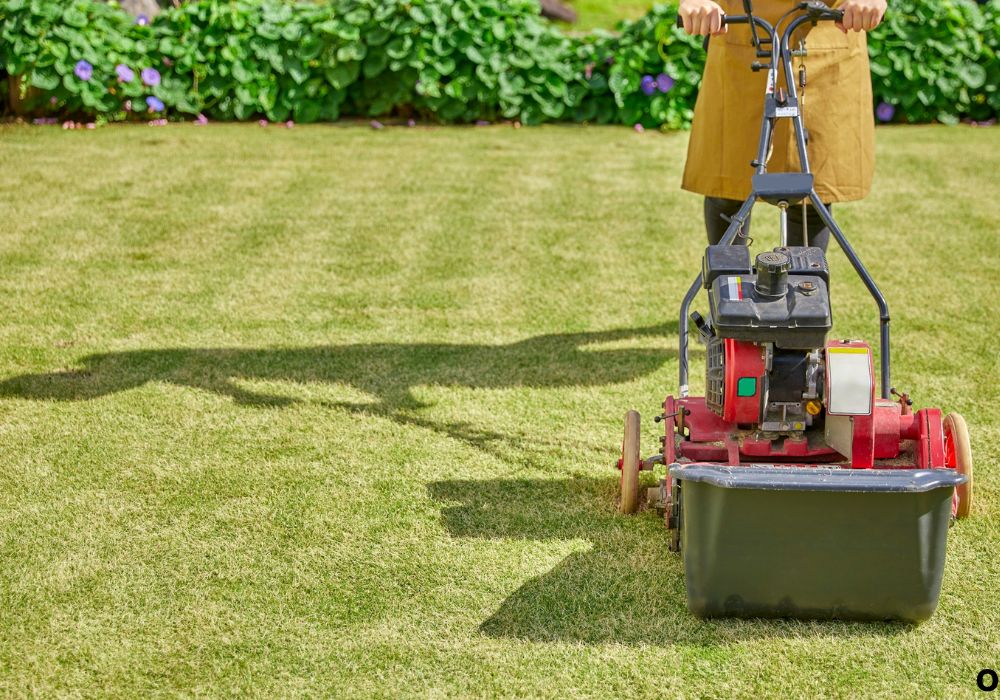
A mower clutch rarely fails overnight; it gives early warning signs that something is wrong. One of the most common symptoms is slipping, where blades slow down or stop under heavy grass load. This usually results from worn friction plates or a weakened electromagnetic coil.
Another telltale sign is delayed engagement when switching on the PTO. This delay can indicate an incorrect air gap, poor voltage supply, or coil degradation. Overheating and a burnt smell are also clear warnings of clutch friction surfaces wearing out or bearings seizing.
Other symptoms include grinding noises, vibrations, or the engine bogging down when the blades engage. If left unchecked, these issues can damage belts, pulleys, and the engine crankshaft.
Regular inspection of clutch components prevents costly downtime and extends the mower’s lifespan. Recognizing these symptoms early helps determine whether maintenance or full replacement is needed.
Testing & Adjustment — Air Gap, Ohms, and Visual Checks
Testing the mower clutch ensures that it functions efficiently under load. Start by disconnecting the battery and checking the air gap using a feeler gauge.
Most manufacturers specify a clearance between 0.012 and 0.024 inches. A larger gap weakens magnetic force, while a smaller gap can cause drag or overheating.
Next, measure the coil resistance using a digital multimeter. A typical healthy clutch reads between 2 and 4 ohms, though specifications vary by model (source). Any reading outside this range may signal a shorted or open coil.
Visual inspections are equally vital. Check for signs of belt glazing, burnt friction plates, melted wires, or oil contamination.
Tighten all mounting bolts and ensure the pulley spins freely without grinding. Testing under controlled conditions ensures your mower operates safely and avoids sudden failures during mowing.
Maintenance to Extend Life — Heat, Load, and Cleanliness
Preventive maintenance plays a major role in extending clutch life. Heat is the number one enemy of both mechanical and electric PTO clutches.
Overheating often results from excessive belt tension, clogged air passages, or continuous high-RPM engagement. Engaging the PTO at low engine speed minimizes friction shock and reduces wear.
Keep the clutch area clean. Dust, grass debris, and oil buildup can insulate heat and hinder airflow. Cleaning with compressed air after each mowing session prevents grime accumulation.
Lubricate adjacent moving parts such as pulley bearings and belt idlers if recommended by the manufacturer. Avoid using spray lubricants directly on the clutch since they attract dust. Finally, ensure that voltage supply remains stable.
Weak batteries and corroded connections can cause incomplete engagement and higher electrical resistance, shortening the coil’s lifespan. Proper heat management and electrical care can easily double a clutch’s operational life.
Safety Interlocks & Best Practices
Modern mowers integrate safety systems to prevent accidental blade engagement. The clutch connects to interlock circuits linked with the seat, brake, and PTO switches. If the operator leaves the seat or releases the brake while blades are spinning, the circuit cuts power instantly.
These safety measures are not just regulations but lifesaving mechanisms. They ensure blades disengage before movement or dismounting. Ignoring malfunctioning interlocks can lead to accidents or severe injuries. Regular testing of these switches guarantees proper functionality.
In addition, avoid engaging the clutch while crossing gravel or paved surfaces to prevent blade damage.
Engage only after positioning the mower on grass and reduce engine speed before activation. Following these small steps ensures safe operation and preserves the clutch system’s integrity.
Buying Guide — Spec, Fitment, and Quality Signals
Replacing a mower clutch requires more than picking one that “fits.” The clutch must match your mower’s engine shaft size, rotation direction, pulley diameter, torque rating, and connector type. Choosing the wrong model can lead to poor performance or premature failure.
OEM clutches are engineered specifically for each mower model. They deliver the correct torque and electrical characteristics for consistent operation.
Although they cost more, they offer the best long-term reliability. Aftermarket clutches can be cheaper but vary widely in quality. Always verify compatibility using your mower’s serial or part number.
Look for sealed bearings, high-temperature friction materials, and balanced pulleys in quality replacements. Brands like Ogura and Warner are known for durable clutch assemblies.
For DIY installation, ensure torque bolts are tightened to manufacturer specifications and reconnect wiring using clean terminals. Proper fitment is the foundation of safe and smooth blade operation.
Troubleshooting Flow — From Easy to Advanced
When the clutch stops engaging, troubleshooting should follow a logical order. Start with the simplest checks — the PTO switch, fuse, and battery voltage.
Weak batteries are one of the top causes of poor engagement. If electrical supply checks out, move to the clutch’s physical components.
Inspect the belt condition and pulley alignment. A worn or slipping belt can mimic clutch failure. Next, measure coil resistance and verify voltage reaching the clutch when the switch is activated. If resistance or voltage is out of range, electrical repair or clutch replacement is necessary.
For mechanical issues, examine the air gap, bearing wear, and friction plate condition. Any burning smell or visible scoring suggests internal damage. Following this simple diagnostic flow can identify 90% of clutch problems without professional help.
Future Trends — Smarter Control and Durability
As technology advances, mower clutches are becoming smarter, more efficient, and longer lasting.
Manufacturers are experimenting with temperature-resistant friction materials and enhanced coil designs that reduce heat build-up.
Some high-end models now feature diagnostic sensors that monitor amp draw, clutch temperature, and engagement frequency.
These systems can alert users before a failure occurs, minimizing downtime. Improved sealing also keeps dust and moisture out, extending bearing life.
The trend toward intelligent PTO systems aligns with the shift toward smart lawn equipment that integrates sensors, Bluetooth modules, and maintenance reminders.
Future clutches may use variable magnetic fields for smoother engagement, reducing belt strain and energy loss. Whether mechanical or electric, the focus will remain on efficiency, safety, and durability — giving homeowners better control with less maintenance.
Conclusion
Understanding what is a mower clutch allows you to manage your equipment more confidently and maintain cutting performance across seasons.
The clutch is not just a switch-activated component; it’s the mechanical heart that determines whether your blades run smoothly or fail abruptly.
Regular inspections, proper engagement speed, and stable electrical supply ensure long service life. Combining preventive maintenance with timely testing keeps both the clutch and mower deck performing reliably.
If the blades hesitate, slip, or fail to engage, diagnosing the clutch early can prevent extensive repairs. Treat it as a precision system, not a simple part. When properly maintained, a mower clutch can deliver thousands of mowing hours with consistent torque, safety, and efficiency.

I’m Maya L. Greenwood, a lifelong plant lover who believes anyone can grow something beautiful with the right guidance. After years of testing soil mixes, pruning methods, irrigation tricks, and pest-safe solutions, I started EasyGardenTips.com to turn hard-won lessons into step-by-step advice. From seed starting and container gardens to composting and seasonal checklists, my goal is to make gardening simple, sustainable, and fun.